
Why Consider a Non Rolling Office Chair? Stability Meets Ergonomics
Imagine a workspace where your chair doesn't drift away when you stand up, or where you never have to chase it across the room. That's the promise of a non rolling office chair. These chairs replace traditional casters with a fixed base—often with glides or a solid pedestal—providing a stable foundation for work. While rolling chairs dominate the market, stationary seating is gaining popularity among professionals who value precision, floor protection, and a clutter-free look.
Ergonomics Insight: A study from the Human Factors and Ergonomics Society suggests that for tasks requiring fine motor control (like writing, drawing, or surgery), a stable chair can improve precision by up to 18% compared to a rolling one. The absence of unintended movement helps the body remain in a fixed posture.
Who Needs a Non Rolling Chair?
Stationary chairs aren't for everyone, but they shine in specific scenarios:
- Standing desk users: When you raise your desk, you often push your chair aside. A non rolling chair won't roll away and is easy to reposition when you sit back down.
- Hardwood, tile, or laminate floors: Wheels can scratch or dent delicate surfaces. Fixed glides are much gentler.
- Drafting or art studios: Artists and architects need to maintain a stable position while working on detailed pieces.
- Home offices with rugs: Some casters get stuck in carpet fibers; a stationary base eliminates that frustration.
- People recovering from injury: A chair that doesn't move can provide extra security and stability during rehabilitation.
Key Differences: Rolling vs. Non Rolling Chairs
It's not just about wheels. The design philosophy differs in several ways:
| Feature | Rolling Office Chair | Non Rolling Office Chair |
|---|---|---|
| Base | 5 casters for mobility | Fixed glides, sled base, or solid pedestal |
| Floor impact | Can scratch hard floors; may snag on carpet | Gentle on all floors; no snagging |
| Stability | Can roll unexpectedly | Rock-solid, stays put |
| Typical height range | Standard desk height (17-21" seat) | Often includes taller options for drafting tables |
| Movement style | Gliding across floor | Swivel only (360° rotation) |
Types of Non Rolling Office Chairs
Stationary seating comes in various forms. Understanding the base type helps you choose the right one:
• Fixed Glides / Slides
Plastic or felt pads attached to the base. They allow slight sliding if you push hard, but generally keep the chair in place. Best for hardwood or tile.
• Sled Base
A single continuous metal tube that forms both legs and back support. Very sturdy, industrial look. Common in schools and minimalist offices.
• 4-Legged Stationary
Like a traditional dining chair but with office adjustments. Four legs with glides provide exceptional stability but no swivel.
• Pedestal Base (without wheels)
Similar to a rolling chair base, but with casters replaced by non-moving feet or a solid disk. Offers swivel but no roll.
Health and Productivity Benefits of a Fixed-Base Chair
Reduced Fidgeting
Without the urge to roll around, many users report better focus on tasks. A 2021 survey by Staples found that 34% of remote workers get distracted by chair movement.
Core Engagement
Some non rolling designs (like stools or active seats) encourage micro-movements, engaging core muscles slightly more than a locked-in rolling chair.
Floor Protection
No more worry about expensive floor repairs. Felt glides slide smoothly without leaving marks.
Safety for Children/Pets
A chair that doesn't roll is less likely to accidentally roll over little toes or pet tails.
What to Look for When Buying a Non Rolling Office Chair
Because the chair won't move, other features become even more critical:
- Adjustable seat height: Without wheels to reposition, you need precise height adjustment to match your desk.
- Swivel capability: Most non rollers still swivel (360°). Ensure the mechanism is smooth so you can turn easily.
- Glide material: Felt glides for hard floors, plastic for carpet. Some chairs come with interchangeable glides.
- Weight capacity: Fixed-base chairs often have higher weight limits because they lack wheel mechanisms. Look for 300 lbs+.
- Lumbar support: Since you won't be shifting position as often, built-in adjustable lumbar is a must.
Comparing Glide Materials: Which One Is Right for Your Floor?
| Glide Type | Best Floor | Pros | Cons |
|---|---|---|---|
| Felt | Hardwood, tile, laminate | Silent, scratch-proof, smooth sliding | Can wear out over time; not for wet areas |
| Nylon/Plastic | Carpet, low-pile rugs | Durable, inexpensive | Can scratch hard floors; louder on tile |
| Rubber | All floors (especially wet) | Non-slip, grippy, protects floors | Higher friction; harder to move intentionally |
| Metal | Industrial carpet (rare) | Very durable | Will damage hard floors; not recommended |
Can I Make My Current Chair Non Rolling?
Absolutely. If you love your current ergonomic chair but hate the wheels, you have options:
- Replace casters with stationary glides: Many office chair casters are standard size (7/16" or 3/8" stems). You can pull out the wheels and push in glide stems. Cost: $10–$30.
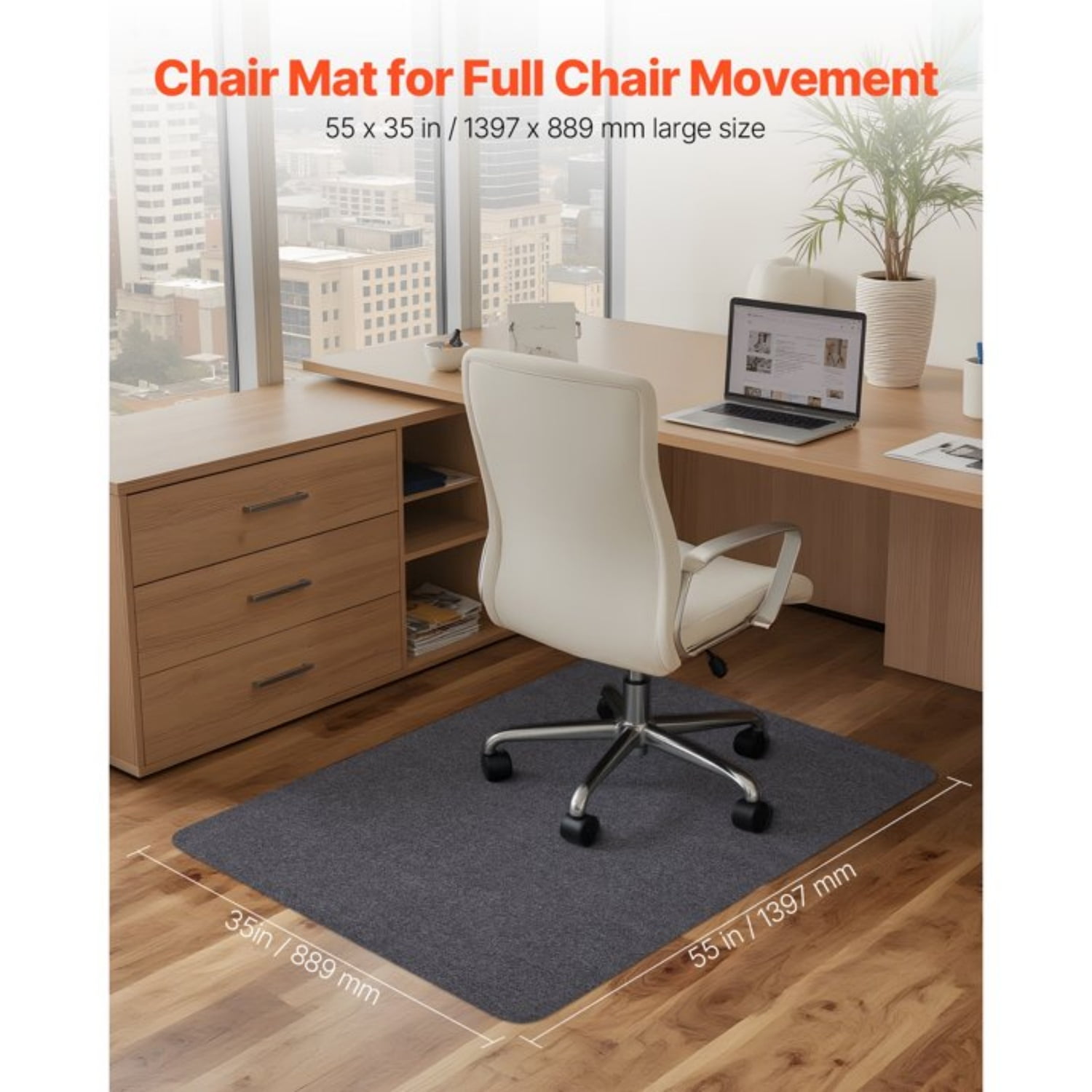
- Use a chair mat with grippers: Some mats have a textured bottom that prevents rolling. Less effective than glides.
- Locking casters: Wheels that have a brake lever to stop rolling. Best of both worlds if you occasionally want mobility.
However, a dedicated non rolling office chair often has a more balanced base and better glide placement, reducing the risk of tipping.
Frequently Asked Questions About Non Rolling Office Chairs
Conclusion: Is a Non Rolling Office Chair Right for You?
Choosing a non rolling office chair is about prioritizing stability and floor protection over mobility. If you work primarily at a single desk, have delicate floors, or use a standing desk, the fixed-base design can enhance your workflow. Modern stationary chairs don't sacrifice ergonomics—they often include the same lumbar support, seat adjustments, and breathable materials as their rolling counterparts. Evaluate your workspace, consider how much you actually move, and you might find that a chair without wheels is the anchor your productivity needs.
For those who need occasional movement, models with locking casters offer a hybrid solution. But for a clean, stable, and focused seating experience, a dedicated non rolling office chair is a smart long-term investment.