
The Enduring Appeal of Oak Office Chairs
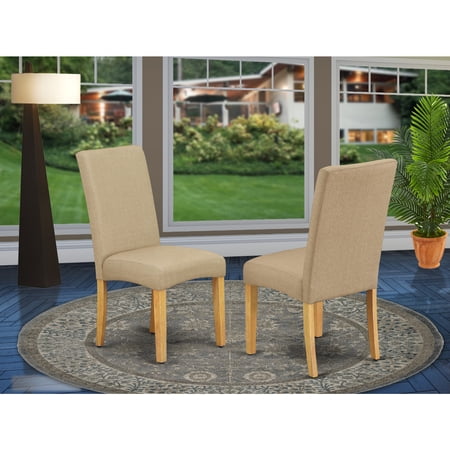
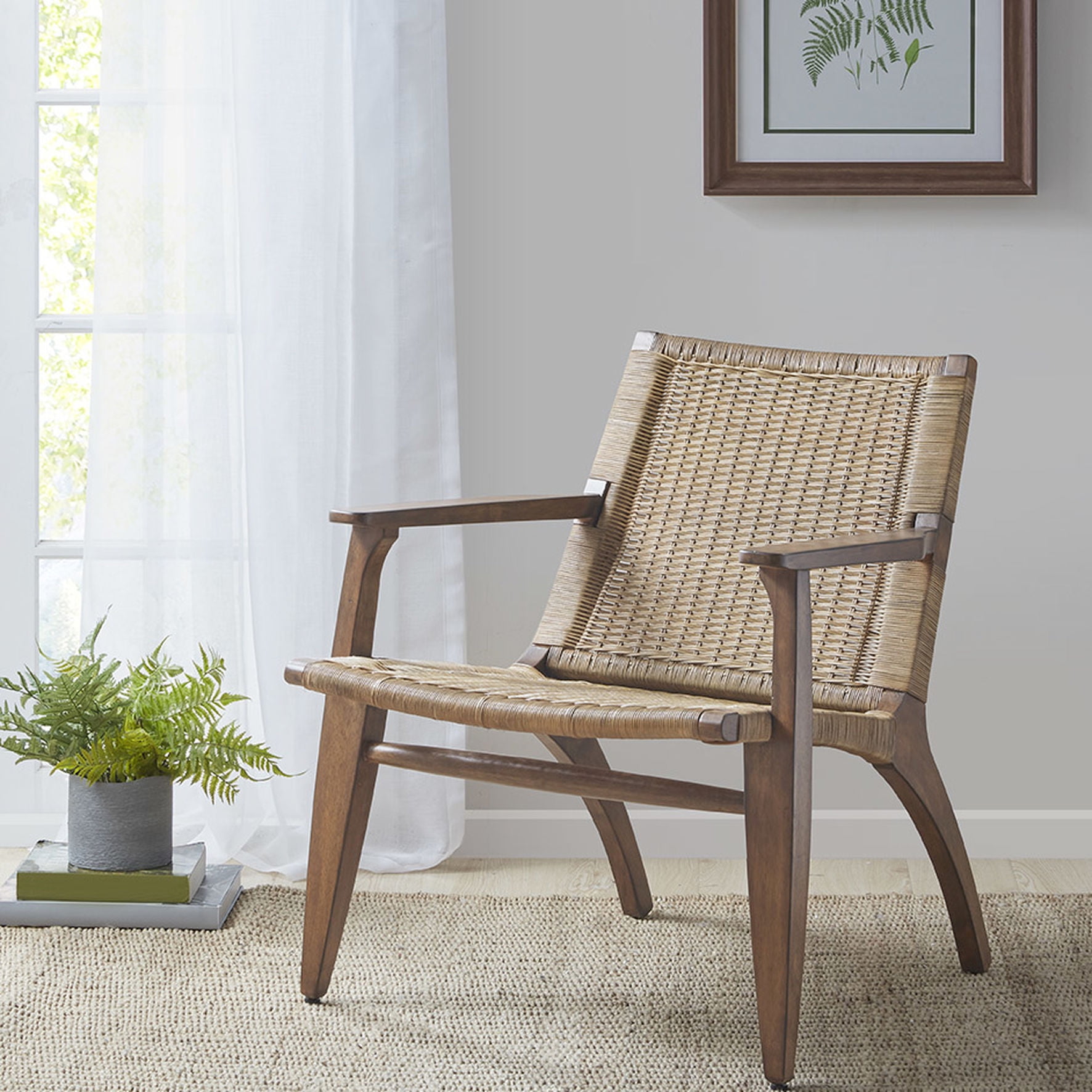
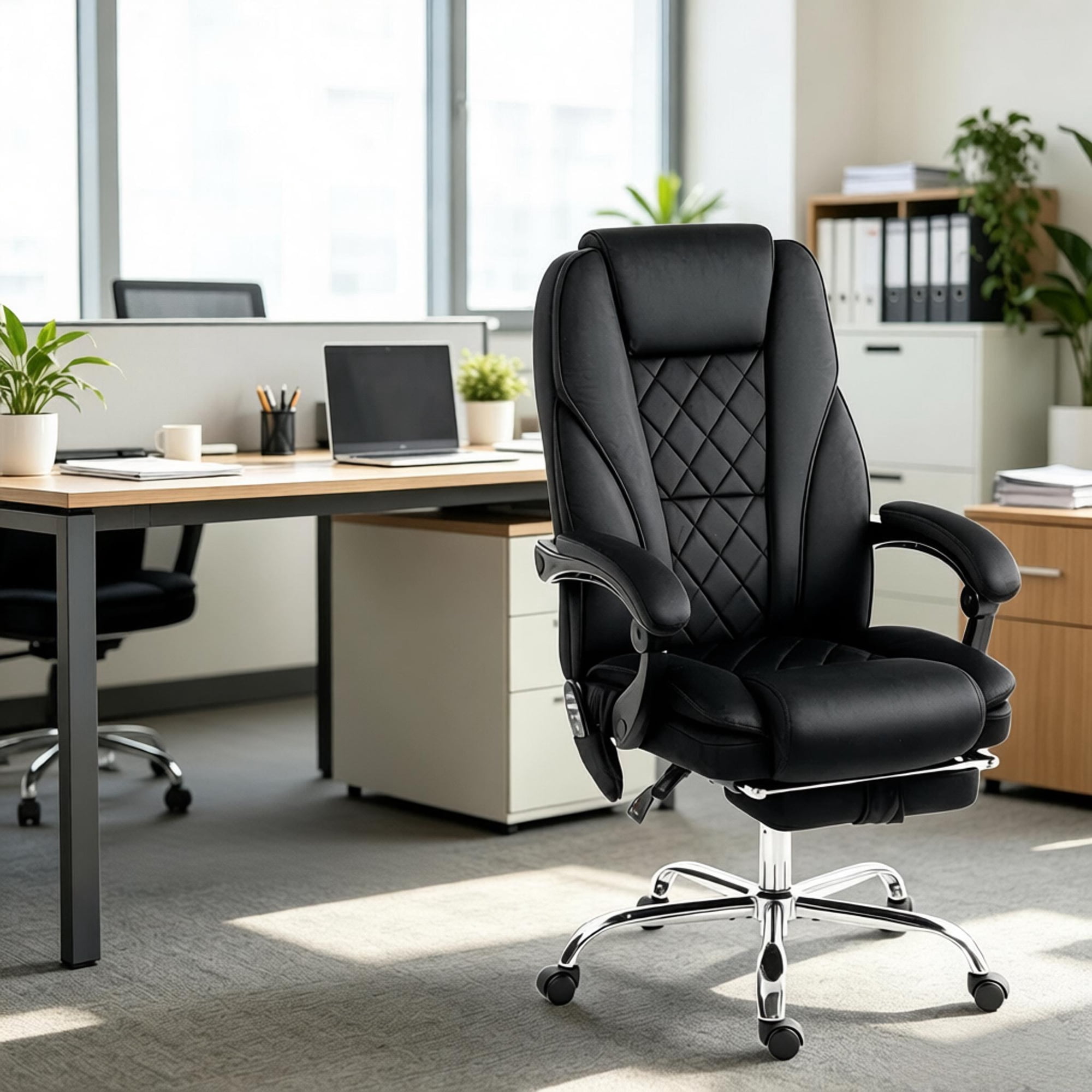
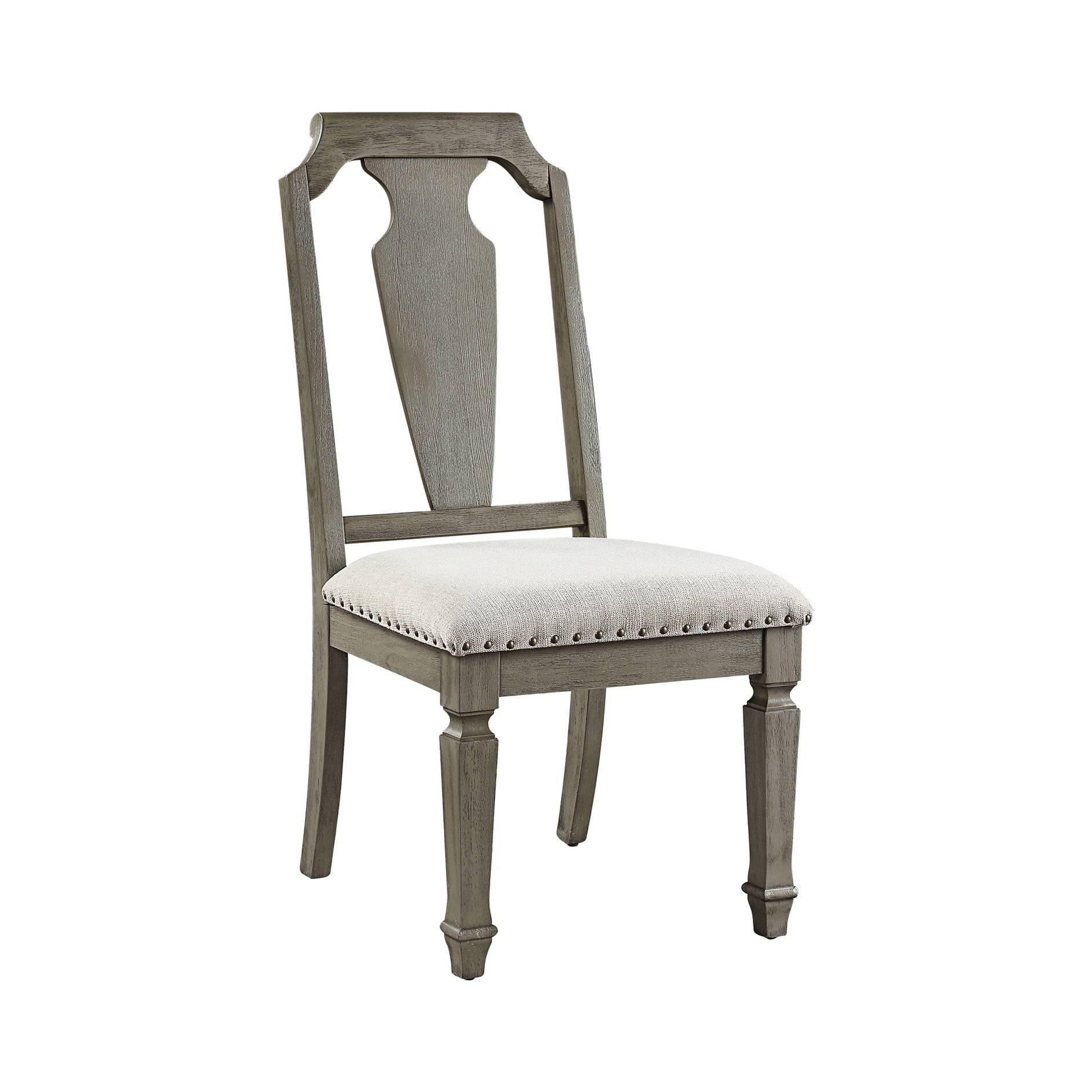
Imagine walking into an office where the furniture tells a story. Where the chair beneath you isn't just a functional object but a piece of craftsmanship with natural grain patterns that no two people in the world share. That's the experience of owning an oak office chair. Unlike the sea of black mesh and plastic that dominates modern offices, oak seating brings warmth, authenticity, and a connection to traditional woodworking that resonates deeply with those who appreciate quality.
Oak has been the wood of choice for fine furniture for centuries, and for good reason. According to the USDA Forest Service, oak is one of the strongest and most durable hardwoods native to North America and Europe. Its Janka hardness rating (a measure of wood durability) ranges from 1,200 to 1,360, making it significantly harder than pine, cherry, or walnut. This natural toughness means an oak office chair can easily last 30 to 50 years with proper care—far outpacing the 5-10 year lifespan of typical upholstered office chairs.
Woodworking Insight: Master furniture makers have prized oak for centuries because of its prominent grain patterns and exceptional workability. Quarter-sawn oak, where the wood is cut at an angle that exposes the medullary rays, reveals stunning "tiger stripe" or "flake" patterns that are highly sought after in heirloom-quality pieces. This attention to wood selection separates premium oak office chairs from ordinary wooden furniture.
Solid Oak vs. Oak Veneer: Understanding What You're Buying
When shopping for an oak office chair, you'll encounter two primary construction methods. Understanding the difference helps you make an informed decision based on your budget and expectations.
✓ Solid Oak Construction
What it is: The chair frame, arms, and often legs are crafted entirely from solid oak lumber. Each piece is cut from actual oak trees, milled, joined, and finished.
Advantages: Maximum durability, can be refinished multiple times, develops beautiful patina over decades, highest resale value, authentic wood character throughout.
Best for: Executive offices, law firms, traditional practices, heirloom-quality investments, spaces where furniture will see heavy daily use.
• Oak Veneer Construction
What it is: A base material (typically engineered wood like MDF, plywood, or rubberwood) is covered with a thin layer of genuine oak veneer (about 1/40 to 1/10 inch thick).
Advantages: More affordable, lighter weight, still shows beautiful oak grain, less susceptible to warping in humidity changes, uses fewer old-growth trees.
Best for: Home offices, budget-conscious buyers, guest seating, spaces where chairs may be moved frequently, transitional decor.
How can you tell the difference? Look at exposed edges and underneath the chair. Solid oak will show consistent grain wrapping around corners and edges. Veneer may show a visible seam or have a different material underneath. Also, solid oak is significantly heavier—a solid oak office chair can weigh 40-60 pounds compared to 25-35 pounds for veneer construction.
Wood Selection Guide: Choosing the Right Oak for Your Office Chair
Not all oak is created equal. The species of oak, cut method, and finish dramatically affect both appearance and performance. This section covers what you need to know before purchasing.
Red Oak vs. White Oak: Key Differences
Most oak furniture falls into two categories: red oak and white oak. Each has distinct characteristics that influence your chair's final appearance and durability.
Red Oak (Quercus rubra)
Appearance: Pinkish to reddish-brown tones with prominent, open grain patterns. The pores are open and visible, creating a textured surface.
Hardness: Janka rating of 1,220
Workability: Takes stains beautifully, especially darker finishes. The open grain accepts stain deeply for rich color.
Best uses: Traditional office chairs, stained finishes, pieces where grain visibility is desired.
White Oak (Quercus alba)
Appearance: Tan to olive-brown tones with tighter grain pattern. Pores are filled with tyloses, making the wood water-resistant.
Hardness: Janka rating of 1,360
Workability: Takes clear finishes beautifully, ideal for natural looks. Excellent for steam-bending curves.
Best uses: Modern designs, natural or light finishes, chairs requiring bentwood elements.
According to the Hardwood Manufacturers Association, white oak's closed-cell structure makes it naturally water-resistant—the same reason it's used for whiskey barrels and boat building. For office chairs near windows or in humid environments, white oak offers superior stability.
Grain Orientation: Plain-Sawn vs. Quarter-Sawn
The way oak is cut from the log dramatically affects the grain pattern you see in your chair.
- Plain-Sawn (Flat-Sawn): The most common and economical cut. Produces the familiar cathedral grain pattern. More prone to cupping but shows the most dramatic grain. Approximately 70% of lumber is plain-sawn.
- Quarter-Sawn: Cut at a 90-degree angle to the growth rings. Reveals straight grain lines and, in oak, distinctive medullary ray "flakes" or "tiger stripes." More dimensionally stable, less likely to warp. Premium pricing.
- Rift-Sawn: Cut at a 30-60 degree angle. Produces straight grain with minimal flake. Most stable but also most wasteful, making it the most expensive option.
For executive office chairs, quarter-sawn oak with visible flake patterns represents the pinnacle of craftsmanship. These pieces showcase the wood's natural beauty in ways that plain-sawn cannot match.
Finish Options and Their Impact
The finish you choose protects the wood and determines its final look. Consider these common options for oak office chairs:
| Finish Type | Appearance | Durability | Maintenance | Best For |
|---|---|---|---|---|
| Clear Lacquer | Natural oak color, enhances grain | Good, but can yellow over time | Easy, dust regularly | Modern offices, Scandinavian decor |
| Oil Finish | Warm, natural look with subtle sheen | Moderate, requires reapplication | Annual oiling needed | Traditional offices, craftsman style |
| Stain + Polyurethane | Rich color options, from honey to dark walnut | Excellent, very durable | Very easy, just dust | Executive offices, matching existing furniture |
| White Wash / Pickled | Light, airy, contemporary | Good | Easy | Coastal decor, modern farmhouse |
Ergonomics and Comfort in Wooden Office Chairs
A common misconception is that wooden office chairs sacrifice comfort for aesthetics. In reality, well-designed oak office chairs incorporate thoughtful ergonomic features that support healthy posture throughout the workday.
The Anatomy of a Comfortable Oak Office Chair
Modern oak office chairs blend wooden frames with carefully engineered comfort elements:
Contoured Wooden Seats
Quality chairs feature slight dishing or sculpting in the wooden seat base to cradle your body naturally
Multi-Layer Cushioning
High-density foam (2.5-4 inches thick) with memory foam toppers provides pressure relief
Lumbar-Curved Backrests
Wooden back frames shaped to follow the spine's natural S-curve, often with adjustable padding
Ergonomic Arm Design
Wooden arms positioned at proper height (7-9 inches above seat) with padded tops
According to ergonomic research published in the Journal of Applied Ergonomics, chairs with wooden frames but adequate cushioning can actually promote better posture than fully upholstered chairs. The firm support of the wood encourages micro-movements and position changes that prevent the static loading associated with musculoskeletal disorders.
Upholstery Options for Oak Office Chairs
The fabric or leather you choose for your oak office chair significantly impacts both comfort and longevity.
- Leather Upholstery: Premium choice that ages beautifully. Full-grain leather develops a rich patina over years of use. Leather breathes reasonably well and is easy to clean. Expect to pay $200-$500 more for leather versus fabric.
- Commercial-Grade Fabric: Most practical for daily use. Look for fabrics with high double-rub ratings (30,000+ for heavy use). Stain-resistant treatments extend life. Wide color range to match office decor.
- Mesh Inserts: Some contemporary oak chairs combine wooden frames with mesh back panels for breathability. Excellent for warmer climates or long work sessions.
- Velvet or Chenille: Increasingly popular for home offices. Soft texture contrasts beautifully with oak's hardness. Less durable than leather or commercial fabric but offers unique aesthetic.
🪑 Pro Maintenance Tip for Upholstery
To extend the life of your oak office chair's upholstery, rotate cushions if removable, vacuum weekly to prevent dirt from abrading fibers, and keep the chair out of direct sunlight which fades fabric and dries leather. For leather, apply conditioner every 6-12 months to prevent cracking. Most quality oak chairs allow for reupholstery—a cost-effective way to refresh the chair while keeping the quality wooden frame.
Oak Office Chair Styles for Every Professional Environment
Oak's versatility means it works beautifully across diverse settings. Here's how different styles suit various professional contexts:
Traditional Executive Oak Chairs
These chairs feature high backs, substantial proportions, and classic design elements like button tufting, rolled arms, and detailed wood carving. Typically upholstered in leather, they command presence in corner offices and law firm partners' suites. Look for chairs with:
• High backs (28-32 inches) for full upper body support
• Wide seats (22-24 inches) for comfort during long meetings
• Exposed wooden frames with decorative detailing
• Pneumatic height adjustment concealed within the base
Modern and Minimalist Oak Designs
Contemporary oak chairs strip away ornamentation to focus on clean lines and honest materials. These often feature:
• Lighter oak finishes (natural, white wash, light walnut)
• Slim profiles with visible joinery
• Mixed materials like oak frames with mesh backs
• Tapered legs or sled bases instead of traditional five-star casters
Perfect for creative agencies, tech startups, and modern home offices where design matters as much as function.
Mission and Craftsman Style
Inspired by the Arts and Crafts movement, these chairs feature straight lines, exposed tenon joinery, and quartersawn oak with prominent grain. Key characteristics:
• Vertical slat backs or solid wood panels
• Leather or fabric upholstery in earth tones
• Mortise and tenon construction throughout
• Hand-rubbed oil or lacquer finishes
Ideal for architects, designers, and anyone who appreciates honest craftsmanship.
Guest and Reception Seating
Side chairs without casters serve waiting areas and conference rooms. Oak guest chairs offer:
• Stackable options for flexible spaces
• Lighter weight for easy reconfiguration
• Matching designs that coordinate with executive desks
• Often upholstered in durable commercial fabrics
Look for reinforced joinery and至少 1.5-inch thick wooden legs for stability.
What to Look for When Purchasing an Oak Office Chair
Use this checklist when evaluating potential purchases:
| Feature | What to Check | Why It Matters |
|---|---|---|
| Joinery | Mortise and tenon, dovetail, or dowel joints; no staples or glue-only connections | Determines whether the chair loosens over time or remains solid for decades |
| Wood Thickness | Arms at least 3/4 inch thick; legs 1.5+ inches; seat frame 1+ inch | Thicker wood resists cracking and provides stability for heavier users |
| Finish Quality | Smooth surface, even color, no drips or bubbles, protected edges | Proper finishing prevents moisture damage and wear over time |
| Mechanism Quality | Gas lift from reputable supplier (Stabilus, Suspa), smooth operation | Cheap mechanisms fail in 2-3 years; quality ones last 10+ years |
| Caster Quality | Dual-wheel casters, appropriate for floor type (carpet vs. hard floor) | Protects both your floor and the chair's mobility |
| Warranty | Minimum 5 years on frame; 2 years on mechanisms and upholstery | Indicates manufacturer confidence in their product |
Sustainability: Why Oak Chairs Are an Eco-Friendly Choice
In an era of fast furniture and disposable office products, choosing an oak office chair represents environmental responsibility.
The Environmental Protection Agency estimates that office furniture contributes 8.5 million tons of landfill waste annually. Most of this is particle board, MDF, and plastic that cannot be recycled. Oak chairs, by contrast, offer several sustainability advantages:
- Longevity: A quality oak chair used for 30 years replaces 3-6 disposable chairs, reducing manufacturing energy and landfill impact.
- Renewable Material: Oak is harvested from managed forests. Look for FSC-certified wood ensuring sustainable forestry practices.
- Repairability: Solid oak can be repaired, refinished, and reupholstered, extending useful life indefinitely.
- Carbon Sequestration: Wood stores carbon throughout its life. An oak chair containing 2 cubic feet of wood sequesters approximately 50 pounds of CO2.
- Biodegradable: At end of life, solid oak furniture can be recycled or will biodegrade naturally.
According to the Wood Products Council, substituting wood furniture for steel or plastic reduces a product's carbon footprint by 75% on average. Your oak office chair isn't just furniture—it's a statement about valuing quality over disposability.
Frequently Asked Questions About Oak Office Chairs
Conclusion: Is an Oak Office Chair Right for You?
Choosing an oak office chair is about more than just seating—it's an investment in craftsmanship, sustainability, and timeless design. Unlike trendy office chairs that look dated in five years, a well-made oak chair only becomes more beautiful with age, developing a rich patina that tells the story of years of productive work.
For the executive who values authenticity and quality, a solid oak chair with premium leather upholstery represents the pinnacle of office seating. For the home office user seeking warmth and character, an oak-finished chair with comfortable fabric cushions offers the perfect balance of affordability and aesthetics. And for the design-conscious professional, contemporary oak designs prove that traditional materials can feel thoroughly modern.
Final Recommendations
Choose solid quartersawn oak with medium-dark stain, full leather upholstery, and classic styling. Expect to invest $800-$2,000 for heirloom quality.
Select white oak with natural finish, mixed materials (wood + mesh), and clean lines. Budget $500-$1,200 for quality contemporary designs.
Consider oak-finished chairs with durable fabric upholstery. Look for ergonomic features and compact proportions. Price range $300-$700 offers excellent value.
Remember these key points when shopping: verify whether you're getting solid oak or veneer, examine the joinery quality, test the comfort features, and check the warranty. A quality oak office chair should feel solid when you sit—no wobbles, creaks, or flexing. The mechanisms should operate smoothly, and the upholstery should feel substantial.
Your office chair supports you through thousands of hours of work. Choosing oak means choosing a chair that supports not just your body, but your values—quality, sustainability, and timeless design. Browse the collection above to find the perfect oak office chair for your workspace.