
More Than Just a Seat: Why an Old Wood Office Chair?
In an era of mass-produced mesh and plastic, the old wood office chair stands as a testament to a time when furniture was built to last. These chairs are not just functional objects; they are pieces of history, carrying the grain of old-growth forests and the subtle marks of decades of work. Choosing one is like inviting a story into your home office—a story of craftsmanship, durability, and classic style that no modern, off-the-shelf chair can replicate.
Beyond their aesthetic appeal, these vintage pieces offer a sustainable choice. By giving a century-old chair a new life, you're participating in a cycle of reuse that's both environmentally conscious and personally rewarding. This guide will walk you through everything you need to know about these timeless pieces, from identifying different eras to practical restoration tips and how to blend their vintage charm with modern ergonomic needs.
A Journey Through Time: Eras of the Wooden Office Chair
The design of the old wood office chair evolved significantly from the late 19th century through the mid-20th century. Understanding these periods can help you identify the style and era of a chair you might find.
Victorian & Edwardian (1880-1915)
Characteristics: Often heavy, dark-stained oak or mahogany. Features include spindle backs, carved details, claw feet, and sometimes a leather or cane seat. They exude a formal, authoritative presence, perfect for a traditional library or law office.
Arts & Crafts / Mission (1900-1930)
Characteristics: A reaction to Victorian ornamentation, these chairs emphasize clean lines, vertical slats, exposed joinery, and solid oak construction. They are sturdy, minimalist, and celebrate the beauty of natural wood. Think Gustav Stickley.
Art Deco & Early Modern (1920-1945)
Characteristics: Streamlined forms, geometric patterns, and the introduction of metal accents. You might see lighter woods like maple or walnut with inlaid details. The swivel function became more common, and designs felt more dynamic and less boxy.
Mid-Century Modern (1945-1970)
Characteristics: Organic shapes, tapered wooden legs, and a focus on functionality. Designs often integrated plywood for curved backs and seats, sometimes upholstered in colorful vinyl or fabric. This era prioritized form following function.
Key Types of Vintage Wood Office Chairs
Beyond the era, the chair's mechanism and intended use define its type. Here are the most common you'll encounter:
- The Banker's Chair: The quintessential old wood office chair. Typically high-backed, heavily padded with leather, and made of solid oak or mahogany. Designed for long hours and to project authority.
- The Wooden Swivel Task Chair: A simpler, often all-wood design with a swivel base and casters. Popular in the early to mid-20th century for clerical work, these chairs are lighter and have a more open, airy feel.
- The Folding Office Chair: A space-saving marvel from the early 1900s. These chairs could be folded flat and stored away, typically made of oak with a metal folding mechanism.
- The Drafting Stool: A tall wooden stool with a footring and a backrest, often on casters. Used by draftsmen and architects, these have a distinct industrial-chic look.
Pros and Cons of Using an Old Wood Office Chair
Bringing a century-old chair into your daily workspace has both rewards and challenges. Let's weigh them objectively.
✅ Advantages
- Unmatched Durability: Old-growth wood and solid joinery mean these chairs can last for generations. They were built to be repaired, not replaced.
- Unique Character: No two old chairs are exactly alike. The patina, the grain, the subtle wear patterns tell a unique story.
- Sustainable Choice: You are recycling a piece of history, reducing demand for new manufacturing and keeping furniture out of landfills.
- Timeless Aesthetic: A well-chosen vintage chair adds warmth, texture, and a focal point that elevates any room's design.
- Investment Potential: Certain high-quality antique chairs from renowned makers can appreciate in value over time.
❌ Challenges
- Ergonomic Limitations: They lack modern lumbar support, adjustable armrests, and synchronized tilt mechanisms. Long hours may require additional support.
- Restoration Work: You may need to refinish the wood, reupholster the seat, or repair the mechanism, which requires time, skill, or money.
- Comfort: Original seats are often thinly padded or made of hard wood or cane, which can be uncomfortable for all-day sitting.
- Availability: Finding the perfect chair in good condition at a fair price can be a treasure hunt that takes time and patience.
- Mechanism Wear: The tilt and swivel mechanisms, often made of cast iron, can wear out or become grinding and may need specialized repair.
Bringing It Back to Life: A Restoration Roadmap
Restoring an old wood office chair is a labor of love. Here is a step-by-step guide to assess and revive your find:
- Assessment: Check the chair's structural integrity. Is it solid, or does it wobble? Look for cracks in the wood, especially at joints. Test the swivel and tilt mechanism.
- Cleaning: Gently clean the wood with a mild cleaner (like Murphy Oil Soap) to remove decades of grime. This will reveal the true condition of the finish.
- Mechanical Repair: Disassemble the metal mechanism. Clean off old grease, check for broken springs or worn cogs, and re-grease with a lithium-based grease. This is often the most critical step for functionality.
- Wood Refinishing: If the finish is beyond saving, you may need to strip it. Otherwise, a simple touch-up with a matching stain and a coat of shellac or tung oil can work wonders. Respect the original patina if possible.
- Upholstery: The seat and backrest are your chance to add comfort. Use high-density foam and a durable fabric (like leather or a heavy-duty tweed) that complements the chair's era.
- Final Assembly: Reassemble the chair, ensuring all bolts are tight. Replace old casters with modern ones that fit the existing stems for smoother rolling on today's floors.
Modern Alternatives: Vintage Style, Today's Comfort
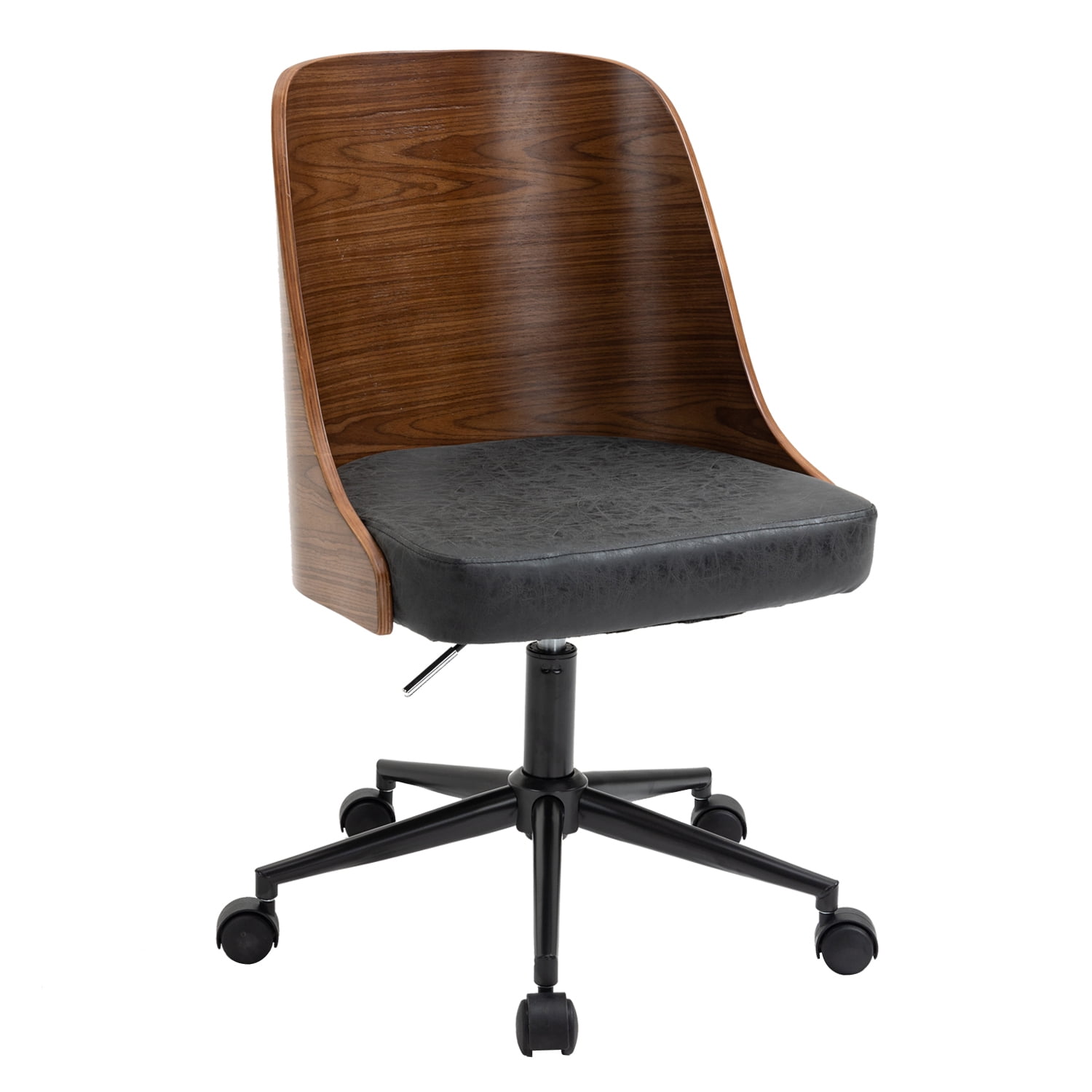
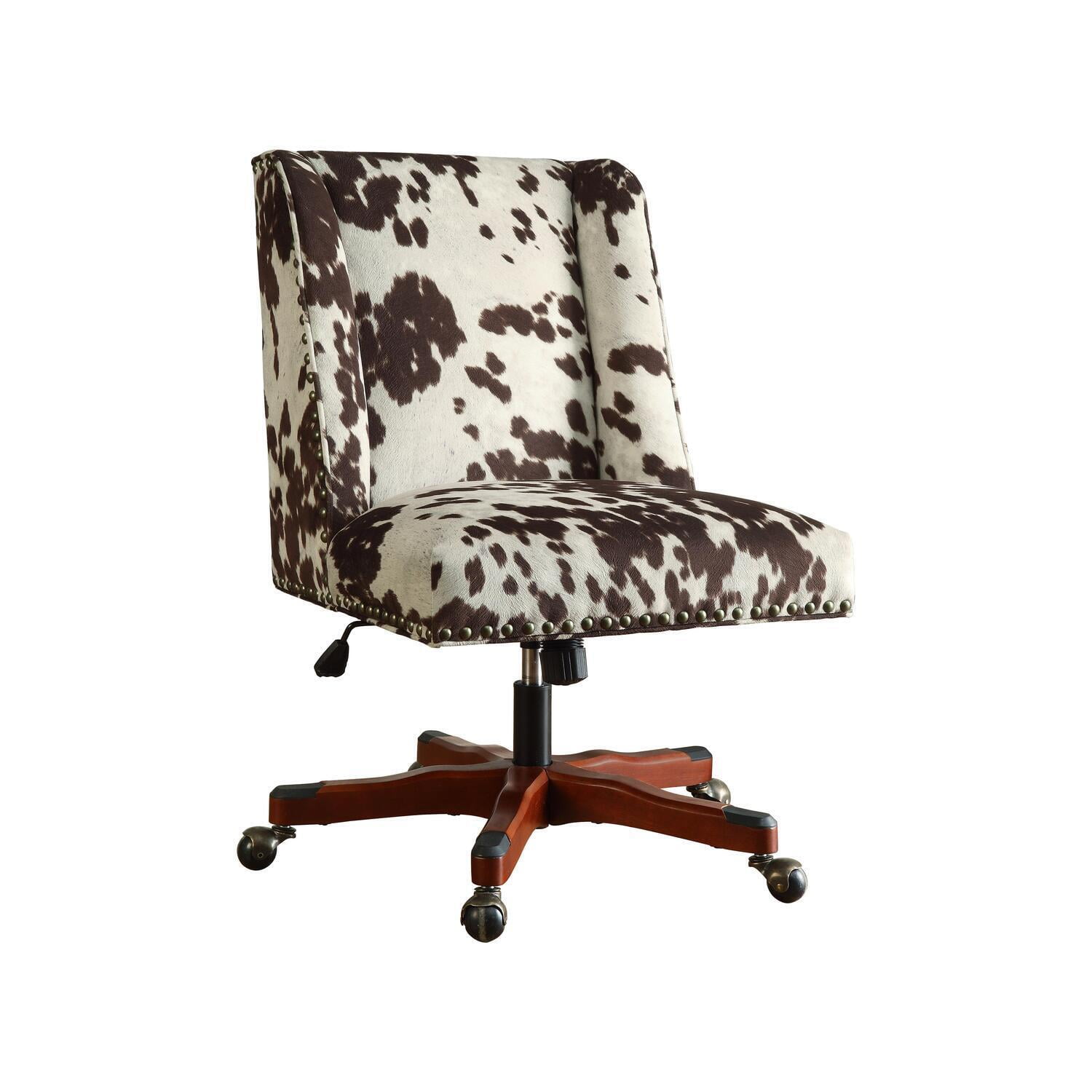
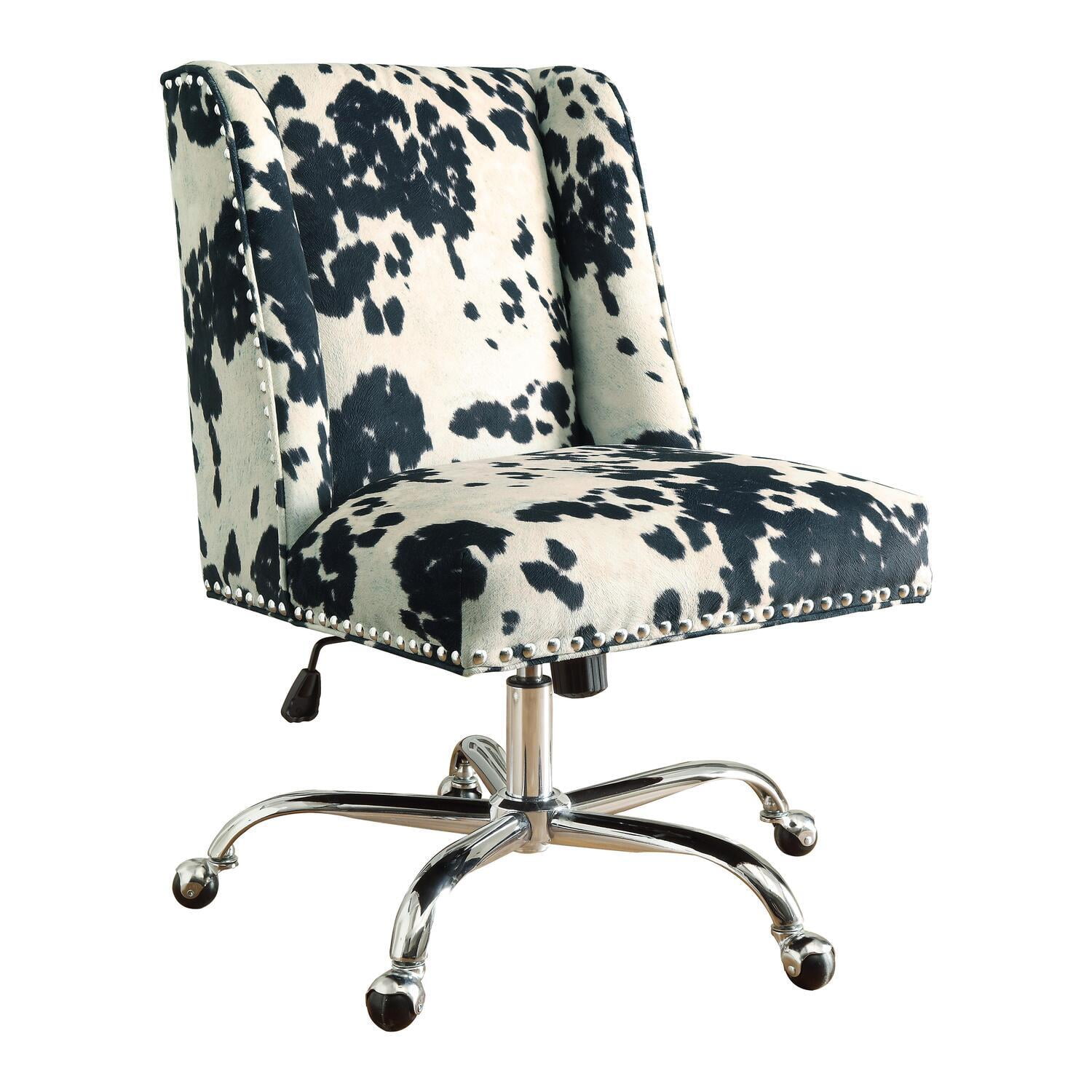
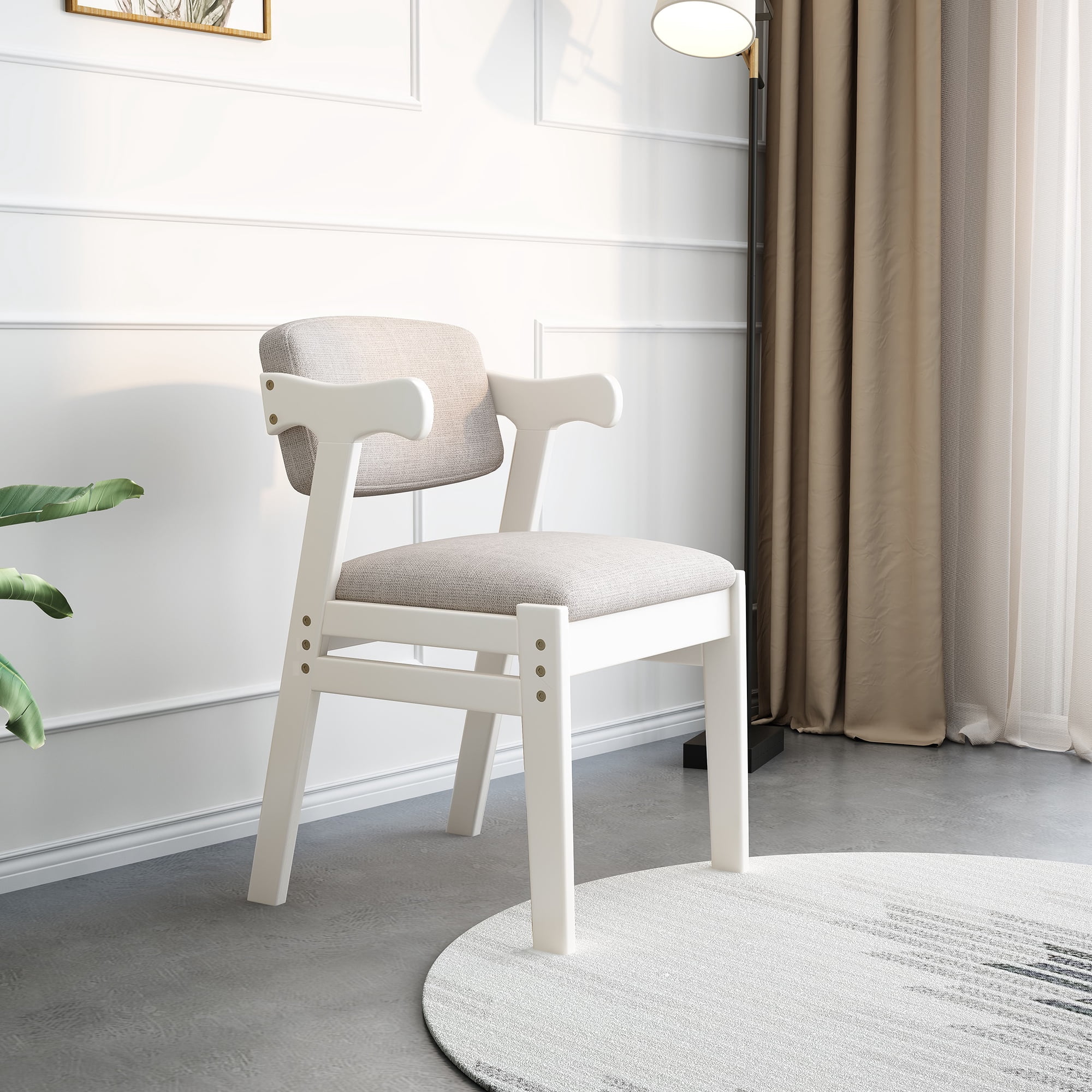
If the search for a genuine antique feels daunting, or if you need a chair that's ready to use immediately with better ergonomics, many manufacturers create beautiful old wood office chair reproductions and inspired designs. These chairs capture the aesthetic—using solid wood like oak or walnut, classic spindle backs, and leather upholstery—while incorporating modern features like pneumatic height adjustment, adjustable lumbar support, and smooth-rolling casters. They offer the best of both worlds: timeless style and modern functionality. You can find excellent examples in the product section above.
Frequently Asked Questions About Old Wood Office Chairs
Conclusion: A Legacy for Your Workspace
An old wood office chair is more than a piece of furniture; it's a connection to the past, a statement of personal style, and a commitment to quality. Whether you embark on the rewarding journey of restoring a genuine antique or opt for a thoughtfully crafted reproduction, you are choosing a chair with soul. It stands in quiet contrast to the disposable culture, offering a workspace that feels grounded, warm, and uniquely yours. We hope this guide helps you find the perfect vintage companion for your workdays.