
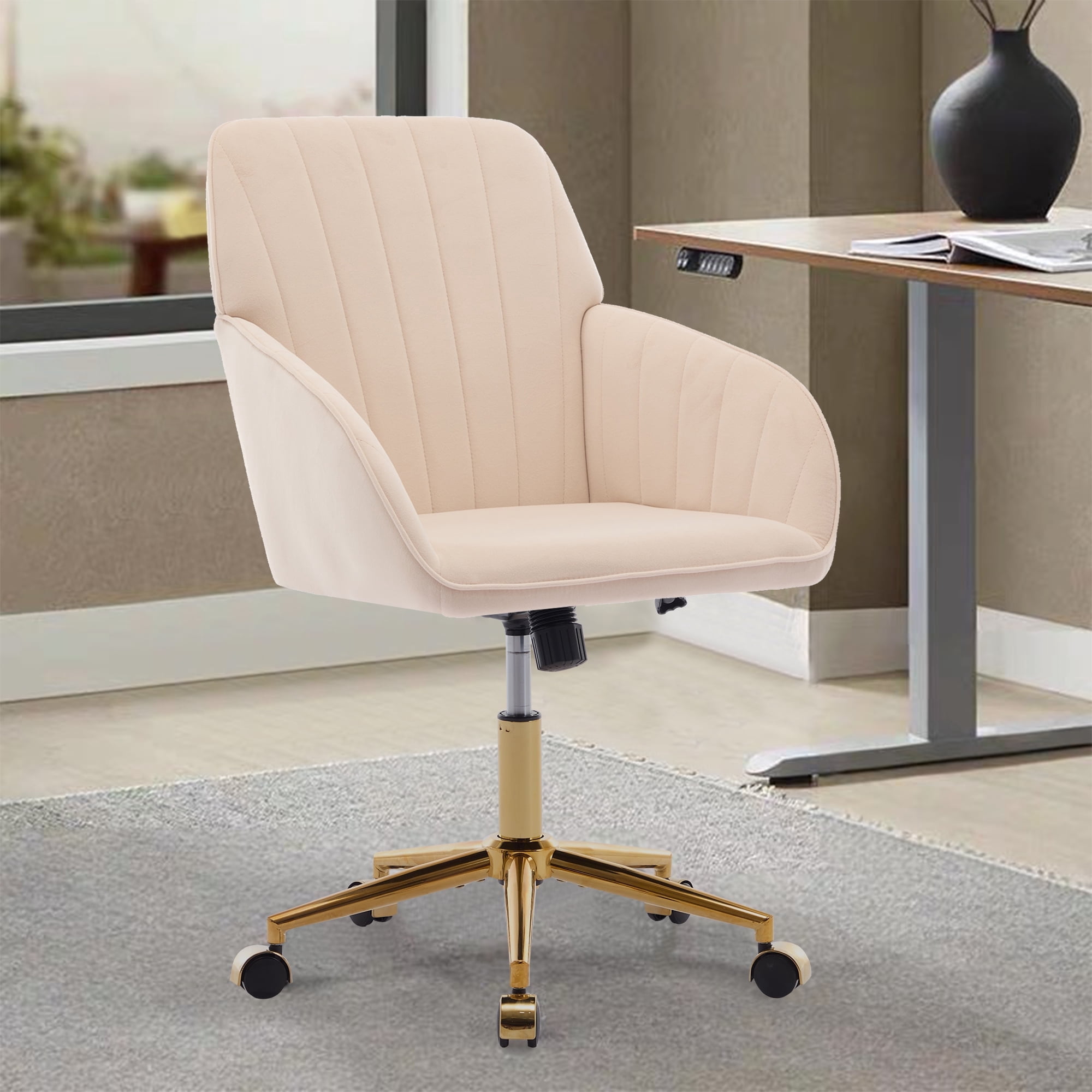
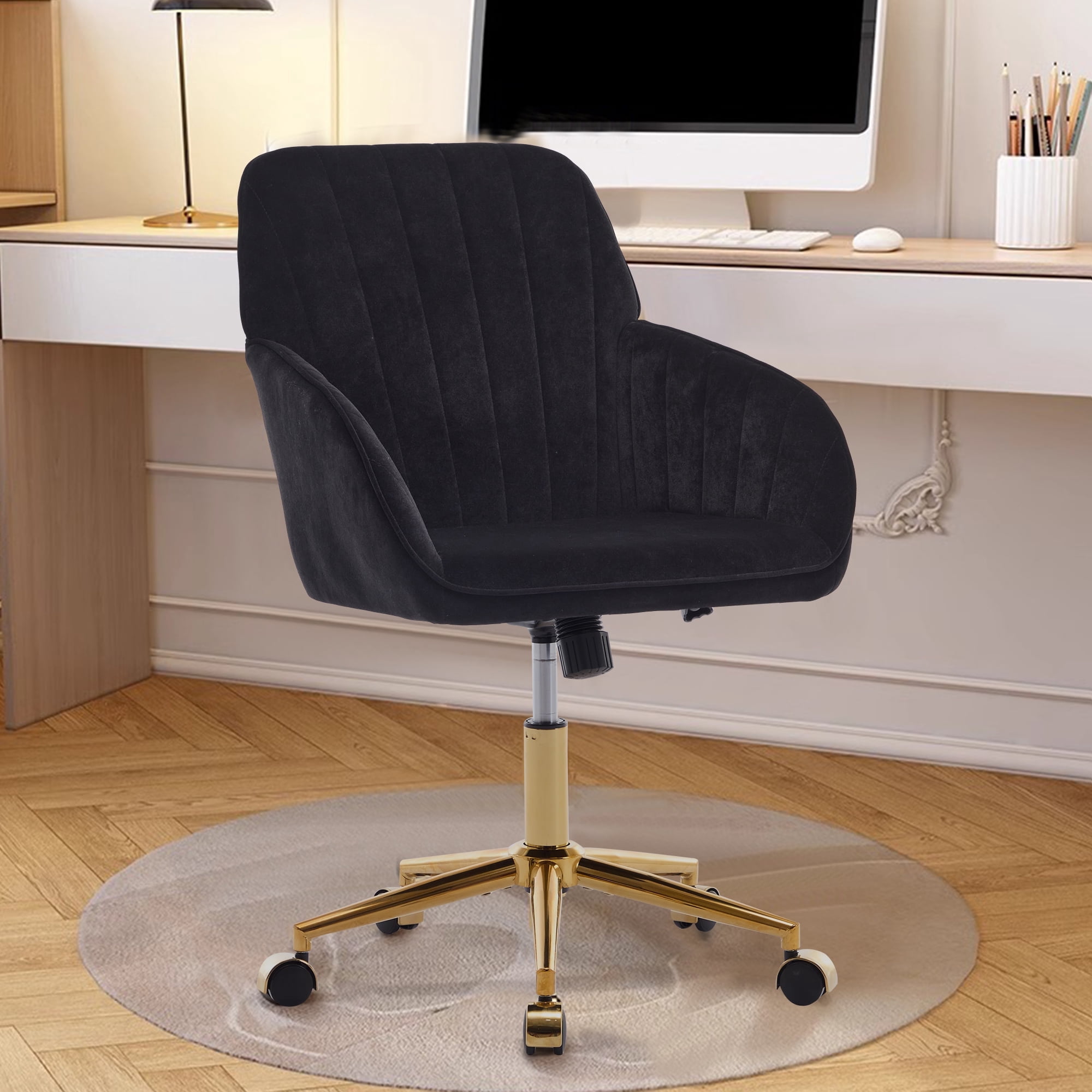
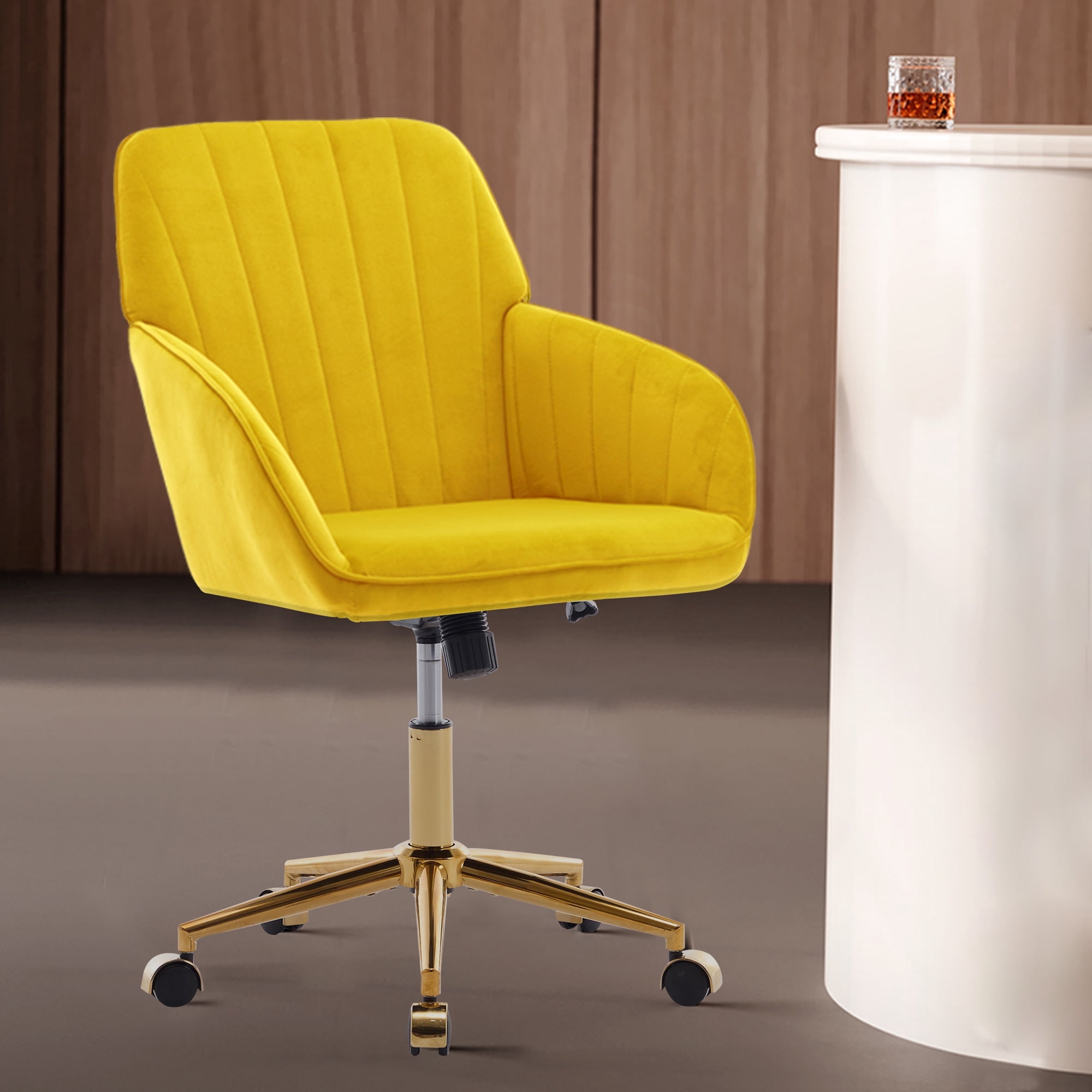
The 8-Hour Test: Why Your Chair Makes or Breaks Your Day
Imagine running a marathon in dress shoes. Sounds painful, right? That's exactly what thousands of professionals do every day when they sit in a poorly designed chair for 8+ hours. Your office chair is the 'shoes' you wear for your workday. If it doesn't fit or provide the right support, the fatigue, aches, and loss of focus are inevitable. A quality office chair for long hours of sitting isn't a luxury; it's the foundation of your daily performance and long-term spinal health.
We spend roughly one-third of our adult lives working, and for many, that means sitting. The human body wasn't designed for static postures. Prolonged sitting compresses spinal discs, weakens core muscles, and can lead to chronic conditions. According to research from the National Institutes of Health, poor seating posture is a leading contributor to lower back pain, affecting 80% of adults at some point. But with the right chair, you can create a dynamic sitting environment that moves with you and supports you hour after hour.
Key Statistic: A study in the Journal of Physical Therapy Science found that using an ergonomic chair with proper lumbar support reduced perceived discomfort by 54% and improved productivity scores by 17% compared to a standard task chair over a 4-week period. Your chair is a performance tool.
Deconstructing All-Day Comfort: What Really Matters
1. The Spine's Best Friend: Dynamic Lumbar Support
Static lumber support is like a rock in your shoe—it only helps if it's in exactly the right spot. For all-day sitting, you need dynamic, adjustable lumbar support. This means the support mechanism moves with you as you shift from typing upright to leaning back to think. Look for chairs with an independent lumbar mechanism that can be raised or lowered and, crucially, has adjustable depth (how much it pushes into your back). This maintains the natural lordotic curve of your spine, preventing the dreaded 'C' shape that leads to slouching.
2. Seat Depth and the Waterfall Edge
Ever feel numbness or tingling in your legs after a long meeting? That's often due to a seat pan that's too long, cutting off circulation behind the knees. An ideal office chair for long hours of sitting features a waterfall edge—a gently sloping front that reduces pressure on the thighs. Even better is an adjustable seat depth (sliding seat pan). This allows you to shorten or lengthen the seat to fit your thigh length perfectly. A rule of thumb: you should be able to fit 2-3 fingers between the back of your knee and the seat cushion.
3. Breathability: The Micro-Climate of Your Seat
Sitting for 8 hours generates heat. If your chair upholstery traps that heat, you'll end up sweaty, distracted, and uncomfortable. This is where material choice becomes critical.
- Premium Mesh: The gold standard for breathability. High-quality mesh, like that used in many ergonomic chairs, is taut, supportive, and allows constant airflow. It conforms to your back without creating hot spots.
- Performance Fabric: Modern office fabrics are often designed with breathability in mind. They are more durable and less prone to sagging than mesh, but may not be as cool.
- Leather: While luxurious, traditional leather can get hot. If you prefer leather, look for perforated leather or chairs with a breathable membrane layer beneath the leather to mitigate heat buildup.
4. The "4D" Armrest Experience
Armrests aren't just for resting your arms; they support your shoulders and neck. For long hours, static armrests are useless. You need 4D armrests: adjustable in height, width, depth, and angle. This allows you to keep your elbows at a 90-degree angle, shoulders relaxed, and forearms parallel to the floor, regardless of your task—whether typing, reading, or mousing.
5. Recline and Tilt Tension: Your Dynamic Sitting Partner
"Dynamic sitting" means moving. A good chair encourages movement. Look for a synchronized recline mechanism where the seat and backrest move in harmony. More importantly, ensure the tilt tension is adjustable. You should be able to lean back with gentle resistance, but not feel like you're wrestling the chair to stay upright. A multi-lock recline allows you to lock in your favorite postures, from upright typing to deep-focus reclining.
Think of it this way: Your chair is like the suspension system in a luxury car. It's not just about a soft seat; it's about absorbing the 'bumps' of a long day, providing stability on the straightaways (typing), and support through the curves (thinking/meetings). A cheap chair is a cart with wooden wheels; a great ergonomic chair is a sedan with adaptive suspension.
Material Science: Choosing Your All-Day Ally
The material of your chair dictates its longevity, feel, and maintenance. Here’s a breakdown specifically for those marathon sessions:
| Material | All-Day Comfort Pros | All-Day Comfort Cons | Best For |
|---|---|---|---|
| High-Grade Mesh | Exceptional breathability, molds to shape, lightweight, easy to clean. | Can lack plush "luxury" feel; lower-quality mesh may sag over time. | Warm climates, those who run hot, modern office aesthetics. |
| Performance Fabric | Durable, wide variety of colors/textures, often treated for stain resistance, good comfort. | Can retain heat more than mesh, may require professional cleaning for deep stains. | Collaborative offices, creative industries, those wanting a soft-touch feel. |
| Premium Leather (Top/Full-Grain) | Extremely durable (10-15+ years), ages beautifully, conveys authority, easy to wipe clean. | Can be cold in winter and sticky in summer (unless perforated), highest cost. | Executive suites, home offices with climate control, client-facing roles. |
Beyond the Chair: The 30-Minute Reset
Even with the world's best office chair, your body craves movement. Think of your chair as your 'base camp,' not your prison. To maximize the benefits of your ergonomic investment, adopt the "30-Minute Reset" routine:
- 30 Minutes: Set a timer for every 30 minutes of concentrated work.
- 30 Seconds: When the timer goes off, stand up for at least 30 seconds. This decompresses your spine.
- 30 Steps: Take a short walk—get water, stretch, or just pace. This re-engages muscles and boosts circulation.
This simple habit, combined with a supportive chair, creates a powerful defense against the physical toll of desk work.
Frequently Asked Questions About Chairs for Long Sitting
Conclusion: Invest in Your Most Valuable Asset—Your Body
Selecting the right office chair for long hours of sitting is one of the most critical decisions you'll make for your professional life and personal well-being. It's an investment that pays dividends in daily energy, focus, and the prevention of chronic pain. Don't let a poor chair be the bottleneck to your performance.
We recommend starting with our top picks in the product grid above, focusing on chairs that offer adjustable lumbar support, seat depth adjustment, and breathable materials. Test the adjustments, read the reviews, and consider your own body's needs. Your chair is your partner in productivity—choose wisely, and your back will thank you for years to come.
Final Thought: A great chair doesn't just hold you up; it propels you forward. It's the silent partner in your success, working tirelessly in the background so you can shine in the foreground. Make sure you have the best partner for the job.