
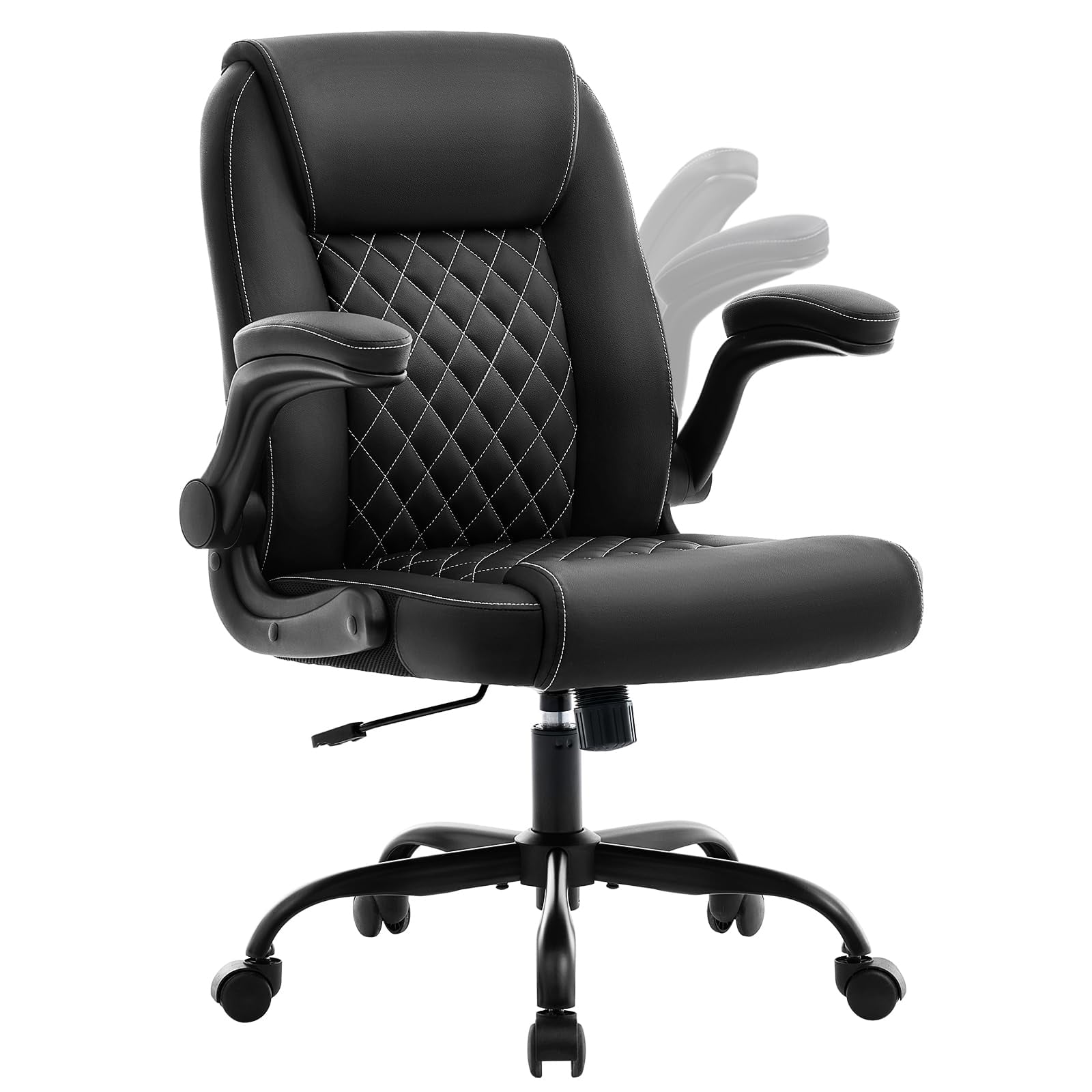
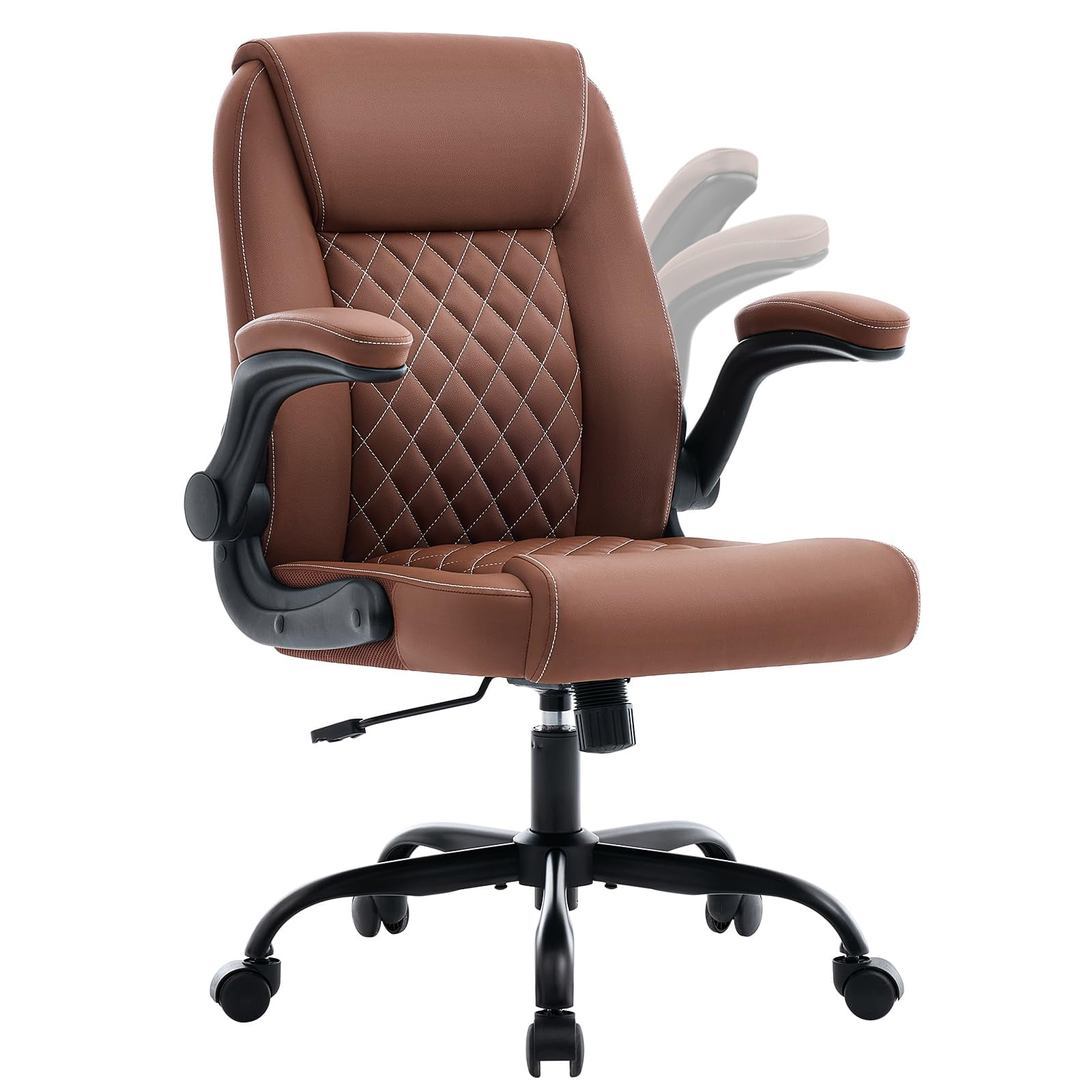
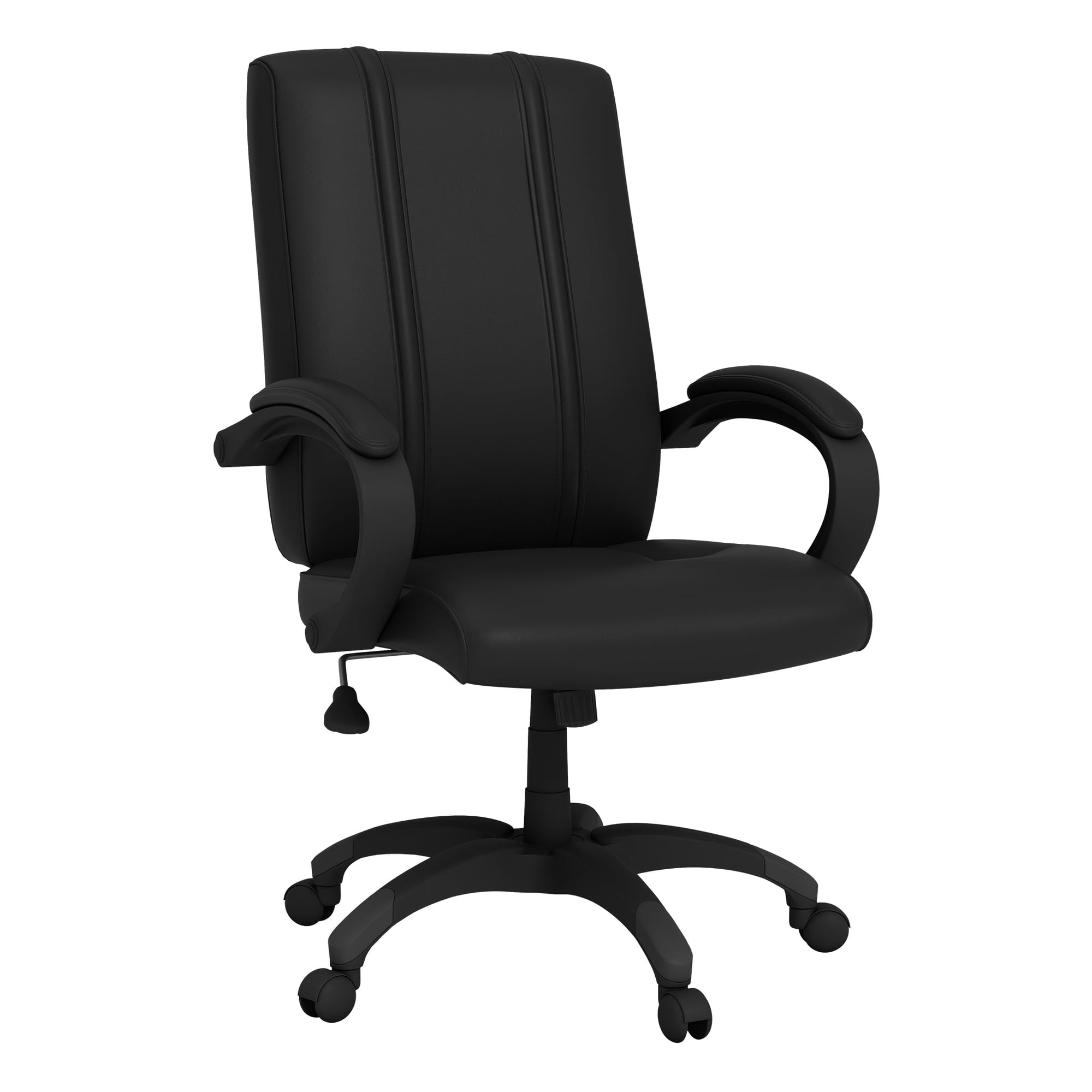
The Executive Statement: Why Leather Matters
Walking into your office, the first thing a client or colleague notices isn't just you—it's the environment you've curated. And at the center of that environment is your chair. An executive leather office chair is more than a place to sit; it's a symbol of your position, a testament to your attention to quality, and the command center for your daily decisions. It's the throne from which you lead.
But beyond its commanding presence, leather offers a unique value proposition. Unlike fabric that can stain or mesh that can sag, premium leather develops a rich patina over time, telling the story of your career. It's an investment in both your image and your physical well-being. In this guide, we'll move beyond the basics to explore the nuances of choosing a leather chair that will serve you for a decade or more.
The Anatomy of a Premium Leather Executive Chair
A truly great leather chair is defined by three core pillars: the quality of its leather, the integrity of its ergonomic engineering, and the durability of its construction. Let's dissect each element.
1. Decoding Leather Quality: Full-Grain vs. Top-Grain vs. Bonded
The term "leather" can be misleading. Understanding the grade of leather is crucial to making a wise investment. Think of it like buying a car: you can get a reliable sedan, or you can get a luxury performance vehicle. Both get you from A to B, but the experience and longevity are vastly different.
- Full-Grain Leather: This is the crème de la crème. It's the top layer of the hide, retaining all its natural grain, markings, and strength. It's incredibly durable, breathable, and develops a beautiful patina with age. For the executive who wants the absolute best and appreciates natural character, this is the choice. It's the "leather that gets better with time."
- Top-Grain Leather: The second-highest quality, top-grain leather is sanded and buffed to remove imperfections, creating a more uniform, "perfect" look. It's slightly thinner than full-grain but still very durable and a fantastic choice for a premium executive chair. It offers a sleek, consistent appearance that fits most modern executive offices.
- Bonded or Faux Leather: These are budget-friendly alternatives. Bonded leather is made from leather scraps mixed with polyurethane, while faux leather (like PU or vinyl) is entirely synthetic. While they can look the part initially, they lack the breathability, durability, and prestige of genuine leather and may crack or peel within a few years.
Executive Insight: When you see the price of a chair vary widely, the leather grade is often the primary reason. A $500 "leather" chair is almost certainly using bonded leather, while a $1,500+ chair should feature top-grain or full-grain leather.
2. Ergonomic Engineering for the Long Haul
A beautiful chair that causes back pain is a beautiful mistake. Executive leather chairs are designed for long hours, often involving intense focus and high-stakes meetings. Modern ergonomics are seamlessly integrated into their luxurious design.
- Advanced Lumbar Support: The hallmark of a good executive chair is its lumbar support. Look for a system that is not just height-adjustable, but also offers depth adjustment. This allows you to fine-tune how much the support pushes into your lower back, ensuring the chair perfectly fills the natural curve of your spine.
- Multifunctional Mechanism: This is the brains of the chair. A synchronized mechanism allows the seat and backrest to move in concert as you recline, providing continuous support for your body. Look for adjustable recline tension so you can customize the resistance to your weight and preference.
- 4D Adjustable Armrests: Your arms should rest comfortably while typing, reading, or thinking. "4D" armrests allow you to adjust them up/down, forward/back, left/right (width), and even pivot them inwards or outwards. This ensures your elbows and shoulders remain in a neutral, relaxed position.
Did You Know? According to a study in the Journal of Physical Therapy Science, proper ergonomic seating with adjustable lumbar support can reduce spinal disc pressure by up to 35%, significantly lowering the risk of chronic lower back issues for professionals who sit for extended periods.
3. Construction and Durability: The Hidden Strengths
Underneath the beautiful leather lies the chair's skeleton, which determines its longevity and stability.
- The Base: A five-star base is standard, but the material matters. A polished aluminum or heavy-duty nylon base signals quality and strength. Avoid thin, plastic bases on chairs in this category.
- Gas Lift Mechanism: This is the cylinder that allows you to adjust the height. Premium chairs use Class 4 or Class 5 gas lifts, which are tested for thousands of cycles and higher weight capacities, ensuring a long and safe lifespan.
- Casters: The wheels should match your floor type. Softer, urethane casters are designed for hard floors (wood, tile) to prevent scratching, while standard casters work well on carpet. High-end chairs often provide a set of both.
Leather vs. The World: A Real-World Comparison
How does leather stack up against other popular materials for the busy executive? Let's look at a practical comparison.
| Material | Professional Image | Long-Term Durability | Maintenance Effort | Temperature Comfort |
|---|---|---|---|---|
| Premium Leather (Top/Full-Grain) | ⭐⭐⭐⭐⭐ (Unmatched, traditional authority) | ⭐⭐⭐⭐⭐ (10-15+ years with care) | ⭐⭐ (Requires occasional conditioning) | ⭐⭐⭐ (Can be warm in summer, cool in winter) |
| High-End Mesh | ⭐⭐⭐ (Modern, tech-forward) | ⭐⭐⭐⭐ (7-10 years) | ⭐⭐⭐⭐ (Very easy, dust with cloth) | ⭐⭐⭐⭐⭐ (Excellent breathability) |
| Premium Fabric | ⭐⭐⭐ (Casual, cozy) | ⭐⭐⭐ (5-8 years, prone to wear and stains) | ⭐⭐ (Requires professional cleaning) | ⭐⭐⭐⭐ (Warm and comfortable) |
A Guide to Choosing Your Perfect Leather Chair
Making a final decision can feel overwhelming. Follow this simple, step-by-step guide to find your perfect match.
- Assess Your Environment and Image: Is your office traditional with dark wood, or modern with glass and chrome? A classic, high-back black or brown leather chair suits a traditional setting, while a sleek, modern design in a lighter leather like cognac might be perfect for a contemporary space.
- Prioritize Your Physical Needs: Do you have existing back issues? Make adjustable lumbar support your top non-negotiable. Do you spend hours on the phone? 4D armrests become critical. Your health needs should guide your feature checklist.
- Set a Realistic Budget for Leather: Remember, you're investing in leather. Set a budget that allows for at least top-grain quality. A budget of $800-$2,000 is the sweet spot for a chair that will provide genuine leather, robust ergonomics, and lasting durability.
- Verify the "Invisible" Specs: Before you buy, check the warranty (10 years or more is ideal for the frame), the weight capacity (minimum 300 lbs), and the gas lift class (Class 4 or 5). These are the hallmarks of a chair built to last.
Frequently Asked Questions About Executive Leather Office Chairs
Conclusion: Your Legacy in Leather
Choosing an executive leather office chair is a decision that blends personal comfort, professional image, and long-term value. It's not just a purchase; it's an investment in your daily performance and the statement your office makes. By understanding the nuances of leather grades, the importance of advanced ergonomics, and the signs of quality construction, you are now equipped to make a choice you'll be happy with for years to come. A great leather chair isn't just where you work; it's a partner in your success.