
Beyond the Cushion: What Defines the Most Comfortable Office Chair Seat?
When searching for the office chair with the most comfortable seat, it's easy to assume that "more padding equals more comfort." However, the reality is far more nuanced. True seat comfort is a sophisticated interplay of materials, ergonomic design, and adjustability. Think of it like a high-performance mattress for your office—it needs to support you in all the right places while providing a plush, pressure-relieving surface.
Ergonomic Insight: Studies show that discomfort from office seating is the leading cause of workplace distraction. A seat that properly distributes weight can reduce peak pressure points by up to 50%, directly correlating with improved focus, reduced fidgeting, and a significant drop in reported back and hip pain.
Key Elements of a Superlative Office Chair Seat
Several components work in harmony to create the ultimate seating experience. Here are the critical features that separate a good seat from a truly great one:
1. Advanced Cushioning Materials
- High-Density Polyurethane Foam: The gold standard for durability and support. It resists sagging and provides consistent, firm support year after year.
- Memory Foam Layer: Often used as a top layer, memory foam conforms to your unique shape, offering personalized pressure relief and a sensation of being cradled.
- Gel-Infused Foam: This combines the contouring of memory foam with gel particles that actively dissipate heat, keeping the seat surface cool and comfortable for extended periods.
- Natural Latex: A premium, eco-friendly option that offers a responsive, springy feel with excellent breathability and resilience.
2. Ergonomic Seat Contouring
- Waterfall Edge Design: The front edge of the seat curves downward, preventing it from cutting into the back of your thighs. This promotes healthy blood circulation and reduces pressure on your legs.
- Contoured Basin: A subtle depression in the center of the seat helps center your pelvis and maintain proper posture, preventing you from sliding forward.
- Optimal Seat Width and Depth: A seat that's too narrow causes pinching, while one that's too deep can strain your lower back. Look for adjustable seat depth for a perfect fit.
3. Premium Upholstery Choices
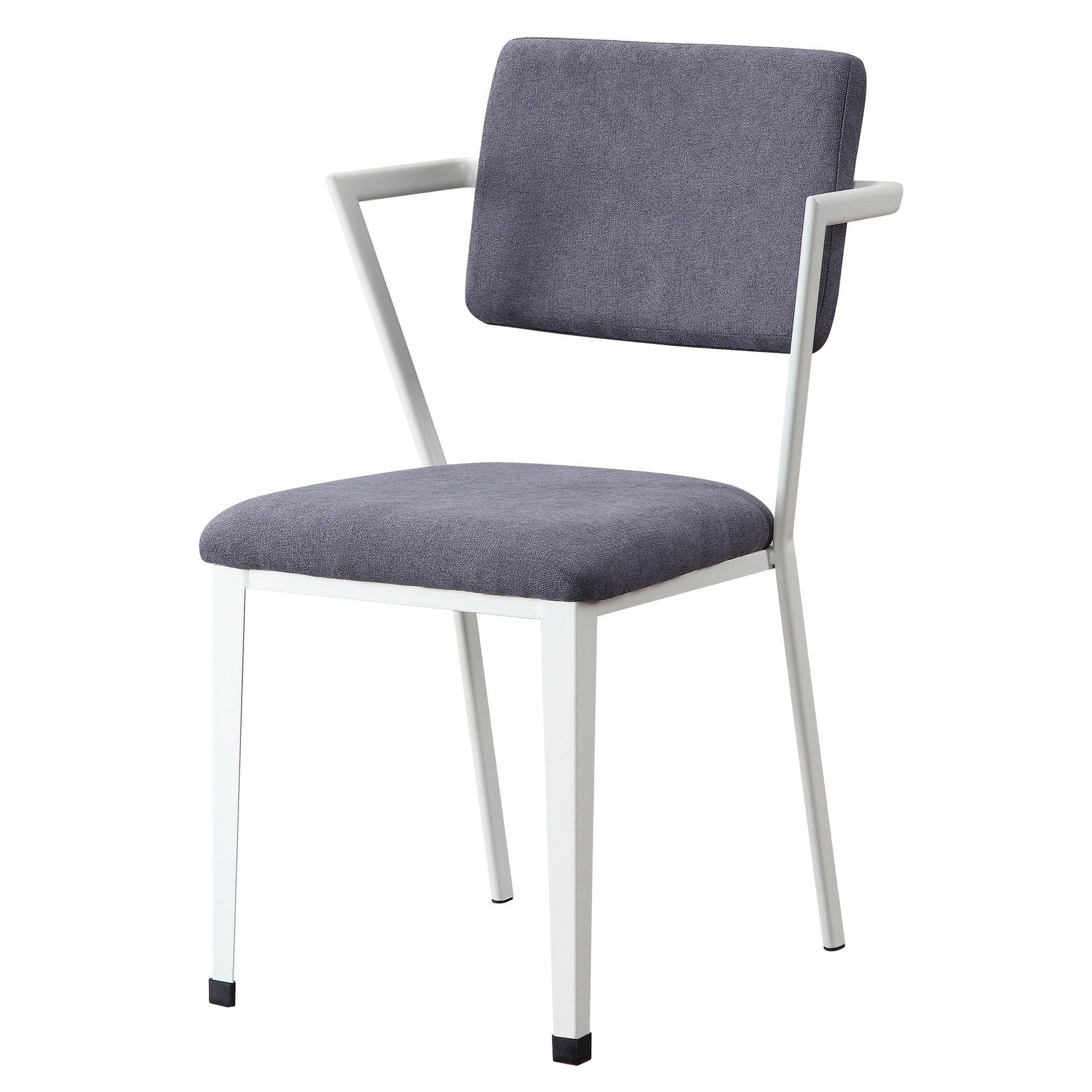
- Breathable Textile Fabric: High-quality, woven fabrics offer excellent breathability, softness, and are often treated for stain resistance. Ideal for warm climates or those who tend to overheat.
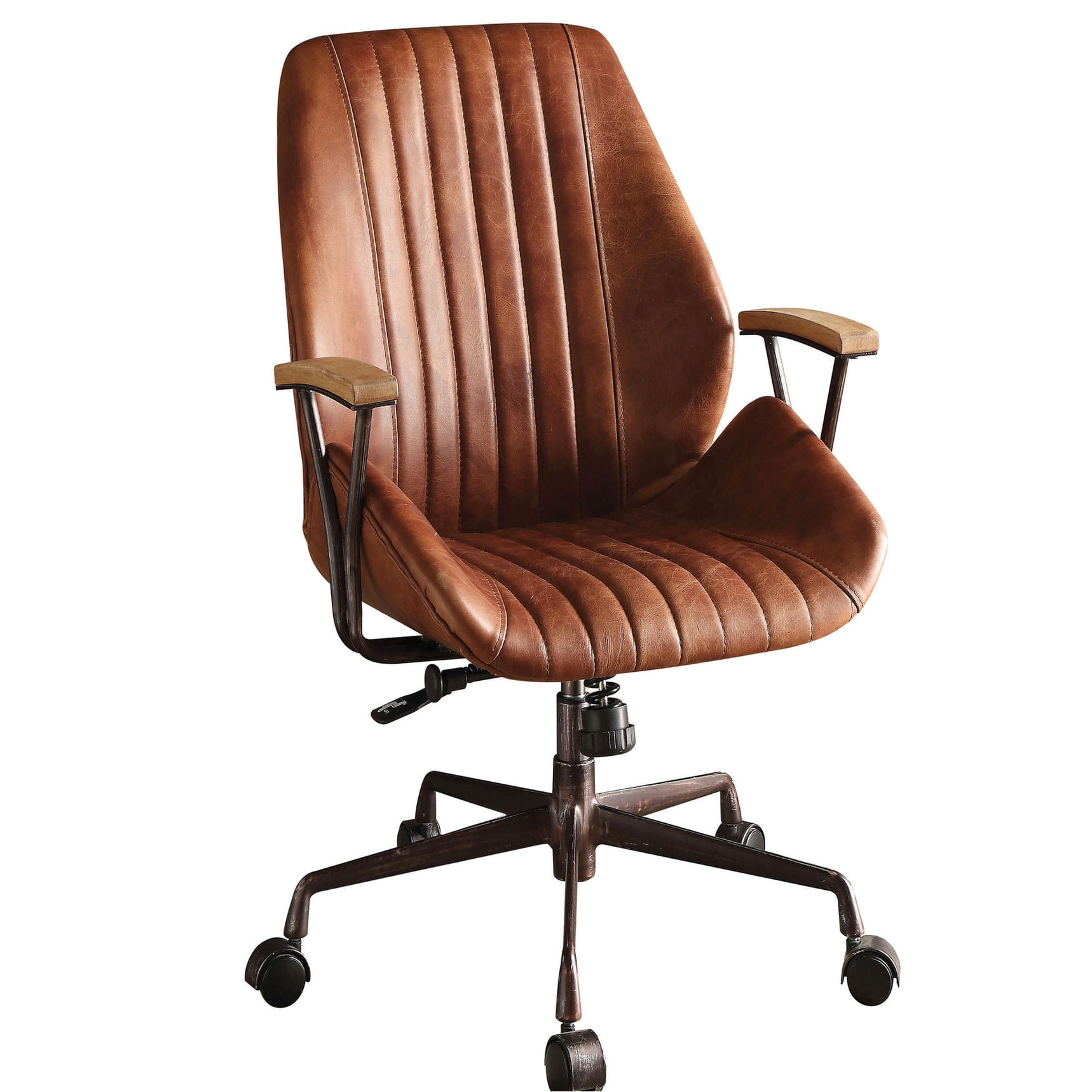
- Top-Grain Leather: Offers a luxurious feel and durability. It molds to your body over time, creating a custom fit. However, it can be less breathable than fabric or mesh.
- High-End Mesh: For the seat pan, this is less common but used in high-performance chairs for maximum airflow and a firm, supportive feel.
The Anatomy of a Pain-Free Sitting Experience
Beyond the cushion itself, the overall chair design contributes to how comfortable the seat feels over a 9-to-5 workday. The seat doesn't work in isolation. Here's how a comfortable seat integrates with the rest of the chair:
- Synchronized Tilt Mechanism: Allows the seat and backrest to move together, maintaining a constant angle between your torso and thighs. This reduces pressure on your hips and spine as you recline, ensuring the seat remains comfortable in any position.
- Adjustable Lumbar Support: Proper lower back support works hand-in-hand with the seat. When your spine is correctly aligned, the seat's contouring can function optimally, distributing weight evenly and preventing slouching.
- 4D Armrests: Adjustable armrests take weight off your shoulders and spine, allowing your pelvis to settle comfortably into the seat without being loaded with additional upper-body tension.
Choosing the Right Seat for Your Body Type
The "most comfortable seat" is subjective and depends heavily on your individual physique and needs. Use this guide to narrow your search:
| User Profile | Key Seat Feature to Prioritize | Why It Matters |
|---|---|---|
| Petite Individuals | Seat Depth Adjustment (Shorter depth) | Ensures you can sit back against the lumbar support without the seat edge pressing into your knees. |
| Taller Individuals | Generous Seat Depth & Height | Provides adequate thigh support and allows the waterfall edge to fall at the correct point behind the knee. |
| Heavier Users | High-Density Foam, Reinforced Frame | Prevents premature cushion flattening and provides durable, stable support that doesn't sag over time. |
| Users with Back or Hip Pain | Contoured Seat Basin & Pressure-Relieving Foam | Helps maintain pelvic alignment and reduces pressure points that can exacerbate sciatica or hip discomfort. |
| Hot Sleepers / Warm Climate | Breathable Fabric or Gel-Infused Foam | Prevents heat and moisture buildup, keeping you cool and comfortable for longer periods. |
Your 5-Step Action Plan to Finding the Most Comfortable Office Chair Seat
Where do you feel discomfort? Is it in your tailbone? Under your thighs? Your lower back? Identifying the specific problem areas will guide you to the features that matter most, such as a cut-out in the seat for tailbone relief or a waterfall edge for thigh pressure.
A seat with fixed dimensions is a gamble. Prioritize chairs with adjustable seat depth and, ideally, an adjustable lumbar support. This allows you to fine-tune the chair to your body, ensuring the seat's comfort features are properly utilized.
When you sit on the chair in a showroom, press down on the cushion and watch how quickly it returns to shape. A high-quality foam will spring back immediately. If it leaves a temporary indentation or feels like it's bottoming out, it will not provide long-term support.
If possible, sit in the chair for a significant amount of time. The first few minutes might feel great, but a truly comfortable seat will continue to feel supportive after 15 minutes. Pay attention to any developing pressure points.
A manufacturer's confidence in their product is reflected in the warranty. Look for warranties that specifically cover the foam and gas lift for at least 5-10 years. This is a strong indicator that the seat is built to last.