
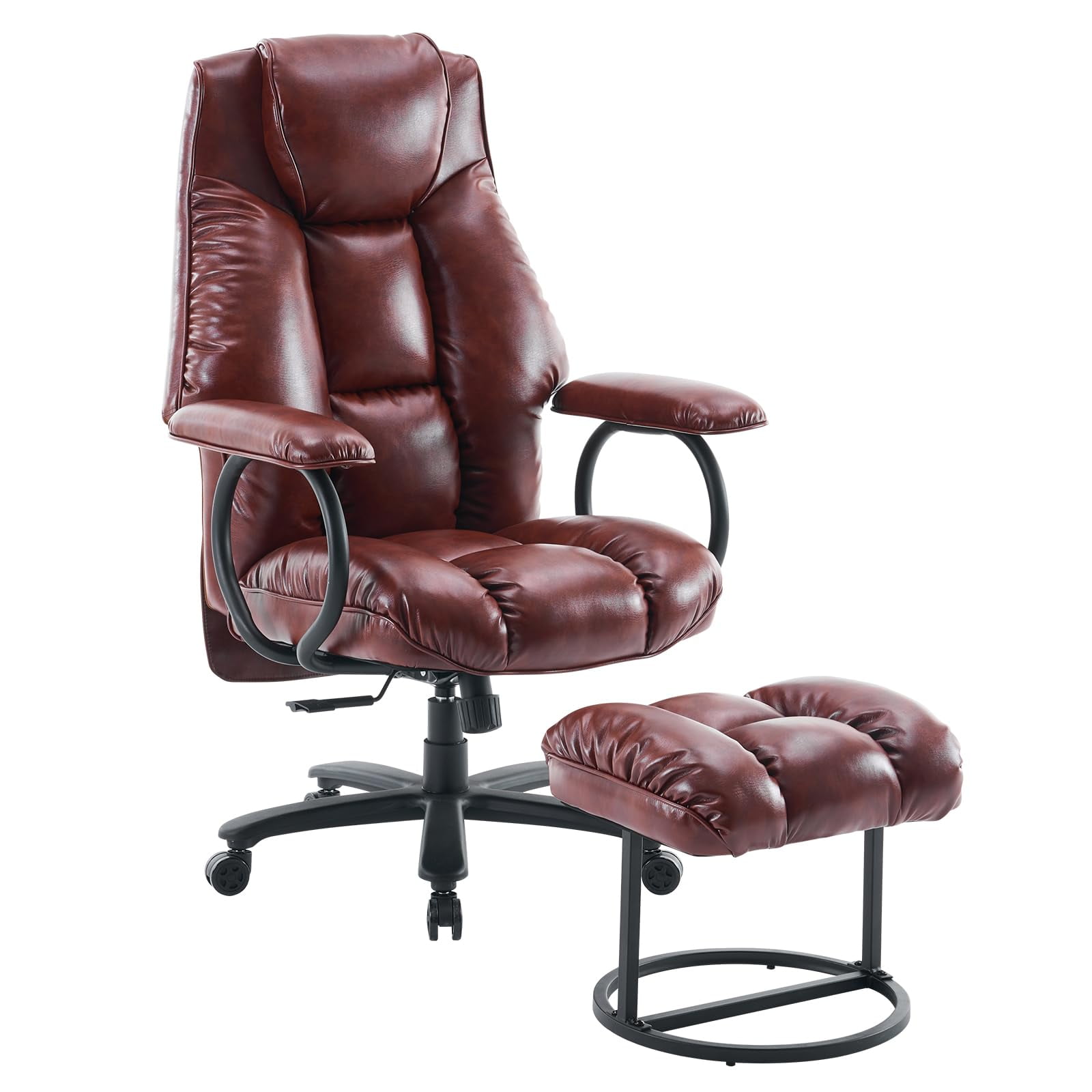
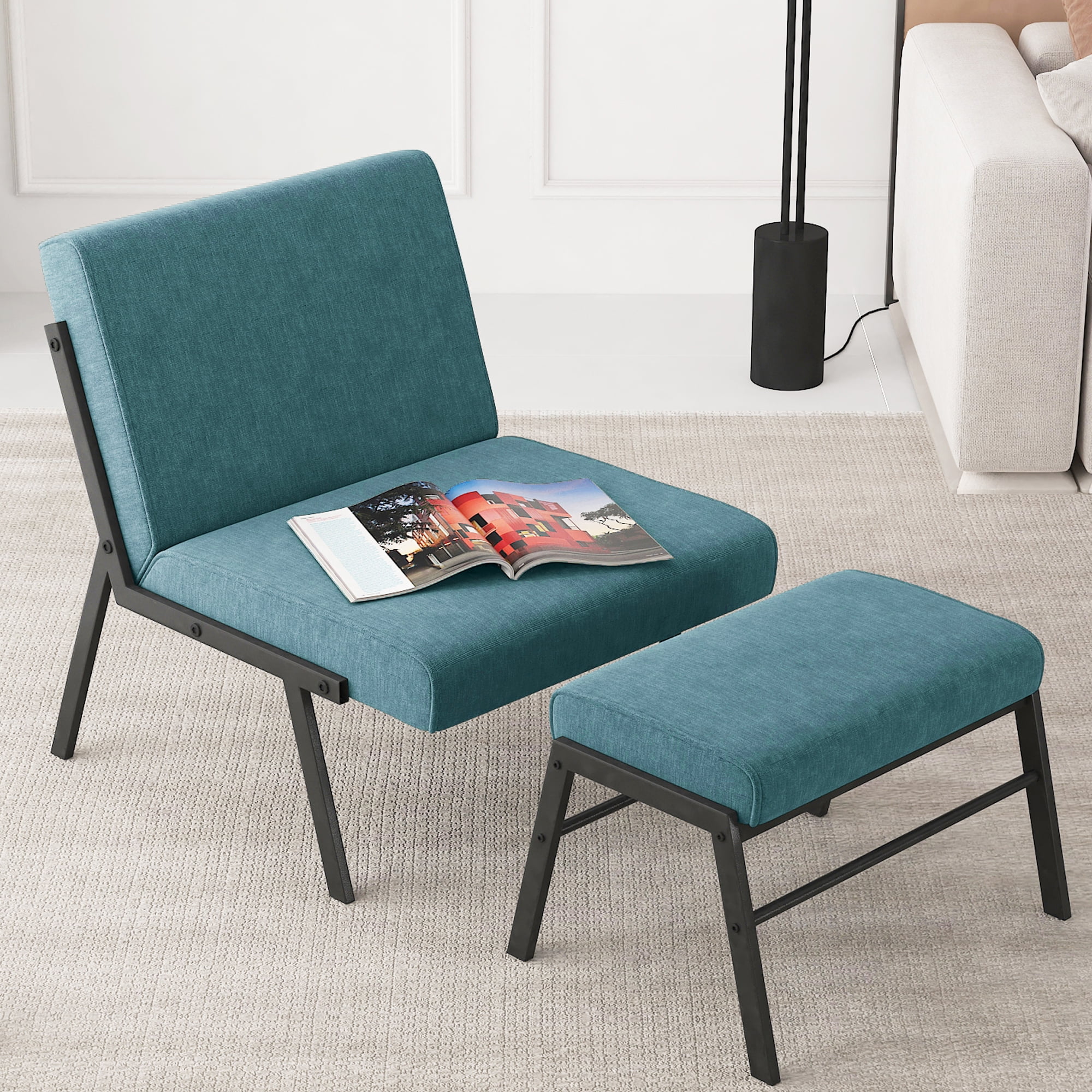
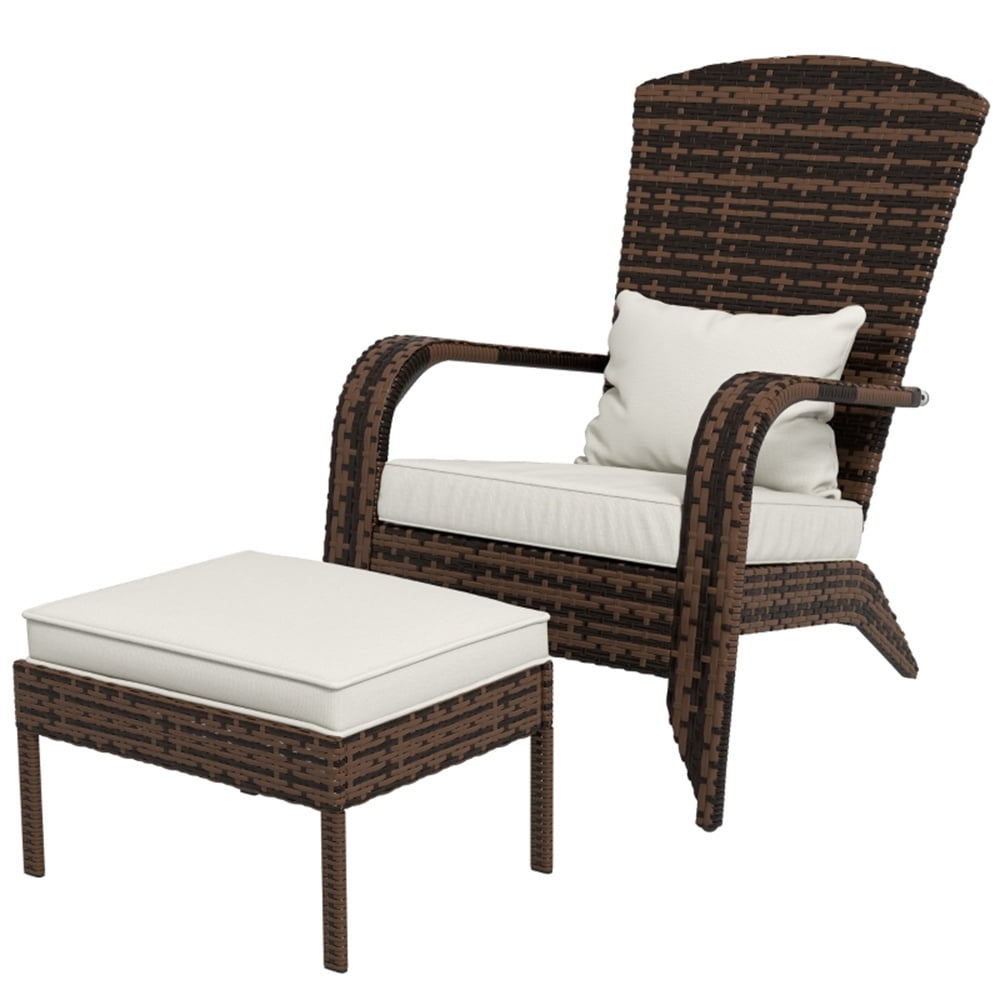
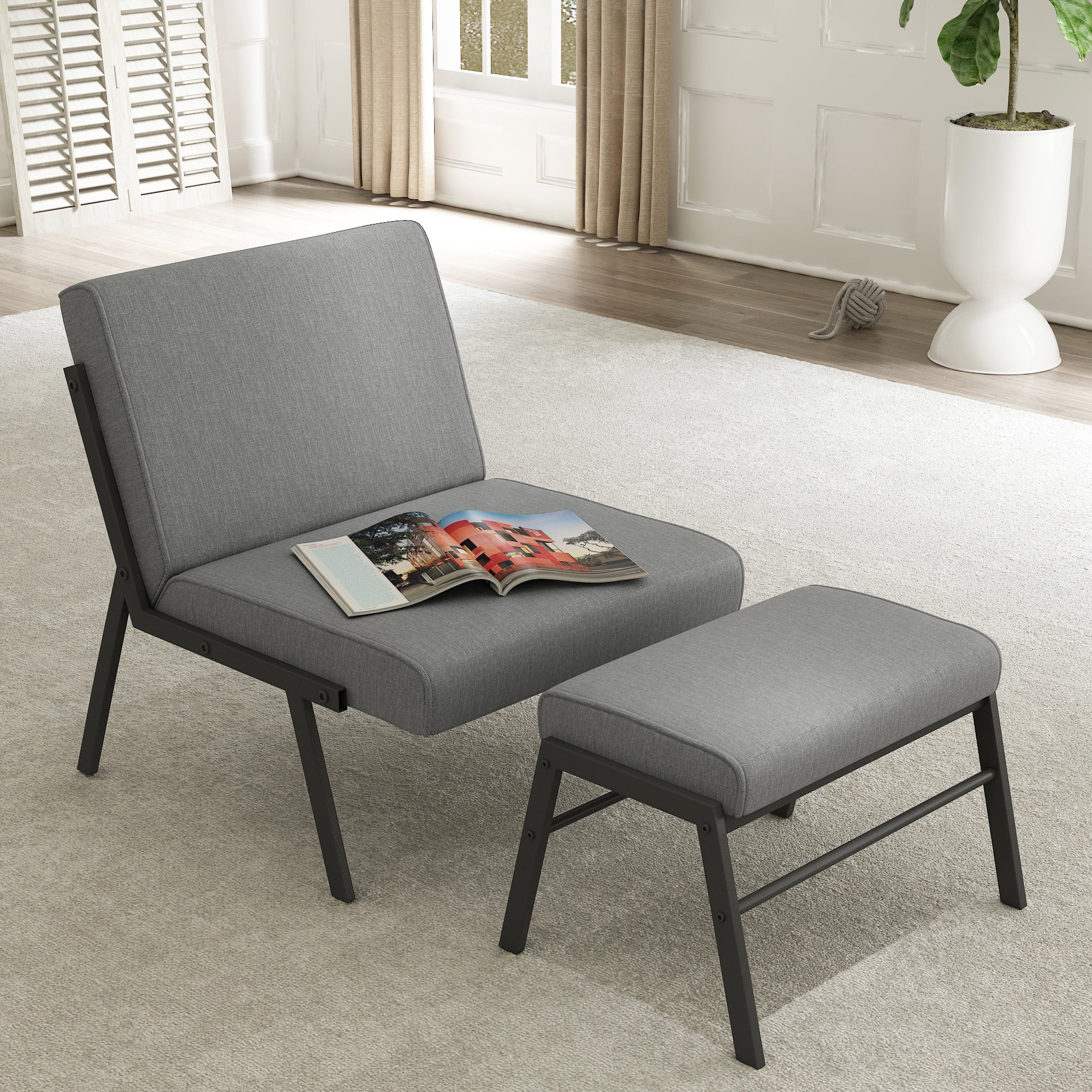
The Complete Guide to Office Chairs With Ottomans
Imagine this: you’re deep in a project, and a wave of fatigue hits your lower back and legs. Instead of pushing through the discomfort or getting up for a brief, unsatisfactory stretch on the floor, you simply slide out the built-in ottoman, recline slightly, and let your legs rest horizontally for ten minutes. You return to your task refreshed and re-energized. This is the simple, powerful promise of an office chair with an ottoman. It bridges the gap between a traditional work chair and a personal relaxation station, acknowledging that peak productivity isn't about being static—it's about being comfortably dynamic.
For years, the concept of a footrest in the office was an afterthought—a separate, often wobbly plastic stool kicked under the desk. But modern desk chairs with built-in footrests have revolutionized the concept. They integrate the ottoman seamlessly into the chair's design, making it an intuitive part of your workflow. Whether you're a home office user, an executive seeking the pinnacle of comfort, or someone dealing with the physical strains of a sedentary job, this guide will walk you through everything you need to know to choose the perfect model.
The "Work-Lounge" Analogy: Why Your Chair Needs a Dual Personality
Think of a standard office chair as a pair of formal dress shoes. They look professional and are fine for a few hours, but by the end of a long day, your feet are screaming for relief. An office chair with an ottoman is like having a pair of high-quality sneakers hidden under your desk. When you need to present or focus intensely, the ottoman is stowed away, and the chair functions as a professional, ergonomic task chair. But when you need a mental or physical break, the "sneakers" come out. You can put your feet up, shift your posture, and give your body a moment to decompress without ever leaving your workspace. This duality is crucial. According to a study by the National Institutes of Health, alternating between sitting positions throughout the day can reduce perceived discomfort by up to 30% and improve overall focus.
Beyond the Footrest: Key Features That Define Quality
Not all chairs with ottomans are created equal. A cheap model might feel flimsy, while a well-engineered one can feel like a first-class seat. Here are the critical components to evaluate:
- The Ottoman Mechanism: This is the heart of the chair. There are two main types: pull-out (slides out from under the seat on rails) and flip-up/recline-integrated (often part of the chair's recline system, flipping up from the front). Look for a mechanism that feels sturdy, glides smoothly, and locks securely in place. A wobbly ottoman defeats its purpose.
- The Recline Sync: The best reclining office chairs with footrests offer a synchronized mechanism. This means that as you push the chair back, the ottoman extends, and the backrest reclines in a coordinated, natural motion that supports your body's pivot points. This prevents the uncomfortable "jackknife" feeling where your torso goes back but your legs stay down.
- Material & Padding: Since you'll be sitting for extended periods, high-density foam cushioning is non-negotiable. It should be firm enough to provide support but soft enough for comfort. For upholstery, breathable materials like high-quality mesh or top-grain leather (which doesn't trap heat like bonded leather) are excellent choices.
- Weight Capacity & Base: An integrated ottoman adds weight and complexity. Ensure the chair has a heavy-duty, five-star base (often made of metal or reinforced nylon) and smooth-rolling casters suitable for your floor type. Look for a weight capacity that comfortably exceeds your needs, typically 300 lbs or more for enhanced durability.
4 Steps to Finding Your Perfect Ergonomic Office Chair With Ottoman
Use this straightforward guide to narrow down your options and make a confident purchase.
- Step 1: Assess Your Space: Measure the area under and around your desk. Even with the ottoman stowed, the chair's base might be slightly larger. When the ottoman is extended, you'll need roughly 20-24 inches of clearance in front of your desk. A small office might benefit from a chair with a compact, flip-up ottoman rather than a long slide-out one.
- Step 2: Define Your "Relaxation Mode": How do you envision using the footrest? For quick, 5-minute leg elevation while you answer emails? A simple pull-out ottoman is perfect. For full-blown 30-minute power naps or deep focus sessions while almost lying down? You need a multi-position reclining office chair with a footrest that can lock at various angles, sometimes up to 170 degrees.
- Step 3: Prioritize Ergonomic Adjustments: The ottoman is a feature, but the chair must still function as an ergonomic workstation. Ensure it has:
- Adjustable lumbar support (crucial for lower back health).
- Seat height adjustment to keep your thighs parallel to the floor.
- Seat depth adjustment so there's a 2-3 finger gap between the back of your knee and the seat edge.
- 4D armrests (adjustable in height, width, depth, and angle) to support your arms while typing or relaxing.
- Step 4: Read Reviews on the Mechanism: Pay special attention to user reviews mentioning the ottoman's long-term durability. Look for phrases like "still slides smoothly after 6 months" or "locking mechanism feels secure." This is the most mechanically complex part of the chair and a common failure point on cheaper models.
Health at Work: The Tangible Benefits of Leg Elevation
Bringing your feet up isn't just about feeling pampered; it's a legitimate health intervention for desk workers. When you sit with your feet flat on the floor, gravity works against the veins in your legs, making it harder for blood to return to your heart. This can lead to blood pooling in the lower legs, causing fatigue, achiness, and even swelling (edema) by the end of the day. Elevating your legs on an ottoman uses gravity to your advantage, facilitating venous return and reducing the workload on your heart.
Did You Know? A study published in the *International Journal of Occupational Safety and Ergonomics* found that using a footrest significantly reduced discomfort in the lower back, thighs, and buttocks among visual display unit (VDU) operators. Participants reported a 40% decrease in overall physical discomfort after incorporating foot support into their routine.
Furthermore, for individuals with lower back pain, reclining with legs elevated can open up the lumbar spine, reducing the compressive forces on the intervertebral discs by as much as 50% compared to upright sitting. This makes an ergonomic office chair with ottoman a powerful tool for both preventing and managing chronic back issues.
Frequently Asked Questions About Office Chairs With Ottomans
Final Verdict: Is an Ottoman-Equipped Chair Right for You?
Choosing an office chair with ottoman is a decision to prioritize your physical well-being and redefine what comfort means in a workspace. It's an admission that you are not a machine, but a human who needs to move, stretch, and rest, even while at work. For the home office user who takes power naps, the executive who hosts long strategic meetings, or the programmer pulling all-nighters, the benefits are immense.
The key is to view the ottoman not as a gimmick, but as a critical feature of a holistic ergonomic setup. Focus on the quality of the mechanism, the robustness of the chair's core ergonomics (lumbar support, adjustability), and the durability of the materials. By doing so, you're not just buying a chair; you're investing in a more comfortable, productive, and healthier work life. Explore the top-rated models below to find your perfect match.