
The Rise of the Office Nap Chair: Why Smart Companies Embrace Rest
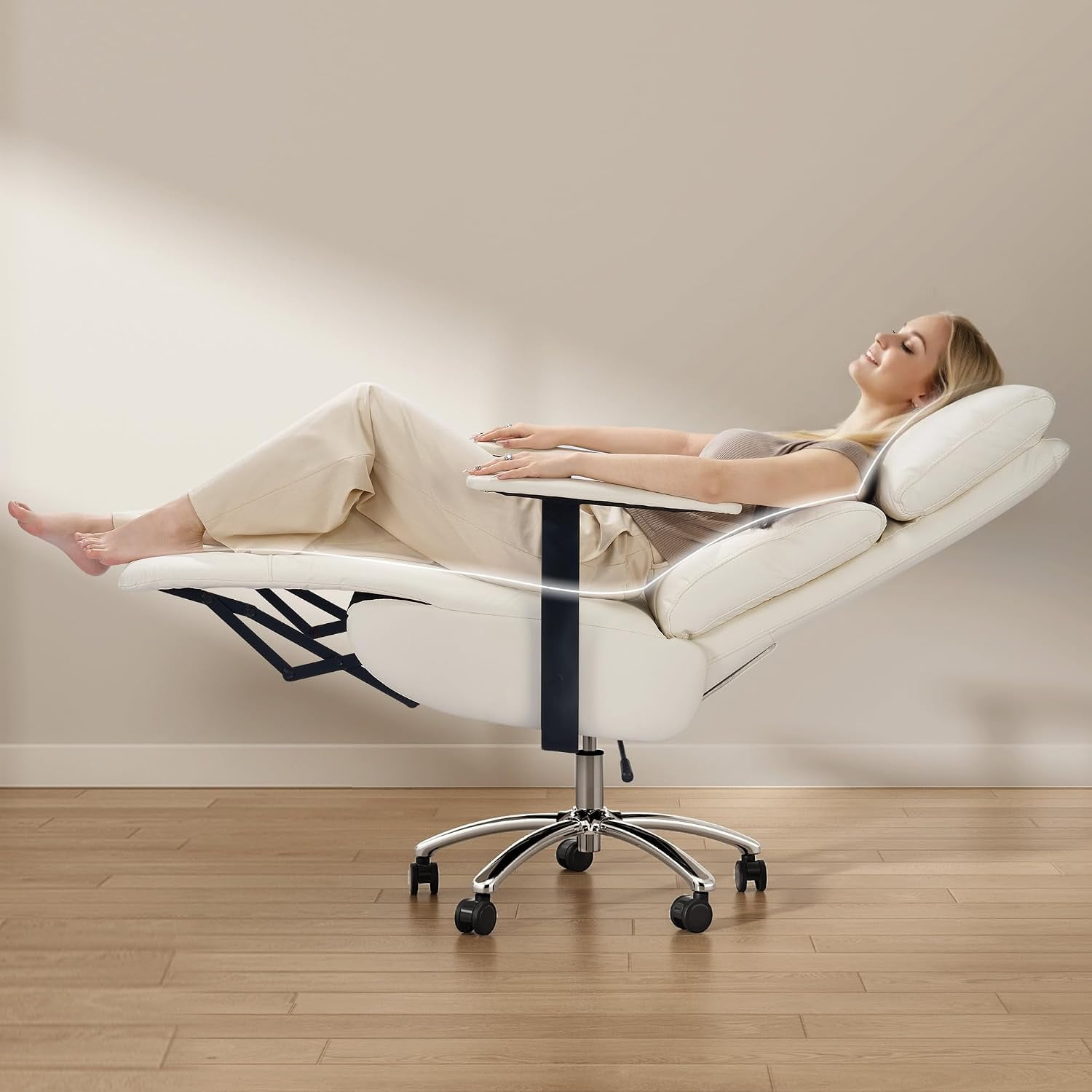
Imagine this: it's 2:30 PM, your energy dips, and your focus starts to blur. Instead of reaching for a third cup of coffee, you lean back in your office nap chair, recline to a comfortable 150°, close your eyes for 15 minutes, and wake up refreshed. This isn't a luxury—it's a productivity strategy. The modern workforce is finally acknowledging what science has proven for decades: a short nap boosts cognitive function, memory, and creativity by up to 40% (according to a 2023 study from the National Sleep Foundation).
An office nap chair is specifically designed for this purpose. Unlike a standard task chair that only tilts slightly, these chairs feature extended recline ranges (often 140° to 180°), padded headrests or integrated pillows, and stable bases that keep you secure even when fully laid back. They are the bridge between the corporate world and wellness culture.
Did you know? Companies like Google, Ben & Jerry's, and Uber have installed nap pods and quiet rooms. A quality office nap chair in your home office can similarly transform your afternoon workflow, reducing errors and boosting output.
Key Anatomy of an Office Nap Chair: What Sets It Apart?
Not every reclining chair is suitable for the office. A true office nap chair must excel in three areas: work-mode ergonomics, nap-mode comfort, and seamless transition. Here's a detailed breakdown of features you must evaluate:
- Multi-Position Recline Mechanism: Look for infinite lock positions between 90° and 150°. The best chairs offer a "zero-gravity" position where your legs are elevated above your heart, reducing spinal pressure.
- Integrated Headrest & Lumbar Support: Napping requires proper neck alignment. A pillow-style headrest (adjustable or fixed) prevents neck strain. Lumbar support should remain effective even when reclined.
- Stable Base & Casters: A five-star base is non-negotiable. For napping, the chair must not tip. Some models feature lockable casters or a stable glider mechanism to prevent rolling while you rest.
- Breathable Upholstery: You'll generate heat while sleeping. Mesh or breathable fabric (or high-quality leather with perforation) keeps you cool. Avoid sticky synthetic leather that causes sweat.
- Quiet Operation: A nap chair should recline silently. Pneumatic or smooth mechanical levers are better than loud ratcheting systems.
Analogies to Understand the Mechanics
Think of an office nap chair like a high-end car seat. In driving mode (work), it's firm, supportive, and upright. But when you engage the relaxation mode (nap), the seat extends, the lumbar adjusts, and the headrest cradles you—all while maintaining safety and stability. The best chairs are like the "first-class seat" of the office: they transform your break into a mini-vacation.
Quick Guide: Recline Angles and Their Benefits
| Recline Angle | Best For | Typical Use Case |
|---|---|---|
| 90° - 100° | Active work, typing, meetings | Upright ergonomic position |
| 100° - 120° | Casual sitting, reading, thinking | Relaxed focus, phone calls |
| 120° - 140° | Deep relaxation, meditation | Power nap prep, decompressing |
| 140° - 160° | Short sleep (10-20 min) | Core nap mode, zero-gravity feel |
| 160° - 180° | Near-flat sleeping | Extended rest (only for private offices) |
Health and Productivity Benefits: Why You Need One
⚡ Cognitive Reboot
A 20-minute nap improves alertness and performance by up to 40%, according to NASA research on pilots. An office nap chair makes this reboot accessible without leaving your workspace.
❤️ Spinal Decompression
Sitting all day compresses your spine. Reclining in a zero-gravity position (feet slightly raised) reduces intradiscal pressure by over 80%, relieving lower back tension.
😌 Stress Reduction
Even 10 minutes of horizontal rest lowers cortisol levels. A dedicated nap chair signals your brain that it's safe to relax, reducing overall work-related anxiety.
📈 Creativity Boost
The hypnagogic state (the transition to sleep) is linked to creative insights. Many inventors and writers use brief naps to solve problems. A nap chair facilitates this creative threshold.
5-Step Selection Guide: Finding Your Perfect Office Nap Chair
- Assess your space: Measure the area behind your desk. A fully reclined chair needs at least 4-5 feet of clearance. Consider a wall-avoidance mechanism if space is tight.
- Prioritize the recline mechanism: Test (or read reviews about) how smoothly it reclines. Pneumatic or lever-controlled infinite lock is superior to spring-based tension knobs.
- Check material durability: If you nap daily, upholstery will wear. Look for high-use rated fabric (100,000+ double rubs) or top-grain leather. Mesh is great for hot sleepers.
- Evaluate the headrest: Does it adjust? A 2-way or 3-way headrest (height and angle) ensures your neck is supported in both upright and reclined positions.
- Warranty & construction: Since recliners have more moving parts, opt for a brand that offers at least 5 years on mechanics and 10 years on the frame. Steel frames outlast wood or plastic.
Important: Affiliate Compliance Reminder
We never list specific prices or ratings in our editorial content. Pricing and real-time ratings are dynamically fetched from the Walmart API in the product grid above. This ensures you get accurate, up-to-date information while we adhere to affiliate guidelines. Always check the product page for current deals.
Materials & Upholstery: Choosing What's Right for Napping
The material of your office nap chair affects hygiene, comfort, and longevity—especially if you plan to rest your head against it daily.
- Breathable Mesh: Ideal for warm offices or if you tend to get warm while sleeping. Mesh allows airflow, preventing sweat. However, it may not feel as "plush" as fabric.
- Performance Fabric (Polyester/olefin): Stain-resistant, durable, and soft. Many modern nap chairs use these for a cozy yet professional look.
- Top-Grain Leather: Luxurious and easy to wipe clean. Leather conforms to body temperature over time, but it can be cold initially. Ensure it's not "bonded leather," which peels.
- Velvet or Chenille: Extremely cozy and inviting. Great for home offices or creative agencies, but less common in traditional corporate settings due to maintenance.
Office Nap Chair vs. Traditional Recliner: What's the Difference?
You might wonder: can't I just use a living room recliner? Technically yes, but office nap chairs are designed for the desk environment. They have smaller footprints, wheels for mobility, and adjustable arms that slide under desks. Traditional recliners are bulkier, lack ergonomic task seating, and often don't have the same level of lumbar adjustability. An office nap chair is a hybrid: it fits the aesthetic of a workspace while offering the restorative function of a lounge chair.
Frequently Asked Questions About Office Nap Chairs
Conclusion: Invest in Rest, Reap the Rewards
An office nap chair is not just a piece of furniture; it's an investment in your daily well-being and long-term productivity. By allowing yourself to strategically disconnect and recharge, you return to work with sharper focus and renewed energy. Whether you're a CEO needing a quiet moment, a freelancer battling the afternoon slump, or a company looking to boost employee morale, the right nap chair can transform your work environment. Explore the dynamic product grid above to find models that fit your style, space, and ergonomic needs. Remember, the best chair is the one you'll actually use—so choose comfort, quality, and smart design.