
The Ultimate Guide to Choosing an Office Chair to Cross Legs
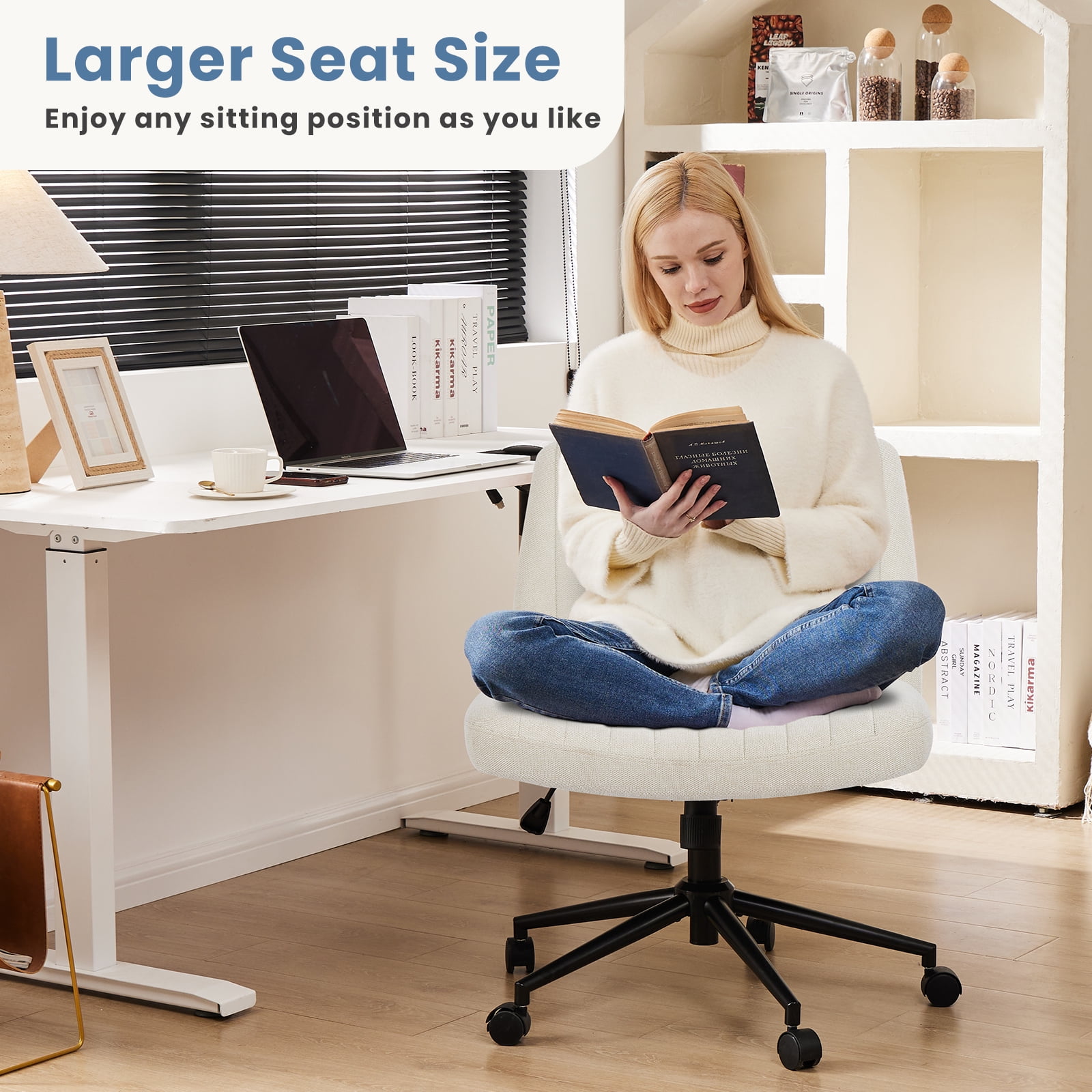
For many people, sitting cross-legged is a natural, comfortable, and even productive posture. However, most standard office chairs are not designed to accommodate this position, leading to discomfort, slouching, and even health issues. Finding the right office chair to cross legs is crucial for anyone who prefers this sitting style. This guide will walk you through everything you need to know to select the perfect chair that supports your posture and enhances your workday.
Did You Know? A survey found that over 30% of office workers prefer to sit cross-legged at some point during the day. However, 70% of them reported discomfort because their chairs weren't suited for it. Choosing a chair designed for this posture can transform your daily comfort and productivity.
Why Standard Chairs Fail for Cross-Legged Sitting
Standard office chairs are typically designed with a narrow seat, fixed armrests, and a rigid frame. When you try to sit cross-legged in these chairs, several issues arise:
- Restricted Leg Space: The narrow seat forces your legs to hang over the edges, creating pressure points and cutting off circulation.
- Armrest Interference: Fixed armrests dig into your thighs or knees, making the posture impossible or extremely painful.
- Poor Posture Support: The chair's backrest is not aligned with your spine when you are in a cross-legged position, often causing you to slouch.
- Seat Edge Digging In: A flat or hard seat edge digs into the back of your knees or calves, leading to discomfort and potential nerve issues.
These problems are why simply using any office chair is not a viable long-term solution. You need a chair that is specifically engineered to support a wider range of sitting postures.
Key Features to Look For in an Office Chair for Crossed Legs
When you start shopping for a chair that lets you sit comfortably with your legs crossed, prioritize these critical features:
| Feature | Why It's Important for Cross-Legged Sitting | What to Look For |
|---|---|---|
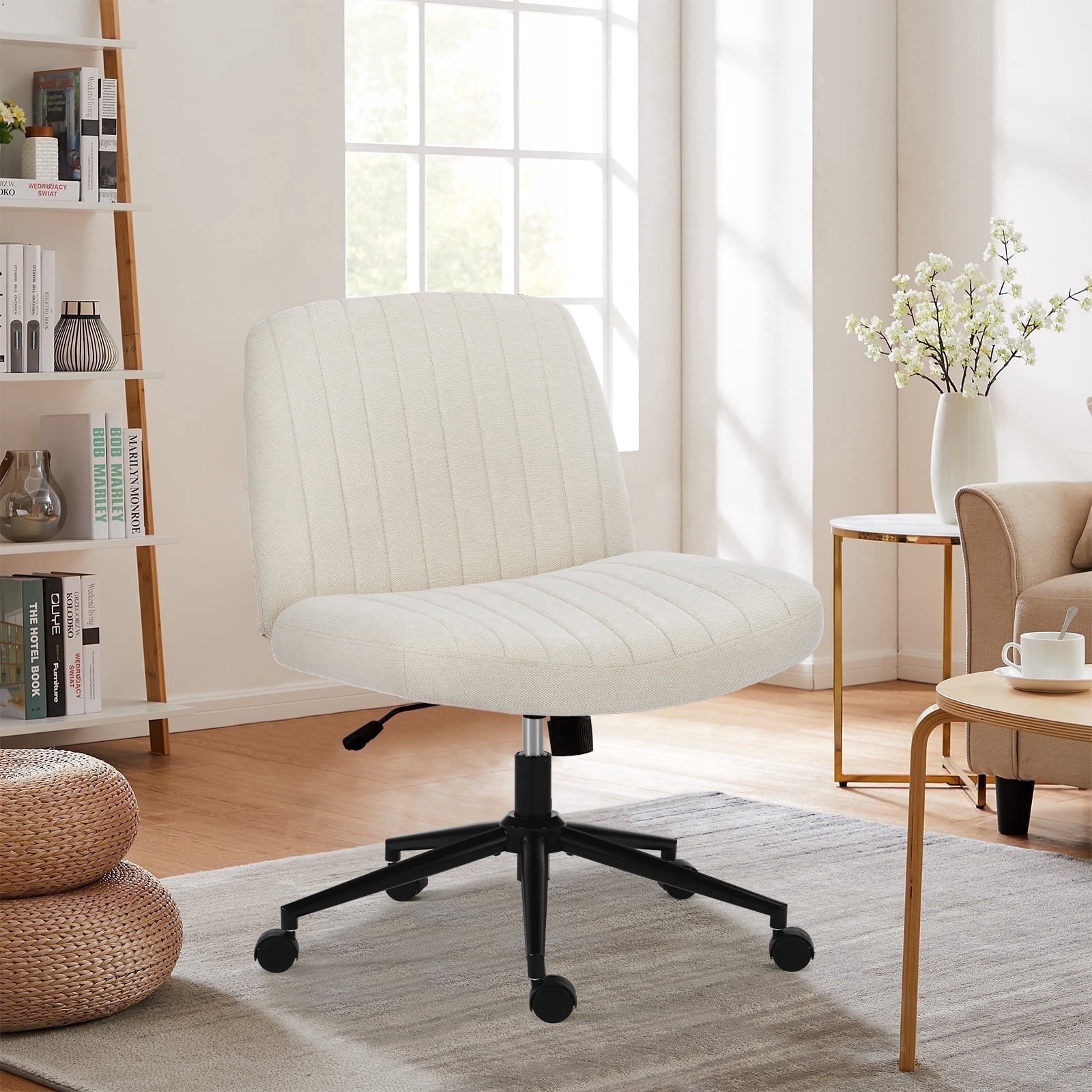
| Wide Seat Pan | Provides ample space to fold your legs without them hanging over the sides. This prevents pressure and improves circulation. | Look for a seat width of at least 20-22 inches. A wider "big and tall" model is often ideal. |
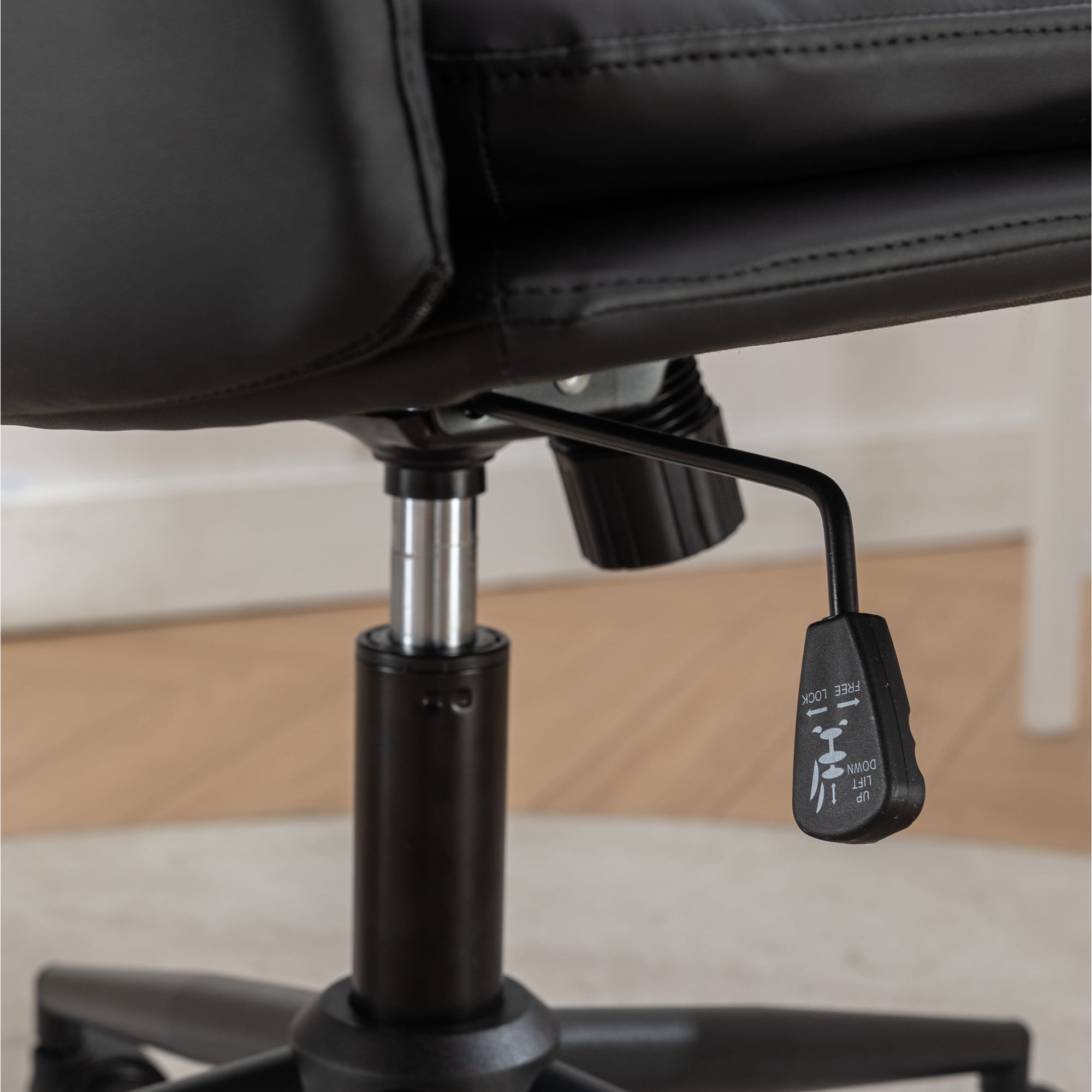
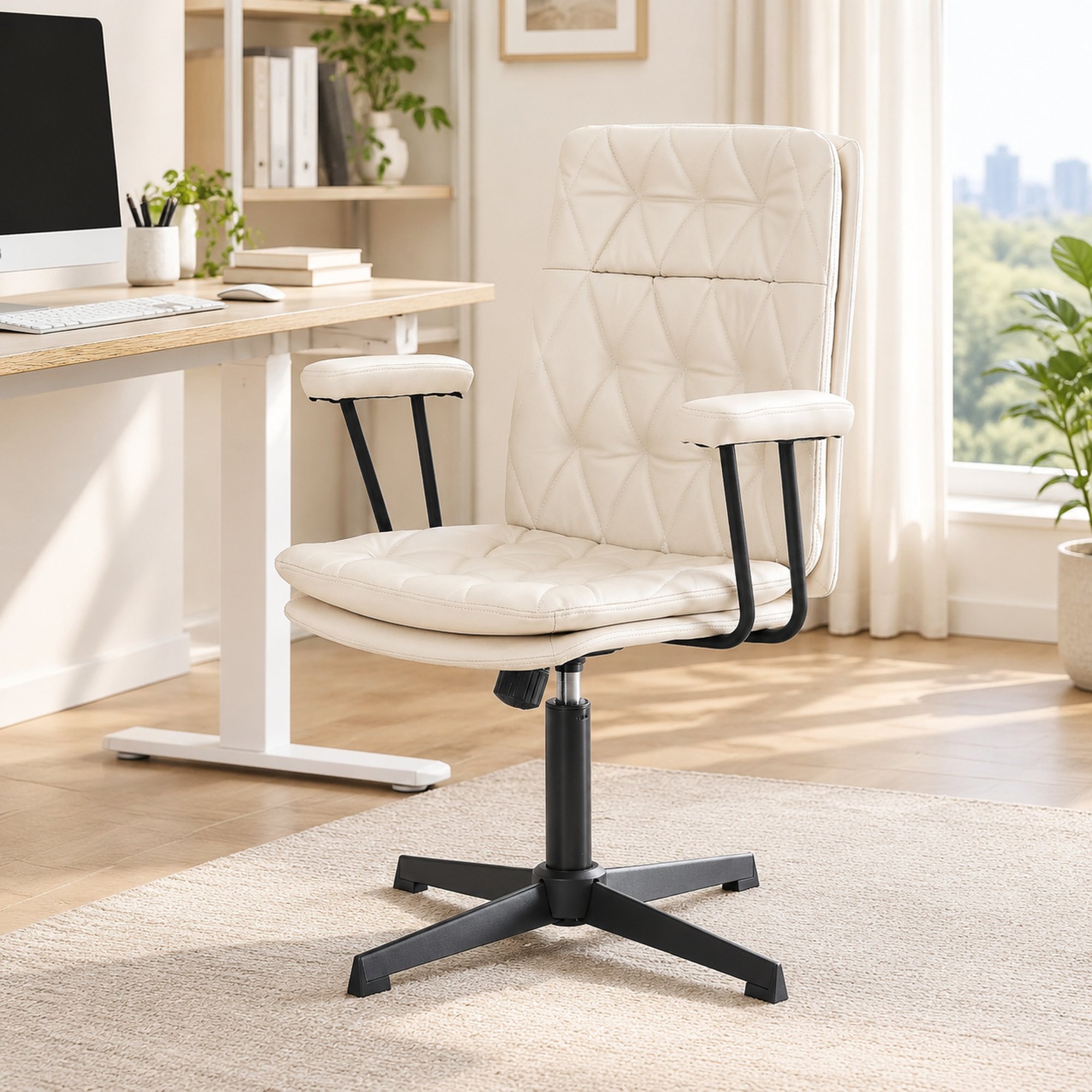
| Adjustable Armrests | Critical for clearing your knees and allowing your legs to rest naturally. Fixed arms are a deal-breaker. | Look for "4D" or "flip-up" armrests that can be moved up, down, in, out, and out of the way entirely. |
| Waterfall Seat Edge | Gently curves down at the front, reducing pressure on the underside of your knees and improving blood flow. | Opt for chairs with a pronounced waterfall or curved front edge. Avoid flat, straight edges. |
| Deep and Soft Cushioning | A thick, soft seat cushion will conform to your body shape and provide a comfortable base for your legs. | Look for high-density foam or memory foam cushions that are at least 3 inches thick. |
| Sturdy Base and High Weight Capacity | A cross-legged posture shifts your center of gravity. A sturdy base prevents tipping and ensures longevity. | Choose chairs with a 5-star metal base and a weight capacity of at least 300 lbs for added durability. |
Health Benefits of a Proper Cross-Legged Chair
Investing in the right chair is not just about comfort; it has tangible health and productivity benefits, especially for those who prefer this sitting style.
Improved Circulation
Prevents pressure on the popliteal veins behind the knees, promoting better blood flow and reducing the risk of deep vein thrombosis.
Reduced Lower Back Pain
Encourages a more neutral pelvic tilt, which can alleviate strain on the lumbar spine when combined with proper lumbar support.
Better Core Engagement
Sitting cross-legged can naturally encourage a more upright, engaged posture, strengthening core muscles over time.
Enhanced Concentration
When your body is comfortable, your mind can focus better. A chair that suits your natural posture minimizes distractions.
Step-by-Step Selection Guide
Follow this simple guide to find the perfect office chair for your cross-legged sitting habit:
Step 1: Measure Your Space
- Measure the width of your desk area to ensure a wide chair will fit.
- Check the height under your desk to make sure the chair's base can slide in.
- Consider the chair's overall depth to ensure it won't protrude too far into the room.
Step 2: Prioritize Seat Width and Depth
- Aim for a seat width of 20 inches or more to comfortably accommodate your legs.
- A seat depth of 18-20 inches is generally ideal, but you may prefer deeper seats depending on your height.
- Remember, the goal is to have your entire sitting area supported without any pressure points.
Step 3: Evaluate Armrest Adjustability
- Test the armrests. Can they flip up out of the way? Are they height and width adjustable?
- 4D armrests offer the most versatility, allowing you to move them in almost any direction.
- This feature is non-negotiable for a cross-legged sitting chair.
Step 4: Test the Lumbar Support
- Even in a cross-legged position, you need lower back support.
- Look for chairs with height-adjustable lumbar support to match the curve of your spine in this posture.
- A chair with a strong lumbar mechanism will prevent you from slouching.
Material Considerations for Maximum Comfort
The material of your chair plays a big role in how comfortable it is for cross-legged sitting. Here's a quick breakdown:
- Premium Mesh: Offers excellent breathability, which is great for warmer climates. It provides a contoured, supportive surface that conforms to your body. Look for mesh chairs with a solid, wide seat frame.
- High-Quality Fabric: A soft, durable fabric like a thick weave or velvet can provide a cozy and comfortable surface for your legs. It's often more affordable and comes in various colors.
- Leather / Faux Leather: Easy to clean and has a professional look. However, it can get sticky in warm weather and may not be as flexible as fabric or mesh for this specific posture.
- Memory Foam: This is a top choice for cross-legged sitting because it molds to the unique shape of your legs, distributing weight evenly and eliminating pressure points.
Remember, the ideal material balances comfort, durability, and your personal aesthetic preference.