
Why Choose a Chair Designed for Cross-Legged Sitting?
For many people, sitting with their legs crossed is the most natural and comfortable way to work. However, most standard office chairs are designed with a specific, traditional posture in mind: feet flat on the floor, knees at a 90-degree angle. If you are one of the many individuals who prefer to sit cross-legged, you've likely experienced the discomfort of a standard chair—the armrests digging into your legs, the narrow seat pan restricting your movement, and the hard edge cutting off circulation.
Did You Know? A survey by the Posture Committee found that over 30% of office workers prefer to sit with their legs crossed at some point during the day. Yet, most chairs are not designed to accommodate this natural sitting style.
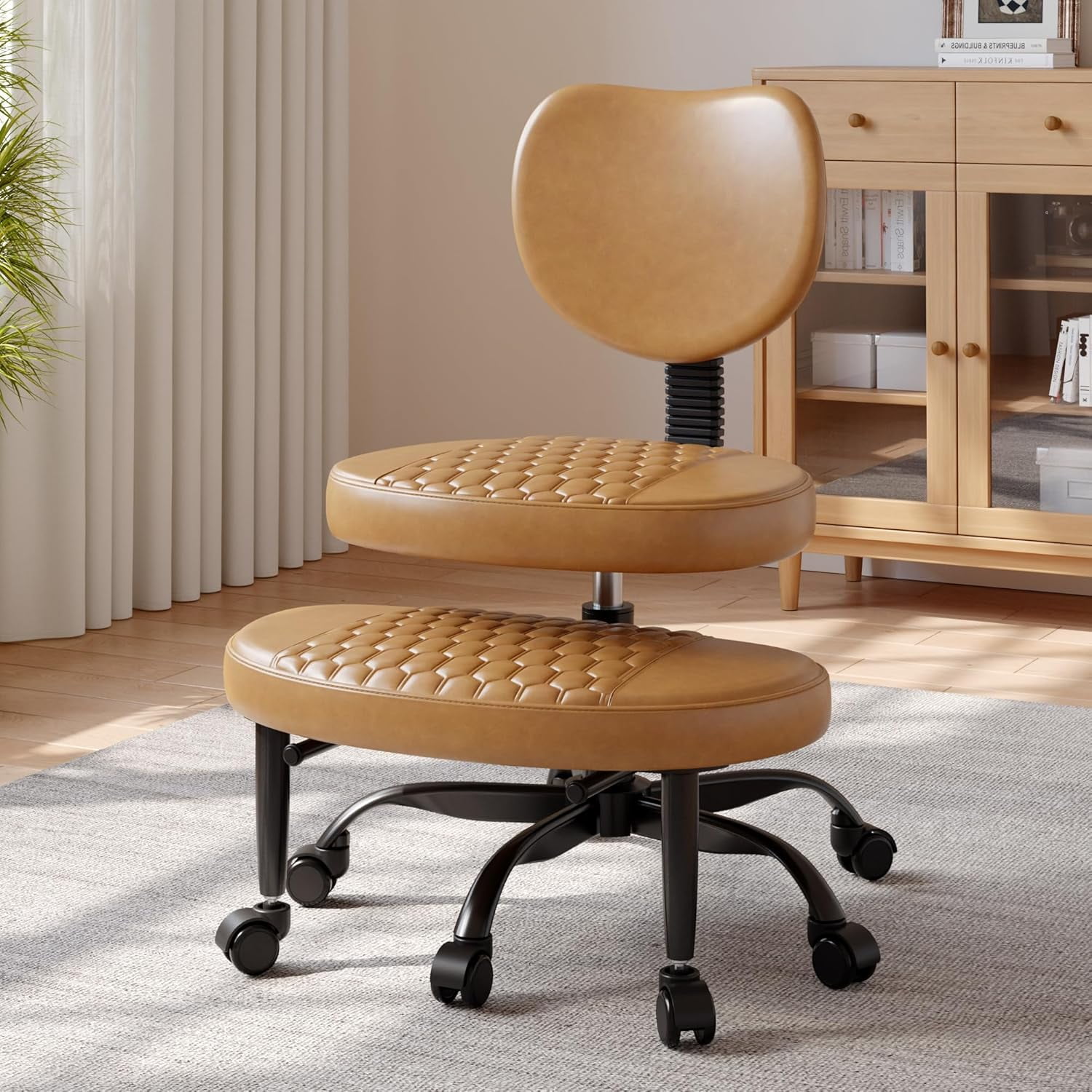
Chairs specifically designed for people who sit cross-legged are not just a luxury—they are a necessity for comfort, health, and productivity. These chairs are engineered with features that support a wider range of movement and postures, helping you maintain focus and avoid the aches and pains associated with poorly fitting furniture.
Key Features of a Cross-Legged Friendly Chair
When searching for the perfect chair to support your cross-legged sitting style, look for these essential features:
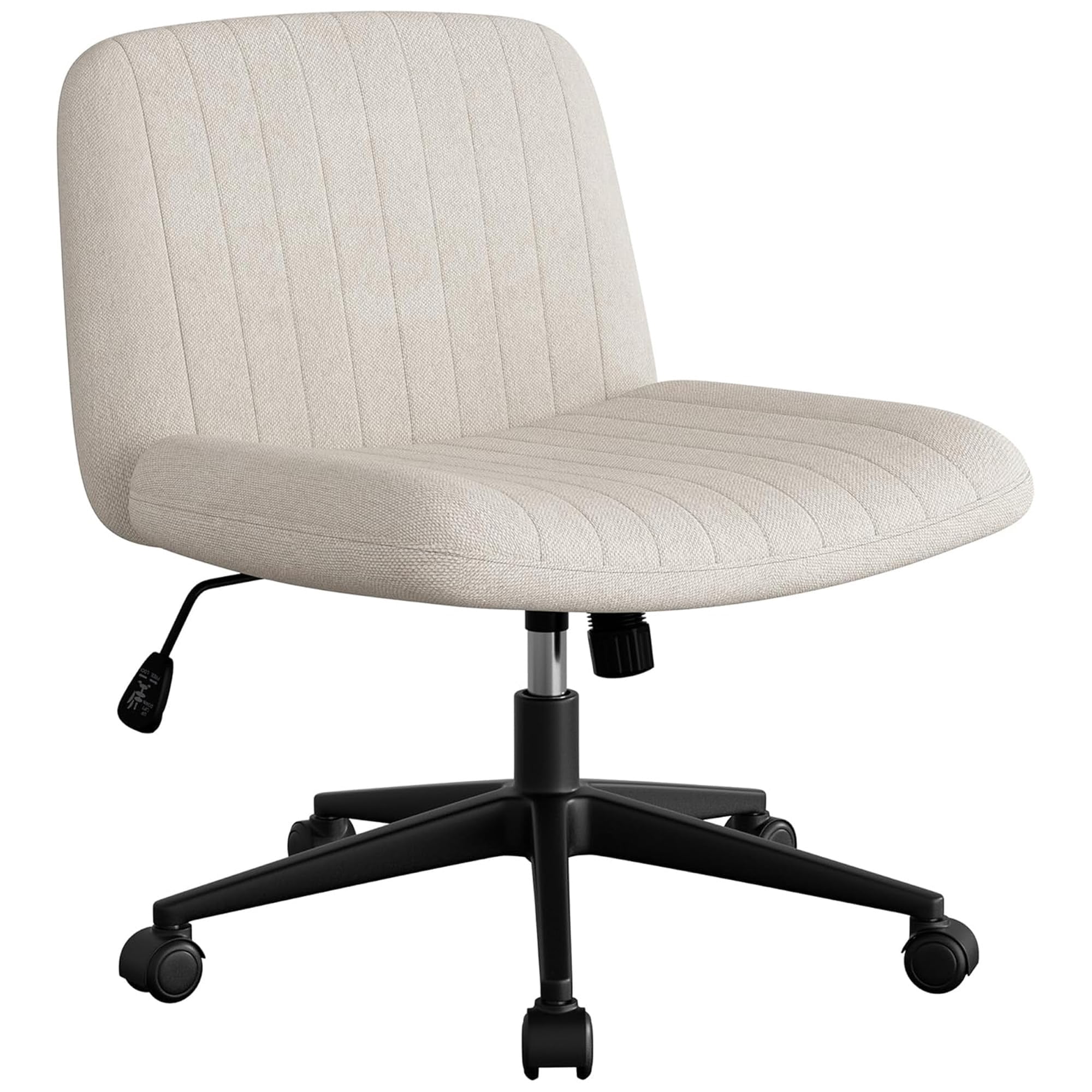
- Extra-Wide Seat Pan: The most critical feature. Look for a seat width of at least 20-22 inches to comfortably accommodate your legs when crossed without feeling pinched or restricted.
- Minimalist or Adjustable Armrests: Armrests that are too prominent can obstruct your legs. Chairs with flip-up, height-adjustable, or 4D armrests allow you to move them out of the way, giving your legs the space they need.
- Flat or Waterfall Seat Edge: A flat or slightly curved front edge prevents pressure on the back of your knees and thighs, ensuring better circulation even when your legs are folded.
- Sturdy Base and Wide Wheels: Sitting cross-legged shifts your center of gravity. A chair with a sturdy five-point base and wide-set wheels provides the stability you need to move safely and confidently.
- Generous Weight Capacity: A higher weight capacity indicates a more robust and durable frame, which is essential when you're sitting in a non-traditional position.
How to Choose the Right Cross-Legged Chair
Selecting the ideal chair for your needs requires a thoughtful approach. Here's a step-by-step guide to help you make the best decision:
| Feature | Why It Matters | What to Look For |
|---|---|---|
| Seat Width & Depth | Provides ample room for your legs when crossed without feeling cramped. | Minimum 20 inches wide; depth should be at least 18 inches for proper thigh support. |
| Armrests | Must not interfere with your legs. They should be adjustable or removable. | Flip-up arms, 4D adjustable arms, or armless designs. |
| Seat Height Range | Allows your feet (or legs) to be in a comfortable, natural position. | Look for a wide height adjustment range to accommodate your desk height. |
| Cushion Thickness | Provides comfort for extended sitting sessions. A thicker, denser foam is ideal. | High-density foam or memory foam cushioning at least 3-4 inches thick. |
| Base & Wheels | Ensures stability and smooth movement, especially when your center of gravity is altered. | Five-point base with dual-wheel casters; consider rubber wheels for hard floors. |
Health & Comfort Benefits of the Right Chair
Choosing a chair that supports your cross-legged sitting style offers numerous benefits that go beyond simple comfort:
Reduced Pressure Points
A wide seat distributes weight evenly, eliminating the pinching and pressure that causes discomfort and tingling in your legs.
Improved Posture
When you're comfortable, you are less likely to slouch. A proper chair helps you maintain a more natural and relaxed upright posture.
Enhanced Focus
Less fidgeting and shifting due to discomfort means more cognitive energy can be directed toward your work, boosting productivity.
Long-Term Wellbeing
Investing in the right chair now can prevent chronic back pain, hip issues, and other musculoskeletal problems later.