


Why You Need an Upper Back Support Cushion for Your Office Chair
If you've ever felt a nagging ache between your shoulder blades or a stiffness in your upper back after a day at work, you're not alone. The modern office chair, even the expensive ones, often fails to provide the necessary support for the upper back. This is where an upper back support cushion for office chair becomes an essential tool.
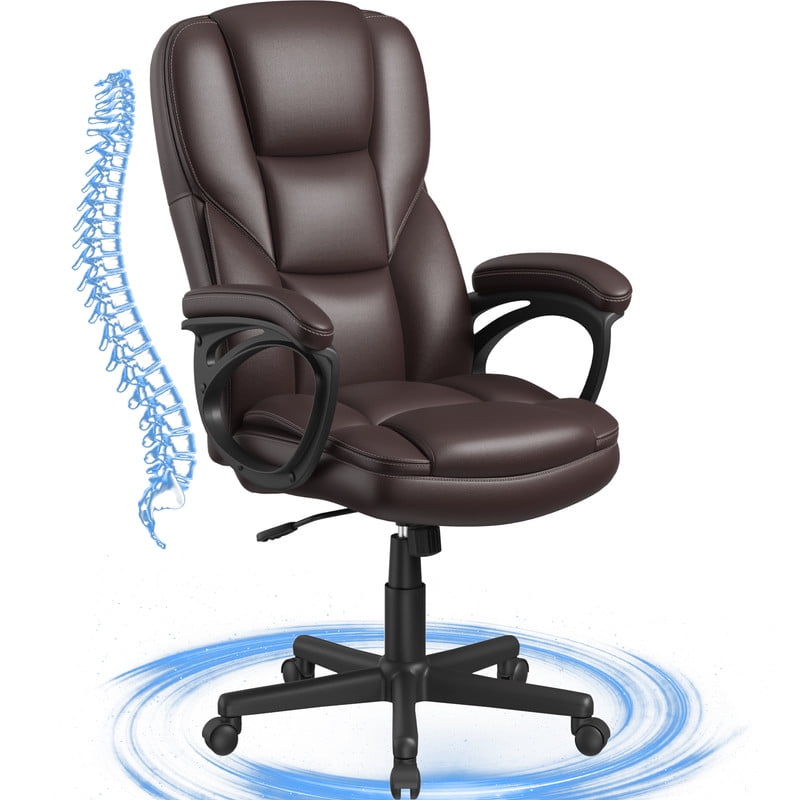
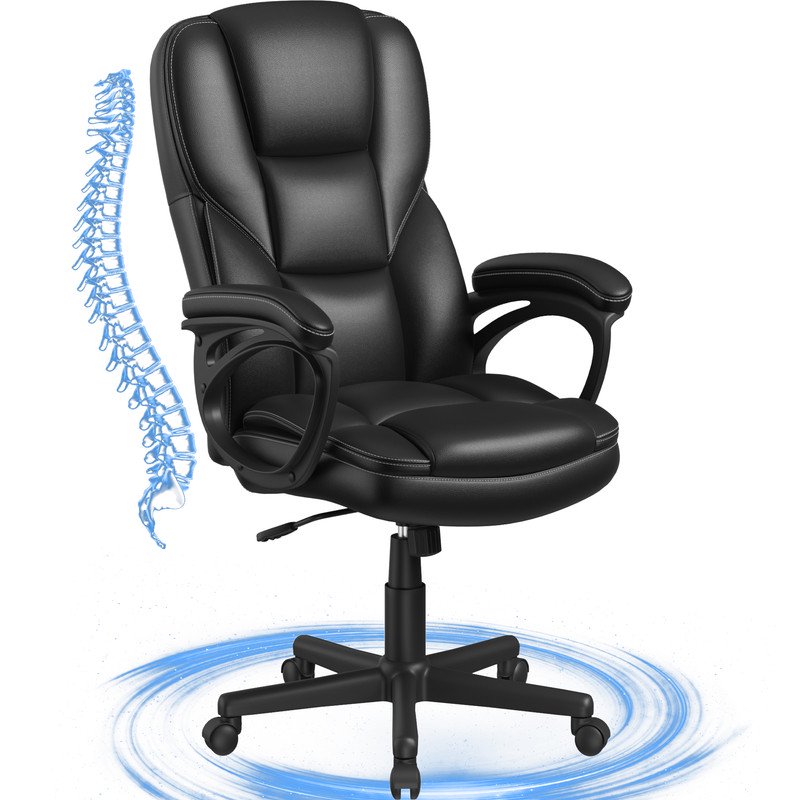
Think of your spine as a chain of building blocks. When you slouch, the blocks in your upper back (the thoracic spine) collapse forward, placing immense strain on your neck and shoulder muscles. A good support cushion acts like a gentle brace, encouraging your shoulders to roll back and your spine to maintain its natural 'S' curve. This isn't just about comfort; it's about protecting your long-term musculoskeletal health.
Did you know? The upper back is responsible for 30% of your spinal mobility. Poor posture while sitting can reduce this mobility and lead to chronic pain, headaches, and even reduced lung capacity. Investing in a quality support cushion is an investment in your overall well-being.
Key Benefits of Using an Upper Back Support Cushion
- Immediate Pain Relief: Provides targeted pressure relief to the upper back muscles, reducing tension and aches.
- Improved Posture: Gently encourages you to sit upright, aligning your spine and reducing slouching.
- Enhanced Comfort: Fills the gap between your back and the chair, eliminating the feeling of 'hanging' or unsupported space.
- Versatile Use: Can be used on most office chairs, car seats, and even at home on sofas.
- Portable Relief: Lightweight and easy to move, so you can enjoy ergonomic support wherever you work.
Choosing the Right Upper Back Support Cushion: A Comprehensive Guide
Selecting the perfect support cushion can feel overwhelming with so many options. To make an informed decision, consider these crucial features:
| Feature | Why It Matters | What to Look For |
|---|---|---|
| Material | Affects comfort, durability, and breathability. | High-resilience memory foam for contouring, or gel-infused foam for cooling. |
| Adjustability | Ensures the cushion stays securely in the correct position. | Multiple adjustable straps that fit most chair backs. |
| Size & Shape | Must properly support the upper back and shoulder blades. | A shape that mimics the natural curve of the upper spine (often slightly convex). |
| Breathability | Prevents overheating and sweating during long sits. | Breathable mesh covers or perforated foam. |
| Firmness Level | Too hard can be uncomfortable; too soft offers no support. | Medium-firm support that yields slightly but maintains its shape. |
Understanding Materials: Which is Best for You?
The core material of your upper back support cushion dictates how it feels and performs. Here's a breakdown of the most common types.
Memory Foam
Advantages
- Superb Contouring: Molds to the exact shape of your back.
- Pressure Relief: Distributes weight evenly, reducing pressure points.
- Durable: High-quality memory foam maintains its shape for years.
Considerations
- Heat Retention: Can trap heat; look for gel-infused options.
- Sink Feeling: Some people prefer a more 'bouncy' support.
Gel-Infused Foam
Advantages
- Cooling Effect: Gel beads absorb and dissipate body heat.
- Pressure Relief: Combines the support of foam with a cooler feel.
- Responsive: Springs back quickly without losing shape.
Considerations
- Cost: Can be more expensive than standard foam.
- Weight: May be slightly heavier due to the gel content.
Inflatable Cushions
Advantages
- Customizable Firmness: Adjust the air level to your preference.
- Portable: Deflates for easy travel or storage.
- Lightweight: Very easy to move between chairs.
Considerations
- Durability: Risk of punctures or air leaks over time.
- Instability: May feel less stable than solid foam cushions.
Step-by-Step Selection Guide for Your Perfect Cushion
Finding the right cushion can be simplified by following these steps. This guide will help you navigate the options and choose a product that truly meets your needs.
Step 1: Identify Your Pain Points
- Location of Pain: Is the pain between your shoulder blades, at the base of your neck, or across your shoulders?
- Duration: Does the pain start after 1 hour or 4 hours of sitting?
- Other Symptoms: Do you have headaches, neck stiffness, or fatigue?
- Your typical posture: Are you a sloucher, or do you lean forward?
Understanding your specific issues will guide you toward the type of support you need.
Step 2: Match the Cushion to Your Chair
Step 3: Consider Your Body Type
A one-size-fits-all approach rarely works. Here's how to tailor your choice:
- Height: Taller individuals may need a longer cushion to cover the entire upper back. Petite individuals should look for cushions that don't push the head forward.
- Weight: Heavier individuals may require a denser foam to provide adequate support without bottoming out.
- Shoulder Width: Wider shoulders might benefit from a wider cushion to support the entire scapular region.
Step 4: Read Reviews and Test If Possible
Pro Tip: Before buying, read reviews from people with similar body types or pain issues. If you can, try a friend's cushion or visit a store to feel the material and firmness. Your body will tell you what feels right.
Frequently Asked Questions About Upper Back Support Cushions
Conclusion & Final Recommendations
An upper back support cushion is more than a simple accessory; it's a vital tool for anyone who spends a significant amount of time at a desk. By providing the targeted support your upper back needs, you can alleviate pain, prevent long-term issues, and enhance your productivity and well-being.
Our Top Picks Based on Your Needs
Look for high-density memory foam cushions with a breathable, removable cover. The contouring support will keep you comfortable for hours.
Prioritize gel-infused foam or cushions with mesh covers to maximize airflow and prevent overheating.
Inflatable or standard foam cushions offer a great balance of value and support, provided they have good adjustability.
Top Recommendations by User Profile
| User Profile | Recommended Cushion Type | Key Features to Prioritize |
|---|---|---|
| Chronic Upper Back Pain Sufferers | High-Resilience Memory Foam | Deep contouring, firm support, and ergonomic 'spine curve' design. |
| Hot & Humid Office Environments | Gel-Infused Mesh Cushion | Superior breathability, cooling gel technology, and moisture-wicking cover. |
| Frequent Travelers (Flex Office) | Inflatable or Foldable Cushion | Portability, lightweight, easy to pack, and universal strap system. |
| Value-Focused Shoppers | Standard Memory Foam | Good basic support, dual straps for security, and a washable cover. |