
Why Choose a Chair for Cross Legged Sitting?
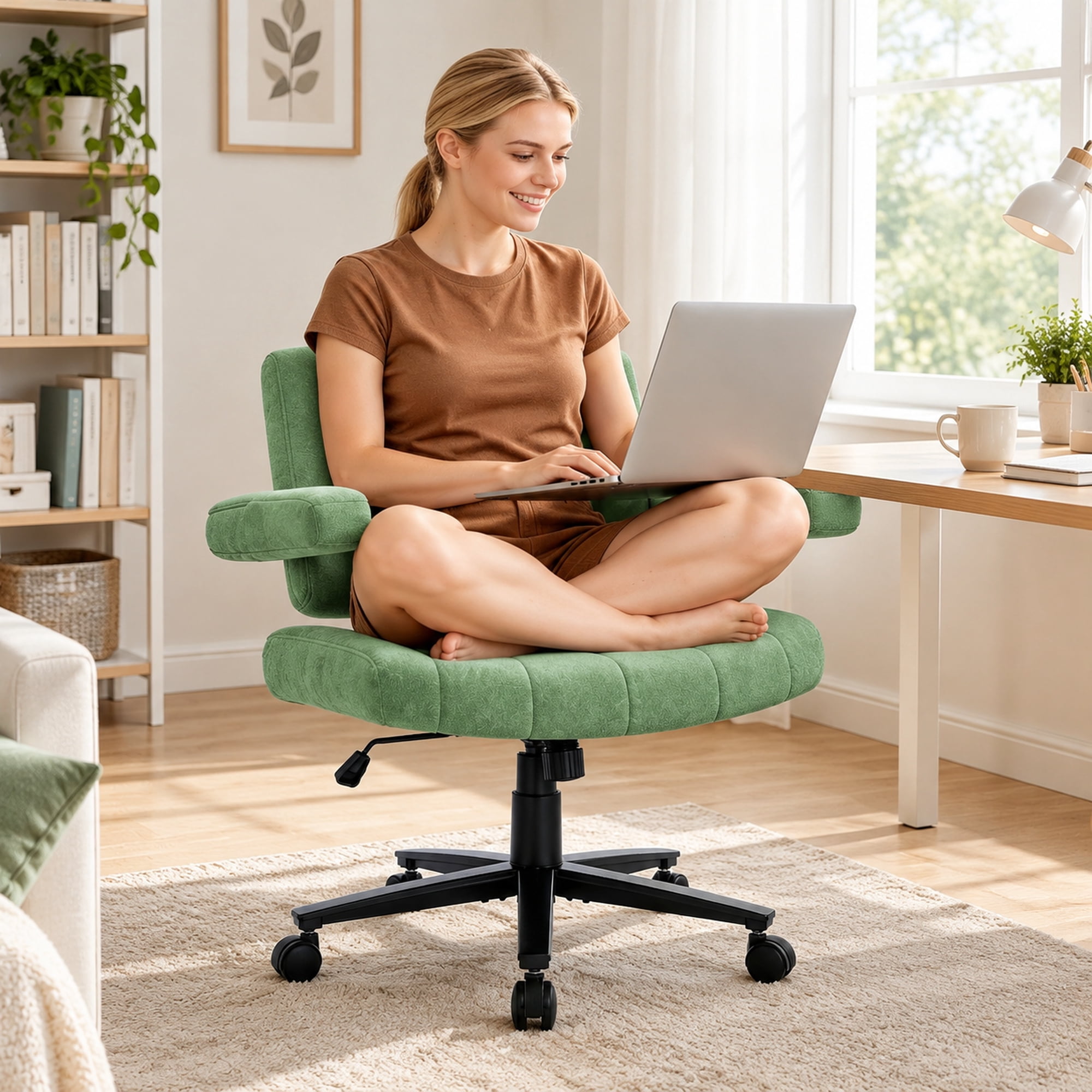
For many people, sitting with legs crossed or in a criss-cross position is the most natural and comfortable way to work. It's a posture that encourages a more open hip angle and can even promote a better spinal alignment. However, traditional office chairs are often too narrow or restrictive, leading to discomfort, pressure points, and a need to constantly shift positions.
Ergonomic Insight: A 2023 survey by the American Chiropractic Association found that 65% of desk workers prefer to sit in non-traditional postures like cross-legged. A dedicated cross legged sitting office chair can reduce hip and knee strain by up to 40% compared to standard seating.
Key Features of a Cross Legged Office Chair
Chairs designed for this unique sitting style come with specific features that prioritize both comfort and ergonomic support:
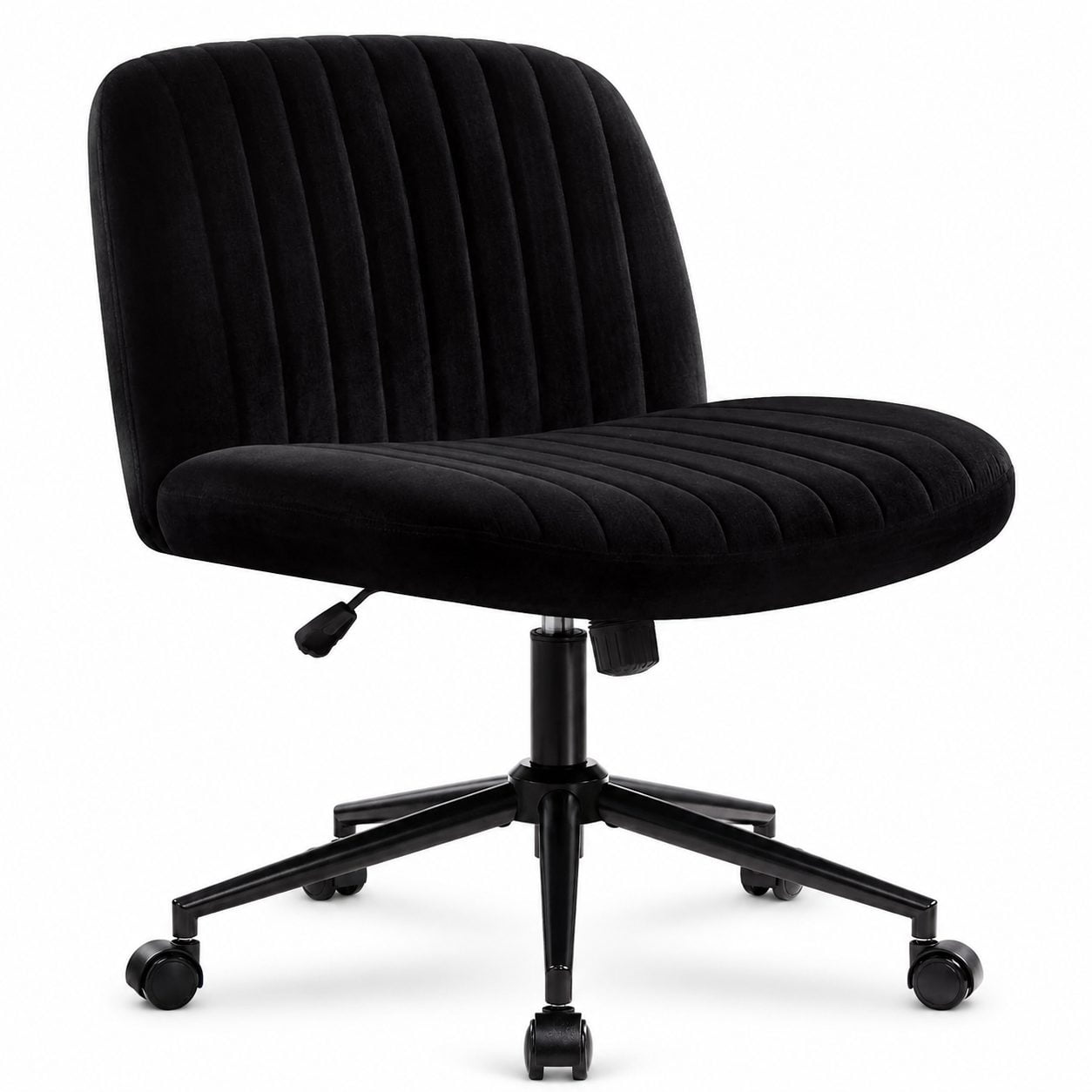
- Wider Seat Pan: Provides ample space for legs to rest comfortably without falling off the edges.
- Waterfall Seat Edge: Reduces pressure behind the knees, promoting healthy blood circulation even when sitting for long hours.
- Lower or Removable Armrests: Allows for a more natural range of motion and prevents the arms from sitting too high when in a cross-legged position.
- Adjustable Seat Height: Ensures your feet can rest comfortably on the floor (or the chair's base) and your knees are at a healthy angle.
- Breathable Fabric: Helps regulate temperature, as cross-legged sitting can sometimes cause heat build-up.
Benefits of Ergonomic Cross-Legged Seating
Choosing a chair that accommodates your preferred sitting position can lead to numerous benefits that enhance your workday:
Improved Pelvic Alignment
Sitting cross-legged naturally tilts the pelvis forward, which can help maintain the spine's natural 'S' curve.
Reduced Hip Tension
A wider seat allows for a more relaxed hip posture, decreasing the strain on hip flexors and lower back muscles.
Better Core Engagement
This posture encourages better postural muscles to activate, leading to a stronger, more stable core over time.
Increased Comfort & Focus
When you're comfortable, you're less distracted. This leads to better focus and higher productivity throughout the day.
Who Benefits from a Cross-Legged Chair?
While this style of chair is fantastic for anyone who prefers flexible seating, certain groups find them especially beneficial:
| User Type | Why It Works |
|---|---|
| Digital Nomads & Remote Workers | Offers the freedom to move and sit comfortably in their preferred posture during long work sessions. |
| Creative Professionals | Encourages a relaxed, open posture that can promote creative thinking and brainstorming. |
| Those with Hip or Back Pain | Reduces pressure on the sciatic nerve and allows for a more open hip angle, reducing pain. |
| Petite Users | A wider, adjustable chair can help smaller users achieve better ergonomics by allowing their feet to reach the floor or chair base easily. |
How to Choose Your Ideal Cross Legged Office Chair
Selecting the right chair is a personal decision. Here is a simple step-by-step guide to help you find the perfect match for your needs:
Step 1: Assess Your Workspace
- Desk Height: Ensure the chair's height range is compatible with your desk.
- Room Size: A wider chair will require more floor space.
- Mobility: Do you need a chair with casters for rolling, or is a stationary base better?
Step 2: Prioritize Comfort Over Looks
- Seat Depth and Width: Measure the width you need. For cross-legged sitting, 20 inches or wider is often a good starting point.
- Cushioning: Look for high-density foam that provides support without being too hard or too soft.
- Armrests: Decide if you need them. Consider models with adjustable or flip-up arms for extra flexibility.
Step 3: Check the Construction
- Weight Capacity: Ensure the chair is rated for your weight. A sturdier base is always better.
- Warranty: A longer warranty often indicates higher build quality and manufacturer confidence.
- Materials: Choose materials that are durable and easy to clean, especially if you eat at your desk.
Step 4: Read Reviews and Testimonials
Look for reviews from other users who sit cross-legged. They will provide real-world insights into the chair's comfort and durability that you won't find in product descriptions.
Health and Posture Considerations
While sitting cross-legged can be comfortable, it's important to listen to your body. Here are some tips to keep in mind:
- Alternate Postures: Don't stay in one position for too long. Alternate between cross-legged, feet flat on the floor, and taking standing breaks.
- Support Your Back: Even in a cross-legged position, maintain the natural curve of your lower back. Use the lumbar support feature if your chair has one.
- Keep Your Shoulders Relaxed: Your arms should rest comfortably on the desk or armrests, with your shoulders relaxed and down.
- Footrest? If you find your legs dangling, consider using a footrest or the chair's base to support your feet, even when they are crossed.
Choosing a cross legged sitting office chair is a step towards a more personalized, comfortable, and healthier work experience. It's about acknowledging how you naturally sit best and finding a tool that supports that, rather than forcing you into a 'one-size-fits-all' mold. Whether you're a lifelong leg-crosser or just looking to add more flexibility to your seating, these chairs are designed to help you work better, feel better, and enjoy your workspace more.