
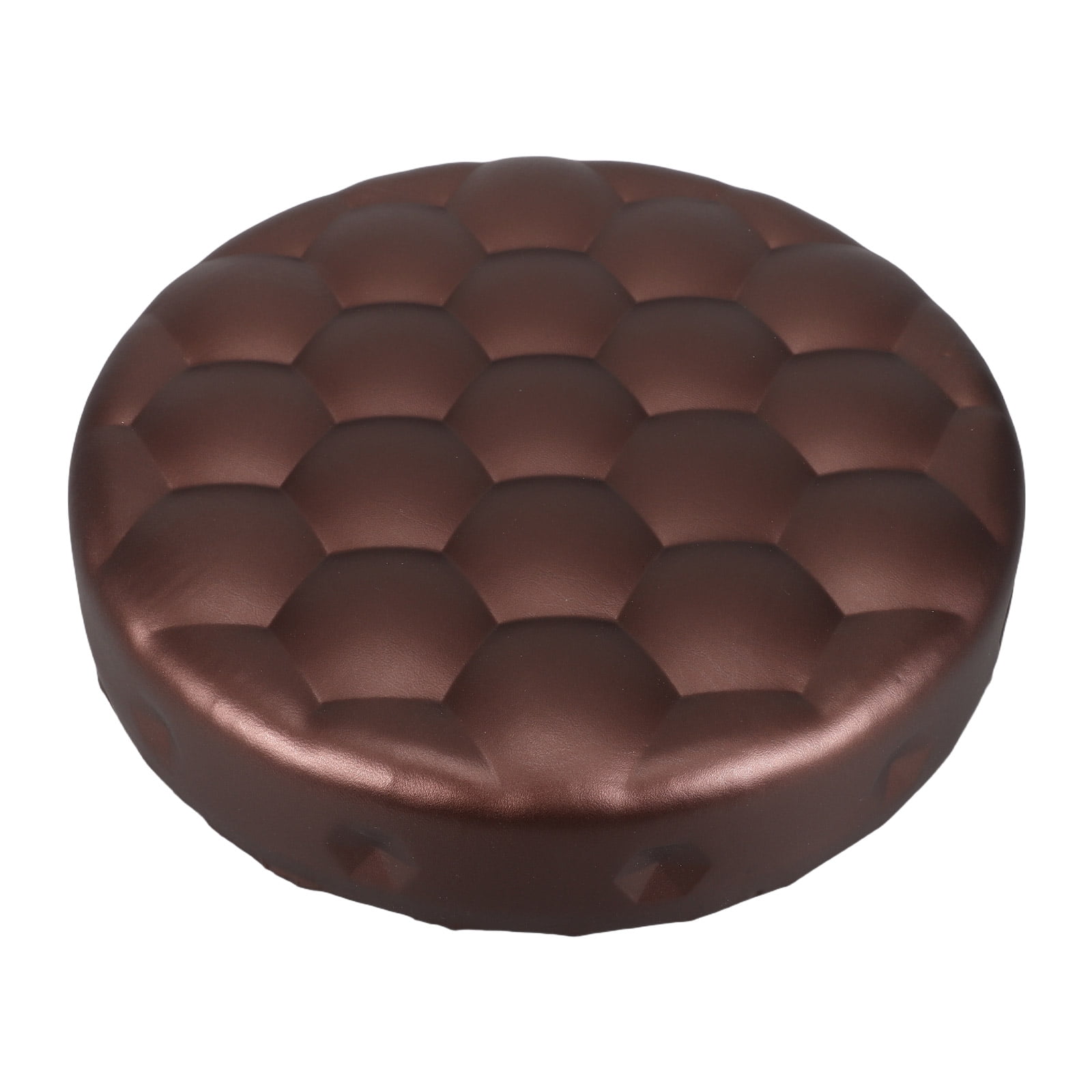
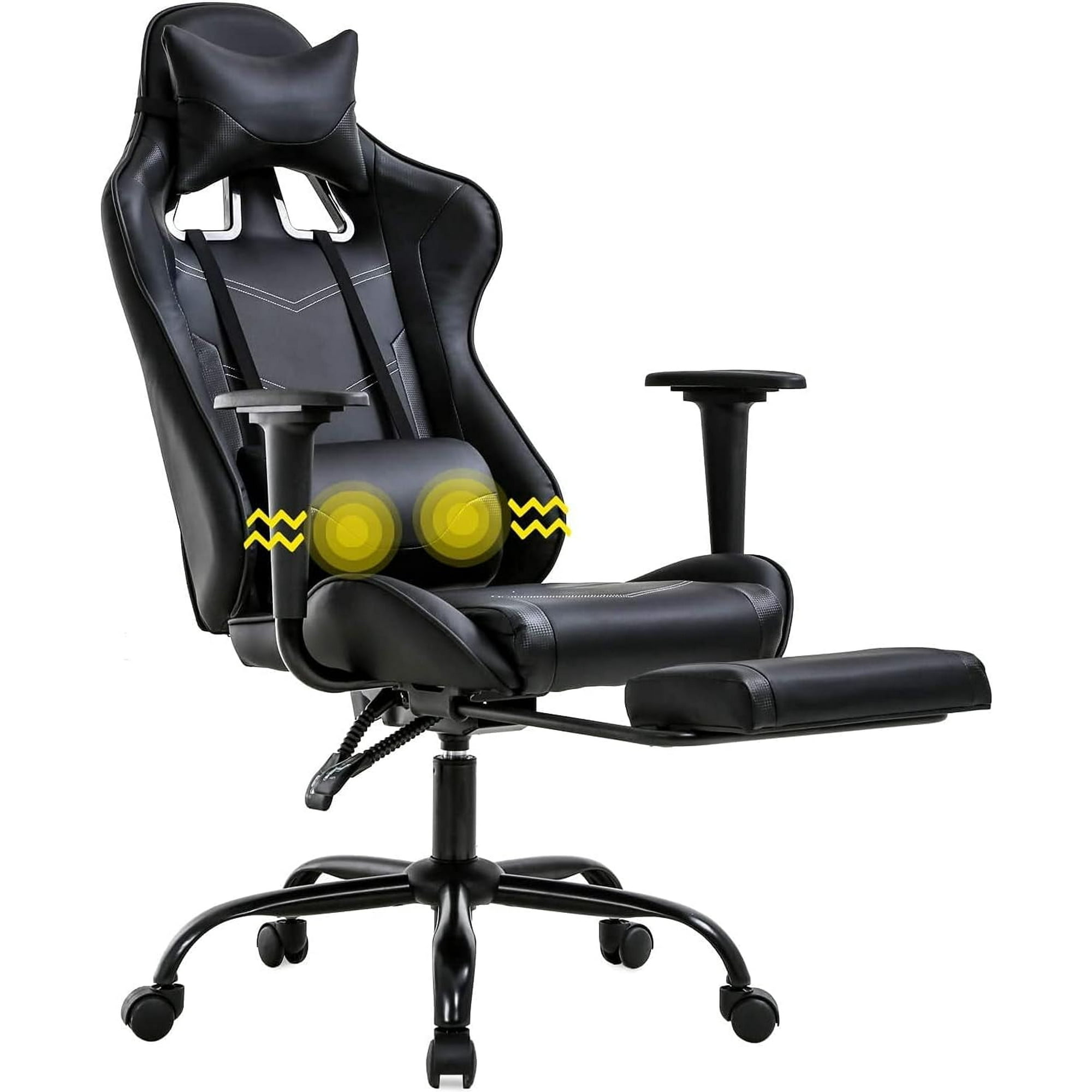
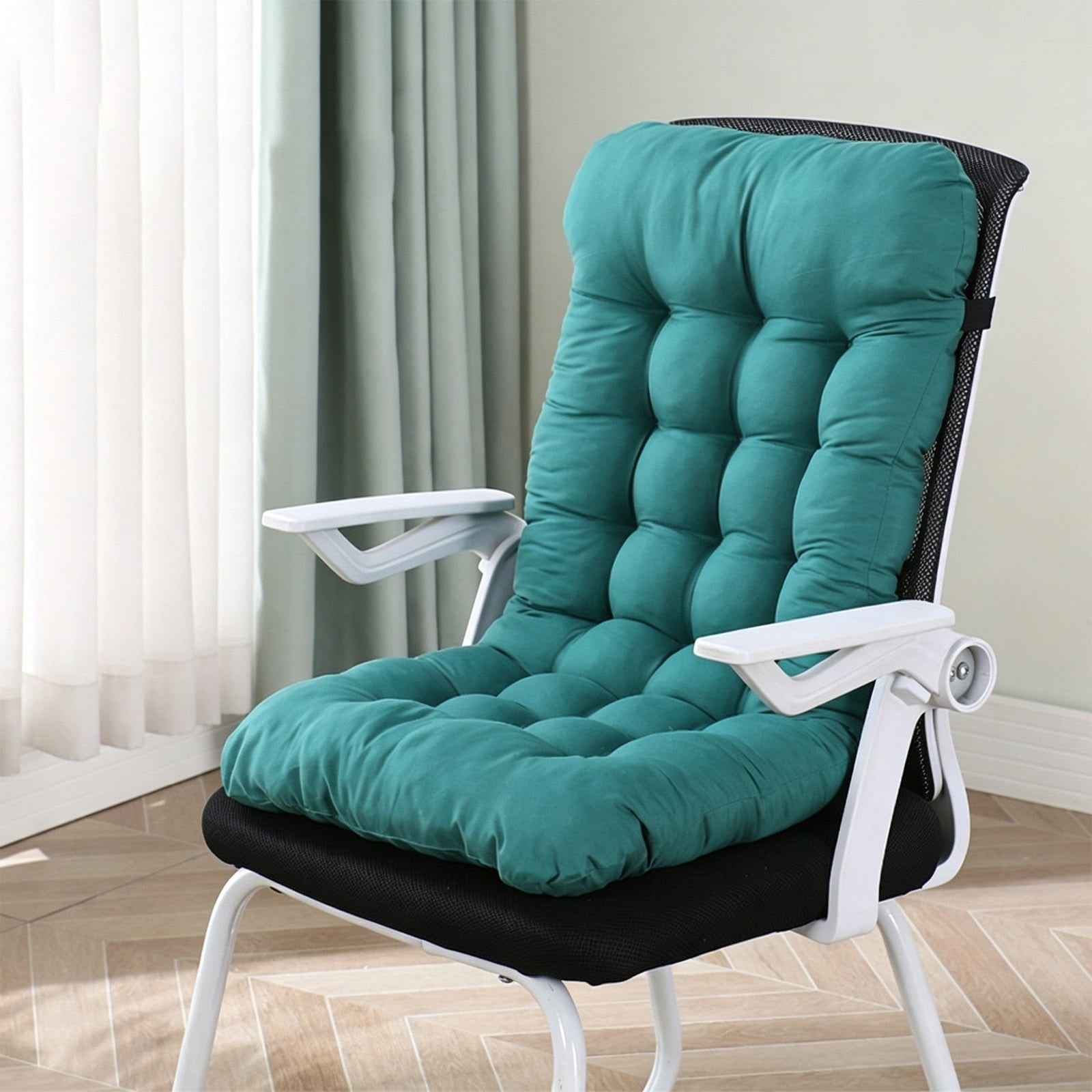
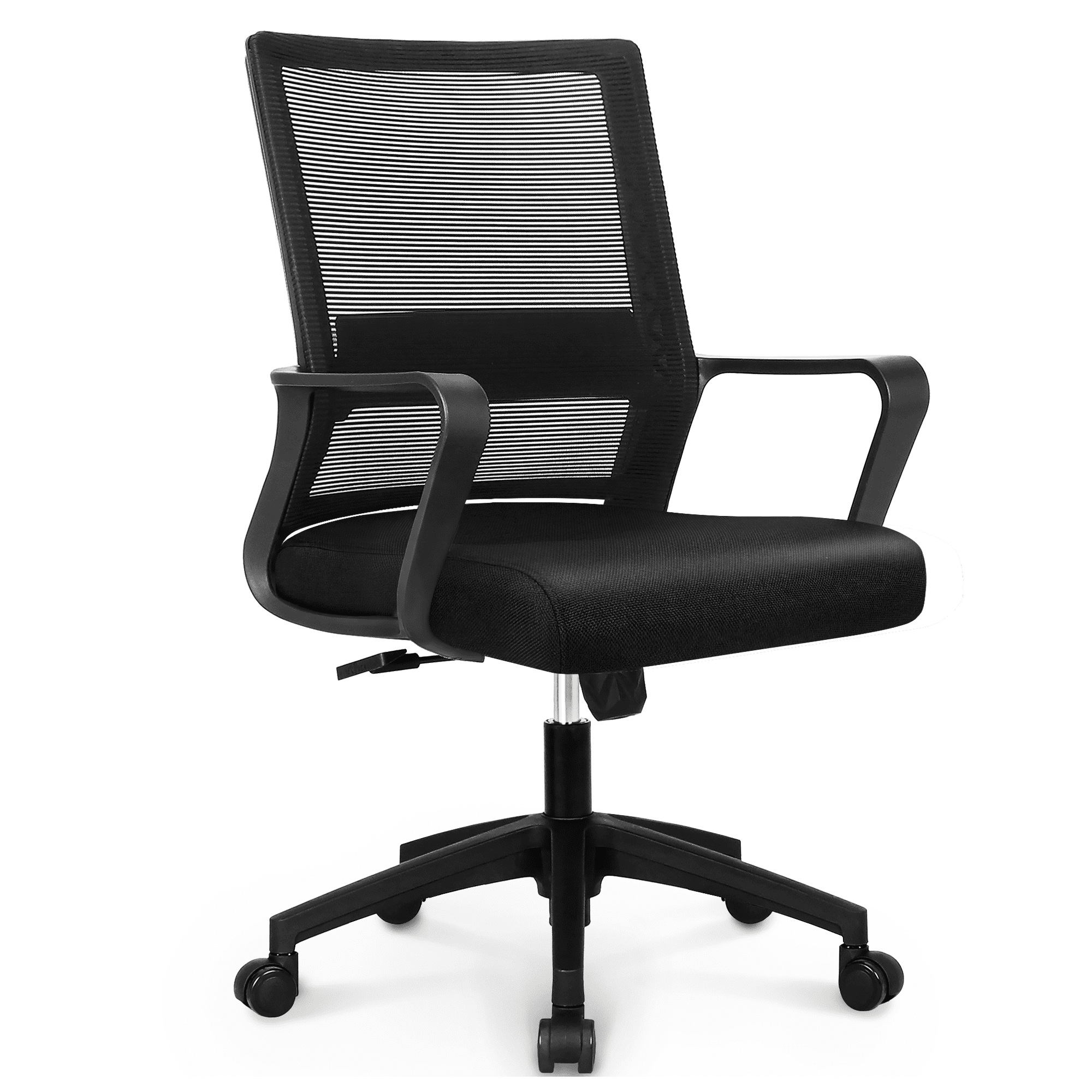
The Foundation of Healthy Sitting: Understanding Office Chair Seat Support
Imagine your office chair as the foundation of a house. If the foundation is weak or uneven, everything built on top becomes unstable. Similarly, office chair seat support is the fundamental element that determines your comfort, posture, and spinal health throughout the workday. Without proper support, even the most expensive chair can become a source of pain and fatigue.
Critical Insight: Studies from the American Chiropractic Association indicate that 80% of the population will experience back problems at some point, with prolonged sitting being a primary contributor. Proper seat support can reduce lower back stress by up to 40% and significantly decrease the risk of developing chronic pain conditions.
The Anatomy of Superior Seat Support
Effective seat support isn't just one feature—it's a system of interconnected elements working together. Here's what constitutes comprehensive seat support:
1. Lumbar Support System
Targets the natural inward curve of your lower spine. Advanced chairs offer dynamic lumbar support that moves with you, while basic models may have fixed or adjustable pads. The key is maintaining the spine's natural "S" shape, preventing the slouched "C" curve that leads to disc compression and muscle fatigue.
2. Seat Pan Design & Depth
The seat pan should be deep enough to support your thighs without pressing against the back of your knees. Waterfall edges (curved front) prevent circulation restriction. Adjustable seat depth is a premium feature that allows you to find your perfect fit based on thigh length.
3. Cushion Material & Density
High-density memory foam offers the best balance of comfort and support, contouring to your body while maintaining structure. Gel-infused foams provide cooling properties. Avoid overly soft cushions that collapse, as they create pressure points and lack stability for proper posture.
4. Pelvic & Coccyx Support
Often overlooked, the seat's contour should support the pelvis in a neutral, slightly forward-tilted position. Specialized coccyx cutouts or contoured seats relieve pressure on the tailbone, crucial for those with chronic coccydynia or post-surgery recovery.
How to Assess Your Current Chair's Seat Support
Before investing in a new chair or accessories, evaluate your current setup. Follow this systematic approach:
- The Thigh Test: Sit with your back against the chair. Can you slide your hand horizontally between the seat edge and the back of your knee? If not, the seat is too long.
- The Pressure Point Check: After 30 minutes of sitting, note any areas of discomfort—tailbone, thighs, or lower back. These indicate inadequate support.
- The Slump Test: Relax your posture after sitting straight. If you naturally slide into a slouched position, your lumbar support is insufficient or incorrectly positioned.
- The Arm Test: When seated, your shoulders should be relaxed. If you find yourself leaning forward to reach your desk, your seat support isn't positioning you correctly.
Enhancing Seat Support: Solutions for Every Budget
You don't always need a brand-new chair to achieve excellent seat support. Here are tiered solutions based on your needs and budget:
| Solution Tier | Best For | Key Products | Expected Improvement |
|---|---|---|---|
| Quick Fix ($20-80) | Immediate relief, temporary setups | Memory foam seat cushion, lumbar roll, coccyx pillow | 20-40% improvement in pressure distribution and comfort |
| Mid-Tier Upgrade ($80-250) | Permanent enhancement for existing chairs | Adjustable lumbar support system, high-density gel seat pad, seat depth extender | 50-70% reduction in back pain, improved posture |
| Premium Solution ($300-800+) | Comprehensive ergonomic overhaul | Full ergonomic chair with adjustable lumbar, seat depth, and multi-dimensional support | Up to 90% reduction in discomfort, long-term spinal health |
The Science of Seat Support: How It Affects Your Body
Understanding the physiological impact of proper seat support can motivate better choices. Here's what happens when you sit with inadequate versus optimal support:
Poor Support Consequences
- Spinal Compression: Up to 30% increased pressure on lumbar discs
- Muscle Fatigue: Constant micro-adjustments exhaust core muscles
- Reduced Circulation: Pressure on popliteal arteries behind knees
- Forward Head Posture: Adds up to 42 lbs of strain on neck
Proper Support Benefits
- Neutral Spine Alignment: Reduces disc pressure by 25-30%
- Improved Oxygen Flow: Enhanced breathing capacity
- Better Focus: Less physical distraction, 15% productivity increase
- Long-Term Health: Decreased risk of chronic back conditions
Common Myths About Seat Support Debunked
Misinformation about seat support can lead to poor purchasing decisions. Let's clear up some common misconceptions:
- Myth: A firm seat is always better for back support.
Truth: The ideal seat has a balance of support and contour. Too firm creates pressure points; too soft lacks stability. High-density memory foam offers the sweet spot of contouring comfort with structural integrity. - Myth: Lumbar support is only for people with existing back pain.
Truth: Lumbar support is preventive. Just as you wear a seatbelt before an accident, proper lumbar support prevents the development of poor posture and subsequent pain. - Myth: More adjustments always mean better support.
Truth: Adjustments are useless if you don't know how to use them correctly. Focus on quality of support mechanisms rather than sheer quantity. A chair with a well-designed fixed lumbar curve can outperform a poorly adjusted multi-point system. - Myth: Seat cushions are all the same.
Truth: Cushion materials vary dramatically in density, cooling properties, and durability. A $20 generic foam cushion may provide relief for weeks, while a high-quality medical-grade gel cushion can last years and offer superior pressure redistribution.
Maintaining Your Chair's Seat Support Over Time
Even the best seat support systems degrade with use. Regular maintenance extends the life and effectiveness of your chair:
- Rotate Cushions: If your chair has removable cushions, rotate them every 3-6 months to ensure even wear.
- Check Foam Integrity: After 3-5 years, high-density foam can compress by 20-30%. Replace cushions when you notice visible sagging or when comfort decreases.
- Clean Mechanisms: Dust and debris can affect adjustment levers and gas lifts. Regular cleaning ensures adjustments remain functional.
- Re-torque Bolts: Loose connections can alter seat angle and stability. Inspect and tighten bolts annually.
- Warranty Check: Many premium chairs offer 5-10 year warranties on seat mechanisms. Don't hesitate to claim if you notice premature degradation.
Real-World Application: Seat Support for Different Body Types
Seat support needs vary significantly based on body dimensions. Here's how to tailor your approach:
Petite Individuals (Under 5'4")
Look for chairs with shorter seat depth (16-18 inches) and lower backrests. Seat cushions should be firm enough to provide support without being overwhelming. Adjustable armrests that lower sufficiently are essential.
Tall Individuals (Over 6'0")
Prioritize extended seat depth (20+ inches) and high backrests with adjustable headrests. Lumbar support must be vertically adjustable to align with your longer torso. Look for chairs with a higher weight capacity (300+ lbs) for reinforced construction.
Plus-Size Users (250+ lbs)
Seat width is critical—look for 21+ inches between armrests. High-density foam is non-negotiable to prevent bottoming out. Reinforced steel frames and Class 4 gas lifts ensure safety and durability. Coccyx relief features are particularly beneficial.