
Why Thigh Support Defines Your Sitting Experience
When you spend 8+ hours at a desk, your thighs bear a significant portion of your body weight. Without proper office chair thigh support, you risk restricted blood flow, nerve compression, and chronic discomfort. A chair designed with ergonomic principles not only boosts productivity but also safeguards long-term vascular health.
Imagine sitting on a hard bench for hours—that’s the feeling an unsupportive seat creates. By contrast, an ergonomic chair with a waterfall seat edge and adjustable depth acts like a tailor-made cushion, distributing pressure evenly and allowing your legs to rest naturally. This guide explores everything from essential features to practical add-ons that elevate your sitting posture.
Key Ergonomic Principles for Thigh Comfort
Understanding the mechanics of sitting helps you identify the right chair. Three core principles govern thigh support: seat depth, seat angle, and edge contour.
- Seat Depth Adjustment: Chairs with adjustable depth let you slide the seat pan forward or backward. This ensures that your thighs receive full support without the front edge digging into your knees.
- Waterfall Edge Design: The gently sloping front edge reduces pressure points behind the knees, allowing better blood circulation—especially critical if you sit with your knees at a 90-degree angle.
- Contoured Foam Density: High-resilience foam retains shape while providing cushioning. Look for multi-layer foam that combines softness on top with firm support beneath.
- Seat Tilt Mechanism: A forward tilt option can shift some weight toward your back and feet, alleviating thigh pressure during intensive focus tasks.
Types of Thigh Support Solutions
You don't always need to replace your current chair. Below are the main categories to achieve optimal leg support:
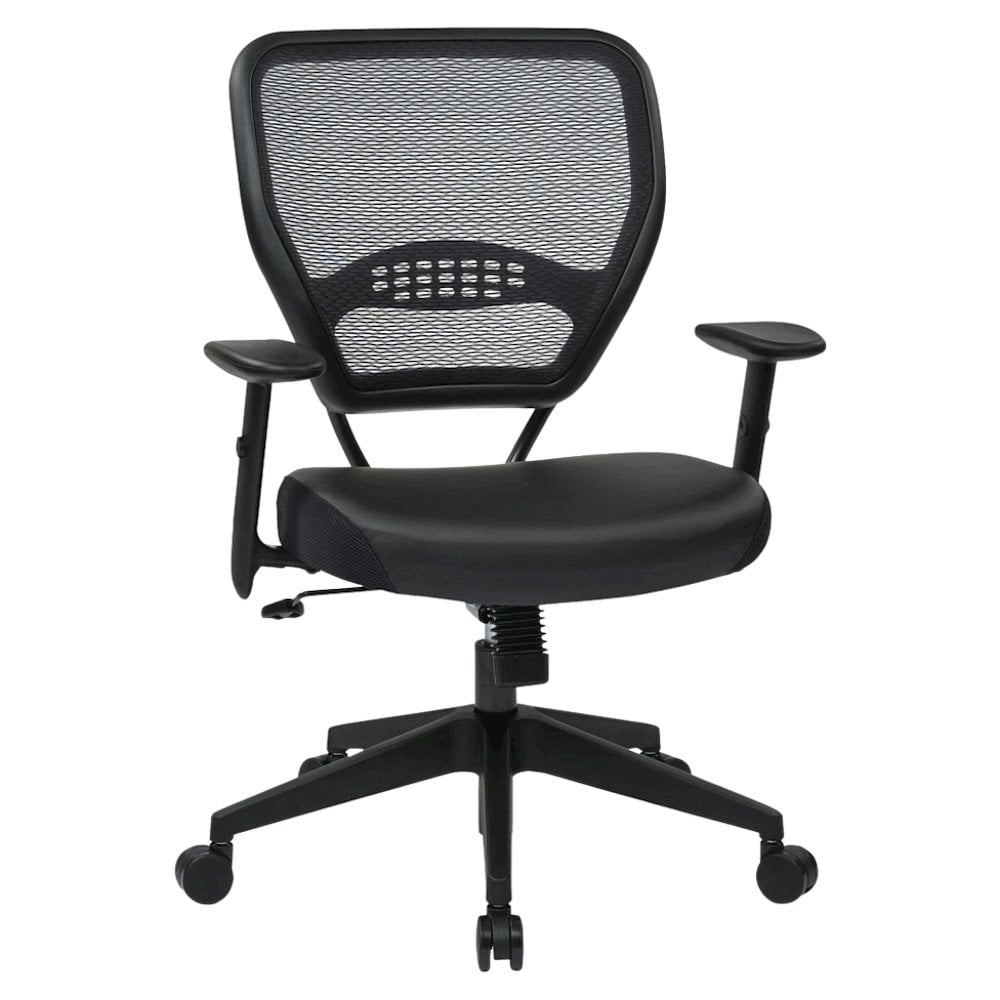
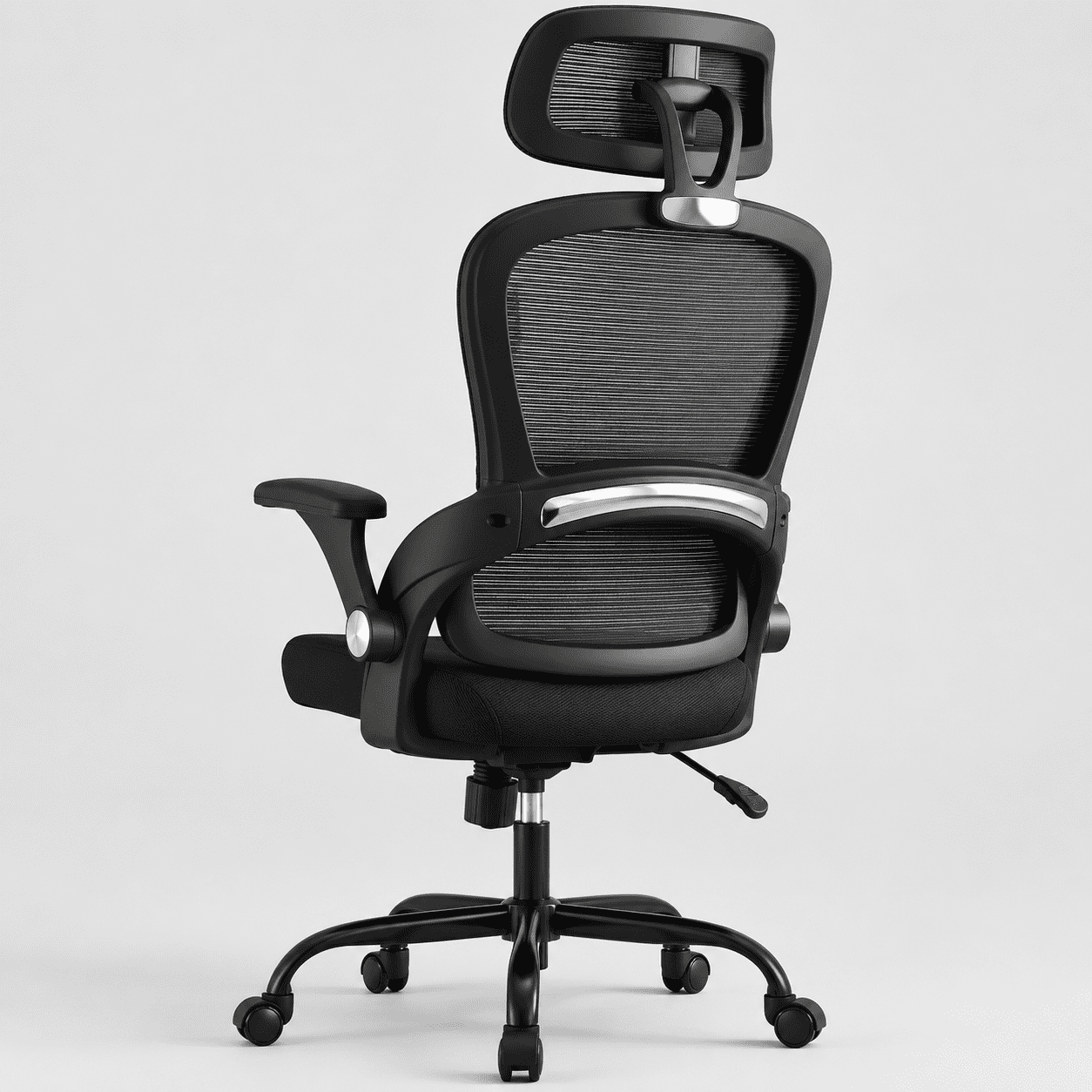
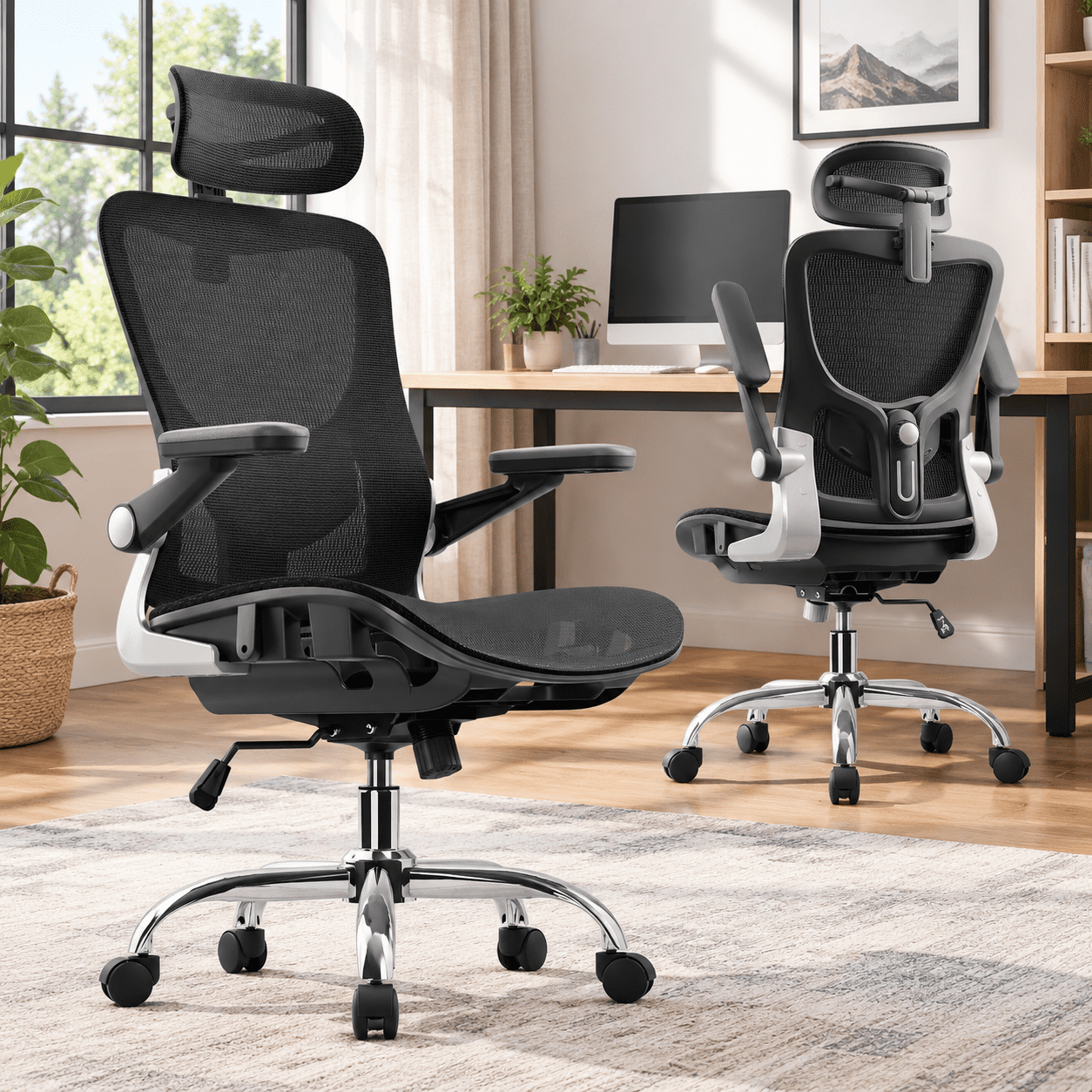
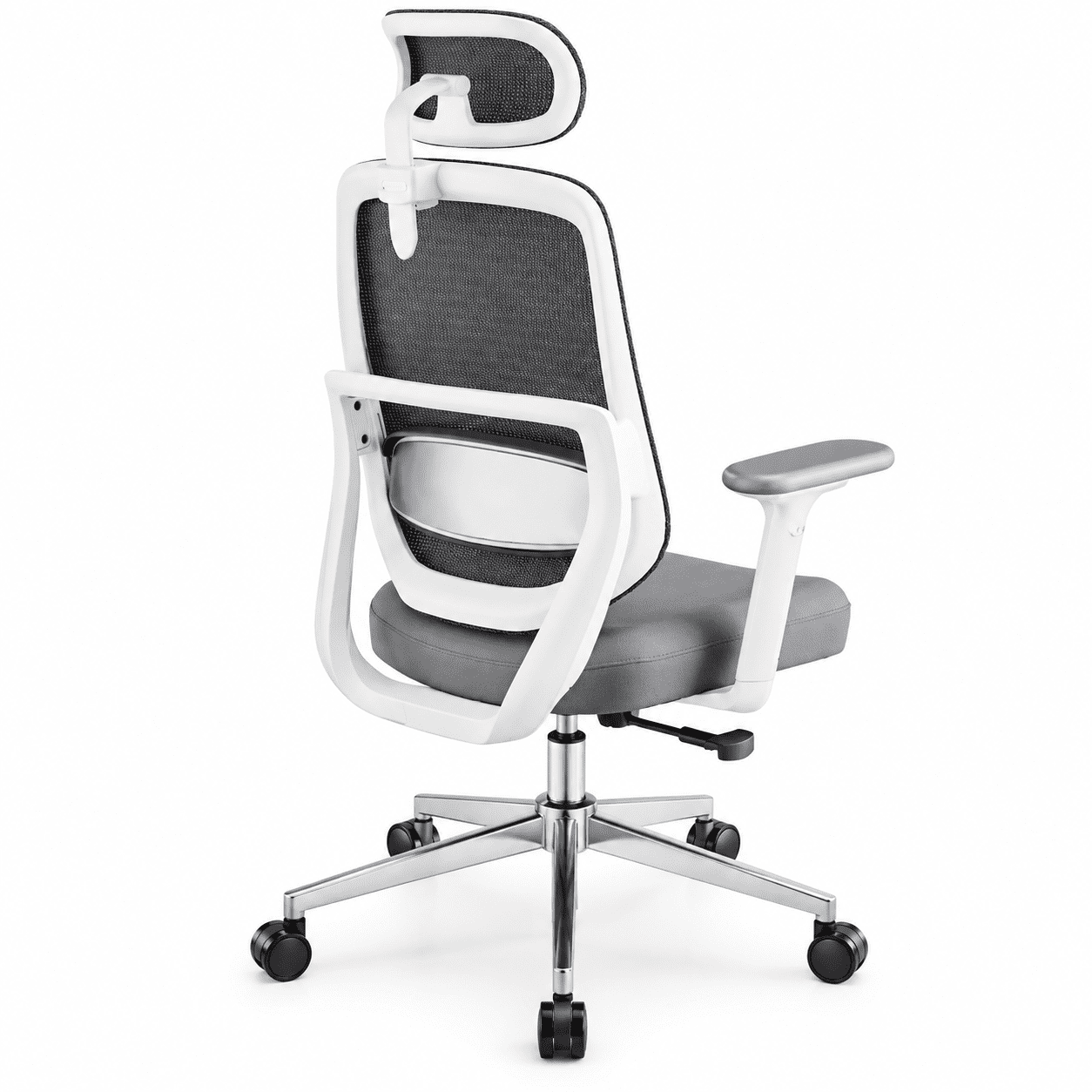
✔ Ergonomic Office Chairs (Built-in)
- Integrated waterfall edge seats
- Adjustable depth for customized fit
- Premium materials (mesh/leather) for breathability
- Long-term durability and warranty
✔ Add-On Seat Cushions
- Cost-effective upgrade for existing chairs
- Portable and washable covers
- Memory foam with contoured shape
- Immediate pressure redistribution
How to Choose the Right Chair Based on Your Body Type
Every body is unique, and proper thigh support depends on your height, weight, and sitting habits. Follow this step-by-step checklist:
- Measure Your Thigh Length: Sit with your back against a wall and measure from the wall to the back of your knee. Your chair’s seat depth should be 2–5 cm shorter than this measurement.
- Test the Seat Pan Firmness: Firm yet conforming foam prevents sagging. Sit for at least 10 minutes to detect any hot spots under your thighs.
- Check Adjustability Range: A quality ergonomic chair offers seat depth adjustment of at least 2 inches and tilt tension control.
- Consider Material Breathability: If you tend to run warm, choose breathable mesh or perforated leather to avoid moisture buildup under the thighs.
For taller individuals, a chair with a deeper seat (20+ inches) is essential, while petite users need chairs with shallow depth settings. Brands focusing on inclusivity often provide multiple size options or extensive adjustability to cater to diverse body types.
Best Materials for Long-Lasting Thigh Support
The combination of upholstery and padding determines how well your chair maintains thigh support over years of use.
- High-Density Molded Foam: Resists flattening and retains its waterfall shape. Ideal for users who prioritize structural support.
- Gel-Infused Memory Foam: Provides cooling properties and conforms to your thighs while evenly distributing weight.
- Mesh Fabric: Offers flexible support without excessive heat buildup. Premium mesh chairs often feature a slight curve at the front to mimic waterfall edges.
- Leather (Top-Grain): Delivers a luxurious feel and develops a personalized contour over time. However, ensure it has sufficient cushioning underneath to prevent bottoming out.
Health Benefits Beyond Simple Comfort
Investing in proper thigh support is a proactive health decision. The advantages include:
- Prevention of Meralgia Paresthetica: A condition caused by compression of the lateral femoral cutaneous nerve, resulting in tingling and numbness in the outer thigh. Ergonomic chairs reduce this risk.
- Better Posture Alignment: When thighs are properly supported, the pelvis stays neutral, reducing strain on the lumbar spine.
- Enhanced Energy Levels: Unrestricted blood flow means less fatigue and improved cognitive function during afternoon slumps.
- Reduced Risk of Deep Vein Thrombosis (DVT): Especially important for individuals with sedentary jobs, proper seat design encourages subtle leg movements and prevents vascular stasis.
Ergonomic Expert Insight: “The most overlooked feature in office seating is the front edge of the seat. A waterfall design reduces pressure by up to 35% compared to traditional flat seats, making it non-negotiable for anyone with existing thigh or knee issues.” — Dr. Sarah Lin, Workplace Ergonomics Specialist.
Seat Cushions: Quick Fix or Long-Term Solution?
For those not ready to purchase a new chair, high-quality seat cushions provide an immediate upgrade. Look for cushions with these characteristics:
- Wedge or contoured shape to promote slight pelvic tilt
- Cut-out relief for tailbone (coccyx) which also benefits thigh alignment
- Non-slip bottom to prevent shifting during work
- Washable, breathable covers (cotton or mesh blends)
However, a dedicated ergonomic chair with built-in thigh support features remains the gold standard for long-term durability and full integration with other adjustments like armrests and lumbar support.
Maintaining Your Chair for Consistent Support
Even the best chair requires care to preserve its supportive properties:
- Rotate cushions periodically to avoid uneven compression.
- Clean upholstery with appropriate products to prevent material degradation.
- Check gas lift yearly; a failing cylinder changes seat height, altering ergonomic angles.
- Re-tighten bolts on adjustable mechanisms to avoid wobbling that could shift your posture.
Frequently Asked Questions About Office Chair Thigh Support
Conclusion: Invest in Comfort, Reclaim Your Well-Being
Your office chair should work as hard as you do. Prioritizing office chair thigh support is not just about luxury—it’s a functional necessity for anyone dedicated to long-term health and peak performance. Whether you choose a premium ergonomic model with a waterfall seat or a targeted cushion upgrade, the right support transforms your daily work experience.
Remember to assess your unique anatomy, test chairs when possible, and look for certified ergonomic features. By implementing the strategies and knowledge from this guide, you’ll reduce discomfort, improve circulation, and maintain higher energy levels throughout the day. Your legs—and your productivity—will thank you.
Final Recommendation: For most users, investing in a chair with adjustable seat depth (at least 2 inches range) and a waterfall front edge yields the best return on investment. If budget is limited, a high-quality memory foam wedge cushion with a contoured design offers a reliable stopgap solution.