
Why Your Office Chair Seat is the Most Critical Component for Comfort
Imagine sitting on a wooden bench for nine hours—your legs would ache, your back would scream, and your focus would vanish. Yet, millions of professionals unknowingly sit on inadequate seat cushions every day. The most comfortable office chair seat acts like a personalized cloud, distributing your body weight evenly and supporting your natural posture.
🔍 Research Insight: A study from the Journal of Physical Therapy Science found that seat cushion design directly impacts spinal curvature and muscle activity. Professionals using ergonomically designed seat cushions reported 47% less lower back discomfort and a 32% increase in perceived focus during extended work sessions.
Think of your office chair seat as the foundation of a house. If the foundation is cracked or uneven, everything built on top—your posture, comfort, and even your mood—will suffer. Investing in the right seat isn't a luxury; it's a strategic move for your health, productivity, and long-term well-being.
Anatomy of a Superior Office Chair Seat
What separates a mediocre seat from the most comfortable office chair seat? Let's break down the essential components that work together to create exceptional comfort:
1. High-Density Foam Core
Look for foam with a density rating of 4-6 lbs per cubic foot. This provides resilient support that doesn't bottom out after months of use. Premium seats often use multi-layer foam with a firmer base and softer top layer.
2. Waterfall Edge Design
A curved front edge reduces pressure on the underside of your thighs, preventing circulation issues and numbness. This simple design feature can make a dramatic difference during long sitting sessions.
3. Seat Depth Adjustability
The ability to slide the seat pan forward or backward ensures proper support for legs of any length. Aim for 2-4 inches of space between the seat edge and the back of your knees.
4. Breathable Upholstery
Whether it's premium mesh, perforated leather, or moisture-wicking fabric, proper airflow prevents heat buildup and keeps you comfortable even during intense work sessions.
Types of Seat Cushions and Materials: Finding Your Perfect Match
Not all comfort is created equal. Understanding different cushion types helps you select the most comfortable office chair seat tailored to your body and work habits.
| Cushion Type | Best For | Key Benefits | Considerations |
|---|---|---|---|
| High-Density Memory Foam | Individuals who prefer a contouring, body-molding feel | Excellent pressure relief, conforms to body shape, reduces pressure points | Can retain heat, may feel too soft for some users |
| Gel-Infused Foam | Hot sleepers or those in warmer climates | Cooling properties, consistent support, combines contouring with stability | Often more expensive, may feel firmer initially |
| Latex Foam | Users wanting responsive, springy support | Naturally breathable, durable, offers resilient bounce | Firmer feel, can be heavier than synthetic options |
| Air Cell Technology | Medical conditions like tailbone pain or sciatica | Customizable firmness, zero pressure points, promotes blood flow | Requires occasional air adjustment, can feel unstable |
| Polyurethane Foam | Budget-conscious buyers needing adequate support | Cost-effective, decent durability, consistent feel | May degrade faster than premium options |
Seat Width and Depth: The Goldilocks Principle
Finding the right dimensions is crucial for the most comfortable office chair seat. Too narrow, and you'll feel squeezed. Too wide, and you lose proper arm support. Too shallow, and your thighs lack support. Too deep, and you'll experience pressure behind your knees.
- Standard Seat Width: Most adults need 18-22 inches. Measure your hip width and add 1-2 inches on each side for optimal freedom of movement.
- Optimal Seat Depth: When seated with your back against the chair, you should have 2-4 fingers' width between the seat edge and the back of your knees.
- Thigh Support: The seat should support at least 75% of your thigh length without pressing into the backs of your knees.
Ergonomic Features That Transform Seat Comfort
The most comfortable office chair seats incorporate advanced ergonomic elements that actively promote healthy posture and reduce strain:
Contoured Shape
Subtle curves that cradle your hips and promote neutral pelvic positioning, preventing forward slump.
Pressure-Relieving Cutouts
Coccyx (tailbone) relief channels or sacral support zones that eliminate pressure points.
Multi-Layer Construction
Firm base foam for support, softer top layer for comfort, and often a gel or cooling layer for temperature regulation.
Independent Tilt Mechanism
Allows the seat to tilt independently from the back, maintaining proper thigh angle during recline.
Seat Materials: Balancing Durability, Comfort, and Maintenance
The upholstery covering your seat isn't just about aesthetics—it directly affects breathability, durability, and tactile comfort. Here's how premium materials compare:
Premium Breathable Mesh
- • Superior airflow prevents heat buildup
- • Self-adaptive tension provides consistent support
- • Easy to clean and stain-resistant
- • Ideal for warmer climates or active sitters
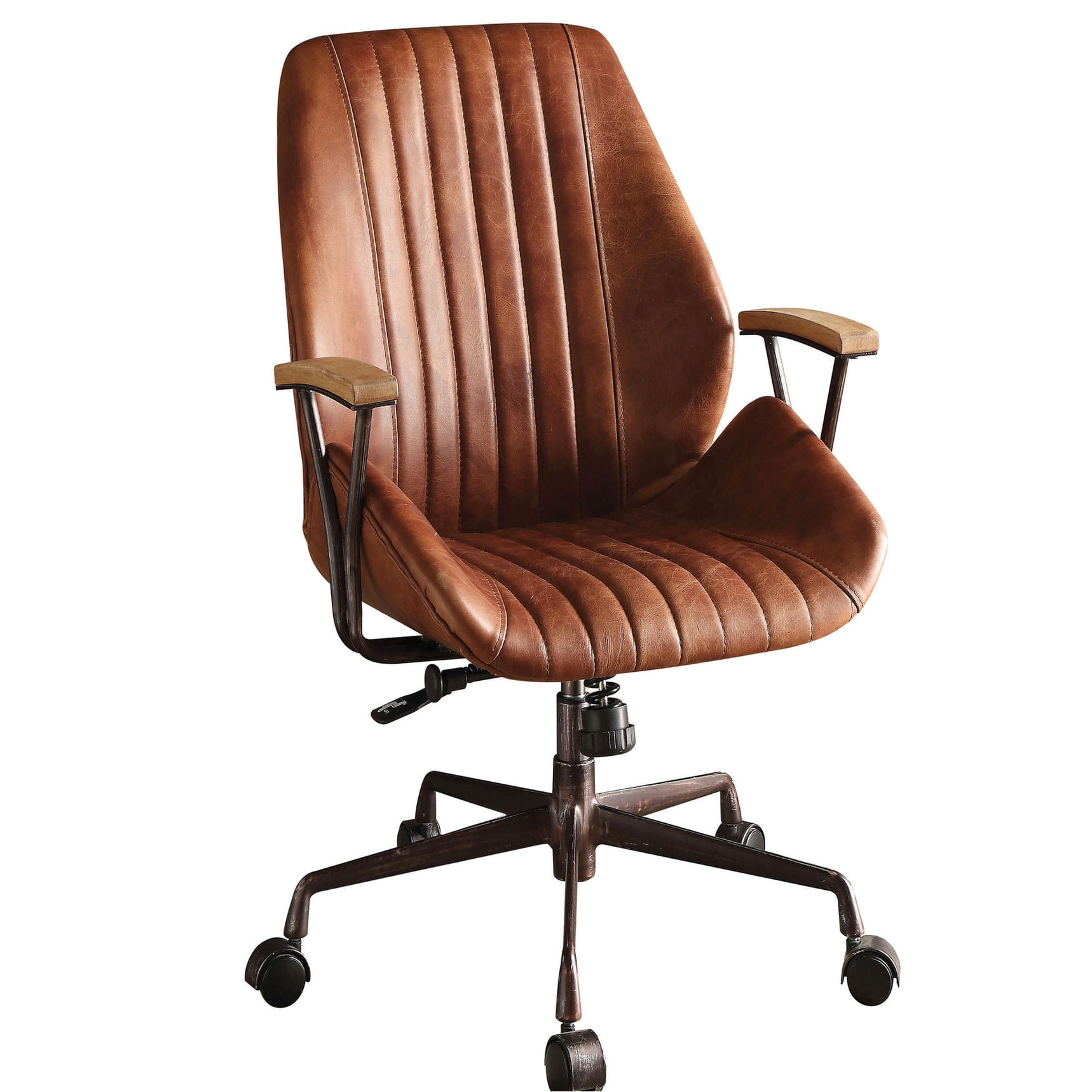
Top-Grain Leather
- • Luxurious feel that improves with age
- • Easy to wipe clean; resists spills
- • Provides firm, stable support surface
- • Adds professional aesthetic to executive spaces
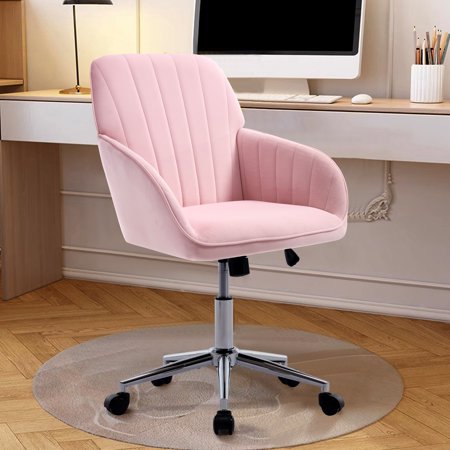
High-Quality Fabric
- • Soft, plush feel with varied texture options
- • Available in countless colors and patterns
- • Often treated with stain-resistant coatings
- • Quieter than leather during movement
How to Test Seat Comfort Before Committing
Finding the most comfortable office chair seat requires more than reading reviews. Use these testing methods to ensure your choice delivers:
- The 20-Minute Sit Test: Sit in the chair for at least 20 minutes, simulating your typical work activities. Notice any pressure points, hot spots, or areas of discomfort.
- Thigh Pressure Check: Slide your hand between the seat edge and the back of your knee. There should be minimal pressure and easy movement.
- Recline Test: Lean back to test how the seat pan moves. Does it tilt with you, or does it create pressure at the hip joint?
- Edge Support Test: Sit forward and check if the seat edge digs into your thighs. Quality seats maintain support even when you're not fully reclined.
- Movement Assessment: Shift side to side, reach for items, and twist. A comfortable seat allows freedom of movement without creating instability.
Common Signs Your Office Chair Seat Needs Replacement
Even the most comfortable office chair seat will eventually wear out. Watch for these indicators that it's time for an upgrade:
- Visible Sagging or Indentations: If the seat retains the shape of your body after you stand, the foam has lost its resilience.
- Bottoming Out: You feel the hard seat pan beneath the cushion, especially after sitting for short periods.
- New or Worsening Pain: If you're experiencing hip, tailbone, or lower back discomfort that wasn't present before, your seat may no longer provide adequate support.
- Fabric Damage: Rips, tears, or worn areas affect comfort and can create pressure points.
- Creaking or Squeaking: Often indicates underlying structural issues that affect seat stability and support.
• Best for Pressure Relief: Memory foam with gel infusion
• Best for Breathability: High-quality mesh with tension control
• Best for Durability: High-density foam with leather covering
• Best for All-Day Use: Multi-layer foam with waterfall edge and seat depth adjustment
• Best for Medical Needs: Air cell cushions with adjustable firmness and coccyx cutout
Investing in Your Comfort: Long-Term Value
When you consider that the average office worker spends over 90,000 hours seated during their career, the importance of the most comfortable office chair seat becomes clear. Beyond the immediate benefits of reduced pain and improved focus, a quality seat offers:
- Healthcare Savings: Preventing chronic back issues reduces medical expenses over time.
- Productivity Gains: Comfortable professionals work more efficiently with fewer breaks due to discomfort.
- Professional Image: A well-maintained, premium chair communicates attention to quality and detail.
- Extended Chair Life: Quality seats outlast budget options by 5-10 years, offering better cost-per-year value.