
The Unsung Hero of an Ergonomic Office: The Plastic Floor Mat
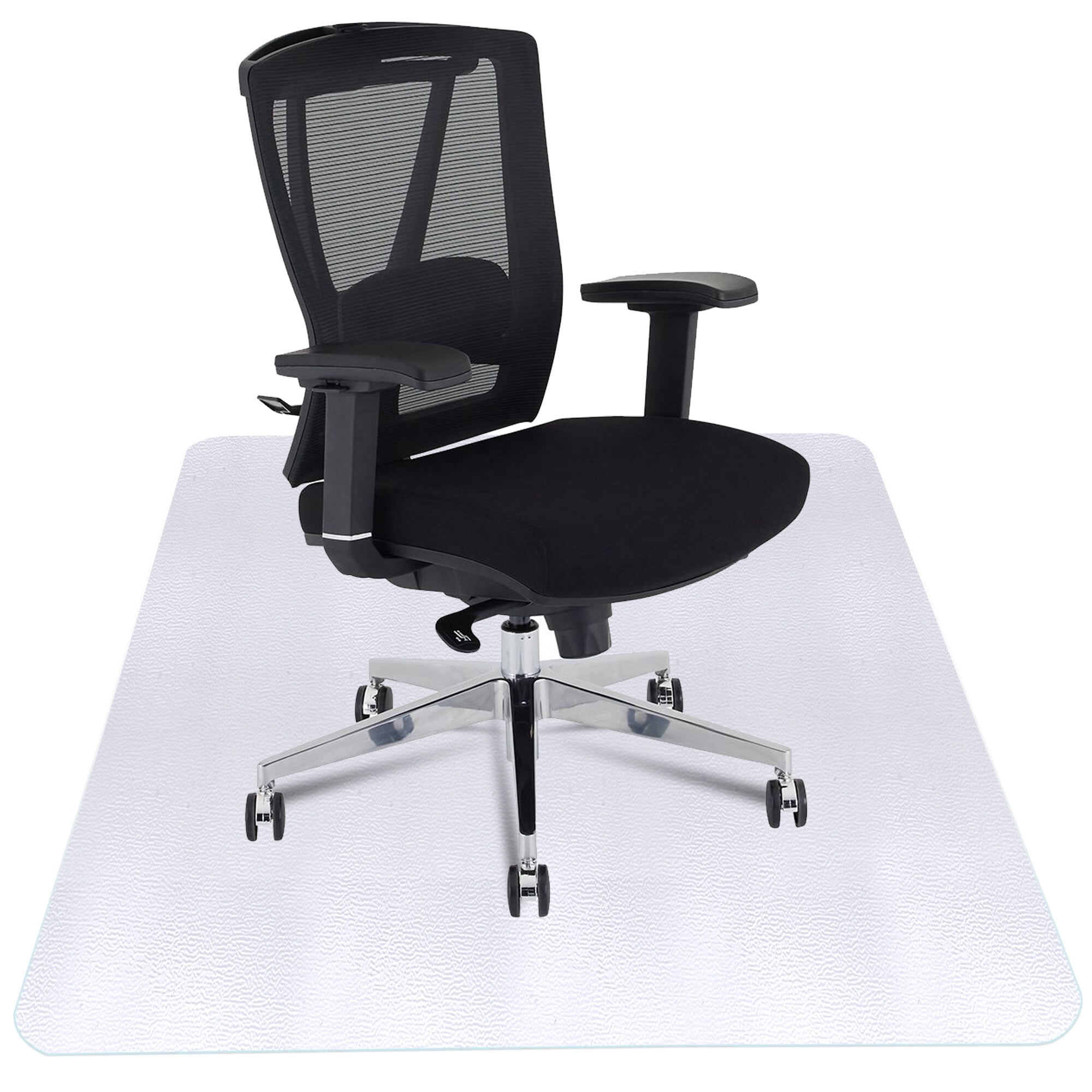
Imagine investing in a premium office chair plastic floor mat is like buying a high-quality pair of tires for a luxury car. The car (your chair) might be fantastic, but without the right tires (the mat), you won't get a smooth ride, and you'll damage the road (your floor) underneath. A plastic floor mat is that critical interface, ensuring your chair glides effortlessly while safeguarding your expensive flooring.
Did You Know? According to flooring industry data, the constant micro-movements of an office chair caster can cause visible wear on carpets and scratches on hard floors in as little as six months. A quality chair mat can extend the life of your flooring by up to 10 years.
Beyond Protection: Why a Chair Mat is a Non-Negotiable
The benefits of an office chair plastic floor mat go far beyond just protecting your floors. It's an active component of your ergonomic setup.
- Effortless Mobility: A smooth mat surface eliminates the "stuck in a rut" feeling on carpet and allows for seamless movement from your keyboard to a filing cabinet, reducing reaching strain.
- Noise Reduction: On hard floors, plastic or rubber casters can create a clattering sound. A mat dampens this noise, creating a quieter, more professional environment.
- Defined Workspace: A mat physically delineates your active work zone, which can help with spatial organization and even mental focus.
- Ergonomic Support (Anti-Fatigue): Some thicker or cushioned mats provide anti-fatigue benefits, reducing stress on your legs and lower back if you tend to stand or shift weight frequently while seated.
Choosing Your Champion: Carpet Mats vs. Hard Floor Mats
Selecting the wrong type is the most common mistake. They are not interchangeable. Here’s the breakdown:
1. Office Chair Plastic Floor Mat for Carpet
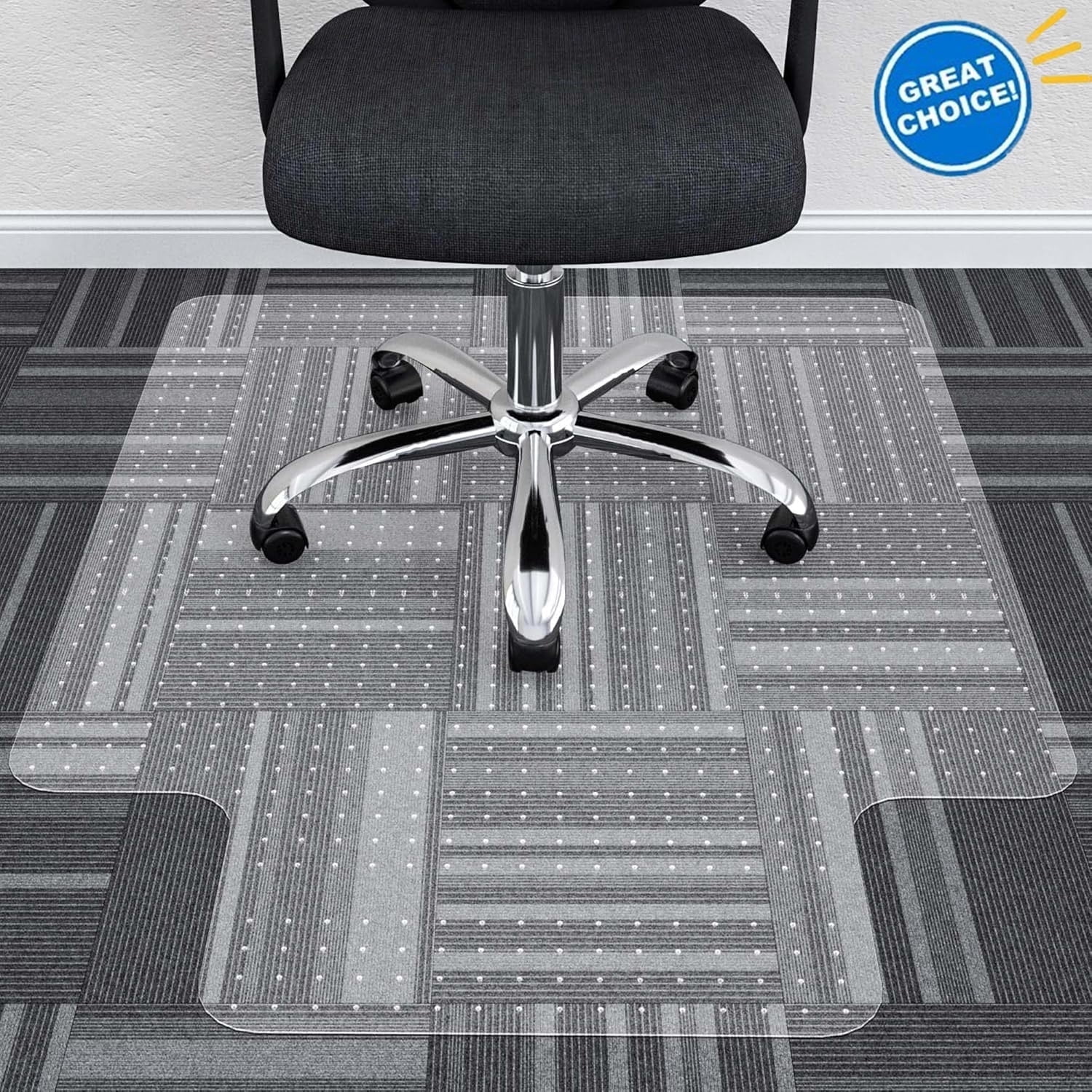
These mats are designed with a bed of cleats or spikes on the underside. When placed on carpet, these cleats dig in, anchoring the mat firmly so it doesn't slide around as you roll. The mat itself provides a rigid, flat surface for your chair.
- Low-Pile Carpet: A standard cleated mat works perfectly.
- Medium to High-Pile/Plush Carpet: You need a heavy-duty mat with longer, more aggressive cleats. A standard mat will sink and the cleats won't get enough grip, causing the mat to shift. Look for terms like "deep-grip" or "high-pile."
2. Office Chair Plastic Floor Mat for Hard Floors
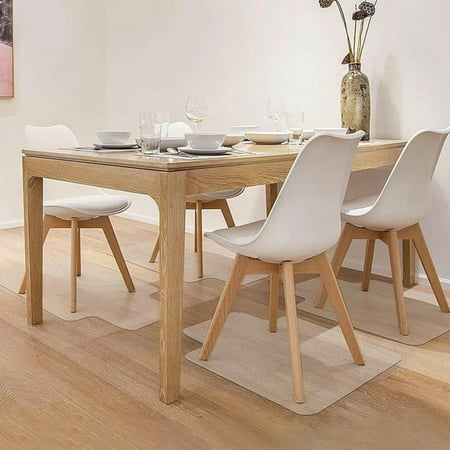
For hardwood, laminate, tile, or vinyl, you must use a mat with a flat or textured bottom. There are no cleats. These mats rely on friction or a special grippy backing to stay in place. They are made from materials that won't scratch your delicate floor surface.
- Smooth Backing: Common in less expensive mats, relies on the mat's weight and flat surface.
- Textured/Grippy Backing: Premium mats often have a specialized coating that prevents slipping without adhesives, ideal for glossy floors.
Material Science: Polycarbonate vs. PVC vs. Bamboo
Polycarbonate (The Premium Choice)
- Durability: Virtually unbreakable and crack-resistant.
- Clarity: Crystal clear and stays that way without yellowing.
- Eco-Friendly: Often made from recycled materials and recyclable.
- Odorless: No off-gassing or strong chemical smell.
- Stays Flat: Edges won't curl over time.
PVC/Vinyl (The Economic Choice)
- Cost: More budget-friendly upfront.
- Durability: Can crack, especially in cold temperatures.
- Clarity: May become cloudy or yellow with age.
- Odor: Can have a strong "plastic" smell initially (off-gassing).
- Curling: Prone to edge curling, creating a tripping hazard.
Bamboo/Rubber Mats: These are excellent aesthetic alternatives. Bamboo mats are rigid and beautiful but can be damaged by moisture. Rubber mats are flexible, great for anti-fatigue, but can be heavy and may mark some floors.
Step-by-Step: How to Choose Your Perfect Mat
- Step 1: Identify Your Floor Type. Is it carpet (and how thick?) or hard surface (wood, tile, vinyl)? This is your primary decision filter.
- Step 2: Measure Your Space. Measure the area under your desk where you roll. A common size is 36" x 48", but larger formats (46" x 60") are better for L-shaped desks or if you move around a lot.
- Step 3: Choose Your Material. For a lifetime purchase, pick polycarbonate. For a short-term or budget setup, PVC will work.
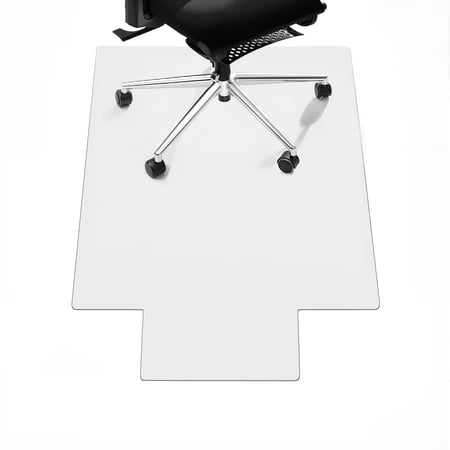
- Step 4: Consider the Lip. Does your chair need to roll from the mat to the floor? A lipless mat (beveled edge) is essential for a smooth transition and safety.
- Step 5: Check for "Chair Mat" vs. "Floor Mat". Ensure the product is specifically designed for rolling office chairs, as it needs to withstand the point load of casters.
Quick Comparison: Mat Types at a Glance
| Mat Type | Best Floor | Key Feature | Material Suggestion |
|---|---|---|---|
| Standard Cleated | Low-pile carpet | Spikes grip carpet fibers | Polycarbonate |
| Heavy-Duty Cleated | Plush / High-pile carpet | Longer, aggressive spikes | Polycarbonate |
| Hard Floor | Hardwood, Tile, Laminate | Non-slip, smooth/ textured bottom | Polycarbonate / PVC |
| Anti-Fatigue | Any (usually hard floors) | Cushioned for standing comfort | Rubber / Foam |