
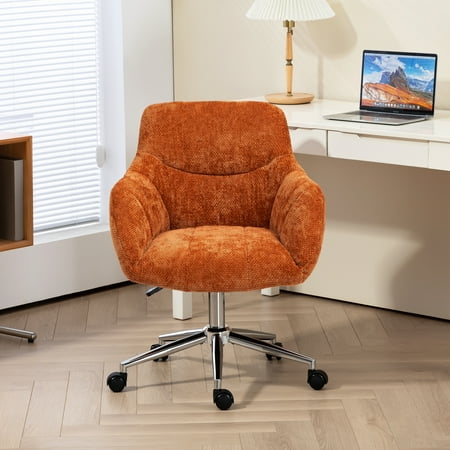
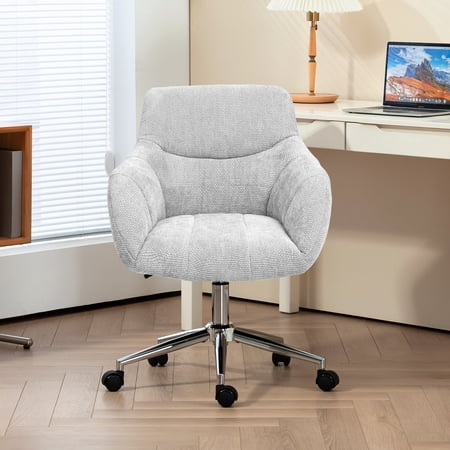
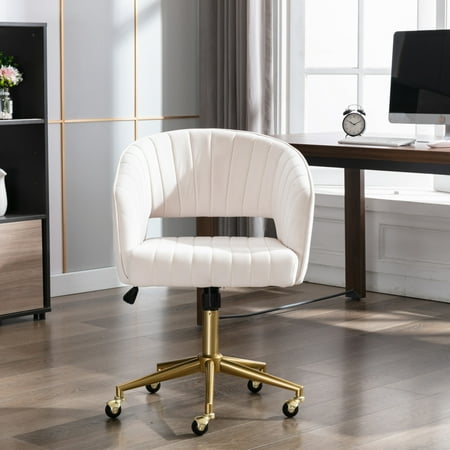
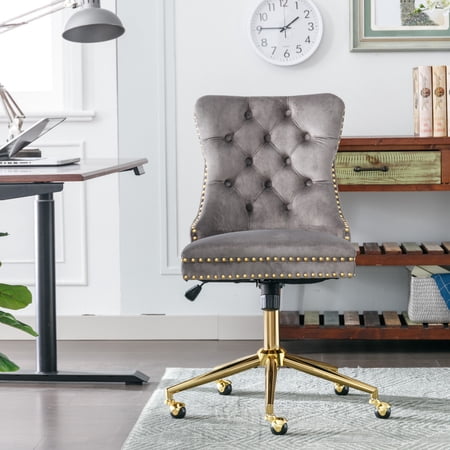
Why an Upholstered Home Office Desk Chair Elevates Your Workspace
Imagine settling into a chair that feels like a tailored piece of furniture—soft to the touch, supportive where it matters, and visually inviting. That’s the essence of a quality upholstered home office desk chair. Unlike rigid plastic or basic mesh alternatives, upholstered chairs blend high-density foam cushioning with fabrics like linen, chenille, or performance velvet. They provide a sanctuary of comfort during back-to-back video calls, deep-focus tasks, and creative brainstorming sessions.
Design Intelligence: Studies from interior ergonomics specialists indicate that tactile comfort reduces subconscious fidgeting by nearly 35%, allowing better concentration. Upholstered surfaces also absorb minor vibrations and provide thermal insulation—keeping you cozy in winter and breathable in summer with modern moisture-wicking textiles.
Key Features That Define Upholstered Excellence
When shopping for the perfect upholstered home office chair, look beyond aesthetics. The best models fuse style with structural integrity. Here’s what separates a premium piece from a basic accent chair:
- High-Resilience Foam Core: CertiPUR-US certified foam ensures shape retention, preventing sagging after months of daily use.
- Performance Fabrics: Stain-resistant, easy-clean textiles like Crypton or solution-dyed polyester resist spills and fading.
- Contoured Seat Pan: Waterfall edge design reduces pressure behind the knees, promoting healthy circulation.
- Multi-Function Mechanisms: Pneumatic height adjustment, tilt lock, and 360° swivel deliver dynamic ergonomics.
- Reinforced Wood or Metal Frame: Hardwood frames or steel bases guarantee stability for years of service.
✨ The “Cushion Factor”: Why Upholstered Chairs Improve Posture
Many assume soft chairs cause slouching, but the opposite is true when ergonomic design is applied. A well-constructed upholstered seat provides targeted lumbar support via built-in contours or adjustable pillows. The combination of plushness and structure encourages a neutral spine position. According to the American Chiropractic Association, supportive foam seating reduces lower back strain by up to 42% compared to hard-surface chairs, especially when combined with dynamic recline.
Upholstery Material Deep Dive: Choose Your Perfect Texture
Velvet & Chenille
Luxurious, soft, and visually rich. Ideal for executive home offices or designer spaces. Modern velvet is often treated with stain guards, making it surprisingly durable for daily use.
Linen-Blend Fabric
Breathable, natural aesthetic, and moisture-absorbing. Perfect for warm climates and minimalist interior themes. Blended linen resists wrinkling and provides a crisp, tailored look.
Performance Polyester
Highly resilient and easy to clean. Often used in high-traffic home offices. Repels spills, fades slowly, and maintains tension for consistent support.
Eco-Friendly Fabrics
Recycled polyester and OEKO-TEX certified materials offer sustainable comfort without sacrificing durability or style.
Step-by-Step: How to Choose Your Ideal Upholstered Home Office Desk Chair
Step 1: Measure Your Workspace & Body
- Desk clearance: Ensure chair arm height fits under your desk.
- Seat width: For larger frames, look for “big & tall” upholstered versions (22”+ seat width).
- Seat depth: Ideal depth leaves 2-3 fingers between back of knees and seat edge.
Step 2: Prioritize Ergonomic Adjustability
- Adjustable lumbar support (height and depth).
- 3D or 4D armrests that pivot, raise, and slide.
- Synchro-tilt mechanism that reclines while keeping feet flat.
Step 3: Test Fabric Durability
- Look for rub count (Wyzenbeek) above 50,000 for heavy daily use.
- Check if fabric is removable/washable or spot-clean only.
Step 4: Match Style with Function
- Neutral tones: beige, gray, or navy blend with any décor.
- Button-tufted or channel-back designs add classic sophistication.
- High back vs. mid-back: high back offers neck support; mid-back suits dynamic tasking.
Health & Wellness Perks of a Quality Upholstered Chair
🔹 Pressure Redistribution
High-density foam conforms to your body shape, minimizing pressure points on hips and thighs.
🔹 Enhanced Focus
Reduced discomfort means fewer micro-breaks; productivity can increase by 20-30% according to workplace studies.
🔹 Reduced Noise & Static
Upholstery dampens creaks and eliminates static buildup common with plastic/mesh.
🔹 Professional Aesthetic
Impress clients during video calls with a polished, high-end seating appearance.
Comparing Upholstered vs. Leather vs. Mesh: Which Wins?
Each material has its strengths. Upholstered chairs strike a balance: they offer the cozy warmth of fabric, superior breathability (when using natural fibers), and a high-end look that rivals leather. Mesh excels in airflow, but lacks plushness; leather requires more maintenance. For home offices where comfort and style are paramount, upholstered chairs remain the top choice for those working 6+ hours daily.
Budget & Long-Term Value
Quality upholstered home office desk chairs typically range from $250 to $900. Entry-level models ($250–$400) offer essential ergonomics and decent foam. Mid-tier ($450–$700) includes adjustable lumbar, premium fabric, and extended warranties. Premium options ($750+) often feature eco-friendly materials, 4D armrests, and multi-year component warranties. Consider this a long-term investment: a durable upholstered chair can serve you for 7–10 years, paying back in comfort and health dividends.