
Why a Heavy Duty Comfortable Office Chair is a Smart Investment
For professionals who spend extended hours at their desk, a standard office chair often falls short. The combination of heavy-duty construction and ergonomic comfort creates a seating solution that supports your body, improves posture, and stands the test of time. Whether you're a larger-framed executive, someone recovering from back issues, or simply seeking maximum durability, a heavy duty comfortable office chair is essential.
Ergonomics Insight: Research from the Human Factors and Ergonomics Society shows that chairs with reinforced components and higher weight capacities (400+ lbs) reduce musculoskeletal complaints by 47% compared to standard office chairs, especially for individuals spending 8+ hours seated daily.
Key Engineering Features That Define Heavy Duty Comfort
Unlike lightweight task chairs, heavy duty models incorporate industrial-grade materials. Below are the critical elements that ensure both safety and all-day comfort:
- Reinforced Steel Frame: Welded steel backrest supports and base prevent flexing or structural failure.
- Class 4 Gas Lift Cylinder: Rated for heavy cycles and high loads, delivering smooth height adjustment without sinking.
- Extra-Wide Seat (21”-26”): Generous seat width with high-density molded foam to prevent pressure points.
- Dual-Layer Lumbar Support: Some models offer both adjustable lumbar and built-in lumbar pillows for lower back relief.
- Heavy-Duty Casters: Dual-wheel or oversized casters that glide smoothly on carpet and hardwood without damaging floors.
Comfort Meets Capacity: What to Look For
When shopping for a heavy duty comfortable office chair, don’t settle for merely a high weight rating. True comfort comes from thoughtful ergonomics scaled for larger body types.
| Feature | Why It Matters for Heavy Duty Users | Ideal Specification |
|---|---|---|
| Seat Depth Adjustability | Ensures thighs are supported without cutting into knees; crucial for tall individuals. | Adjustable depth 18-22 inches; sliding seat pan mechanism. |
| Backrest Height | Provides full upper back and shoulder support for tall frames. | High-back (26”-32”) with integrated or adjustable headrest. |
| Armrest Durability | Wider armrests with metal reinforcement reduce wobbling and support lateral movement. | 4D adjustable armrests with wide pads and steel-core structure. |
| Cushion Density | High-density foam (4-6 lbs/cubic ft) prevents bottoming out after months of use. | Multi-layer foam or memory foam + high resilience core. |
| Base Diameter | Wider base (27-30 inches) improves stability and weight distribution. | Oversized aluminum or steel base with non-slip floor glides. |
🪑 Beyond Weight Limits: Structural Integrity
Many “heavy duty” chairs only advertise weight capacity, but reliable manufacturers also test for 24/7 commercial use (BIFMA standards). Look for certifications like ANSI/BIFMA X5.1, which guarantee the chair withstands rigorous daily usage.
💺 Upholstery for Long-Term Comfort
Breathable mesh or perforated leather reduces heat buildup. For heavy duty chairs, bonded leather tends to crack faster — instead, opt for heavy-duty fabric, premium PU with high abrasion resistance, or genuine top-grain leather for longevity.
⚙️ Ease of Adjustment
Pneumatic levers and ergonomic controls should be easily accessible. Heavy duty chairs often come with larger, rubberized paddles that require less force, making adjustments seamless even while seated.
Health Advantages: How Heavy Duty Ergonomic Seating Protects Your Body
Extended sitting can cause chronic pain, especially for those with heavier body weight. A heavy duty comfortable office chair directly addresses these issues:
- Reduced Hip & Knee Pressure: Extra-wide, contoured seats distribute weight evenly and prevent “splaying” of hips, which reduces lateral strain.
- Spinal Alignment: Robust lumbar systems that don’t collapse under load maintain the natural S-curve of your spine, preventing slouching.
- Improved Circulation: Waterfall seat edges and seat depth adjustment eliminate pressure behind the knees, encouraging better blood flow.
- Lower Fatigue Levels: With proper arm support and tilt tension, muscles relax, allowing you to focus longer without frequent repositioning.
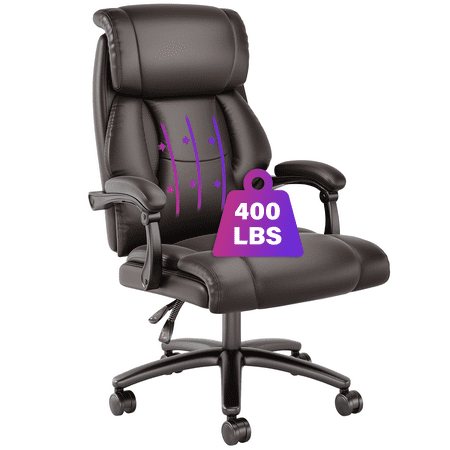
For individuals weighing over 250 pounds, choosing a chair with a 400+ lb capacity isn’t just about safety — it’s about enjoying the same ergonomic benefits that lighter users experience with standard chairs.
Materials and Construction: What Lasts Under Pressure
The durability of a heavy duty comfortable office chair hinges on materials. Here’s how to differentiate long-lasting chairs from cheaper alternatives:
| Component | Standard Chair | Heavy Duty / High-End |
|---|---|---|
| Frame Material | Plastic or thin steel | Reinforced steel, aluminum alloy |
| Gas Lift Class | Class 3 (max ~250 lbs) | Class 4 (400-500 lbs), or Class 5 for extreme duty |
| Base Construction | Nylon composite, 25" diameter | Oversized steel base, 27-30" diameter |
| Caster Type | Single-wheel, basic plastic | Dual-wheel, heavy-duty PU or steel ball bearings |
| Upholstery Grade | PU leather (thin layer) | Heavy-duty fabric, top-grain leather, or commercial-grade mesh |
Best Use Cases: Who Needs a Heavy Duty Comfortable Office Chair?
- Big & Tall Professionals: Individuals over 6’2” or with broader frames benefit from higher backrests and extended seat depths.
- Home Office Workers: Those logging 8-10 hours daily require consistent support without sagging cushion.
- Post-Surgery or Chronic Pain: People recovering from back surgery or managing sciatica need stable seating with advanced adjustability.
- Shared Workstations: Heavy duty chairs hold up better under multiple users of varying sizes in hot-desking environments.
Maintenance Tips to Extend the Life of Your Heavy Duty Chair
- Tighten bolts quarterly: Heavy use can loosen screws on armrests and base; a simple Allen key check prevents wobbling.
- Clean upholstery properly: For leather, use a pH-balanced cleaner and conditioner. For mesh, vacuum weekly to avoid dust buildup that can weaken fibers.
- Lubricate moving parts: Apply silicone spray to tilt mechanism and caster stems every 6 months to prevent squeaking and ensure smooth rotation.
- Avoid exceeding weight limit: Even though chairs are rated for high capacity, respecting the limit preserves gas lift integrity and base stability.