
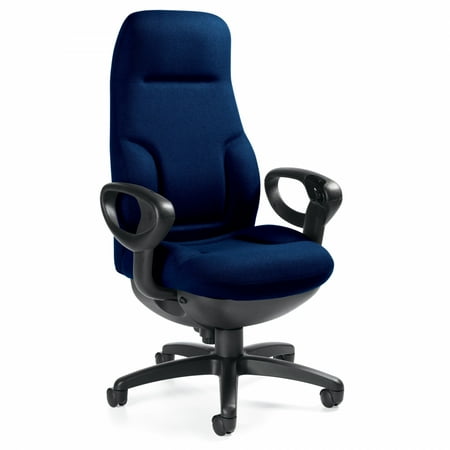
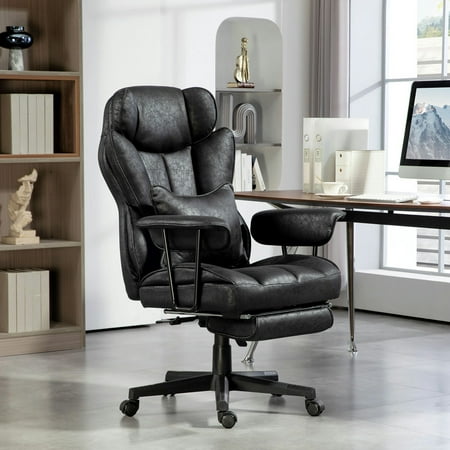
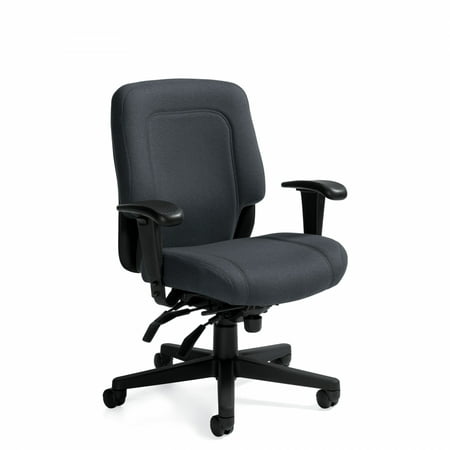
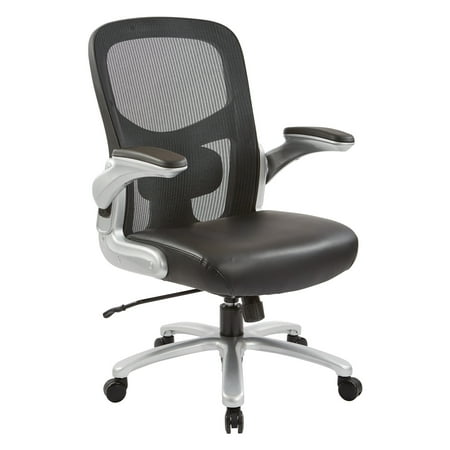
Why Choose a Cloth Big and Tall Office Chair?
Finding the perfect office chair when you have a larger frame or require extra height can feel like a challenge. Standard chairs often lack the necessary seat width, back height, or weight capacity. A big and tall cloth office chair solves these problems by offering a tailored seating experience that prioritizes durability, breathability, and ergonomic support.
Ergonomic Insight: Research indicates that individuals with larger body types experience up to 35% more pressure on the lumbar region when using inadequately sized chairs. Investing in a specialized big and tall chair with a wide, padded fabric seat can significantly reduce musculoskeletal stress and improve circulation.
Key Features Defining Quality Big and Tall Fabric Chairs
These specialized chairs go beyond standard designs. They incorporate engineering principles that ensure safety, comfort, and longevity for users who need more robust support.
- Reinforced Steel Frame: Provides the structural integrity needed to support higher weight capacities without wobbling or premature wear.
- Wide, Contoured Fabric Seat: Typically 20 to 24 inches wide, using high-density foam that prevents bottoming out and maintains shape over time.
- Breathable Mesh or Cloth Back: Prevents heat buildup, a common issue with leather chairs, ensuring you stay cool during extended work sessions.
- Class 4 Gas Lift: A heavy-duty hydraulic cylinder that handles constant height adjustments and supports higher loads safely.
- Extra-Wide Base: A five-point base with a wider footprint ensures stability and prevents tipping, especially when reclining.
Comparing Cloth to Other Upholstery Options for Big and Tall Users
Advantages of Cloth/Fabric
- Breathability: Fabric allows air circulation, keeping you cooler and drier.
- Flexibility: Fabric conforms to your body shape more readily than stiff leather.
- Affordability: Generally, high-quality fabric chairs are more budget-friendly than genuine leather alternatives.
- Variety: Available in many colors and textures to match any office decor.
- Less Maintenance: No need for conditioning; spot cleaning is usually sufficient.
Considerations for Cloth
- Stain Susceptibility: Requires immediate attention for spills, though many come with stain-resistant coatings.
- Wear Over Time: Lower-quality fabric can pill or show friction marks after years of use.
- Allergens: Can trap dust and pet dander if not vacuumed regularly.
The Ergonomic Importance of Proper Fit
When you are tall or broad-shouldered, a standard backrest often leaves your upper back and neck unsupported. A big and tall cloth office chair typically features a high back (often 30 inches or more) that provides full support for the entire spine. This is crucial because:
- It helps maintain a neutral posture, reducing the forward head position that leads to neck strain.
- The wider seat pan distributes weight evenly, alleviating pressure points on hips and thighs.
- Adjustable armrests (4D in premium models) allow you to align your elbows with your desk, preventing shoulder fatigue.
Enhanced Posture
A high back and adjustable lumbar support guide the spine into its natural S-curve, preventing slouching.
Reduced Pressure Points
High-density foam and a contoured seat edge improve blood flow to the legs and prevent numbness.
Long-Term Durability
Reinforced components ensure the chair remains stable and functional for years, even with daily use.
Improved Focus
By eliminating discomfort and fidgeting, you can concentrate fully on your work tasks.
Material Deep Dive: What Makes Quality Cloth for Big and Tall Chairs?
Not all fabric is created equal. The best big and tall chairs utilize commercial-grade upholstery that balances softness with resilience. Look for these fabric types:
- Polyester Blend: Offers excellent durability, color retention, and resistance to wrinkling. It's easy to clean and often treated with stain guards.
- Nylon Fabric: Known for its strength and abrasion resistance, nylon is ideal for high-wear areas like the seat and arm pads.
- Mesh Fabric (for back): Provides superior airflow and flexible support for the lumbar region, often combined with a cushioned cloth seat.
- Chenille or Velvet: For a softer, plusher feel, these fabrics add a touch of luxury while still offering good durability when sourced from reputable manufacturers.
Step 1: Measure Your Space and Yourself
- Seat Width: Measure the widest part of your hips; add 1-2 inches for comfort. Aim for 21-24 inches.
- Seat Depth: When seated, there should be 2-3 fingers of space between the back of your knees and the seat edge. Look for chairs with adjustable seat depth.
- Back Height: For tall individuals, ensure the backrest supports your shoulders or includes an adjustable headrest.
Step 2: Prioritize Weight Capacity and Build Quality
- Verify the chair’s weight rating—look for at least 350 lbs, with premium models supporting 400-500 lbs.
- Check for a metal base (often aluminum or steel) instead of plastic for enhanced stability.
- Confirm the gas lift is Class 3 or Class 4, which are certified for heavy-duty use.
Step 3: Evaluate Ergonomic Adjustability
- Lumbar Support: Adjustable in height and depth to fit your spinal curve.
- Armrests: 4D armrests (up/down, in/out, pivot, and width) offer the most customization.
- Tilt Mechanism: A multi-position tilt lock lets you recline comfortably and lock at your preferred angle.