
Why a Small Office Round Table and Chairs is the Smart Choice for Modern Workspaces
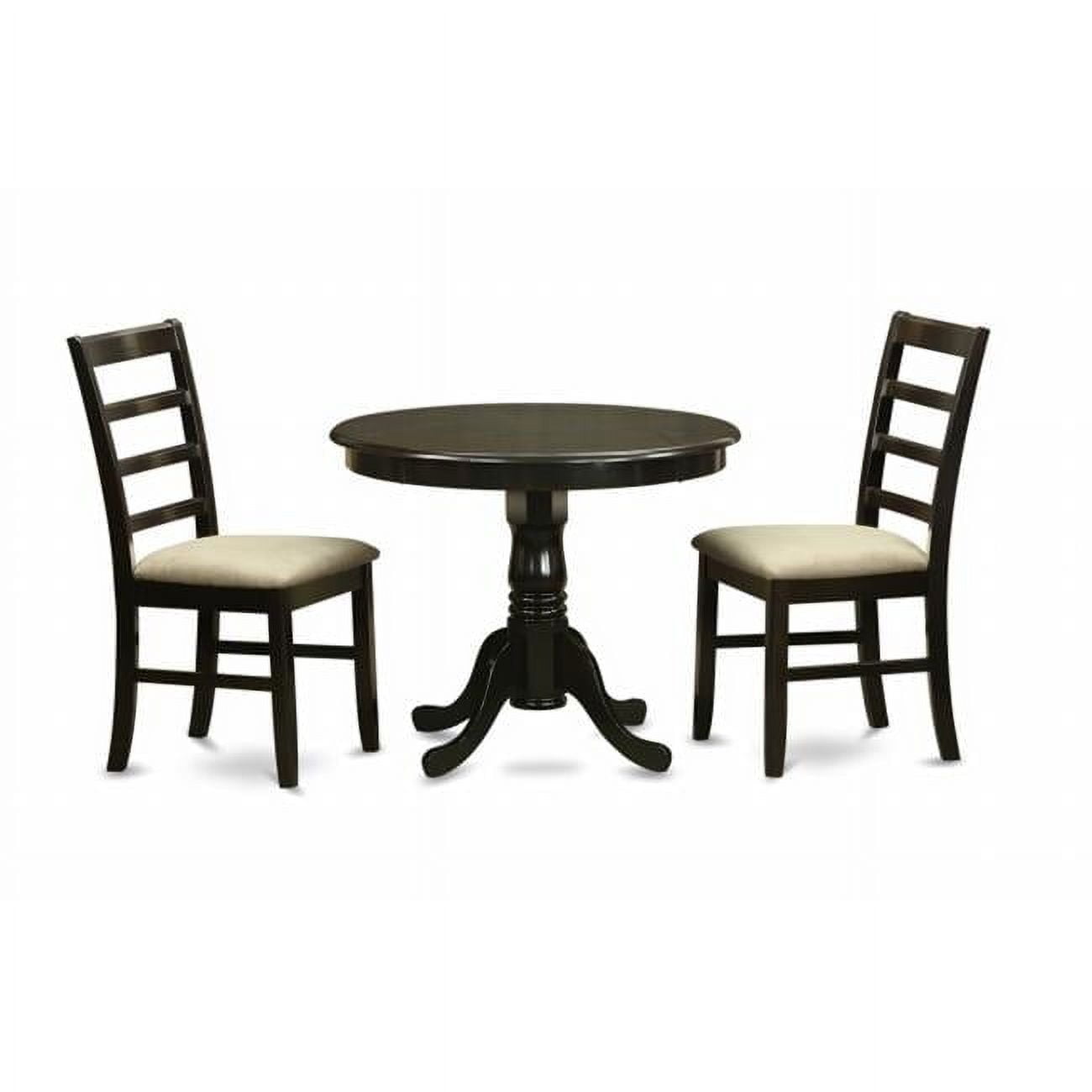
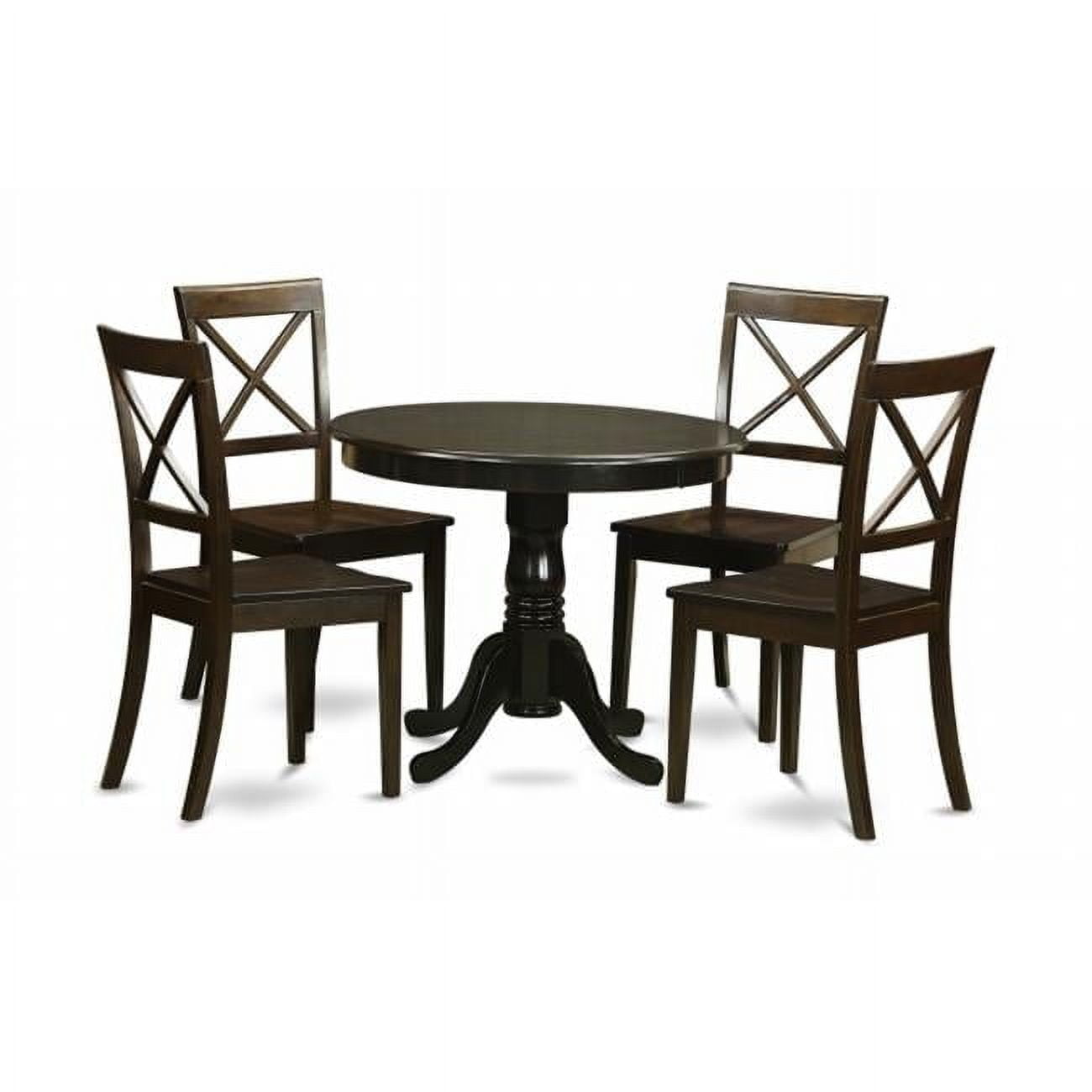
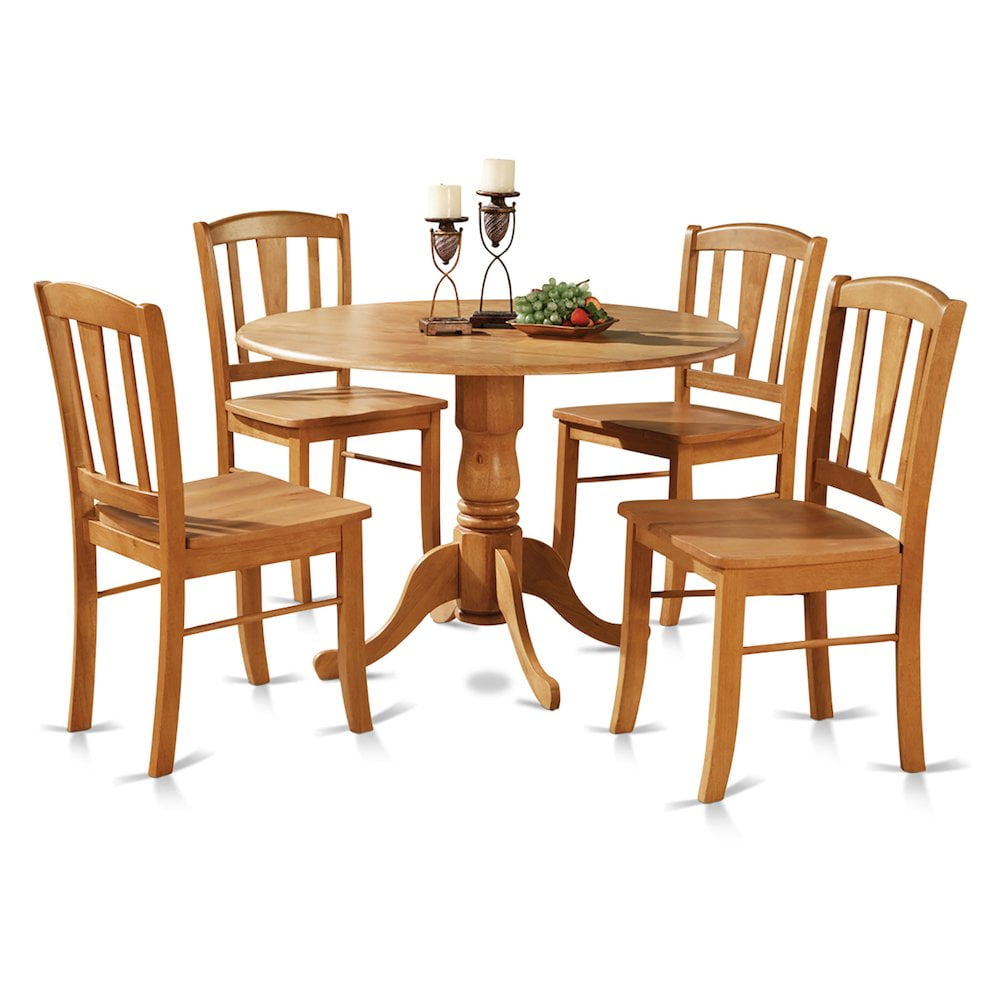
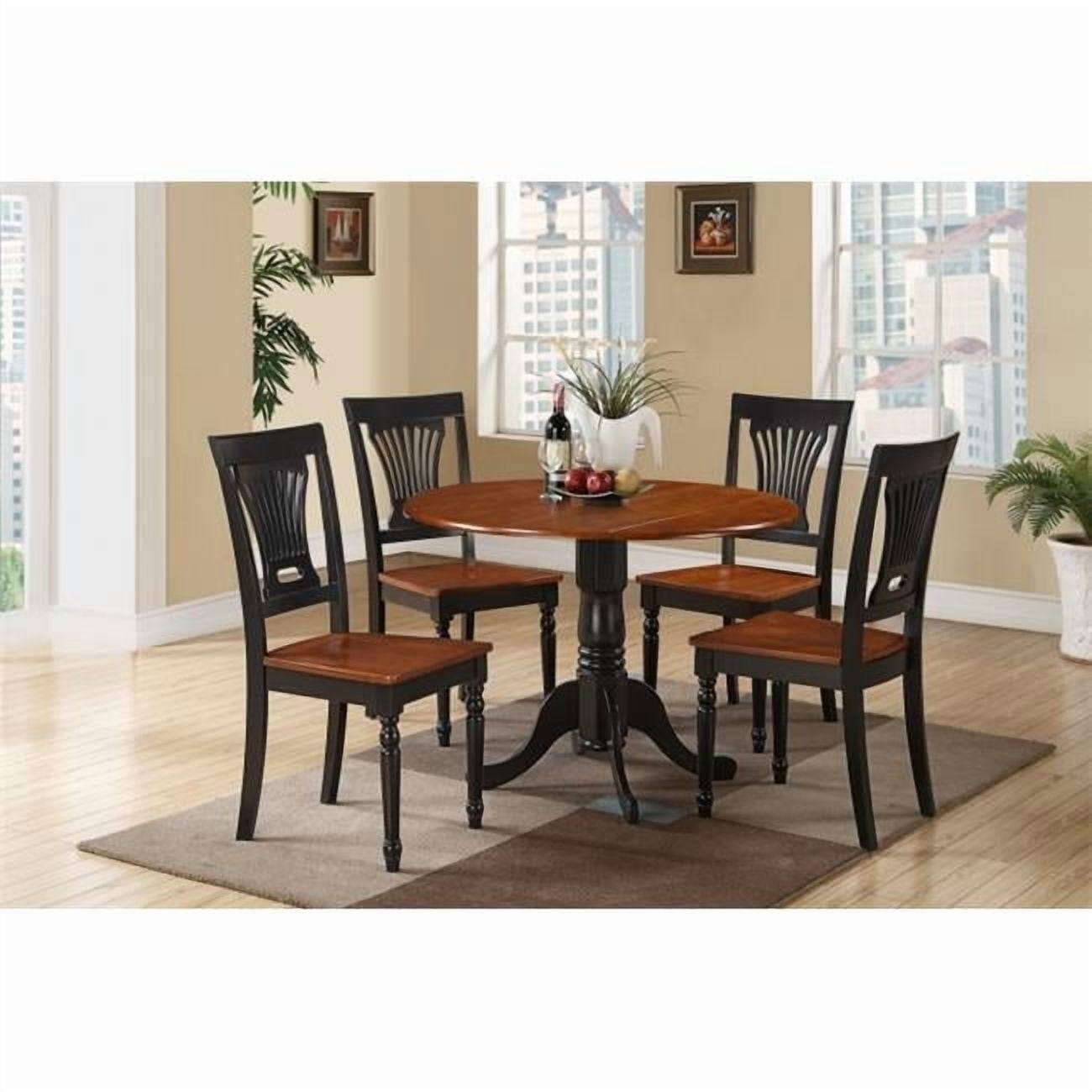
In today's dynamic work environment, the layout of your office speaks volumes about your company culture. A small office round table and chairs setup is more than just furniture—it's a strategic tool that fosters collaboration, optimizes limited space, and creates a welcoming atmosphere. Whether you're outfitting a home office, a startup hub, or a corporate breakout area, the right round table ensemble can transform how your team interacts and works.
Design Insight: According to a 2024 workplace study by the International Facility Management Association (IFMA), 78% of businesses using circular collaborative tables reported a 35% increase in spontaneous team interactions compared to those using traditional rectangular setups. The round shape naturally invites inclusivity and breaks down hierarchical barriers.
Key Benefits of a Round Table Configuration
Choosing a round table over a rectangular or square option provides several distinct advantages for a small office:
- Superior Space Efficiency: Without sharp corners, a round table often fits better in tight floor plans and allows for more flexible traffic flow.
- Enhanced Collaboration: Every seat has an equal vantage point. This setup is perfect for brainstorming sessions, huddle meetings, and creative discussions.
- Improved Safety: The absence of corners reduces the risk of bumps and injuries, making it a safer choice for busy environments.
- Visual Appeal: Round tables offer a softer, more modern aesthetic that can make a small office feel larger and more inviting.
- Versatile Functionality: They work equally well as a primary meeting table, a secondary conference spot, or a central hub for team collaboration.
Essential Considerations When Selecting Your Set
Finding the right combination of table and chairs requires careful planning. Here's a framework to help you make an informed decision:
| Consideration | Key Questions to Ask | Optimal Solution for Small Spaces |
|---|---|---|
| Table Diameter | How many people need to sit regularly? What is the available floor space? | 36-42 inches for 2-4 people; 48 inches for 4-5 people. Ensure at least 36 inches of clearance from walls. |
| Chair Footprint | Do chairs need to tuck completely under the table? How often will they be moved? | Select armless or narrow-back chairs. Stackable or foldable designs offer maximum flexibility for multi-purpose rooms. |
| Material Durability | What is the primary use (meetings, daily work, eating)? How much maintenance is acceptable? | High-pressure laminate (HPL) tops for scratch and stain resistance. Powder-coated metal bases for longevity and easy cleaning. |
| Ergonomics | Will people sit for extended periods? Is back support a priority? | Chairs with breathable mesh backs and adjustable height. A 28-30 inch table height is standard for ergonomic seating. |
| Aesthetic & Branding | What image do you want to project? What existing office decor do you have? | Choose from wood finishes for a classic look, or metal/glass combinations for a modern, minimalist vibe. |
Health and Productivity Benefits of a Well-Designed Collaborative Space
Investing in a quality small office round table and chairs extends beyond aesthetics. The right setup directly impacts employee well-being and efficiency:
Enhanced Engagement
Circular arrangements encourage eye contact and active participation from all team members, reducing feelings of exclusion.
Reduced Physical Strain
Chairs with proper support, combined with a well-proportioned table, minimize strain on the neck, back, and wrists during meetings.
Boosted Creativity
A flexible, collaborative environment is proven to stimulate creative thinking and idea sharing, breaking away from rigid cubicle mentalities.
Maximized Real Estate
Efficiently using a small space with smart furniture allows you to add more functional zones (like a quiet corner) without moving to a larger office.