
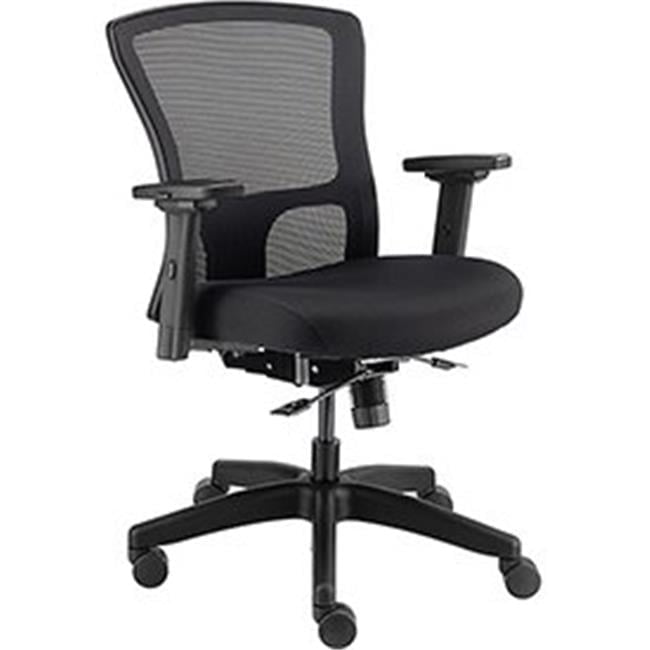
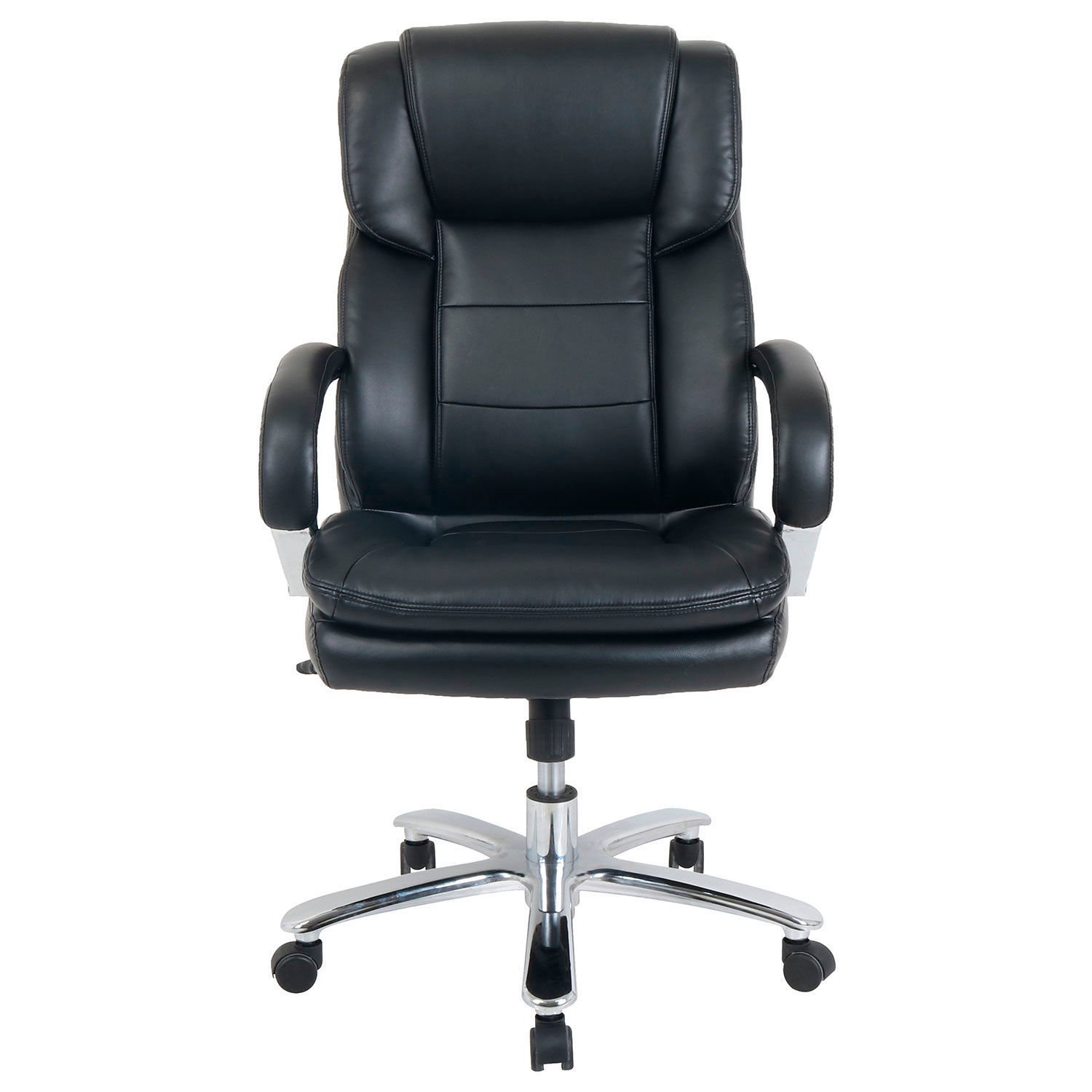
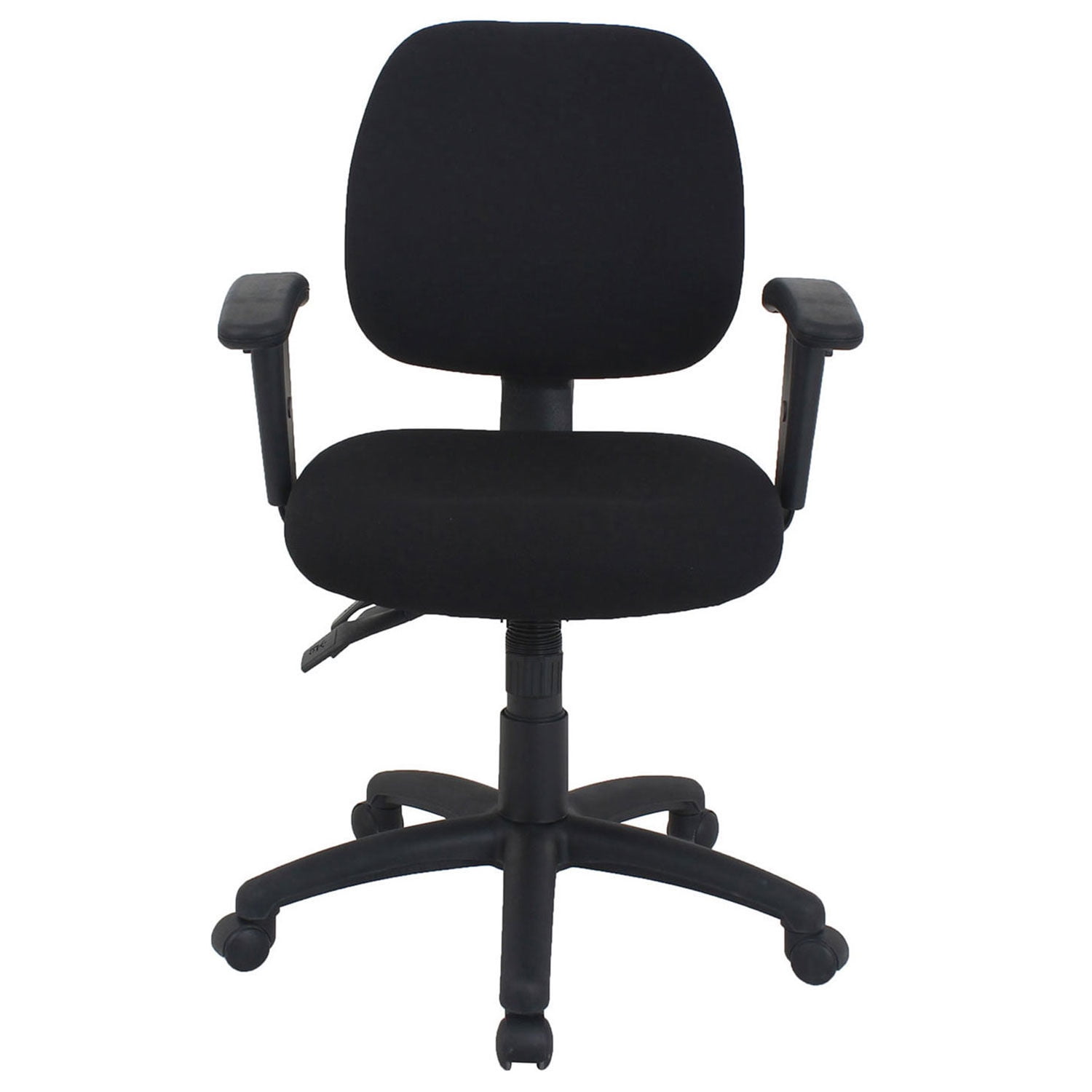
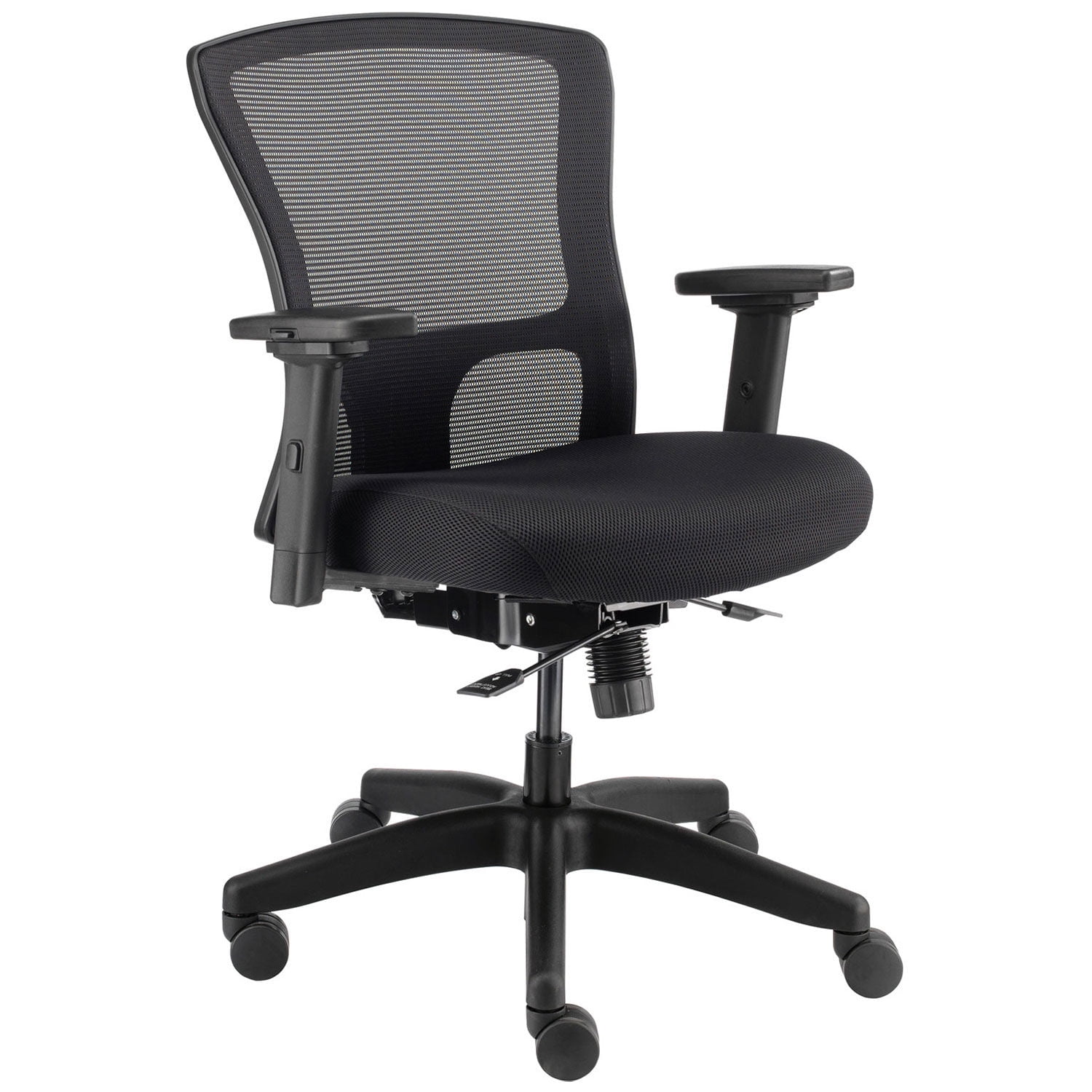
The Rise of the 24‑Hour Office Chair: Why Standard Seating Fails
Imagine working in a call center that operates three shifts, a security desk monitoring overnight feeds, or a home office where your workday stretches into the early morning. Regular office chairs—even decent ergonomic ones—are typically tested for eight‑hour usage. After that, foam begins to collapse, mechanisms loosen, and support fades. A 24 hour office chair is a different breed: it’s engineered for continuous occupancy, often meeting ANSI/BIFMA X5.1 standards for durability under intensive use. These chairs don’t just keep you comfortable; they keep you healthy when your job demands endless hours seated.
Key insight: A study from the Journal of Occupational Health found that employees working 12‑hour shifts reported 34% less lower‑back discomfort when using chairs rated for 24/7 use compared to standard task chairs. The reinforced structure and superior materials make a measurable difference.
What Exactly Defines a “24‑Hour” Office Chair?
Unlike traditional office chairs, 24‑hour models undergo more rigorous testing:
- Heavy‑duty gas lift (Class 4 or 5): Supports hundreds of thousands of height adjustments without failing.
- Reinforced base & casters: Often made of solid aluminum or heavy‑gauge steel, with oversize casters that roll smoothly even after months of constant movement.
- High‑resilience foam: Cold‑cured foam or multilayer density foam that retains shape after 16+ hours of compression daily.
- 24/7‑rated mechanisms: Tilt, recline, and lock mechanisms tested for 500,000+ cycles (double the industry standard).
- Extended warranties: Many manufacturers explicitly cover “multi‑shift” use with 5‑ to 10‑year warranties on parts.
Who Really Needs a 24‑Hour Chair?
You might think only security guards or night‑shift workers need them. In reality, several groups benefit:
- Home office power users: Entrepreneurs, freelancers, and remote workers who often exceed 10 hours at their desk.
- IT professionals / gamers: Extended troubleshooting or gaming marathons demand the same durability as shift work.
- Medical transcriptionists & dispatchers: Roles with minimal breaks and high concentration.
- Co‑working spaces / shared desks: Chairs that get used 20 hours a day by different people need extra toughness.
- Executives with back-to-back meetings: Heavy schedules that include video calls and desk work from morning till night.
Anatomy of a True 24/7 Chair: Core Components
Let’s dissect the key parts that separate a “24 hour office chair” from a standard model.
1. Frame and Shell
Standard chairs often use molded plastic for the back frame. 24‑hour versions integrate steel-reinforced or full metal frames inside the seat and backrest. This prevents the dreaded “lean‑back crack” after a few months.
2. Lumbar Support That Adapts
Static lumbar pads won’t cut it for all‑day sitting. Look for chairs with adjustable depth and height lumbar systems, sometimes with inflatable air bladders or dynamic flexors that move with you.
3. Seat Foam Density
Foam is measured by ILD (indentation load deflection). Standard office chairs often use foam around ILD 50‑60. 24‑hour chairs typically use dual‑layer foam: a firmer base (ILD 65+) for support and a softer top layer (ILD 40‑45) for immediate comfort. This combo prevents “bottoming out.”
4. Gas Lift Classification
Class 3 lifts support up to 240 lbs and are fine for occasional use. Class 4 lifts handle 330‑400 lbs. For 24‑hour duty, always choose Class 4 or Class 5 (tested up to 500 lbs). They use thicker steel pistons and seals that resist wear.
5. Caster Material & Size
Standard hard casters can flatten or crack under constant rolling. 24‑hour chairs often include soft rubber or polyurethane casters (often 3” diameter) that roll quietly and resist debris. Some even have rollerblade‑style wheels for seamless movement on carpets.
| Component | Standard chair | 24‑hour chair |
|---|---|---|
| Gas lift | Class 2 or 3 | Class 4 or 5, tested to 500‑800 lb static load |
| Seat foam | Single layer, ILD 50 | Dual density, top 40 ILD / base 65 ILD |
| Base material | Nylon composite | Reinforced nylon or die‑cast aluminum |
| Upholstery | Standard fabric / bonded leather | Breathable mesh or top‑grain leather / heavy‑duty textile |
| Warranty (use) | 40 hrs/week | 168 hrs/week coverage |
Ergonomic Must‑Haves for Extended Sitting
When you sit for 12+ hours, minor discomfort becomes major pain. Here’s what to prioritize in a 24‑hour chair:
- Synchronized recline: The backrest and seat tilt together, keeping your posture aligned and reducing shear forces.
- Seat depth adjustment: A sliding pan (at least 2”) ensures your thighs are fully supported without pressure behind the knees.
- 4D armrests: Height, width, depth, and pivot adjustments let you support elbows during typing, reading, or relaxing.
- Headrest (optional but recommended): For reclining moments, a padded, adjustable headrest prevents neck strain.
Analogy: Think of a standard office chair like a passenger car—fine for daily commutes. A 24‑hour office chair is the heavy‑duty truck: built to haul loads all day, every day, without breaking down. The initial cost is higher, but the total cost of ownership over five years is often lower because you won’t need a replacement.
Real‑World Testing: How Brands Validate 24‑Hour Use
Reputable manufacturers like Steelcase, Herman Miller, and specialized brands (Sitmatic, Bodybilt) test chairs using standards such as:
- BIFMA X5.1 – 150,000 cycles for tilt mechanisms. 24‑hour chairs often exceed 300,000 cycles.
- Drop test: 150 lb weight dropped on the seat 100,000 times.
- Gas lift durability: 50,000 height adjustments under load.
- Fabric abrasion: Double‑rub tests (Wyzenbeek) with 100,000+ double‑rubs for heavy‑duty textiles.
Step‑by‑Step Guide to Choosing Your 24‑Hour Office Chair
Step 1: Measure your space and body
Note your height, weight, and the distance from floor to desk. You need a chair that fits your proportions—seat width ideally 20‑22”, backrest height at least 22” for upper back support.
Step 2: Identify your critical zones
If you experience lower back pain, prioritize lumbar depth adjustment. If you get warm, choose mesh back. If you’re heavy, verify weight capacity (minimum 350 lbs).
Step 3: Check the warranty fine print
Look for phrases like “multi‑shift use,” “24/7 coverage,” or “continuous use.” Some warranties void if used more than 40 hours/week.
Step 4: Test adjustability (if possible)
Sit for 15‑20 minutes. Adjust everything. Make sure levers are easy to reach and mechanisms feel solid—not wobbly.
Step 5: Compare total cost over 5 years
A $1,200 24‑hour chair that lasts 8 years is cheaper than two $600 chairs that fail every 3 years.
Upholstery Showdown: What Lasts Through the Night?
Breathable mesh
- Excellent airflow – reduces sweat during long shifts.
- Resists sagging if high‑tension weave.
- Easy to clean with compressed air.
Mesh considerations
- May not feel as “luxurious” as leather.
- Edges can fray if poor quality.
Premium fabric
- High durability (100,000+ double‑rubs).
- Warm and soft, available in many colors.
Fabric concerns
- Can absorb spills and odors over time.
- May pill if low thread count.
Budget Tiers for 24‑Hour Chairs
Frequently Asked Questions About 24 Hour Office Chairs
Conclusion: Invest in Seating That Never Rests
A 24 hour office chair is more than a luxury—it’s a tool for professionals whose work doesn’t fit the nine‑to‑five mold. By choosing a chair with reinforced mechanics, high‑resilience foam, and a warranty that covers continuous use, you safeguard your health and productivity. Whether you manage a 24/7 operation, run a home business, or simply refuse to let discomfort interrupt your flow, the right chair pays dividends in focus and well‑being. Use the product grid above to explore top‑rated models, and remember: when you live at your desk, your chair should be built to last as long as you do.