

Why Your Back Needs a Specialized Office Chair
If you spend more than six hours a day at a desk, you've likely felt the familiar ache in your lower back or stiffness in your shoulders. This isn't just discomfort—it's your body telling you that your current seating is working against your spine. An office chair for back posture isn't a luxury; it's a vital tool for maintaining spinal health and preventing long-term musculoskeletal issues.
Key Insight: Studies show that 80% of adults experience back pain at some point, with office workers being particularly susceptible. Using a posture-supportive chair can reduce back pain by up to 50% and improve work efficiency by promoting better blood flow and concentration.
In this guide, we'll explore the science behind back pain, break down the essential features of a posture-correcting chair, and help you choose the perfect office chair for back posture that aligns with your body's needs.
Understanding Posture and Spinal Alignment
Your spine has a natural S-curve that acts as a shock absorber. When you sit in a standard chair without proper support, this curve collapses into a C-shape, placing enormous strain on your lumbar discs and surrounding muscles. Over time, this can lead to chronic pain, herniated discs, and even affect your overall mobility.
A dedicated ergonomic office chair for back pain is engineered to maintain this natural curve. Think of it like a supportive frame for your spine—it doesn't just make sitting more comfortable; it actively prevents the fatigue and damage caused by poor posture.
Reduced Disc Pressure
Proper lumbar support reduces pressure on spinal discs by up to 30%, preventing bulging and herniation.
Improved Muscle Balance
Supports the back muscles, reducing overcompensation and preventing muscle fatigue and spasms.
Enhanced Breathing
An upright posture opens the chest cavity, improving lung capacity and oxygen intake, which boosts energy.
Better Focus
When you're not distracted by back pain, your concentration and productivity increase significantly.
Key Features of a Posture-Supportive Chair
Not every chair labeled "ergonomic" is effective. To truly support your back, a chair must incorporate several adjustable features. Here are the non-negotiable elements to look for:
- Adjustable Lumbar Support: This is the cornerstone of a posture chair. Look for support that can be adjusted both vertically and in depth to fit the unique curve of your lower back.
- Seat Depth Adjustment: A seat that's too long cuts off circulation behind your knees; a seat too short doesn't support your thighs. The ability to slide the seat forward or backward allows you to maintain proper posture.
- Dynamic Recline Mechanism: A good posture chair allows you to recline while keeping your back supported. The recline should tilt your entire body, maintaining the angle between your thighs and torso, and relieving pressure.
- 3D/4D Armrests: Adjustable armrests allow you to relax your shoulders, preventing tension from radiating into your neck and upper back.
- Headrest Support: While optional, a headrest helps maintain the natural curve of your cervical spine, especially during recline or when taking a break.
Types of Posture-Correcting Office Chairs
There are several approaches to designing an office chair for back posture. Understanding these can help you choose the style that best fits your work habits and body type.
1. Active Sitting Chairs
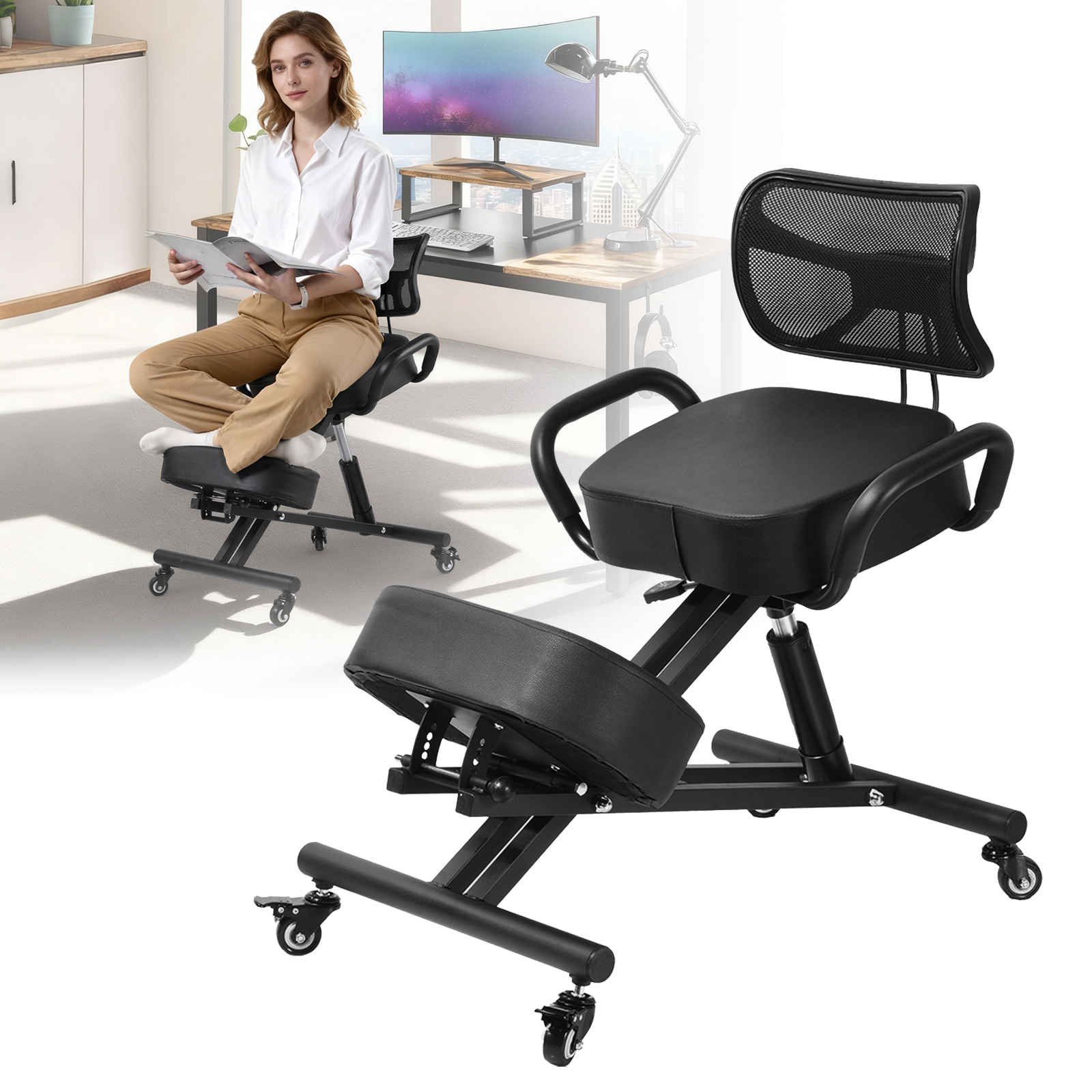
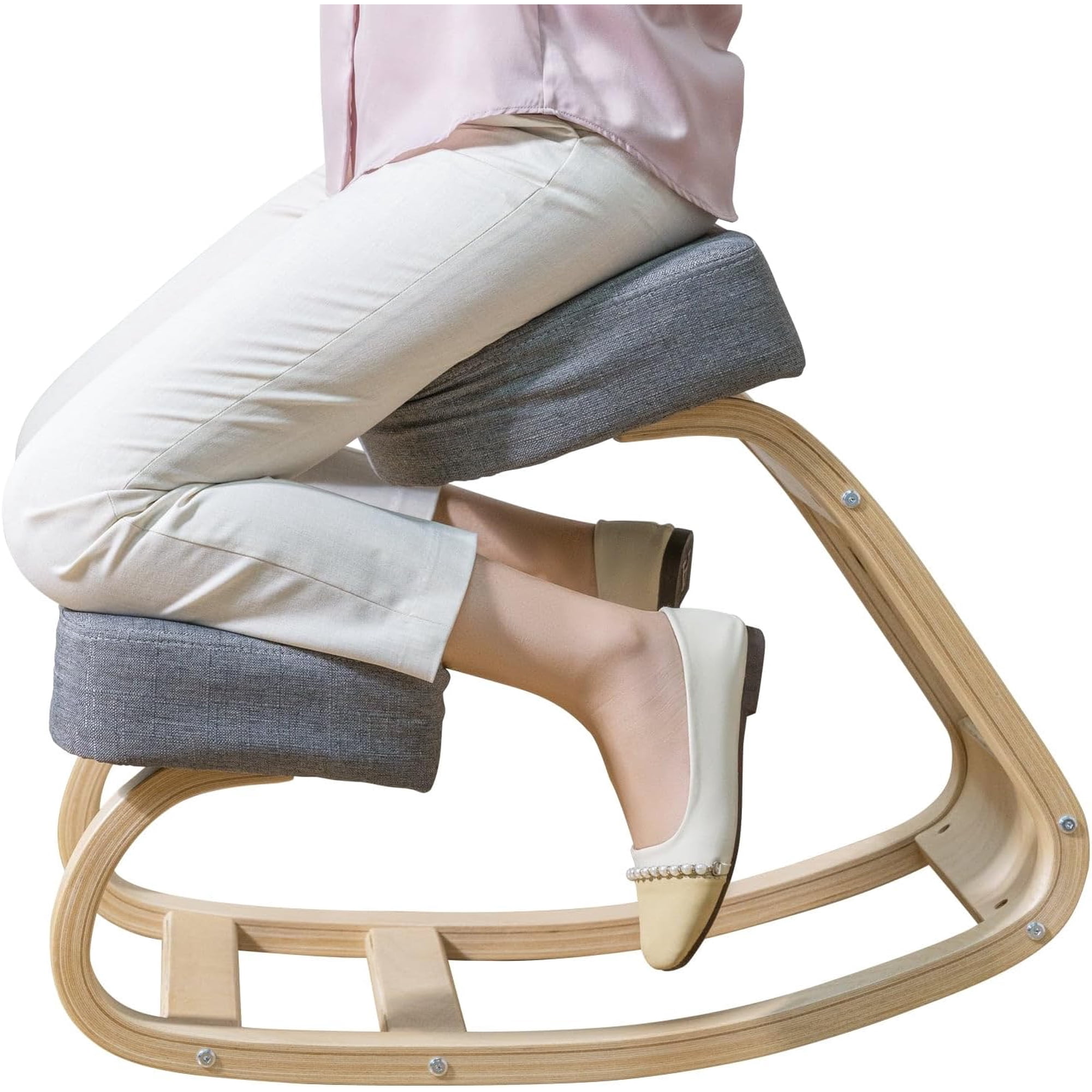
These chairs use a rocking or tilting mechanism to engage your core muscles. Examples include kneeling chairs or ball chairs. They encourage micro-movements throughout the day, which can strengthen your back and improve posture over time. However, they require a learning curve and may not be suitable for all-day use.
2. Ergonomic Task Chairs
The most common type, these chairs feature a complex mechanism of levers and knobs to adjust the backrest, seat, and armrests. They are designed for long periods of static sitting and provide excellent support. They are ideal for most office environments.
3. Executive Posture Chairs
These combine the features of a task chair with premium materials and a taller backrest. They are designed to support the entire back, including the upper back and shoulders, making them perfect for tall individuals or those with significant back issues.
Step-by-Step: How to Choose Your Ideal Posture Chair
- Assess Your Body: Measure your height, weight, and torso length. If you have a history of back pain, consult with a physical therapist for recommendations.
- Identify Your Work Style: Do you sit still for long hours, or do you move between tasks? Active sitters may prefer a dynamic recline, while static sitters need maximum lumbar support.
- Set a Realistic Budget: While you can find decent chairs for under $300, the best office chair for back posture is typically a long-term investment. Consider it as healthcare cost.
- Test Before You Buy: If possible, visit a showroom. Pay attention to the ease of adjustments and the quality of the materials. A squeaky, wobbly chair is a red flag.
- Check the Warranty: A good manufacturer offers at least a 5-year warranty on the frame and mechanism. This indicates confidence in the product's durability.
Common Mistakes to Avoid
Even with the right chair, improper use can negate its benefits. Avoid these common posture pitfalls:
- Slouching into the chair: Always sit back fully, so your back is in contact with the lumbar support.
- Leaving the recline locked: A locked recline can lock your spine into a single position. Unlock it to allow natural movement.
- Ignoring armrests: Armrests should support your elbows at a 90-degree angle, not cause you to hunch your shoulders.
- Setting the seat too high: If your feet aren't flat on the floor, the chair is too high. This can cause your pelvis to tilt backward, worsening posture.
Maintenance for Longevity
To keep your posture chair in top condition, perform regular maintenance. Tighten bolts every six months, clean the upholstery with appropriate products, and lubricate the gas cylinder and mechanisms as needed. A well-maintained chair provides consistent support for years.
In conclusion, selecting the right office chair for back posture is a pivotal decision for your health and productivity. By focusing on adjustability, support, and your unique body mechanics, you can transform your workday from a source of pain to a foundation of wellness.