
Why the Right Office Chair is Crucial for Upper Back Support
Upper back pain is a silent productivity killer affecting millions of office workers globally. Often a result of prolonged sitting with poor posture, it can manifest as tension, stiffness, and a dull ache between the shoulder blades. The good news is that choosing the correct office chair for upper back support can be a game-changer, not just for your comfort but for your overall health and professional performance.
Think of your spine as a complex structural column. When you slouch, the natural 'S' curve of your spine becomes distorted. This places immense strain on the muscles, ligaments, and discs in your upper back, leading to the pain and fatigue you feel at the end of a long day. An ergonomic chair acts as a personalized support system, encouraging proper alignment and distributing your weight evenly. By investing in the right seating, you are investing in your long-term physical well-being.
Industry Insight: According to a study published by the Occupational Safety and Health Administration (OSHA), workplaces that invest in ergonomic solutions, including proper chairs, have seen a 25% reduction in musculoskeletal disorder (MSD) cases. For executives and employees who sit for over 8 hours a day, a chair with dedicated upper back support is not a luxury—it is a necessity.
Key Features That Define a Great Upper Back Support Chair
Not all office chairs are created equal, and when your primary concern is upper back relief, certain features become non-negotiable. Understanding what to look for can help you make an informed decision and choose a chair that truly serves your needs. Here are the key components that make a chair excel in upper back support:
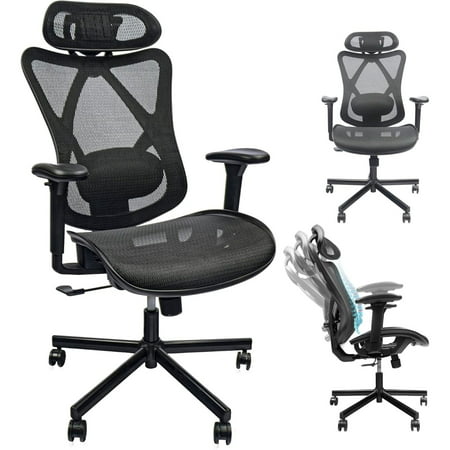
- Independent Upper Back Tilt/Adjustment: This is the most crucial feature. A chair that allows you to independently adjust the upper part of the backrest ensures it makes full contact with your upper back and shoulders, providing targeted support.
- Contoured High Backrest: A high back that is contoured to follow the natural curve of your upper spine provides consistent support. Look for a backrest that is curved inwards to cradle the spine and prevent slouching.
- Adjustable Lumbar Support: While often associated with the lower back, proper lumbar support is foundational for overall spine health. It helps maintain the correct posture, which in turn relieves stress on the upper back and shoulders.
- Height-Adjustable Headrest: A headrest supports the neck and the upper part of the trapezius muscle, which connects to the upper back. It helps keep your head aligned, reducing tension that often travels down to the upper back.
- 3D/4D Adjustable Armrests: The ability to adjust armrests in multiple directions allows you to support your arms and shoulders comfortably. This prevents you from hunching your shoulders, a common contributor to upper back pain.
A Comprehensive Guide to Choosing Your Upper Back Support Chair
Selecting the perfect chair involves more than just picking the one that looks best. It is a personalized process that requires you to consider your specific body type and work habits. Follow this step-by-step guide to ensure you find the ideal match for your upper back support needs.
Step 1: Analyze Your Current Posture and Pain Points
- Identify Your Pain: Where exactly do you feel the pain? Is it between the shoulder blades, the neck, or the shoulders themselves? This will indicate the level of support you need.
- Assess Your Posture: Do you slouch forward while working? Do you lean to one side? Understanding your habits is the first step to correcting them with the right equipment.
- Consider Your Sitting Style: Do you sit upright, or do you prefer a slight recline? Your preferred style will influence the type of recline mechanism and backrest tension you need.
Step 2: Understand the Different Types of Chairs for Upper Back Support
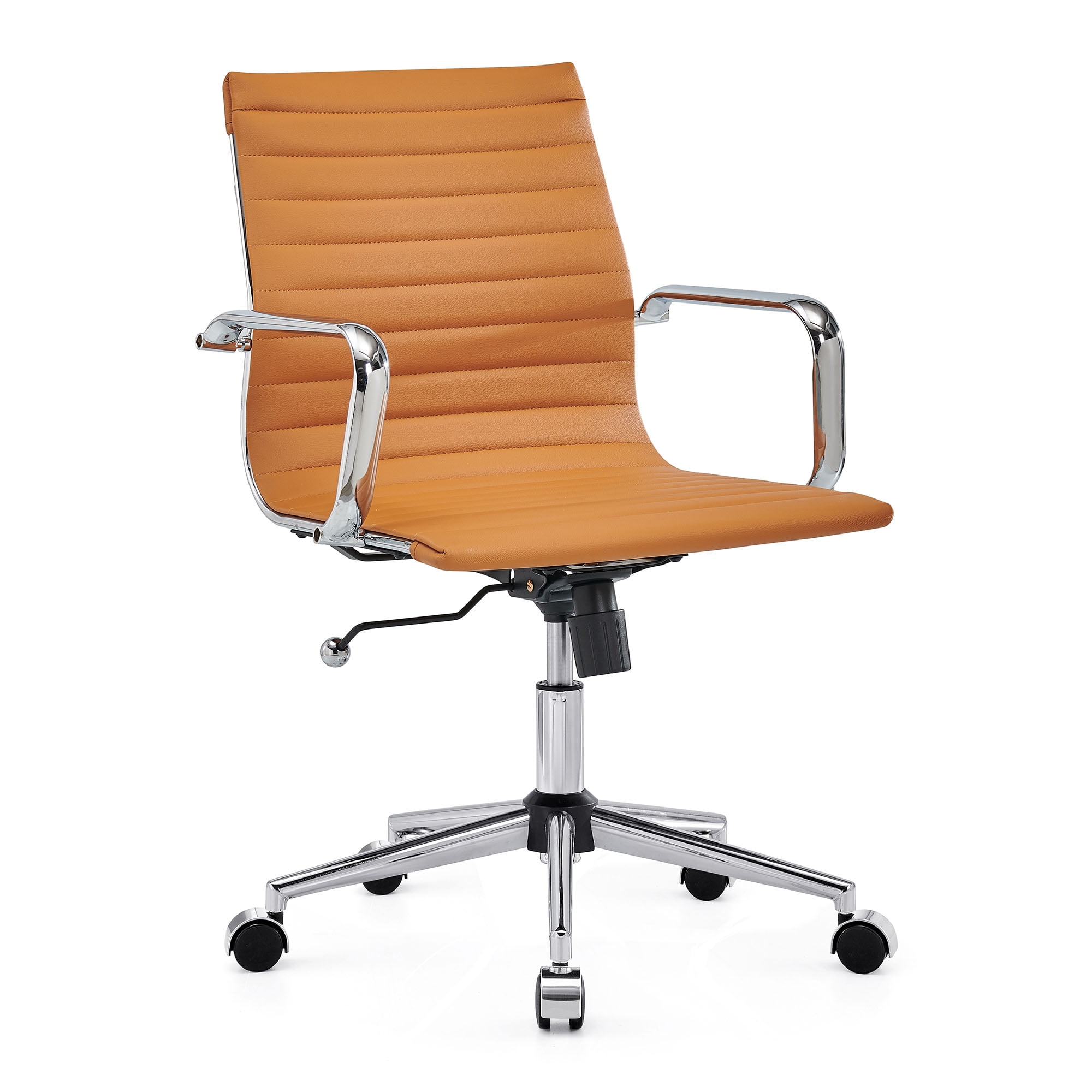
- High-Back Executive Chairs: These typically offer the most comprehensive upper back support, often extending above the shoulders and including a headrest. They are ideal for those who want full, immersive support and a traditional, professional look.
- High-Back Mesh Chairs: Combining ergonomic support with breathability, these chairs are excellent for warmer climates. The mesh provides a tension that can support the back's natural curve while keeping you cool.
- Mid-Back Chairs with Active Lumbar: While less common for upper back support, some mid-back chairs feature an active lumbar system that moves with you. If you are a shorter individual, this could still provide the needed support.
Step 3: Set Your Budget and Priorities
Your budget will help narrow down your options. However, remember that this is an investment in your health. Here’s a general budget breakdown:
Value Ergonomics
Good basic support with limited upper back adjustability. Often features a fixed high back or a simple headrest.
Mid-Range Performance
Excellent balance of features including independent backrest adjustment, multi-functional armrests, and quality materials for lasting comfort.
Premium Health Solutions
The top tier for customization. These chairs offer maximum adjustability, superior build quality, and advanced ergonomic design specifically for chronic back pain relief.
Step 4: Test Before You Invest
Pro Tip: Whenever possible, test a chair for a minimum of 20 minutes. Pay close attention to how the backrest feels against your upper back. Simulate your work tasks (typing, reading, etc.) to see if the chair supports you in an active state. The right chair should feel like it disappears under you, providing support without pressure points.
Frequently Asked Questions About Upper Back Support
Here are the most common questions we hear from professionals looking to improve their upper back health with a new office chair.
Conclusion: Invest in Your Posture and Well-being
Choosing the right office chair for upper back support is one of the most important decisions you can make for your professional and personal health. It's a direct investment in your daily comfort, long-term posture, and overall productivity. By understanding the key features like independent upper back adjustment, a contoured high back, and a supportive headrest, you can navigate the market with confidence and find a chair that truly meets your needs.
Remember, a chair is not just a piece of furniture; it is a vital piece of ergonomic equipment. It should work with your body, not against it. The discomfort you feel at the end of a workday is often a sign that your current seating is failing you. By taking the time to research and select a proper chair, you are not only addressing current pain but also preventing future issues.
Whether you are a CEO leading a company, a developer writing code, or an analyst reviewing data, a supportive chair allows you to focus on your work without the distraction of pain. Explore the options presented above, consider your specific needs, and take the next step towards a healthier, more productive work life. Your upper back will thank you.
Key Takeaways for Your Upper Back Support Journey
Prioritize chairs with independent upper back tilt and adjustment to ensure the backrest cradles your shoulder blades perfectly.
For the most effective relief, a high-back chair that extends to or above your shoulders is the best choice. This supports the entire thoracic spine.
Always test the chair yourself. The best reviews are personal ones. Your comfort and support are the ultimate test.