
The Ultimate Guide to Choosing an Office Chair for Leg Crossers
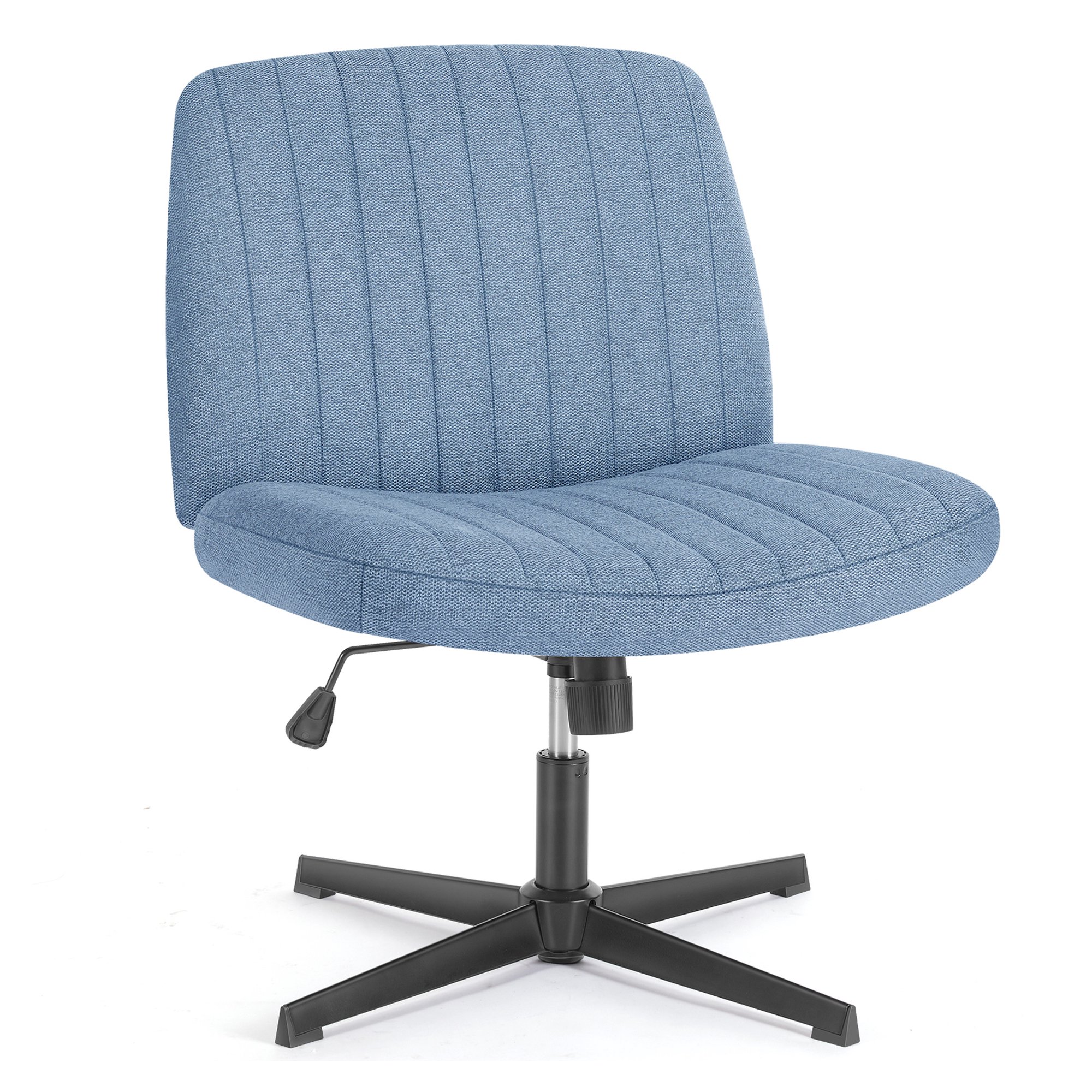
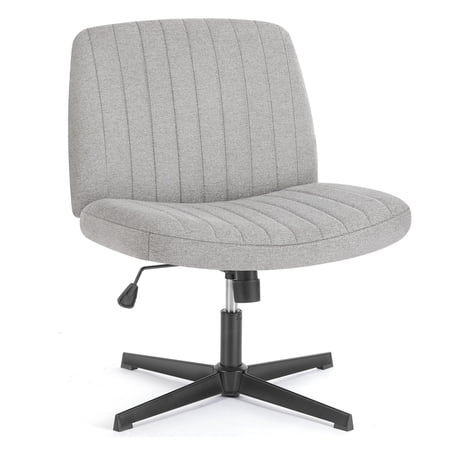
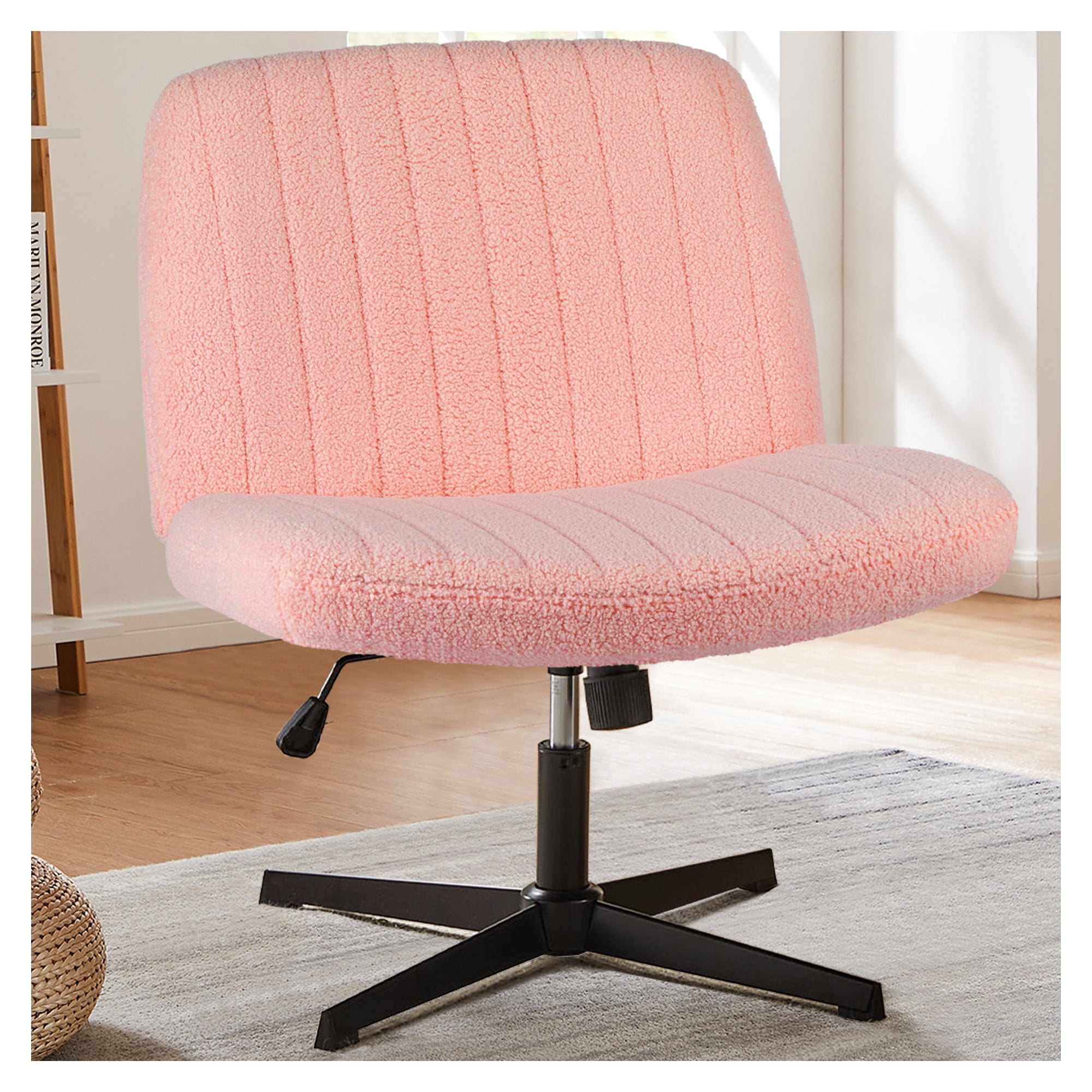
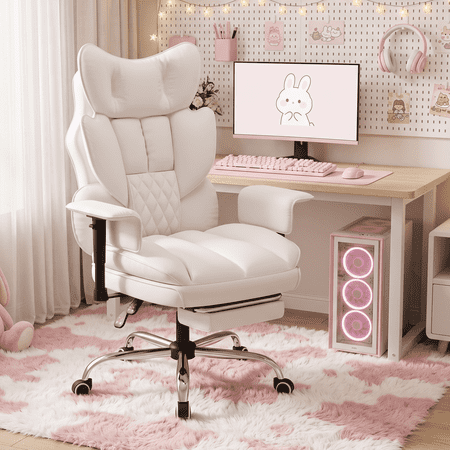
If you love sitting cross-legged while working, you know the struggle of finding a suitable office chair. Traditional office chairs, with their contoured seats and narrow designs, often force you into a single, rigid posture. This can lead to discomfort, hip pain, and a constant feeling of being restricted. A dedicated office chair for leg crossers is specifically designed to accommodate your preferred sitting style, offering a wide, flat seat and enhanced ergonomics to keep you comfortable and productive.
Did You Know? A survey by the American Chiropractic Association suggests that changing your sitting position throughout the day, including sitting cross-legged, can help distribute your weight and reduce strain on specific muscle groups.
What to Look For in a Cross-Legged Office Chair
Choosing the right chair goes beyond just looking for a wide seat. Here are the critical features to evaluate:
- Wide and Flat Seat: This is the most important feature. Look for a seat width of at least 20 inches or more, with a flat or minimally contoured cushion. A flat surface allows your legs to rest naturally without feeling squeezed.
- Adjustable Seat Height: A pneumatic gas lift lets you adjust the height so your knees are at a 90-degree angle, even when your legs are crossed. This prevents strain on your hips and lower back.
- Sturdy and Wide Base: A five-point base with a wide footprint provides the stability needed for shifting your weight and sitting in various positions, including cross-legged.
- Adjustable Armrests: Look for armrests that can be adjusted in height, width, and pivot. Being able to move them out of the way or lower them gives you more freedom to position your legs.
- Supportive Cushioning: High-density foam or memory foam cushions are ideal. They provide enough support without being so soft that you sink in, which can restrict movement.
The Importance of Seat Width and Depth
For an office chair for leg crossers, the dimensions of the seat are paramount. While width is crucial for allowing your legs to rest side-by-side, depth is equally important. A seat that is too deep can press against the back of your knees, cutting off circulation. A seat that is too shallow won't provide enough support for your thighs. The sweet spot for most people is a seat depth of 18 to 21 inches. This allows you to sit back comfortably while still having your legs fully supported when crossed.
Think of it like choosing a sofa. A firm, wide sofa is perfect for lounging and sitting in different positions. Your office chair should offer the same level of comfort and flexibility for your workday.
Health Benefits and Considerations
Sitting cross-legged can offer several benefits when done in a supportive chair:
Improved Posture
Can encourage a more neutral spine and reduce slouching.
Hip Flexibility
Gently stretches and opens the hip joints, reducing stiffness.
Reduced Lower Back Strain
Helps in distributing weight more evenly across the pelvis.
Variety in Movement
Allows you to change postures, reducing the monotony of sitting.
However, it's important to note that sitting in any single position for too long can be problematic. The key is variety. A chair that supports cross-legged sitting also encourages you to shift your position, which can be beneficial for overall musculoskeletal health.
How to Choose the Right Chair for Your Body Type
Everyone's body is different. Here is a simple guide to help you select the right chair based on your build:
| Body Type | Recommended Seat Width | Recommended Seat Depth | Key Feature |
|---|---|---|---|
| Small/Petite | 19 - 21 inches | 17 - 19 inches | Height adjustability to allow feet to touch the floor even when legs are not crossed. |
| Average | 20 - 23 inches | 18 - 20 inches | A balance of width and depth for versatile sitting. |
| Large/Tall | 23+ inches | 20+ inches | High weight capacity and a heavy-duty base for added stability. |
Ergonomic Features to Complement Cross-Legged Sitting
While the seat is the star, a truly ergonomic office chair for leg crossers will have other features to support your entire body. Look for chairs with adjustable lumbar support to maintain the natural curve of your spine, regardless of your sitting position. A seat slide function, which lets you move the seat forward or backward, can also help you find the perfect sitting depth. Swivel and tilt tension controls allow you to recline slightly when you want to lean back and think, adding another layer of comfort to your work routine.
Imagine your office chair as a versatile tool, similar to a well-equipped workbench. It should be adjustable and adaptable to the task at hand, whether that's focusing on a spreadsheet, taking a call, or brainstorming ideas.