



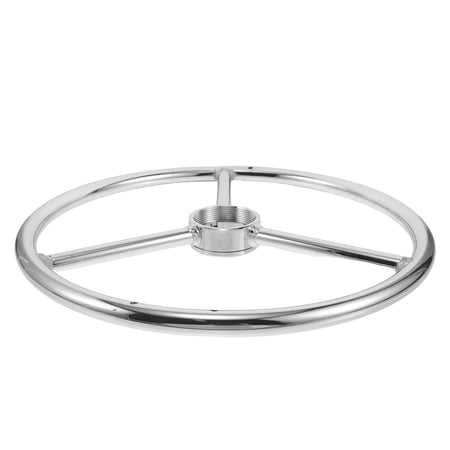
Why Your Desk Setup Needs an Office Chair Foot Stool
Most professionals focus on the chair itself but overlook what's happening beneath their feet. An office chair foot stool is not a luxury—it’s an essential ergonomic tool that transforms your sitting experience. When your feet rest flat on the floor or on a supportive surface, your entire kinetic chain aligns: hips, spine, shoulders, and neck. Without proper foot support, even the most expensive ergonomic chair can't deliver full benefits.
Did You Know? Research from ergonomics experts reveals that using a footrest can reduce lower back compression by up to 25% and improve circulation efficiency in the legs by 18%, directly correlating to increased focus and reduced fatigue during 8-hour workdays.
Key Ergonomic Benefits of Using a Footrest
Types of Office Chair Foot Stools: Find Your Perfect Match
Choosing the right foot support can be overwhelming. Let’s break down the most common types to help you decide which aligns with your work style.
- Adjustable Height Footrests: These are the most versatile. With gas lift or screw mechanisms, you can set the exact height needed so your thighs remain parallel to the floor. Ideal for shared desks or multiple users.
- Memory Foam & Cushioned Footrests: Plush and comfortable, these are best if you prefer a softer surface. They often come with washable covers and offer gentle support for tired feet.
- Rocking / Wobble Footrests: Designed for active sitters, these footrests allow your feet to gently rock back and forth. This subtle motion engages calf muscles, increasing blood flow and reducing restlessness.
- Under-Desk Foot Hammocks: A newer style that suspends from the desk. Lightweight and minimalist, they provide a swing-like sensation—excellent for tall desks or when you want to elevate feet without taking up floor space.
- Angled / Slant Board Footrests: These have an inclined surface that encourages proper ankle positioning. Often used in physiotherapy, they also stretch calf muscles and relieve tension behind knees.
Pro Tip: The 90-90-90 Rule
For optimal ergonomics when using an office chair foot stool, aim for: 90 degrees at the ankles (feet flat or on footrest), 90 degrees at the knees (thighs parallel to floor), and 90 degrees at the hips (upright torso). A footrest helps achieve this when the desk height is fixed.
How to Select the Right Foot Stool for Your Workspace
Your office environment and physical needs dictate the ideal foot support. Follow this decision guide:
1. Assess Your Current Seating Setup: Sit in your chair with your feet on the floor. Can your feet rest completely flat without lifting your thighs? If your feet dangle or you lean forward, you need height adjustment via a footrest.
2. Measure Your Desk Clearance: Check the space under your desk. Some footrests have a large footprint, while hammock-style models require no floor space. Measure height, width, and depth before buying.
3. Consider Movement Preferences: Are you a fidgeter? A rocking footrest may boost your comfort. Prefer stability? A non-slip, static memory foam model will provide solid grounding.
4. Material & Durability: Look for high-density foam, non-skid bottom (to prevent sliding), and easy-to-clean surfaces if you work in a home office with carpets or hardwood.
5. Portability: If you work in multiple locations or hot-desk, a lightweight, compact footrest with a handle is a smart choice.
Health & Productivity Connection
Adding an office chair foot stool isn't just about immediate comfort—it's a long-term investment in your well-being. Static sitting places strain on the lumbar spine, causing micro-trauma over time. By promoting a neutral pelvic tilt, a footrest reduces the load on spinal discs. Additionally, improved circulation means more oxygen reaches your brain, sharpening mental clarity. Companies that provide ergonomic footrests often see a reduction in employee complaints about leg pain and varicose veins.
Materials Comparison for Foot Stools
| Material Type | Comfort Level | Durability | Best Work Environment |
|---|---|---|---|
| Memory Foam + Microfiber | High (cushioned) | Moderate (may flatten over years) | Home offices, quiet environments |
| Hard Plastic / Adjustable | Medium (with texturized surface) | Excellent (10+ years) | Corporate, shared workspaces |
| Wooden / Bamboo | Firm, ergonomic | Very high | Aesthetic modern offices, eco-friendly setups |
| Mesh / Fabric Hammock | Light, breathable | Good (depending on frame) | Small spaces, standing desks |
Frequently Asked Questions About Office Chair Foot Stools
Conclusion: Step Up Your Comfort Game
Investing in a quality office chair foot stool is one of the simplest yet most impactful upgrades you can make to your workspace. It’s the unsung hero of ergonomics, providing the foundation that allows your high-end chair, monitor, and keyboard to align perfectly. Whether you opt for a cushioned memory foam model, a dynamic rocking footrest, or a space-saving hammock, the right foot support reduces fatigue, enhances circulation, and helps maintain energy throughout demanding workdays.
Final Recommendations by User Profile
Remember: your comfort influences productivity. Start with proper foot support today and experience the difference in how your back, hips, and legs feel after a full day at the desk.