
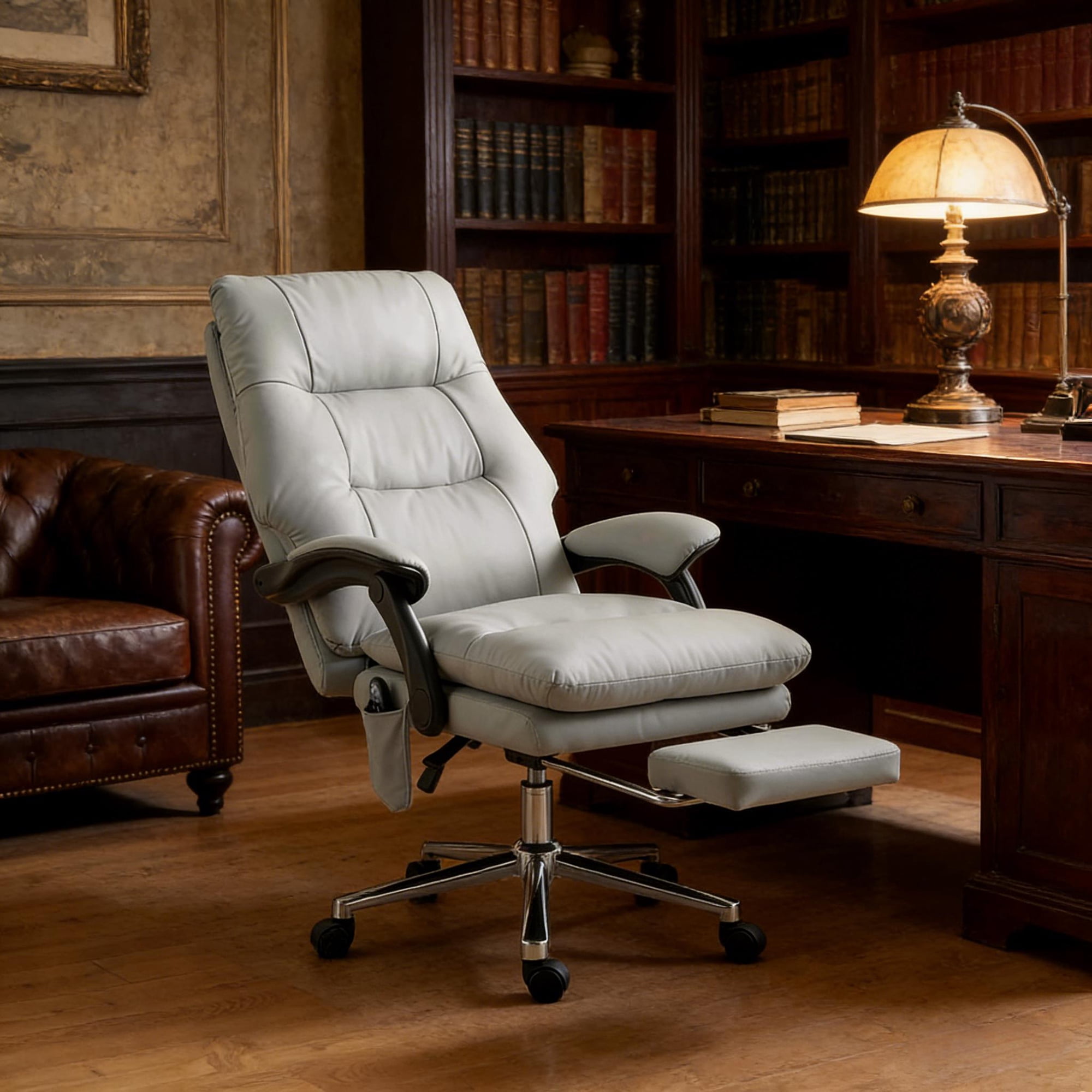


Why a Casual Office Chair Is the Smart Choice for Modern Professionals
Gone are the days when office seating had to look stiff and corporate. The modern workplace—especially the home office—calls for furniture that feels personal, welcoming, and still highly functional. A casual office chair bridges the gap between formal ergonomics and relaxed comfort, making it the ideal companion for freelancers, remote workers, creative teams, and anyone who values a space that feels like their own.
Design Insight
Did you know? According to a 2024 workplace comfort study, 73% of remote workers reported higher productivity when their office chair reflected their personal style. A casual office chair doesn't just look good—it signals a shift toward a healthier, more enjoyable work environment.
Key Characteristics of High-Quality Casual Chairs
Casual office chairs are defined by their versatility. They adapt to your space, your posture, and your daily rhythm. Here are the standout features that set them apart:
- Breathable & soft upholstery: Fabrics like textured weave, cozy knit, or performance mesh that feel comfortable against the skin.
- Clean, modern silhouettes: Slimmer profiles, tapered backs, and minimalist designs that suit any interior style.
- Responsive recline mechanisms: Gentle rocking or tilt-lock functions that let you lean back during calls or creative brainstorming.
- Hidden ergonomics: Integrated lumbar curves or adjustable pads that provide support without looking bulky.
- Lightweight maneuverability: Smooth-rolling casters and a manageable base make it easy to move between desk, side table, or lounge area.
Casual Office Chair vs. Traditional Task Chair: Quick Comparison
Understanding the difference helps you pick exactly what fits your lifestyle. Use this comparison to weigh your priorities:
| Aspect | Casual Office Chair | Traditional Task Chair |
|---|---|---|
| Aesthetic | Soft, inviting, often colorful or neutral with fabric textures | Corporate, dark leather or stiff mesh, function-first design |
| Ergonomics | Essential adjustments (height, tilt, lumbar) with streamlined look | Full adjustability (4D arms, seat depth, multiple tension zones) |
| Best environment | Home offices, studios, hybrid workspaces, startups | Formal executive suites, cubicle farms, shared offices |
| Comfort vibe | Wrapped, cozy, encouraging movement | Supportive, structured, static posture focus |
Top 5 Reasons to Invest in a Casual Office Chair
1. Effortless Style Integration
A casual chair complements hardwood floors, rugs, and natural light. It acts as a design piece rather than an eyesore—perfect for Zoom calls where your background matters.
2. Encourages Active Sitting
Many casual chairs have flexible backrests that move with you, promoting micro-movements that reduce stiffness and keep your spine engaged throughout the day.
3. Comfort Without Overkill
You get ergonomic support without a bulky, "medical" appearance. This makes the chair suitable for both focused work and unwinding with a book during breaks.
4. Affordable Durability
Because they often use high-quality synthetic fabrics and smart engineering, casual chairs provide excellent longevity at a more accessible price point than premium leather executive models.
5. Adapts to Changing Roles
Whether you're using it at a desk, pulling it up to a coffee table, or adding it as extra seating for guests, a casual office chair multitasks seamlessly.
How to Choose the Perfect Casual Office Chair: A Step-by-Step Guide
Selecting the right casual chair is about balancing personality with ergonomic wellness. Follow these steps to find your ideal match:
- Measure your space: Note desk height and clearance. Casual chairs often have slightly lower backrests, so ensure armrests can slide under your desk if needed.
- Identify your sitting style: Do you lean forward while typing? Or recline during calls? Look for chairs with adjustable tilt tension or a multi-angle lock.
- Choose material wisely: For pet owners, consider performance fabric that repels fur. For warmer climates, opt for mesh back panels. For a luxurious touch, velvet or bouclé adds texture.
- Test lumbar presence: Some casual chairs have a subtle built-in curve; others include a separate pillow. Make sure the support aligns with your lower back.
- Check weight capacity and base: Even casual chairs should have a sturdy five-star base and smooth-rolling casters. Look for at least 275 lbs capacity for durability.
Pro tip: If you're tall (over 5'10"), look for casual chairs with seat height adjustment up to 21 inches and a back height of at least 18 inches to ensure proper shoulder support. For petite users, chairs with shorter seat depth (16-17 inches) provide better thigh comfort.
Material Breakdown: Which Casual Chair Fabric Is Right for You?
The material you choose affects not only appearance but also breathability and maintenance. Here’s a simple guide:
- Performance Polyester / Microfiber: Stain-resistant, easy to clean, and soft. Great for families or high-traffic home offices.
- Breathable Mesh: Ideal for hot climates or if you tend to run warm. Allows air circulation while maintaining a casual, modern look.
- Velvet / Chenille: Adds a touch of luxury and warmth. Best for low-moisture environments and adds a stylish statement.
- Bonded Leather with Fabric Back: Combines easy-clean seat with breathable back — a hybrid approach that’s both durable and relaxed.
Ergonomic Features You Shouldn't Overlook
Even in a casual chair, ergonomics remain essential for long-term health. Prioritize these features:
- Adjustable seat height: Your feet should rest flat on the floor, thighs parallel to the ground.
- Seat depth slider: Allows you to create a 2-3 finger gap between the back of your knee and the seat edge.
- Tilt mechanism with tension control: Lets you recline smoothly and return upright without effort.
- 360-degree swivel: Essential for multitasking and reaching different areas of your desk setup.