

Introduction: Why Your Office Chair Base Deserves Attention
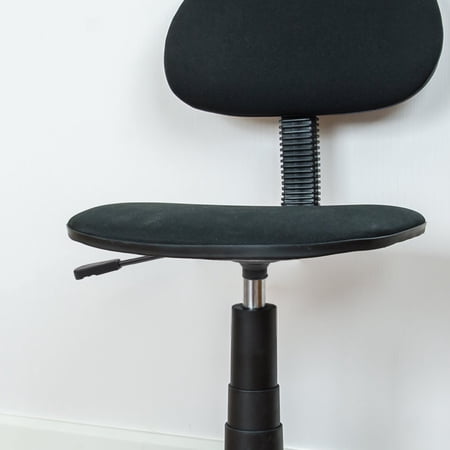
Imagine building a house on a shaky foundation—it doesn’t matter how beautiful the walls are; the structure is unsafe. The same logic applies to your office chair. The office chair base—that star-shaped component with casters—is the unsung hero of your seating experience. It bears your weight, enables smooth movement, and keeps you from tipping over when you lean back. Yet, most buyers focus solely on the seat cushion or backrest, overlooking this critical element.
Whether you are shopping for a new chair, replacing a broken base, or simply curious about what makes a chair stable, this guide will walk you through everything: materials, sizes, caster types, weight ratings, and maintenance. By the end, you’ll know exactly how to choose a base that matches your body type, floor surface, and usage intensity.
Did you know? According to a 2023 survey by the Office Furniture Institute, 68% of premature chair failures are related to base or caster issues—not the gas lift or upholstery. A few extra dollars spent on a robust base can extend your chair’s life by 5+ years.
Anatomy of an Office Chair Base: More Than Just Legs
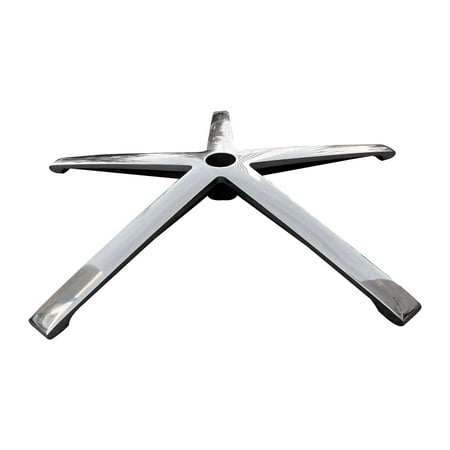
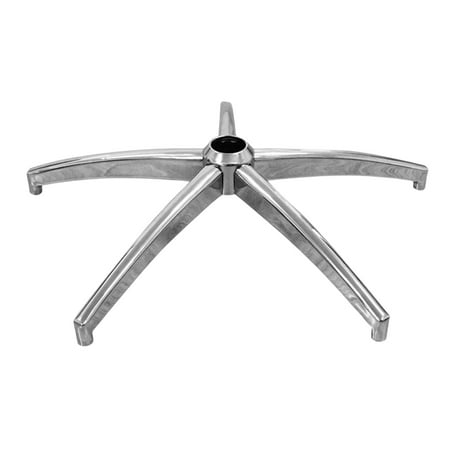
The typical modern office chair uses a 5-star base—a design that has become universal for good reason. But within that category, variations abound. Let’s break down the components:
- The Hub (Center): The central piece that connects to the gas lift cylinder. It must fit snugly—standard diameters are 50mm (common) and 60mm (heavy-duty).
- The Legs (Arms): Usually 5 legs radiating outward. They can be made of nylon, aluminum, steel, or even wood for aesthetic chairs.
- Caster Sockets: The ends where casters (wheels) snap in. Some bases have integrated sockets; others accept universal stems.
- Glides or Casters: While technically separate, they are part of the base assembly. Some bases accept glides (for stationary chairs) instead of wheels.
Think of the base as the chassis of a car: it needs to be rigid enough to handle load, yet sometimes flexible (in the case of nylon) to absorb minor shocks without cracking.
5-Star vs. 4-Leg Bases: A Stability Showdown
You might occasionally see a vintage office chair with four legs, or a specialty drafting stool with a small base. However, the 5-star base is the gold standard. Why? Physics. A five-legged base provides a larger support footprint and distributes weight more evenly. The risk of tipping backward is significantly reduced. In fact, the American National Standards Institute (ANSI/BIFMA) requires office chairs to pass a stability test that virtually mandates a 5-star design for any chair that reclines. For your safety, always opt for a 5-star base unless you need a completely stationary chair (like a guest chair).
Base Material Showdown: Nylon, Aluminum, Steel & More
The material of your chair base dictates weight capacity, durability, appearance, and cost. Here’s a deep dive:
🔹 Nylon / Polyamide (Reinforced Plastic)
Best for: Home offices, standard-weight users (up to 300 lbs), budget-conscious buyers.
High-quality nylon bases (often glass-reinforced) are incredibly tough. They are lightweight, resistant to corrosion, and have a slight flexibility that helps absorb impacts—imagine dropping the chair; a nylon base might flex and survive where a cheaper plastic would shatter. Look for “reinforced nylon” or “glass-filled nylon” in specifications. They can last for many years and are often indistinguishable from metal at a glance (they usually have a matte or slightly glossy finish).
Pros: Affordable, quiet, won’t dent, variety of colors. Cons: Can look less premium than metal; may fatigue over decades of heavy use.
🔹 Aluminum Alloy (Cast or Extruded)
Best for: Executives, heavy users (300-500 lbs), 24/7 usage, aesthetic focus.
Aluminum bases are the mark of a high-end chair. They offer exceptional strength-to-weight ratio—lighter than steel but very rigid. A polished or brushed aluminum base adds a professional, sleek look to any office. Cast aluminum (molten metal poured into a mold) is typical for complex shapes; extruded aluminum legs are also used. Aluminum never rusts, and a good powder coat or anodized finish ensures it stays beautiful. If you’re a bigger person or work long hours, aluminum provides peace of mind.
Pros: High weight capacity, premium appearance, durable. Cons: More expensive, can be colder to touch, may dent if abused (though rare).
🔹 Steel
Best for: Industrial or specialty heavy-duty chairs (500+ lbs).
Steel bases are less common in standard office chairs due to weight (they make the chair heavy to move) and manufacturing cost. However, for extreme heavy-duty applications, steel is unbeatable. Usually, they are welded or stamped and painted. Unless you need a base rated for 500+ pounds, aluminum or reinforced nylon is sufficient.
🔹 Wood (Hardwood / Plywood)
Best for: Decorative or traditional executive chairs.
Some luxury chairs feature wooden bases (often with a stained finish) to match traditional office furniture. While beautiful, wooden bases are generally not as impact-resistant as metal or nylon and may have lower weight capacities. They are often combined with casters or glides.
Casters: The Feet of Your Base
A base without casters is like a car without tires. Choosing the right casters is crucial for floor protection and mobility. Most bases accept standard 7/8" or 1/2" diameter stem casters, but always check compatibility.
- Hard Floor Casters (Polyurethane/Rubber): Softer wheels that roll smoothly on hardwood, tile, or laminate without scratching. They have a rubber-like tread.
- Carpet Casters (Hard Nylon): Designed with hard wheels that don’t sink into carpet fibers, making rolling easier. Using soft casters on thick carpet can make movement difficult.
- Rollerblade-Style Wheels: A popular upgrade—larger, soft polyurethane wheels that glide effortlessly on any surface. They often require swapping the caster stem or using an adapter.
- Locking Casters: Useful if you need the chair to stay put (e.g., on a slight incline). They have a brake lever.
Pro tip: If you have a mix of floor types (area rug over hardwood), opt for soft rubber casters—they work decently on carpet and protect the hardwood edges.
Weight Capacity and Base Size: Matching Your Needs
The base’s weight rating is not just about the material—it’s also about design. A flimsy nylon base might crack at 250 lbs, while a reinforced version holds 350 lbs. Always look for the BIFMA certification or manufacturer’s stated capacity. For users over 250 lbs, consider these guidelines:
- 250–300 lbs: High-quality reinforced nylon or standard aluminum base.
- 300–400 lbs: Aluminum base or extra-heavy-duty nylon with thicker legs.
- 400+ lbs: Look for steel or extra-wide aluminum bases, often with larger casters (3” wheels).
Base span (diameter) also matters. A wider base (25-28 inches) provides more stability for taller or heavier individuals. Compact bases (22 inches) are fine for smaller frames and tighter spaces.
Signs Your Chair Base Needs Replacement
Don’t wait for a catastrophic failure. Replace the base if you notice:
- Cracks or stress marks on any leg, especially near the hub.
- Bent metal legs (rare, but possible after impact).
- Wobbling that isn’t fixed by tightening casters or gas lift—could indicate a warped hub.
- Broken caster sockets where the wheel no longer stays in place.
Replacing just the base is cost-effective: you can often find universal bases online for $30–$80, saving you from buying a whole new chair.
Installation and Compatibility: DIY Tips
Swapping a chair base is a 15-minute job. Here’s a quick rundown:
- Remove the old casters (often just pull out with force).
- Lay the chair on its side and use a rubber mallet or a pipe wrench to tap the gas lift cylinder out of the old base. Sometimes you need to apply penetrating oil.
- Insert the cylinder into the new base—it should snap or slide in. If it’s loose, you may need a different size base (50mm vs 60mm).
- Reattach casters by pushing them into the sockets.
- Test stability before sitting.
Compatibility note: Most gas lift cylinders have a standard diameter of 50mm (about 2 inches) where they enter the base. Some heavy-duty chairs use a 60mm cylinder. Measure yours before ordering a replacement base.
Cost vs. Value: Investing in a Good Base
A cheap office chair often comes with a thin, unreinforced plastic base that may crack within a year. Upgrading to a quality base is like buying peace of mind. Here’s a rough price breakdown:
- Basic nylon base (replacement): $20–$35
- Reinforced nylon base (heavy-duty): $40–$60
- Aluminum base (polished / painted): $60–$120
- Premium designer wood or steel base: $100–$200+
Considering that a new decent office chair costs $200–$600, a base upgrade or replacement is a smart investment.
Summary: Choosing the Perfect Office Chair Base
To make the right choice, ask yourself:
- What’s your weight range? → dictates material and capacity.
- What floor type? → caster material.
- Do you want aesthetics or pure utility? → aluminum for looks, nylon for practicality.
- Is this a replacement or a new chair purchase? → if new, check the base specs.
The base is the literal foundation of your seating ergonomics. A sturdy, well-matched base ensures your chair remains a reliable tool for productivity, not a wobbly hazard. Take a moment to inspect your current chair’s base—you might be surprised at what you find.
Frequently Asked Questions About Office Chair Bases
Conclusion: Build Your Chair on a Solid Foundation
Your office chair base might not be the most glamorous feature, but it’s one of the most important. From the material—nylon, aluminum, or steel—to the casters that meet your floor, every detail affects your daily comfort and safety. We hope this guide empowers you to make informed decisions, whether you’re buying a new chair or upgrading an existing one. Remember, a stable base leads to a stable workday.