
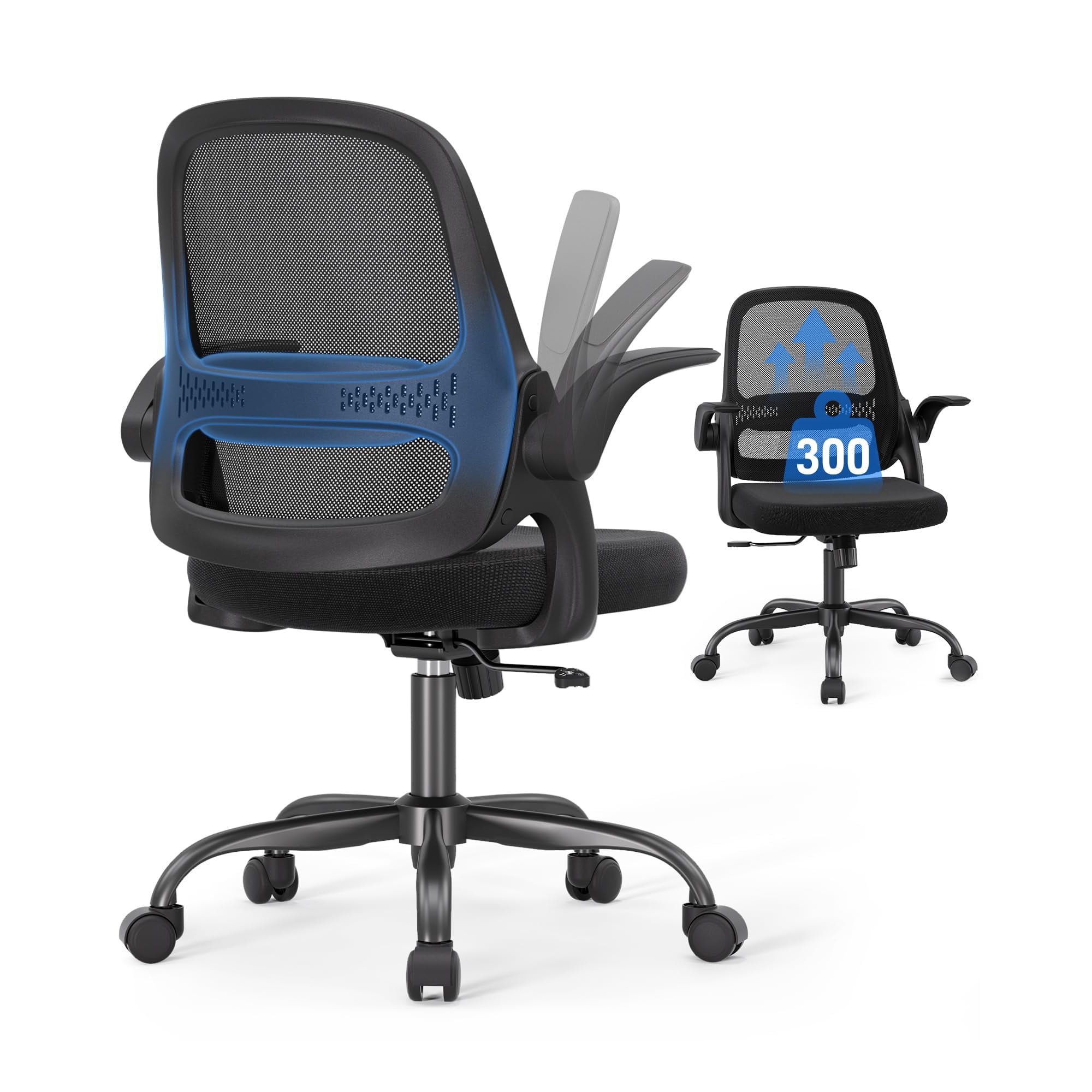
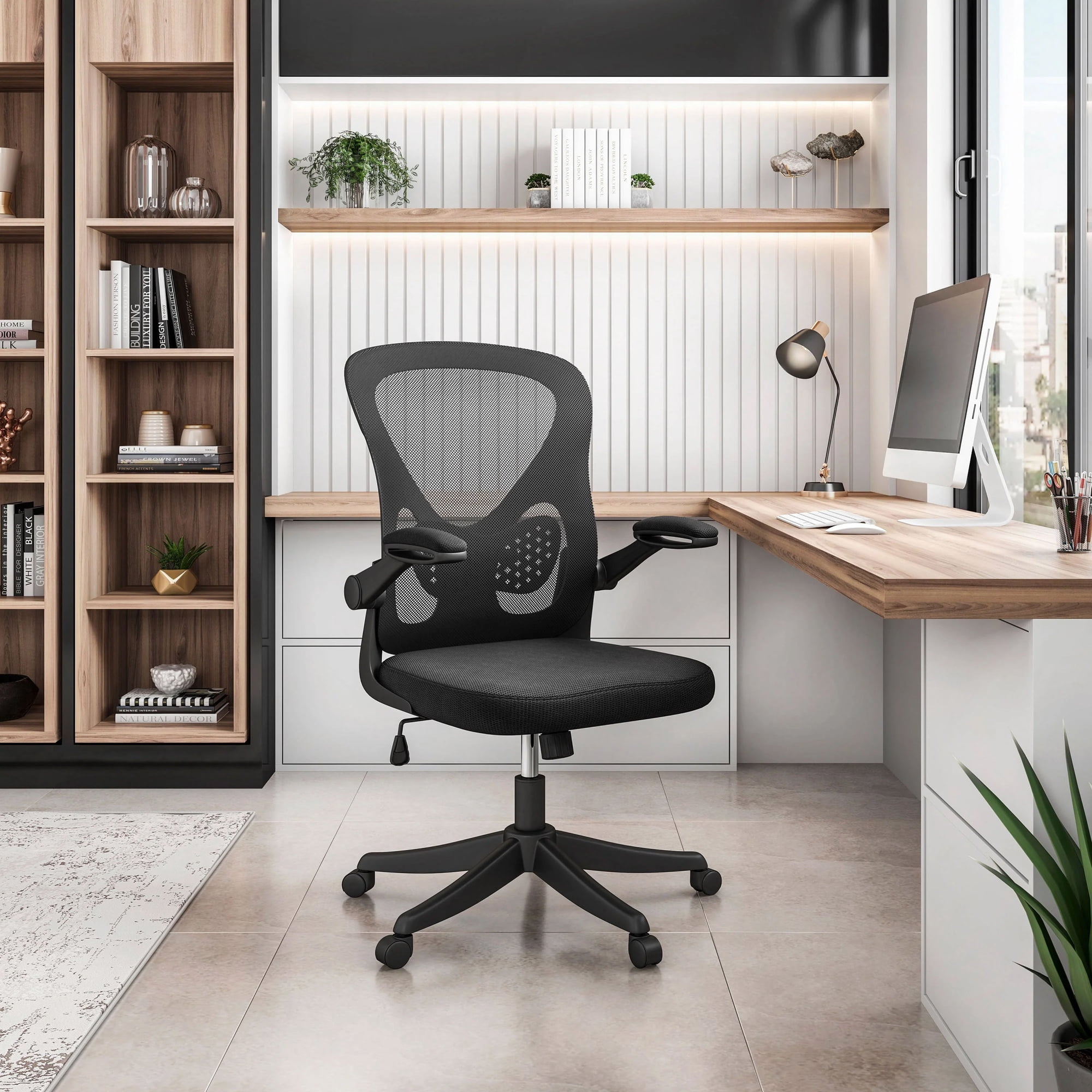
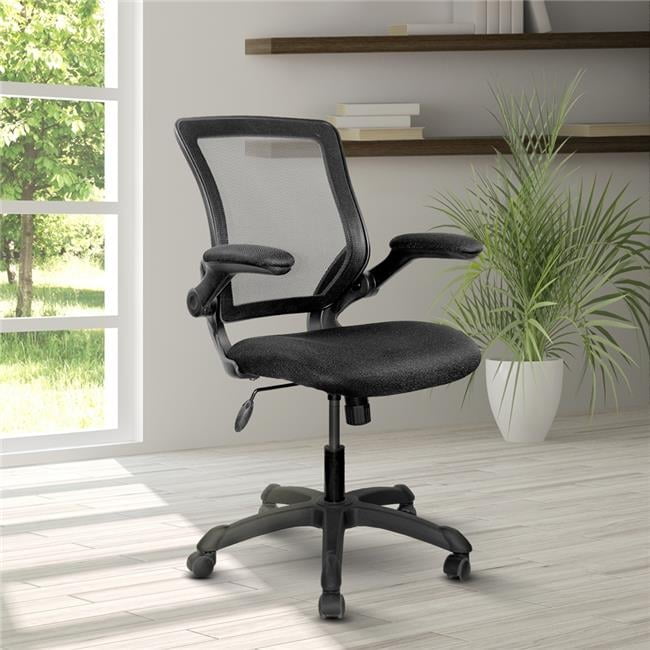
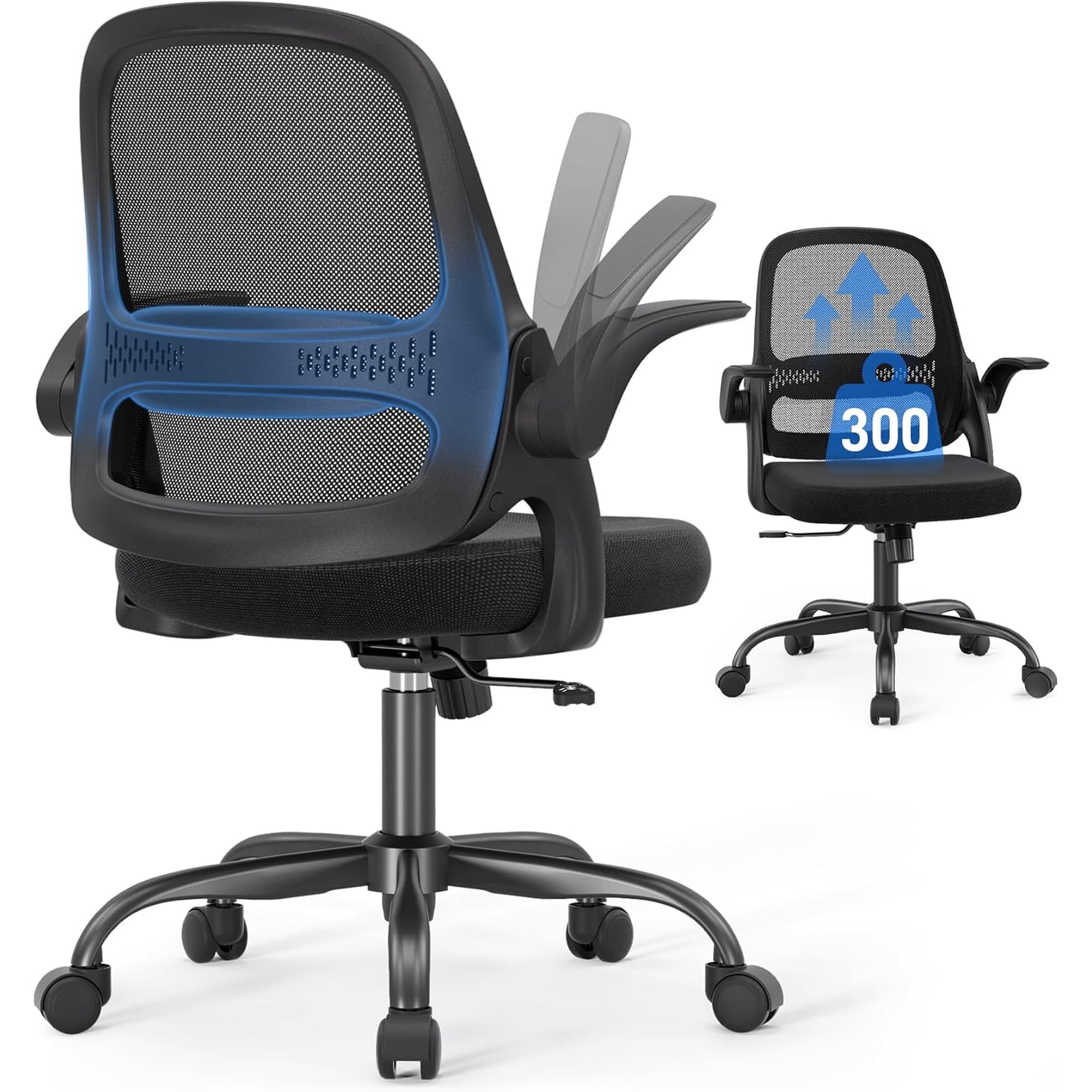
Why Choose an Office Chair With Arms That Flip Up?
Picture this: It's 5 PM, you're done with work, and you want to push your chair under the desk to reclaim your floor space. But those fixed armrests won't cooperate. This everyday frustration is exactly why office chairs with arms that flip up have become essential for modern, flexible workspaces.
Space-Saving Innovation: Recent workspace studies show that 67% of home office users struggle with limited floor space. Flip-up arm chairs solve this problem by allowing complete desk tuck-away, reclaiming up to 30% more floor space compared to traditional fixed-arm chairs.
The Versatility Advantage
Think of flip-up arms like the folding seats in a minivan – when you need them, they provide support and comfort. When you don't, they disappear to create space. This versatility transforms how you use your office chair across different scenarios:
How Flip-Up Arm Mechanisms Work
The engineering behind flip-up arms is more sophisticated than it appears. Quality mechanisms use a combination of precision components working together:
Pivot Hinge
Reinforced steel hinge allows 90-180 degree rotation with smooth operation
Locking Mechanism
Spring-loaded pins or friction locks secure arms in both positions
Load Bearings
Sealed ball bearings or bronze bushings ensure durability and smooth motion
Height Adjustment
Integrated with chair's gas lift for personalized positioning
Types of Flip-Up Arm Mechanisms
Not all flip-up arms are created equal. Understanding the different types helps you choose what works best for your needs:
- 90-Degree Flip Mechanism: Arms rotate forward to vertical position. Most common type, ideal for tucking under standard height desks. Offers good stability when down and compact storage when up.
- 180-Degree Flip Mechanism: Arms rotate completely backward, parallel to the backrest. Provides maximum space saving but requires more clearance behind the chair.
- Removable Arm Design: Arms can be completely detached without tools. Perfect for users who occasionally need armless configuration for extended periods.
- Height-Adjustable Flip Arms: Combines flip-up functionality with 4-6 inches of height adjustment. Premium feature for personalized ergonomic positioning.
- Pivot and Slide Mechanism: Arms pivot up and slide inward slightly. Advanced design that maintains stability while maximizing space efficiency.
5 Key Benefits of Flip-Up Arm Chairs
✓ Space Optimization
Chairs slide completely under desks, freeing up to 4 square feet of floor space – crucial in compact home offices.
✓ Versatile Sitting Options
Switch between supported and open sitting positions throughout the day for better circulation and comfort.
✓ Easy Cleaning Access
Flip arms up to vacuum or clean under and around the chair without obstruction.
✓ Multi-User Adaptability
Different family members can adjust arm positions to their preference, making the chair suitable for shared spaces.
✓ Enhanced Accessibility
Easier entry and exit for seniors, pregnant women, or individuals with mobility limitations.
Choosing the Right Flip-Up Arm Chair: A Step-by-Step Guide
Selecting the perfect chair with flip-up arms requires considering several factors. Follow this systematic approach:
- Measure Your Desk Height and Depth: Before anything else, measure from floor to desk underside. Standard desks are 29-30 inches high. Your chair with arms flipped up should fit completely underneath – typically requiring arms to clear 25-26 inches.
- Test the Mechanism Quality: If possible, operate the flip mechanism several times. It should move smoothly without grinding or excessive force. Quality mechanisms feel solid when locked in both positions.
- Check Weight Capacity Ratings: Look for chairs rated at least 250 pounds. Heavy-duty options with reinforced flip mechanisms support 300-400 pounds. Remember, the flip mechanism is an additional moving part that needs robust construction.
- Evaluate Ergonomic Features: Don't sacrifice comfort for space-saving. Ensure the chair offers proper lumbar support, seat depth adjustment, and tilt functions. The best flip-arm chairs combine both functionality and ergonomics.
- Consider Arm Pad Material: Flip-up arms get handled frequently. Look for durable materials like reinforced polyurethane or padded fabric that resist wear from repeated flipping.
- Verify Warranty Coverage: Quality manufacturers offer at least 3-5 years warranty covering the flip mechanism. This indicates confidence in their engineering.
Material Considerations for Flip-Up Arm Chairs
The materials used in flip-up arm chairs directly impact durability, comfort, and appearance. Here's what to look for:
| Component | Material Options | Durability Rating | Best For |
|---|---|---|---|
| Arm Mechanism | Reinforced Steel / Zinc Alloy | 10+ years | Heavy daily use, commercial settings |
| Arm Pads | PU (Polyurethane) / Memory Foam | 5-8 years | Comfort with durability, easy cleaning |
| Pivot Bearings | Sealed Ball Bearings / Bronze Bushings | 8-12 years | Smooth operation, minimal maintenance |
| Frame Construction | Steel / Aluminum Alloy | 10-15 years | Structural integrity, weight support |
Ergonomics and Flip-Up Arms: Finding the Balance
Some users worry that flip-up arms might compromise ergonomic support. Modern designs prove otherwise. Here's how quality flip-arm chairs maintain ergonomic integrity:
- Stability When Down: Quality mechanisms lock securely with zero wobble, providing the same stability as fixed arms during typing and desk work.
- Proper Arm Height: Look for chairs where the flip mechanism doesn't force arms too high. Ideally, arm height should be adjustable from 7-10 inches above the seat.
- Arm Pad Width: Flip arms should offer at least 2-3 inches of pad width for proper forearm support without feeling restrictive.
- Position Memory: Premium chairs maintain their adjusted height even after flipping up and down repeatedly, ensuring consistent ergonomic positioning.
Space-Saving Statistics: The Real Impact
Numbers tell a compelling story about the value of flip-up arm chairs:
- 33% – Average floor space reduction when using flip-up arm chairs compared to fixed-arm models
- 42% – Of home office users report their desk area doubles as another living space
- 28 inches – Minimum desk height required for most flip-arm chairs to tuck completely underneath
- 5,000+ – Flip cycles that quality mechanisms endure during standard 10-year chair life
- 89% – Of users report improved room flexibility after switching to flip-up arm chairs
Who Benefits Most From Flip-Up Arm Chairs?
While versatile for everyone, these chairs prove especially valuable for specific users:
Maximize limited square footage with furniture that adapts
Transform workspace to living space in seconds
Multiple users with different preferences and needs
Easier chair transfers with unobstructed side access
Comparing Flip-Up Arms vs. Fixed Arms
| Feature | Flip-Up Arm Chairs | Fixed Arm Chairs |
|---|---|---|
| Space Saving | Excellent – tucks completely under desk | Limited – arms prevent full tucking |
| Arm Stability | Good to Excellent (quality dependent) | Excellent (no moving parts) |
| Versatility | High – use with or without arms | Low – fixed position only |
| Price Range | $150 - $600 | $100 - $1,000+ |
| Maintenance | Moderate (moving parts) | Minimal |
| Weight Capacity | 250-400 lbs (quality dependent) | Up to 500+ lbs |