
Why "Wide" Matters: The Quest for the Perfect Fit
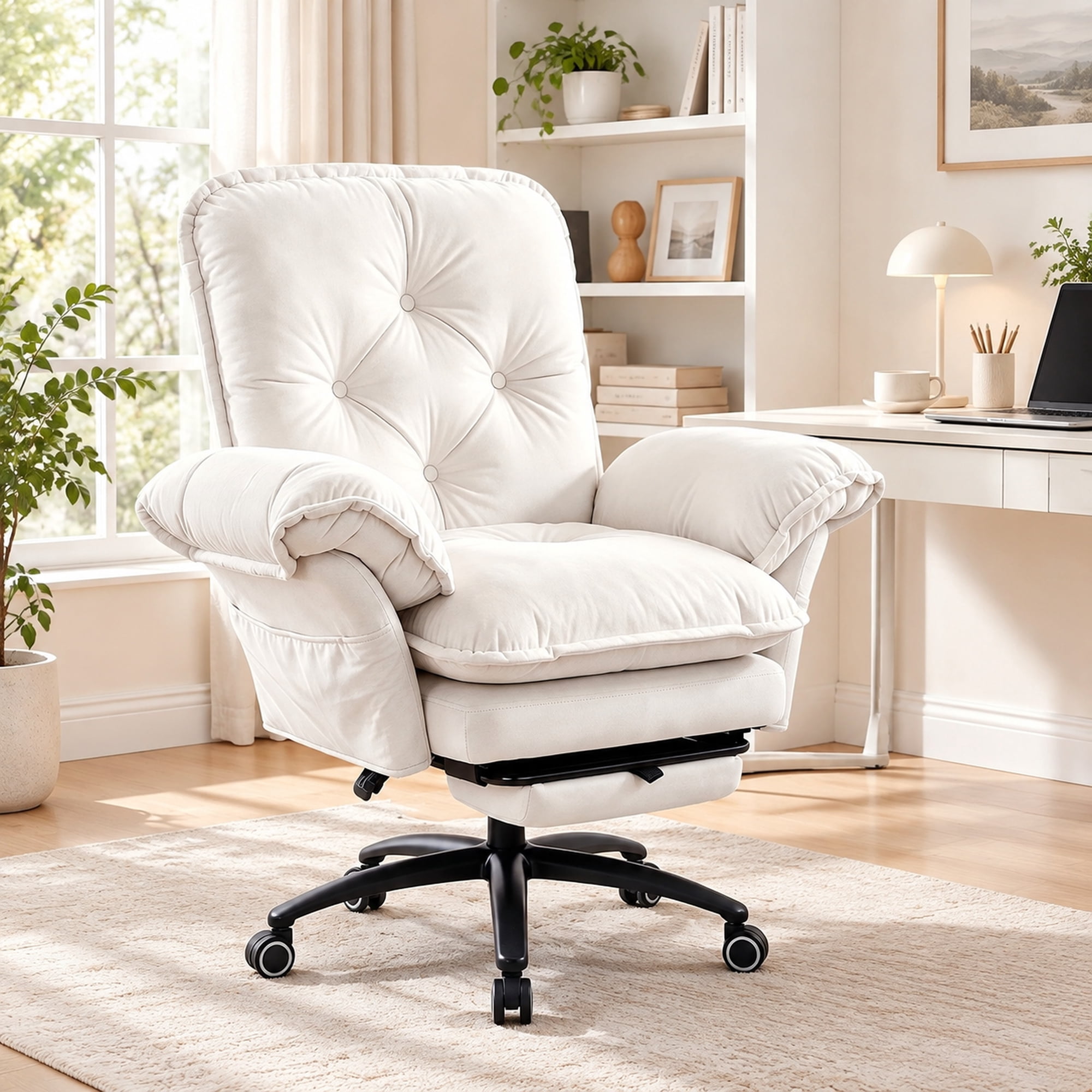
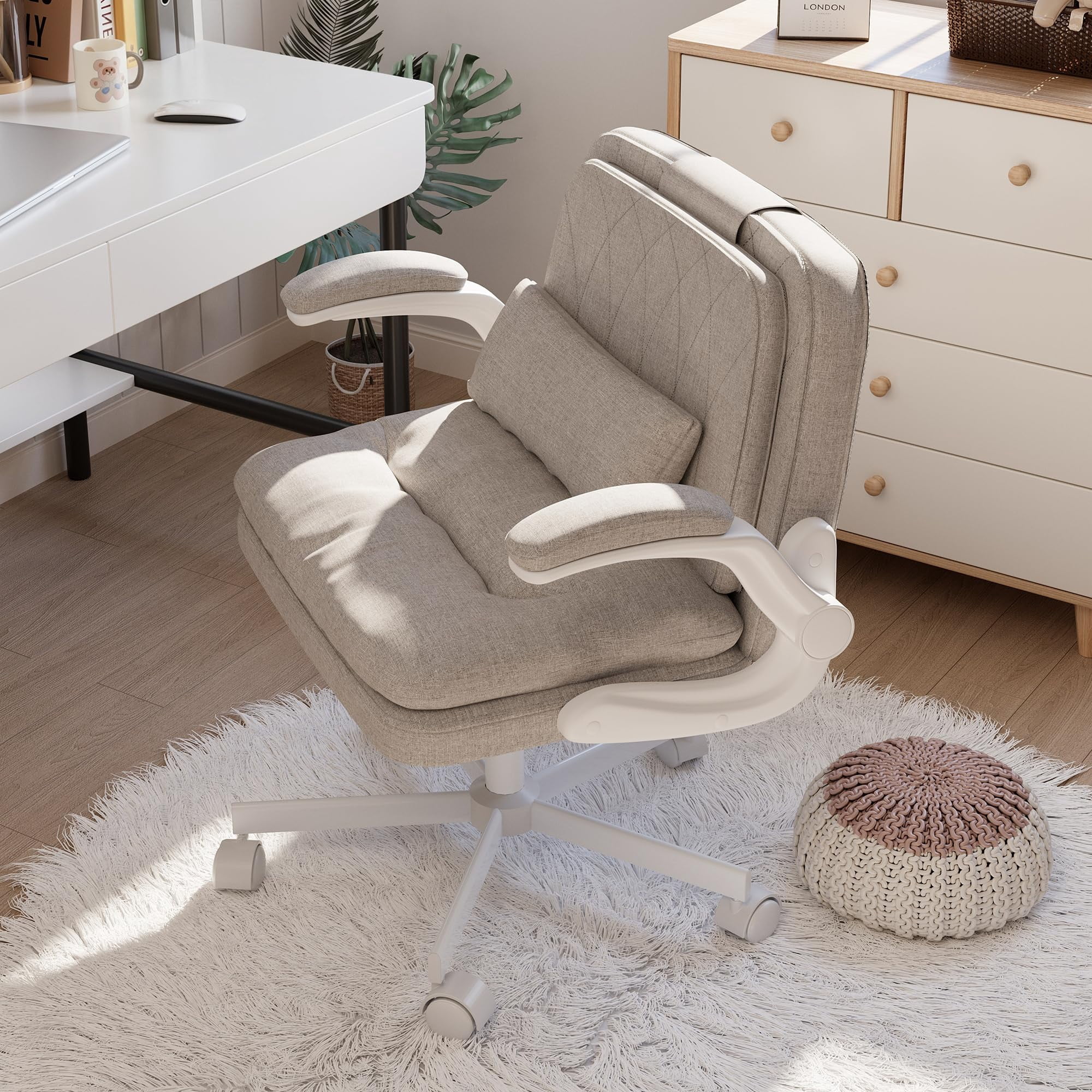
Finding an office chair that fits like a tailored suit is rare. For many, standard chairs feel restrictive, with armrests that pinch or seat edges that cut into thighs. A wide office chair with arms solves this by offering a generous seat platform—typically 22 to 28 inches wide—giving you room to breathe, shift positions, and sit comfortably for extended periods. Whether you're a plus-size user, someone who likes to sit cross-legged, or simply prefer an open seating area, the right wide chair transforms your workday from cramped to confident.
Ergonomic Insight: A seat that is too narrow can cause pressure points on the hips and thighs, restricting blood flow. A properly fitted wide chair distributes weight evenly, reducing fatigue and the risk of deep vein thrombosis (DVT) during long sitting sessions. According to occupational health studies, proper seat width can improve comfort scores by over 35%.
Beyond the Seat Pan: Anatomy of a Superior Wide Chair with Arms
Choosing a wide chair isn't just about the seat width. It's a system of interconnected features. Imagine a suspension bridge—it needs wide lanes, strong cables, and sturdy towers. Your chair is similar: the seat is the lane, the frame is the cables, and the arms/base are the towers. Let's break down the anatomy.
1. The Seat: Width, Depth, and Cushioning
The seat is your foundation. A truly comfortable wide office chair offers:
- Seat Width: Look for minimum 22 inches. Premium models go up to 28 inches. This allows for hip spread and prevents squeezing.
- Seat Depth Adjustment: Crucial for thigh support. The seat pan should slide forward/backward so there's a 2-3 finger gap between the back of your knee and the seat edge. This prevents circulation restriction.
- Waterfall Edge: The front of the seat should curve gently downward, reducing pressure on the underside of the thighs and improving blood flow to the legs.
- High-Density Foam: For a wide chair, foam density is key. Low-density foam will compress and "bottom out" quickly. Look for high-resilience (HR) foam with a density of at least 2.5 lbs/ft³ for longevity.
2. The Frame & Base: The Backbone of Durability
A wider span requires a stronger structure. Think of it like a longer bookshelf needing thicker shelves to avoid sagging. For a wide office chair:
- Frame Material: Reinforced steel or aluminum frames are non-negotiable for heavy-duty use. Avoid plastic frames, which can crack under stress.
- Base (Wheelbase): A nylon or aluminum five-star base is standard. For wide chairs, the base often has a wider span itself (like a longer wheelbase on a car) to provide stability and prevent tipping.
- Casters (Wheels): Dual-wheel casters are superior because they distribute weight better and roll smoothly, even on carpets. Ensure they are rated for your floor type (hardwood or carpet).
- Gas Cylinder: This is the hydraulic lift. It must be rated for high weight capacities (Class 4 or 5 cylinders). A failing cylinder is dangerous and a sign of a cheap chair.
3. Armrests: The "With Arms" Factor
Arms on a wide chair must be thoughtfully designed. Standard arms might be too far apart or too close. Here's what to evaluate:
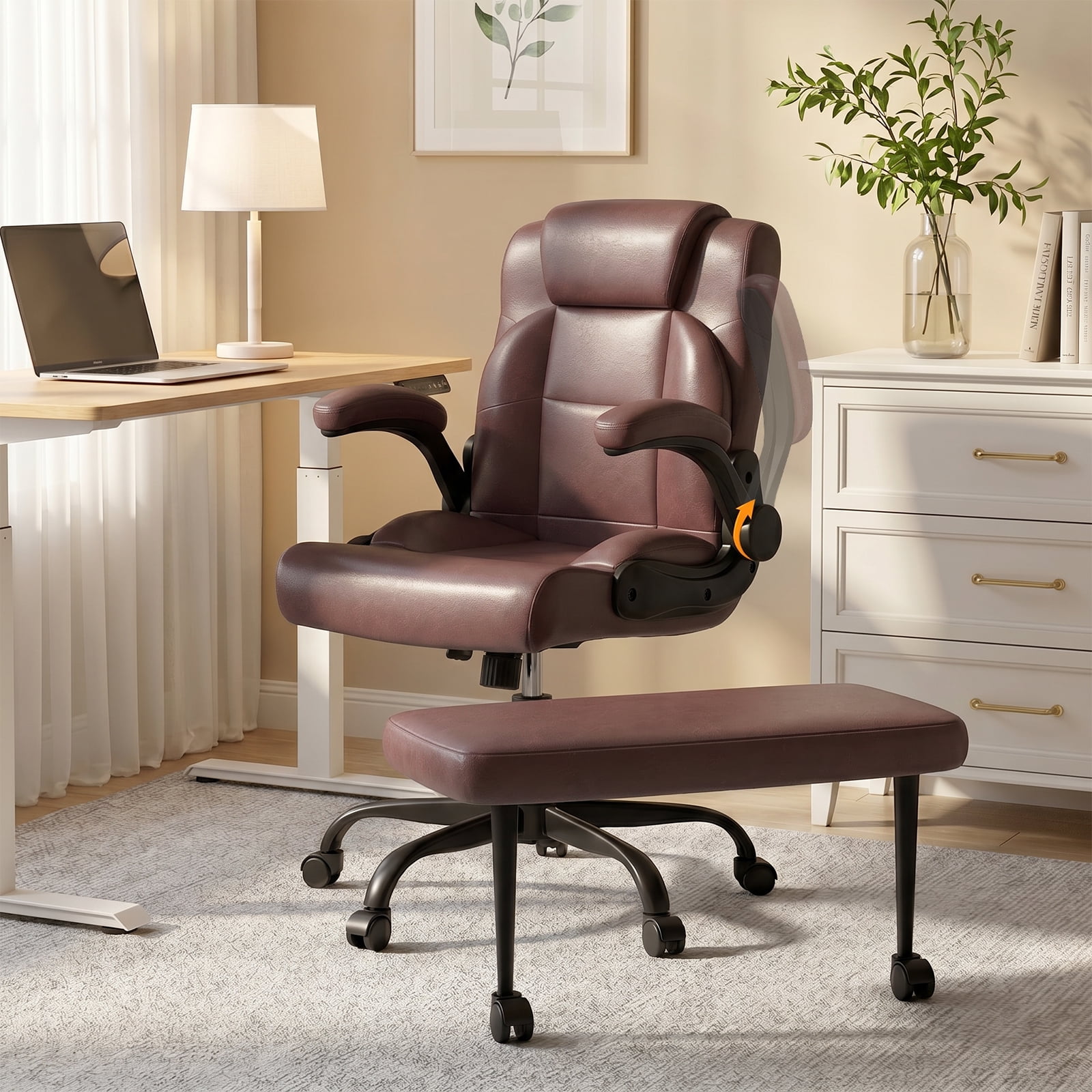
- Width Adjustability (4D Arms): The gold standard. You should be able to move the armrests inward or outward to match your shoulder width. This allows the chair to be wide, but the arms to still support your elbows properly.
- Height & Pivot Adjustment: Arms should adjust so your elbows form a 90-degree angle, with shoulders relaxed. Pivot arms allow for a natural hand position while typing.
- Padding: Wide chairs often have wider, softer arm pads to distribute forearm weight and prevent pressure points.
4. Backrest & Lumbar: Support for the Long Haul
Don't assume a wide chair means a weak backrest. The back must be equally reinforced.
- High Back vs. Mid Back: For full spinal support, a high-back design (with or without a headrest) is recommended. It supports the upper back and shoulders.
- Adjustable Lumbar Support: This is your shield against lower back pain. Look for lumbar that adjusts in both height and depth (how much it pushes into your back).
- Recline Mechanism: A synchronized recline (where the seat and back move together) keeps you properly supported even when leaning back. Tilt tension adjustment lets you set the resistance based on your weight.
Quick Specs: Wide Chair Comparison at a Glance
| Feature | Standard Chair | Wide Chair (Our Focus) | Why It Matters |
|---|---|---|---|
| Seat Width (Internal) | 18" - 20" | 22" - 28" | Room for hips, freedom to move |
| Armrest Adjustment | 2D (height often only) | 3D or 4D (width, angle, height) | Custom fit for broad shoulders |
| Weight Capacity | 250 - 275 lbs | 350 - 500+ lbs | Safety, durability, stability |
| Base Diameter | 25" - 27" | 28" - 30" | Prevents tipping, wider stance |
Material Matters: What's Your Wide Chair Made Of?
The upholstery and materials affect comfort, breathability, and longevity. Here's a tailored guide for wide chairs:
✔️ Heavy-Duty Fabric
- Best for: Breathability and variety.
- Wide-chair advantage: High-quality commercial-grade fabric (like those tested for 100,000+ double rubs) is durable and less likely to stretch or sag on a wide seat.
- Consideration: Look for stain-resistant treatments.
✔️ Premium Leather (or Bonded Leather)
- Best for: Professional look and easy wipe-clean.
- Wide-chair advantage: Full-grain leather stretches minimally, maintaining shape on a wide seat. Bonded leather is less durable for heavy use.
- Consideration: Leather can be warm; perforated options help.
✔️ High-Performance Mesh
- Best for: Hot climates, all-day cooling.
- Wide-chair advantage: Modern mesh is incredibly strong and supports weight without sagging. It conforms to the body and provides excellent lumbar tension.
- Consideration: Mesh on the seat might feel firm; some prefer a cushioned seat with a mesh back.
✔️ Vinyl / Faux Leather
- Best for: Budget-friendly luxury look.
- Wide-chair advantage: Easy to clean, but can crack over time. Ensure it's reinforced with a strong backing.
- Consideration: Not as breathable as fabric or mesh.
Step-by-Step: How to Choose YOUR Wide Office Chair with Arms
Follow this practical guide to narrow down your options and invest wisely.
Step 1: Measure Your Space and Yourself
- Your hip width: Sit on a flat surface and measure across the widest part of your hips/thighs. Add 2-4 inches for comfort and clothing. That's your minimum seat width.
- Doorway & Desk: Measure your office door and the space under your desk. Ensure the chair's total width (armrest to armrest) fits.
Step 2: Define Your Weight and Height Requirements
- Weight capacity: Always choose a chair rated at least 50 lbs above your current weight for a safety margin.
- Height: If you're over 6'0", look for a taller backrest (22+ inches high) and deeper seat (20+ inches depth).
Step 3: Prioritize Adjustability
- Non-negotiable: Seat height, tilt tension, and armrest width adjustment.
- Highly recommended: Lumbar depth adjustment and seat depth slider.
Step 4: Test the Build Quality
- If possible, visit a store. Sit in the chair, lean back, and rock. Listen for squeaks. Check the stability of the base. A well-built wide chair should feel solid as a rock.
Frequently Asked Questions About Wide Office Chairs with Arms
Conclusion: Invest in Space, Invest in Yourself
A wide office chair with arms is more than a piece of furniture; it's a commitment to your physical comfort and long-term well-being. By understanding the nuances of seat width, frame strength, armrest adjustability, and material quality, you can make a choice that turns your office into a sanctuary of productivity. Don't settle for a chair that confines you. Choose one that supports you—literally and figuratively—through every workday challenge. Use this guide as your roadmap, and you'll find a chair that feels like it was made just for you.