
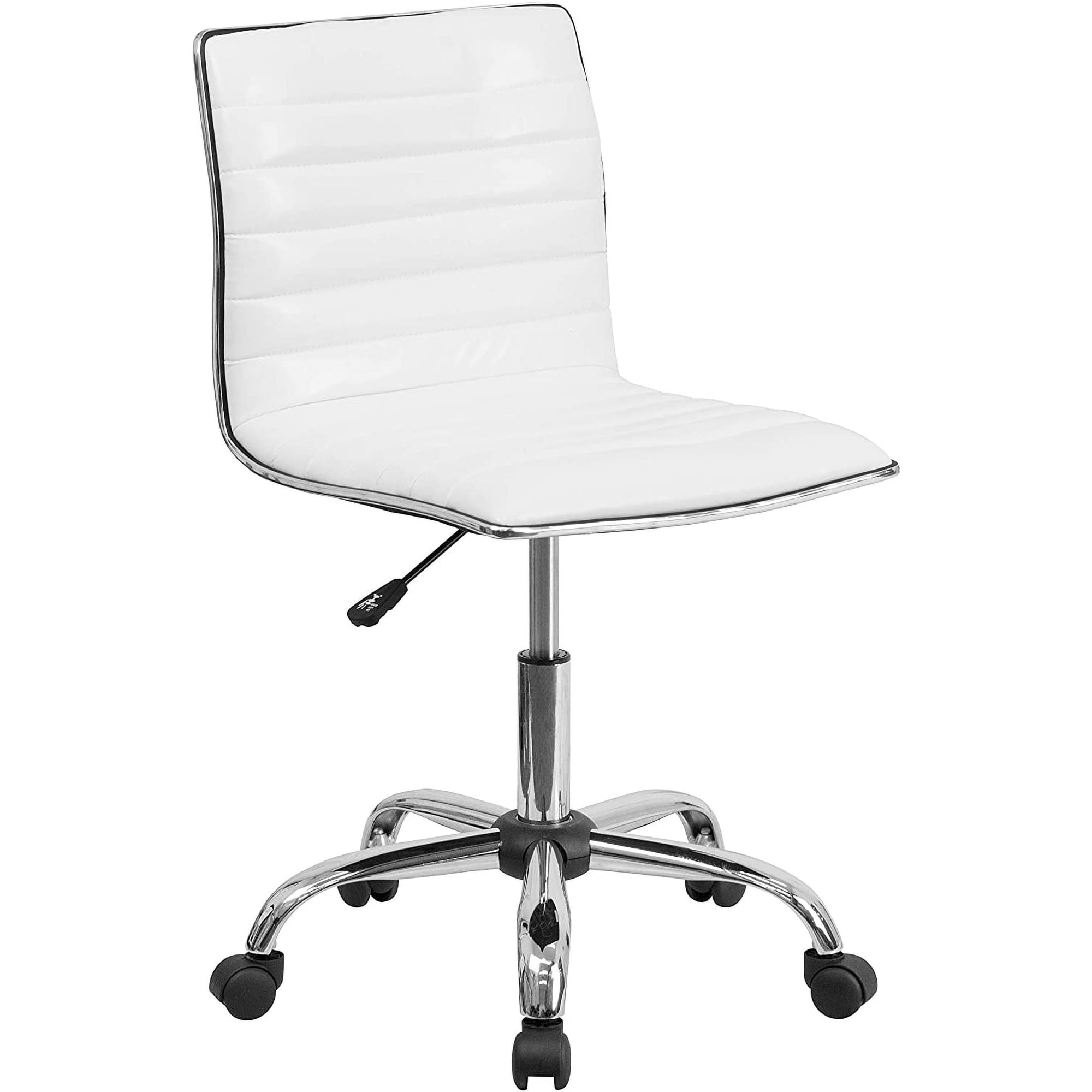
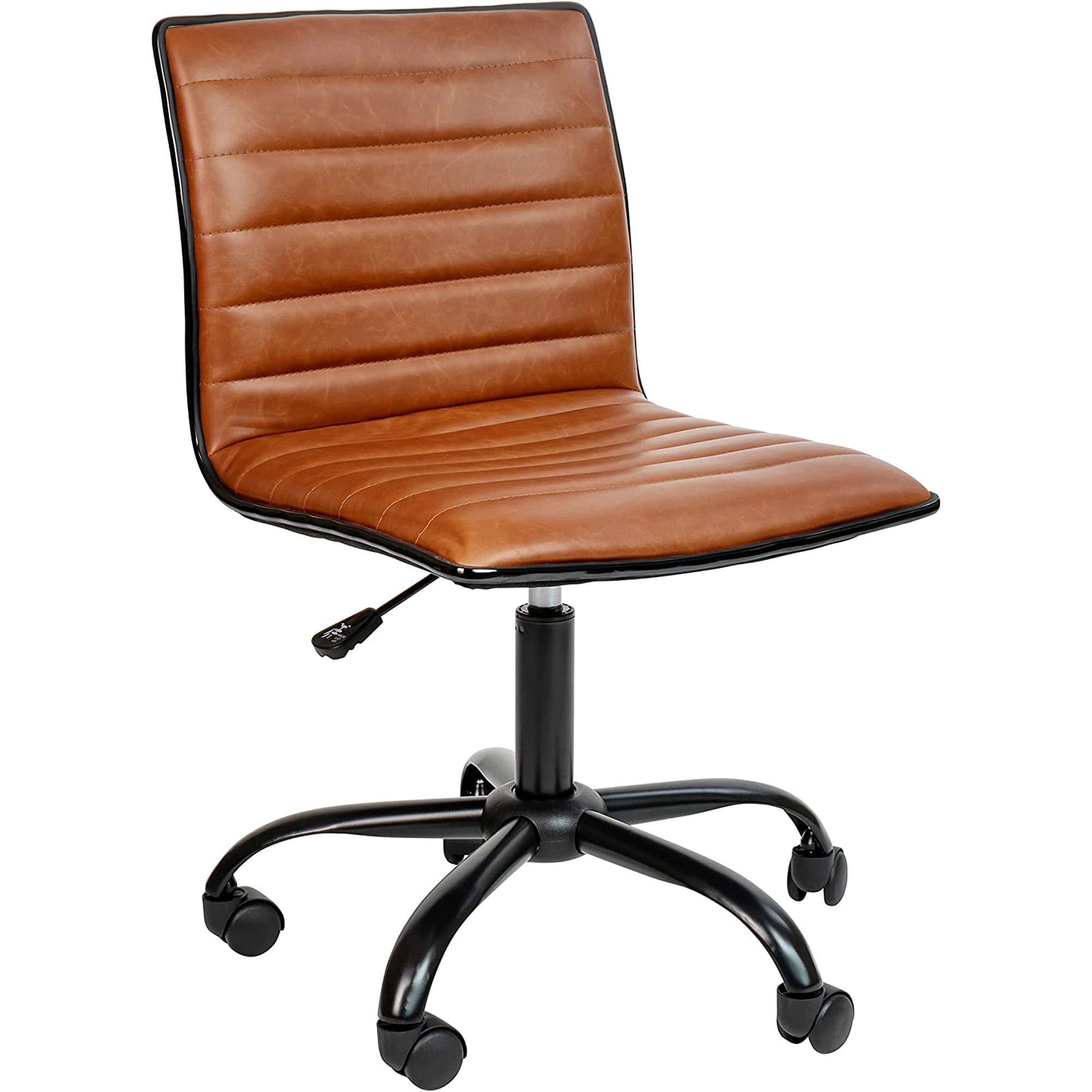
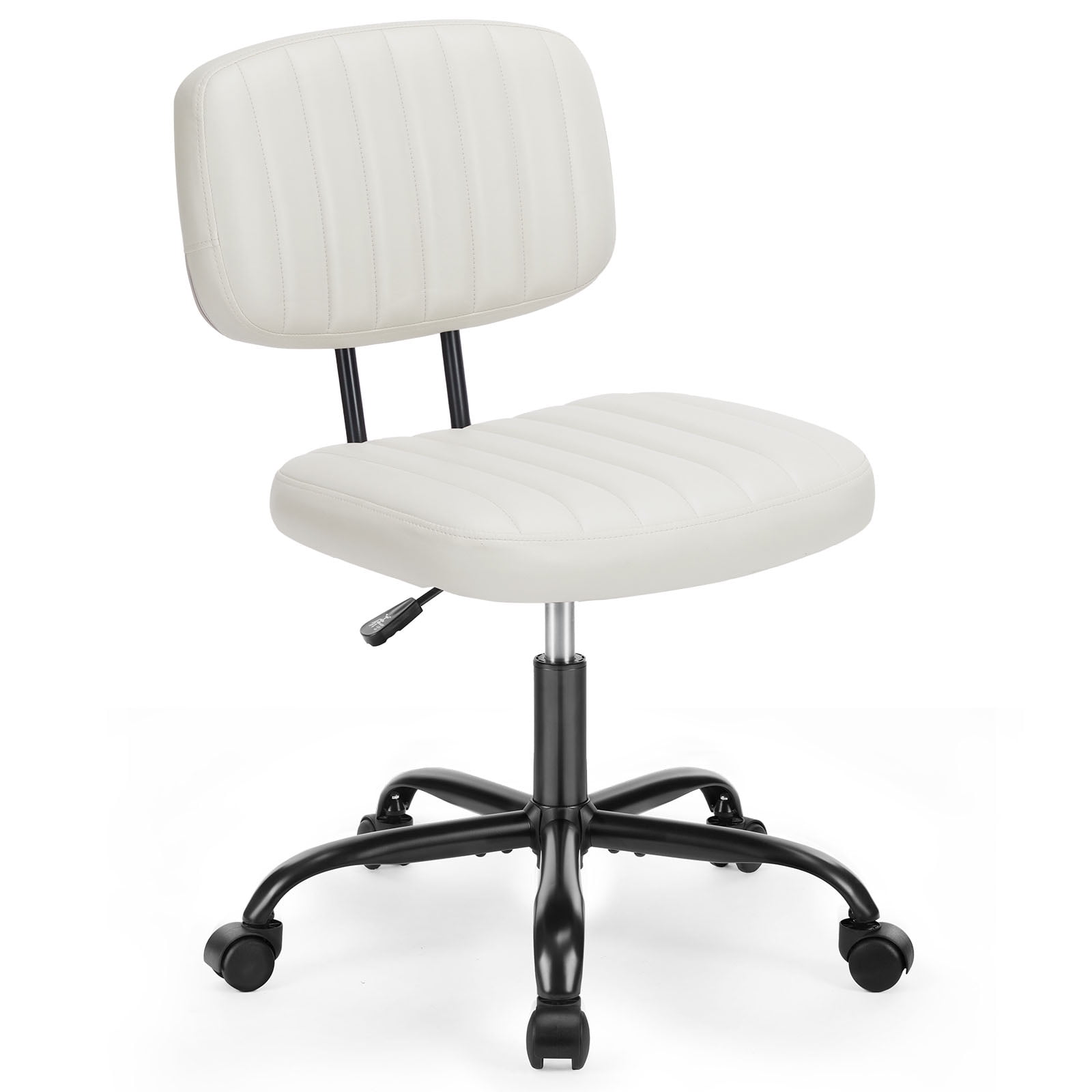
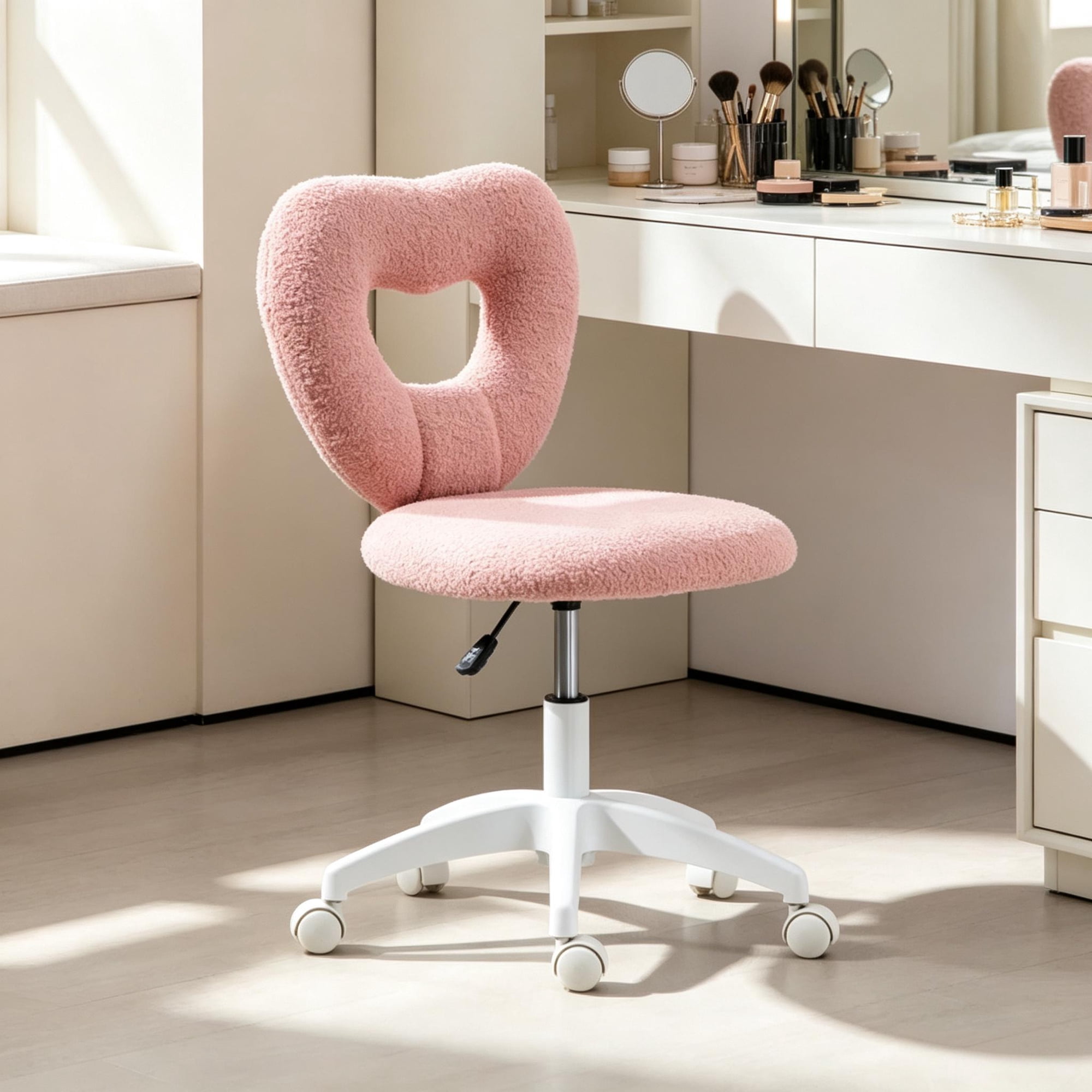
Why Choose an Armless Swivel Office Chair?
Imagine an office chair that doesn't box you in—literally. Armless swivel office chairs represent a paradigm shift in workspace seating, prioritizing freedom of movement and spatial efficiency without sacrificing comfort. Like a ballet dancer compared to a weightlifter, these chairs offer grace and agility where traditional executive chairs provide stability and support.
Compared to armless chairs
Unrestricted mobility
When properly designed
The Armless Advantage
Industry Research: According to workspace ergonomics studies, armless swivel chairs increase lateral mobility by 73% compared to traditional armchairs. Professionals in creative fields report 31% easier multi-tasking when using armless chairs, particularly in environments requiring frequent rotation between monitors, clients, or workstations.
Understanding the Armless Swivel Design Philosophy
Armless swivel office chairs aren't simply traditional chairs with the arms removed—they're engineered differently from the ground up. The design philosophy centers on three core principles:
- Unencumbered Movement: Without armrests, you can freely rotate, slide, and reposition without obstruction—essential for multi-screen setups or collaborative workspaces
- Desk Proximity: Armless designs allow you to pull closer to your desk, maintaining proper posture and reducing shoulder strain from reaching forward
- Versatile Sitting Positions: Freedom to sit cross-legged, tuck one foot under, or frequently shift positions throughout the workday
- Compact Footprint: Typically 4-6 inches narrower than equivalent chairs with arms, making them ideal for small home offices and cubicles
- Universal Accommodation: Removes the armrest fit issue that plagues many users—no more arms that are too wide, too narrow, or at the wrong height
Pros and Cons of Armless Swivel Office Chairs
✓ Advantages
- Superior Mobility: Full 360-degree swivel without armrest obstruction
- Space Efficient: Narrower profile fits tighter spaces
- Better Desk Access: Slide completely under desks when not in use
- Accommodates All Body Types: No armrest width issues
- Encourages Movement: Promotes frequent position changes
- Easier Transitions: Smooth movement between tasks and workstations
- Modern Aesthetic: Clean, minimalist appearance
- Lower Cost: Generally more affordable than arm-equipped models
✗ Limitations
- No Arm Support: Arms must rest on desk or lap
- Less Postural Support: Missing the "checkpoint" armrests provide
- Potential Shoulder Fatigue: Without armrests for periodic relief
- Not Ideal for Reading: No place to rest arms while leaning back
- Reduced Stability Feeling: Some users feel less "secured"
- Limited Recline Comfort: Less relaxing without arm support
- Not Suitable for All: Those with shoulder issues may need arm support
Who Needs an Armless Swivel Office Chair?
Like choosing between a sports car and an SUV, selecting an armless swivel chair depends entirely on your driving—or working—style. Here's who benefits most:
The Small Home Office Warrior
Working from a cramped corner, studio apartment, or converted closet? Armless swivel chairs are your best friend. They tuck completely under desks when not in use, don't bump into walls when you swivel, and make a 50-square-foot office feel twice as large. Key feature: Look for chairs with slim-profile backs and smaller bases.
The Multi-Tasking Maven
Receptionists, traders, designers with multiple monitors, or anyone constantly rotating between tasks will appreciate unrestricted swivel. No armrests means you can spin from phone to computer to client without lifting your arms over obstacles. Key feature: Smooth-rolling casters and friction-free swivel mechanism.
The Creative Professional
Artists, writers, and thinkers often sit in varied positions—cross-legged, perched on the edge, leaning sideways. Armrests become obstacles to creative fidgeting. Armless chairs accommodate any sitting style, letting your body move as freely as your mind. Key feature: Wide, padded seats with flexible edge design.
The Collaborative Space Planner
Designing training rooms, hot desks, or collaborative zones? Armless chairs stack, nest, and arrange more efficiently. Without arms protruding, you can fit more seating in the same square footage and rearrange configurations on the fly. Key feature: Stackable design or ganging capabilities.
Critical Features to Evaluate
When armrests are removed, other features become more critical. Here's what to scrutinize when selecting your armless swivel chair:
| Feature | Why It Matters | What to Look For |
|---|---|---|
| Lumbar Support | Without armrests providing upper body stability, lower back support becomes crucial | Built-in lumbar curve, adjustable support pads, or deep contouring |
| Seat Depth & Width | Armless chairs must accommodate various sitting positions safely | Minimum 19-20" width, 18-20" depth with waterfall front edge |
| Backrest Height | Provides shoulder support normally partially provided by arms | Mid-back (18-22") for task work, high-back (22-26") for full support |
| Base Stability | Without arms for balance, a wider base prevents tipping | Five-star base minimum 26" diameter, aluminum or reinforced nylon |
| Caster Quality | Armless chairs encourage more movement—casters must keep up | Dual-wheel casters, appropriate for floor type (hardwood/carpet) |
| Cushion Density | You'll shift positions more—cushion must recover and support | High-density foam (2.5-3.5 lb rating), not low-density that flattens |
| Tilt Mechanism | Dynamic sitting helps compensate for missing arm support | Multi-position lock, adjustable tension, synchro-tilt preferred |
Material Choices for Armless Swivel Chairs
Without arms to break up the visual line, material selection dramatically impacts both aesthetics and comfort. Here's how different materials perform in armless designs:
Mesh
Breathable mesh backs prevent sweat buildup during extended sitting. Look for chairs with mesh back AND seat, or mesh back with foam seat. Without arms, the uniform material creates a sleek, modern appearance.
Durability: 5-8 years
Maintenance: Low (wipe clean)
Fabric
Fabric offers warmth and softness that compensates for missing arm comfort. Available in countless colors to match decor. Performance fabrics with stain resistance are worth the premium.
Durability: 5-7 years
Maintenance: Medium (vacuum, spot clean)
Leather/Faux Leather
Smooth leather creates a sophisticated silhouette without arms interrupting the lines. Easy to wipe clean, but can be slippery and hot. Bonded leather cracks faster—choose genuine or quality PU.
Durability: 7-10 years (genuine)
Maintenance: Low (wipe, condition)
Ergonomics Without Arms: Making It Work
Can an armless chair be truly ergonomic? Absolutely—but the ergonomics manifest differently. Think of it like comparing a standing desk to a sitting desk; both can be ergonomic, just through different mechanisms.
The Ergonomics of Armless Sitting
- Core Engagement: Without arms to lean on, your core muscles naturally engage, potentially strengthening back muscles over time
- Shoulder Freedom: Arms can move freely, reducing static shoulder tension from resting on poorly positioned armrests
- Dynamic Positioning: Easier to change positions frequently—the next best thing to standing
- Desk Proximity: Pull closer to work, reducing forward head posture and shoulder rounding
Compensation Strategies: To maximize ergonomics in an armless chair:
- Ensure keyboard and mouse are at proper height (elbows at 90°, wrists straight)
- Take frequent micro-breaks to shake out arms
- Consider a monitor arm to position screens at correct height
- Use a footrest if feet don't flatly reach floor
- Add a small cushion for lumbar support if chair lacks built-in contour
Armless vs. Armed: Making the Right Choice
Still deciding between armless and traditional designs? Consider this comparison framework:
| Scenario | Armless Better | Armed Better |
|---|---|---|
| Space constraints | ✓ Fits in tight spaces, tucks under desk | Requires clearance for arms |
| Multi-monitor work | ✓ Easy rotation between screens | Arms can impede rotation |
| Extended typing sessions | Encourages proper arm position on desk | ✓ Armrests provide elbow support breaks |
| Reading/leaning back | Arms rest in lap or at sides | ✓ Armrests support relaxed posture |
| Various body types | ✓ Universal fit, no adjustment needed | Must fit armrest width/depth |
| Collaborative work | ✓ Easy to turn and face coworkers | Arms can create barrier |
Maintenance and Longevity Tips
Extend the life of your armless swivel chair with these care strategies:
- Caster Cleaning: Remove hair and debris monthly—without arms to stabilize, smooth rolling is essential
- Gas Lift Care: Avoid sitting on fully extended cylinder; lower slightly before sitting to reduce pressure
- Fabric Protection: Apply fabric protector annually to resist stains—armless chairs see more varied use
- Tilt Mechanism: Lubricate moving parts every 6 months with silicone spray
- Base Check: Inspect star base for cracks monthly, especially if you're near weight capacity
- Cushion Rotation: If seat cushion is removable, rotate occasionally to distribute wear
Installation and Setup Guide
Setting up your armless swivel chair correctly ensures safety and comfort:
- Unpack carefully - Check all components against manual; armless chairs have fewer parts but same critical pieces
- Install casters - Push firmly into base until they click; test each for free rotation
- Insert gas lift - Place into base center hub; ensure it's fully seated
- Attach seat to mechanism - Align and secure with provided bolts; tighten evenly
- Attach backrest - For separate back models, secure firmly; check all bolts
- Test all functions - Swivel, height adjustment, tilt mechanism before first use
- Adjust seat height - Feet flat on floor, thighs parallel to ground, knees at 90°
- Position desk - You should be close enough to work without leaning forward
Safety Note: Without arms providing lateral stability, it's crucial that all five casters contact the floor evenly. Never use an armless chair on uneven surfaces or with damaged casters—tipping risk increases without armrests to catch you.
The Future of Armless Office Seating
As offices evolve toward flexible, hybrid models, armless swivel chairs are gaining prominence. Industry trends show:
- Smart Materials: Self-adjusting lumbar support that adapts without manual controls
- Enhanced Mobility: Gliding mechanisms that allow lateral movement without leaving the chair
- Sustainable Design: Recycled materials and modular construction for easy repair
- Biophilic Elements: Natural materials and organic forms that soften the armless silhouette
- Integrated Technology: Sensor-equipped chairs that suggest position changes