
Why Choose a Solid Wood Office Chair?
In an era of disposable furniture, a solid wood office chair stands as a statement of permanence. It is not merely a seat; it is a companion to your career—one that ages gracefully, developing a patina that tells your story. Unlike particle board or plastic, solid hardwood offers structural integrity that can span decades. For the executive, lawyer, or creative professional, it grounds a workspace in authenticity and warmth.
According to a study by the American Sustainable Business Council, 67% of consumers prefer furniture made from natural, renewable materials. Solid wood fits this ethos perfectly: it’s biodegradable, often sourced from managed forests, and stores carbon rather than emitting VOCs like many synthetics. But beyond sustainability, the tactile experience—the smooth grain under your hand, the subtle heft—signals quality to everyone who enters your office.
Anatomy of a Premium Solid Wood Chair
What transforms a piece of lumber into an ergonomic throne? It starts with the wood itself. Here are the key components and materials:
1. Wood Species & Their Character
- Black Walnut: Rich, dark chocolate hues; naturally resistant to decay; very stable. It’s the choice for luxury executive desks and chairs.
- White Oak: Classic, prominent grain; extremely hard and durable; used in iconic Mission-style furniture. It resists moisture well.
- Cherry: Warm, reddish-brown that deepens with age; smooth texture; often used in traditional, elegant office pieces.
- Hard Maple: Very pale, almost creamy; incredibly hard and resistant to abrasion; ideal for modern, minimalist designs.
- Ash: Similar to oak but with a lighter, more elastic grain; excellent for bentwood parts (like curved backrests).
- Rubberwood: An eco-friendly hardwood (harvested after latex production); straight grain; great value for cost-conscious buyers.
2. Joinery: The Secret to Longevity
A solid wood chair’s lifespan is determined by how its parts connect. Avoid staples and glue-only joints. Look for:
- Mortise and Tenon: The gold standard. A protruding tenon on one piece fits snugly into a mortise hole on another, often secured with a wooden pin. This joint only gets tighter as the wood expands and contracts.
- Dovetail Joints: Commonly used in drawers, but also in chair arms. Interlocking “tails” and “pins” provide immense mechanical strength.
- Corner Blocks: Screwed or glued into interior angles, these triangular blocks prevent wobbling and racking.
3. Ergonomics Meet Natural Material
Modern solid wood chairs are not rigid thrones. Designers now sculpt seats (called “saddles”) to follow the human form. A curved lumbar rail, often steam-bent ash, provides flexible back support. Many models incorporate:
- Adjustable tilt tension and swivel mechanisms hidden within the wood base.
- Upholstered seats and backs in leather or premium fabric, combining wood’s strength with cushioning comfort.
- Height-adjustable gas lifts (yes, they can be discreetly fitted to wooden frames).
Sustainability: A Deeper Look
Choosing a solid wood office chair is an environmental decision. The United Nations Environment Programme notes that the furniture industry accounts for nearly 8 million tons of waste annually, much of it from particle board that can’t be recycled. In contrast, a solid wood chair at end-of-life can be repurposed, burned for biomass, or simply biodegrade. Moreover, certifications like FSC (Forest Stewardship Council) ensure the wood comes from responsibly managed forests. By investing in a single, durable wooden chair, you avoid the “replace every few years” cycle of fast furniture.
Wood Comparison at a Glance
| Wood Type | Hardness (Janka) | Grain Pattern | Color | Typical Use |
|---|---|---|---|---|
| Black Walnut | 1010 | Straight, sometimes wavy | Rich chocolate | Executive / luxury |
| White Oak | 1360 | Prominent, ring-porous | Light to medium brown | Traditional / Mission |
| Hard Maple | 1450 | Subtle, fine | Creamy white | Modern / minimalist |
| Cherry | 950 | Fine, smooth | Rich reddish-brown | Colonial / classic |
| Ash | 1320 | Pronounced, similar to oak | Pale beige | Bentwood / contemporary |
*Janka rating measures resistance to denting and wear. Higher = harder.
How to Choose Your Solid Wood Office Chair: A 5-Step Framework
Step 1: Match Wood to Your Office Aesthetic
Are you going for dark & authoritative (walnut), bright & airy (maple), or warm & welcoming (cherry)? Bring a photo of your desk or room—wood tone should complement, not clash. For glass desks, lighter woods pop. For traditional mahogany desks, consider cherry.
Step 2: Assess the “Sit Feel” – Upholstery vs. All-Wood
All-wood seats (often called “saddle seats”) are excellent for posture and airflow, but require an adjustment period. If you prefer cushioning, look for chairs with upholstered seats and backrests. High-resilience foam wrapped in leather or fabric offers the best of both worlds.
Step 3: Verify the Mechanism Quality
A solid wood frame is only as good as its moving parts. Tilt mechanisms should be smooth and quiet. Gas lifts should be Class 3 or 4 (for frequent use). Casters should be appropriate for your floor—soft rubber for hardwood, standard for carpet. Inspect if the mechanism is bolted through the wood (best) or just screwed in.
Step 4: Consider Your Body Dimensions
Wooden chairs often have fixed dimensions. Measure your seat depth preference (usually 17-20 inches). Ensure the backrest height supports your lumbar curve. If you are taller, look for “high-back” wooden executive chairs with extended back supports.
Step 5: Read the Fine Print – Warranty & Returns
Because wood can move (expand/contract), a reputable manufacturer offers at least a 5-year warranty on the frame. Understand their policy on returns—if the chair arrives with a finish flaw or develops a crack (rare but possible), you need coverage.
Blending Tradition with Modern Ergonomics
One might think “wooden chair” equals rigid, but innovation abounds. Brands now incorporate synchronized tilt mechanisms where the seat and backrest move independently, all housed within a wooden shell. Pneumatic height adjustment is standard. Some even feature hidden lumbar pumps. The goal is to retain the wood’s visual warmth while delivering the same ergonomic benefits as high-end mesh or plastic chairs.
Ergonomist Insight: “A well-designed wooden chair with a curved backrest can promote better posture than many over-padded chairs, because the wood provides firm, consistent support, encouraging micro-movements that keep the spine healthy.” – Dr. Emily Reed, Workplace Ergonomics Institute.
Maintenance: Keeping Your Wooden Chair Pristine
Solid wood requires simple, mindful care. Follow these tips:
- Dust weekly with a microfiber cloth to prevent buildup in grain crevices.
- Clean spills immediately – water can leave white rings. Blot, don’t wipe.
- Humidity control: Use a humidifier in winter (target 40-45% RH) to prevent drying and cracks.
- Polish sparingly: Once or twice a year with natural wax (like beeswax) to nourish the finish.
- Tighten hardware every six months – screws and bolts can loosen with seasonal wood movement.
Frequently Asked Questions About Solid Wood Office Chairs
Final Verdict: Is a Solid Wood Chair Right for You?
If you value sustainability, craftsmanship, and a piece of furniture that feels personal and permanent, a solid wood office chair is an unmatched choice. It bridges the gap between heirloom-quality artistry and the ergonomic needs of a modern professional. While the upfront cost may be higher than mass-market chairs, the cost-per-year over its lifespan is remarkably low. It’s not just a chair; it’s an investment in your workspace’s soul.
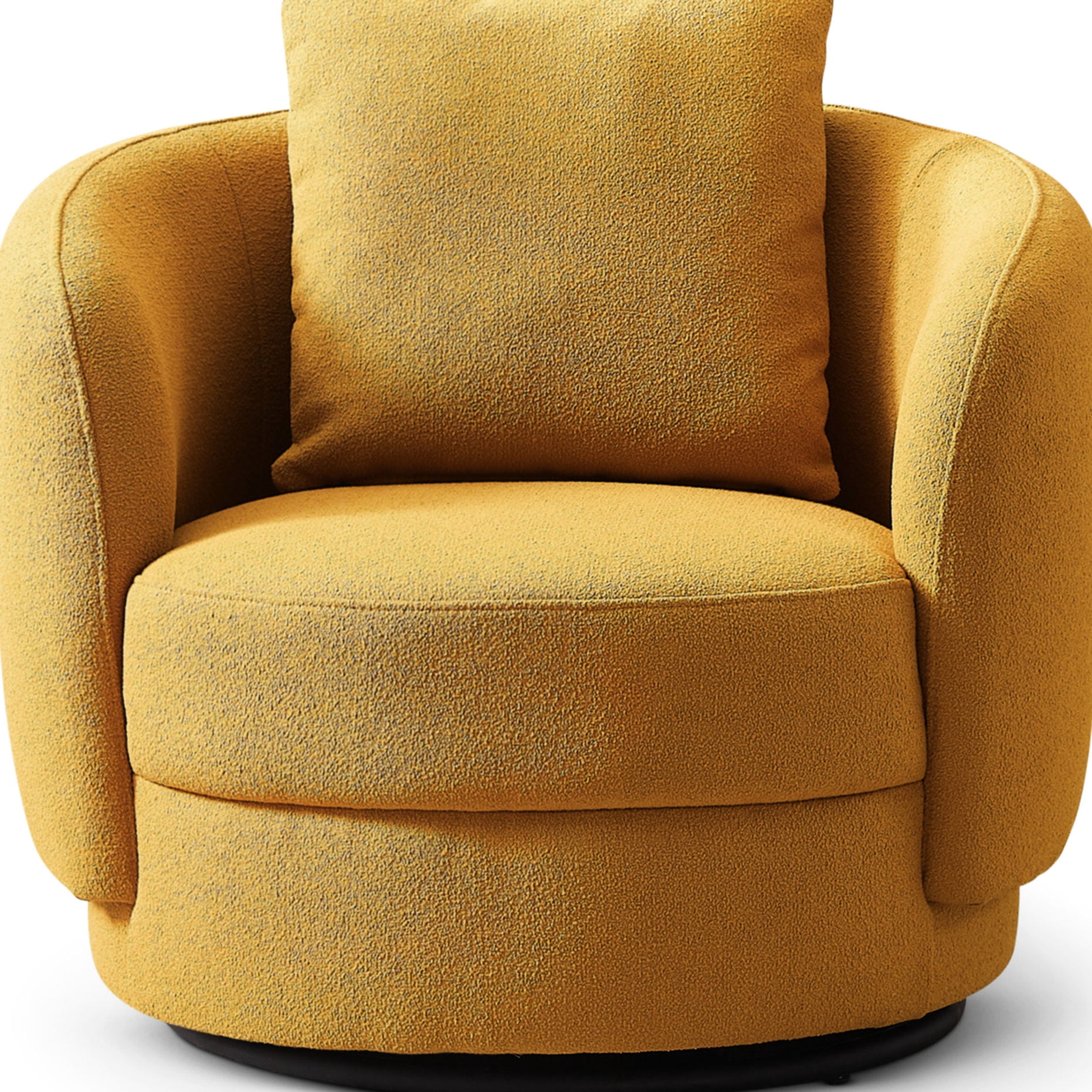
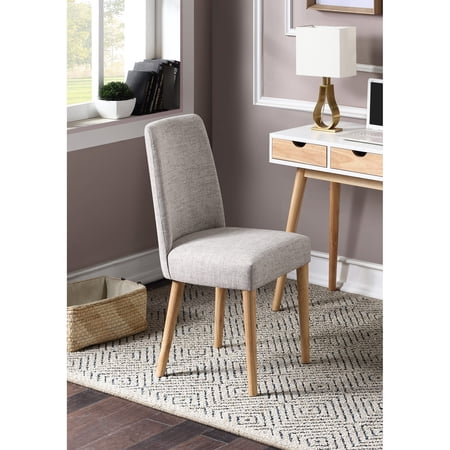
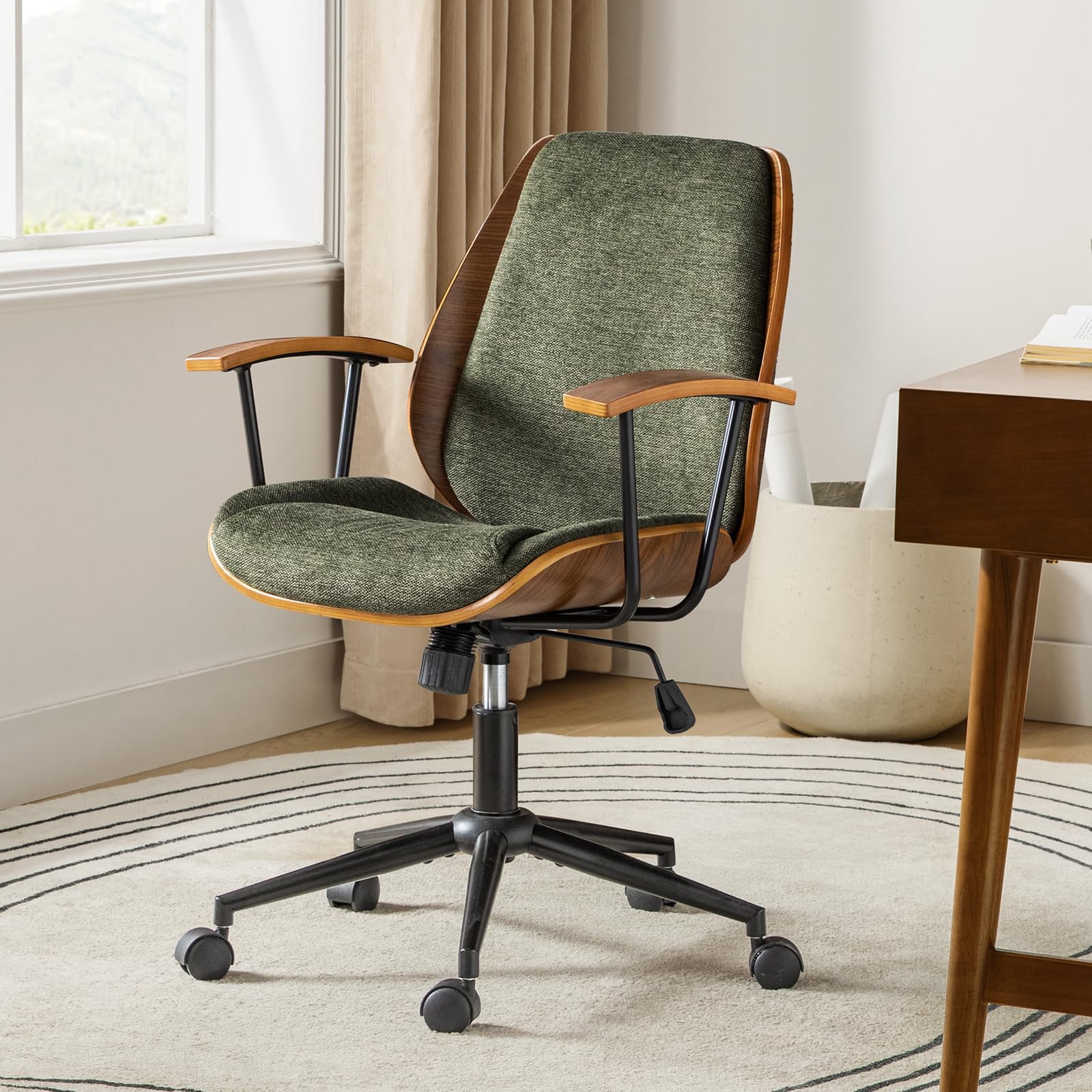
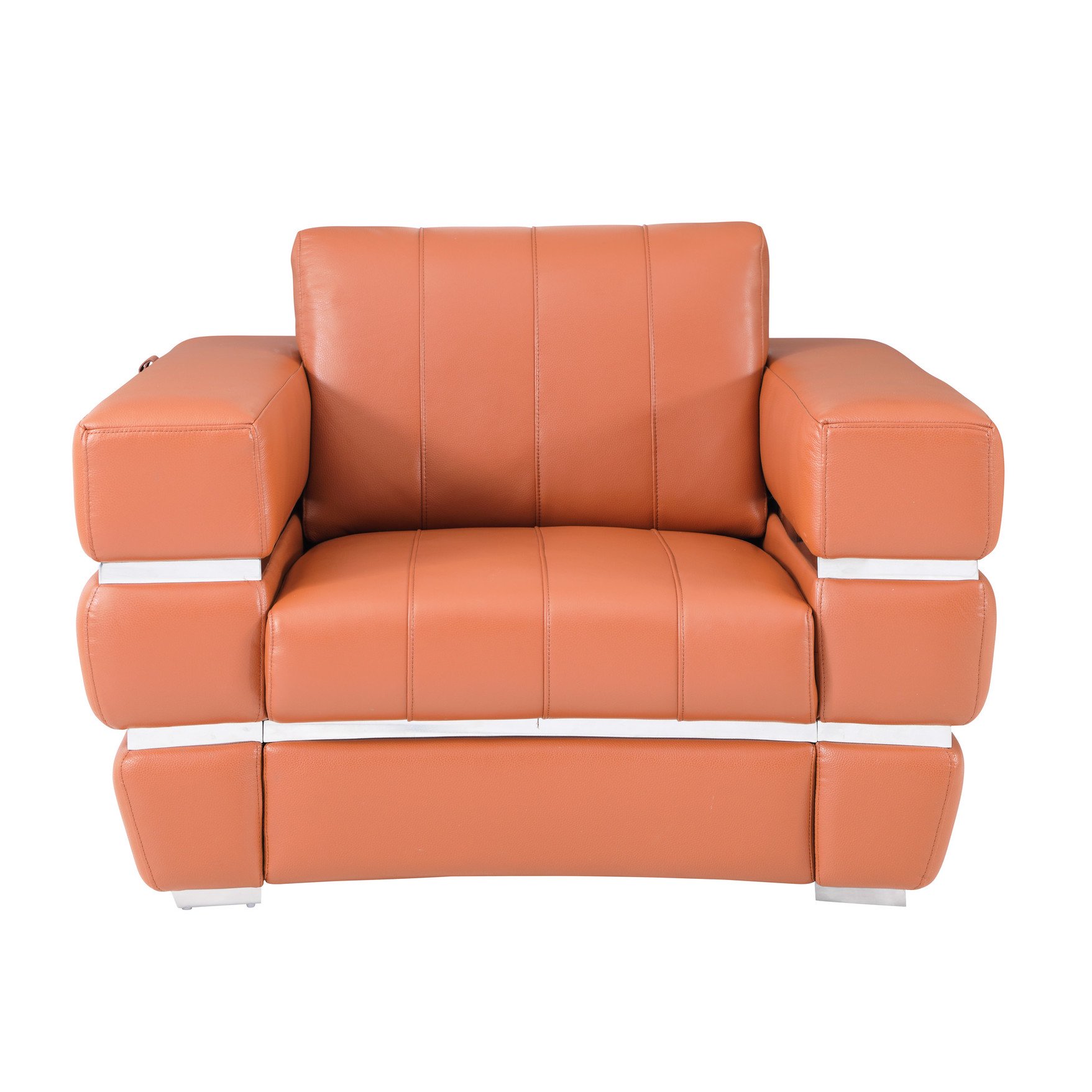
Explore the handpicked selection below—each chair meets our criteria for wood quality, ergonomic design, and durability. Your perfect wooden companion awaits.