
Your Lower Back Deserves Better: The Truth About Office Chairs
Imagine wearing shoes that don't fit properly for eight hours a day, five days a week. Your feet would protest, and eventually, you'd develop blisters, corns, and chronic pain. Yet millions of office workers do the equivalent with their backs every single day—sitting in chairs that provide zero support for the natural curve of their lumbar spine.
A lumbar support chair for office use is specifically designed to solve this exact problem. Unlike standard office seating that treats all backs as identical flat surfaces, quality lumbar support chairs recognize that your spine has a natural inward curve (lordosis) that needs proper reinforcement. Without this support, you unconsciously slouch, your core muscles fatigue, and the discs in your lower spine bear uneven pressure—leading to that all-too-familiar end-of-day back ache.
The Statistics Are Startling: According to the American Chiropractic Association, back pain is the single leading cause of disability worldwide. Office workers who sit for more than 6 hours daily are 40% more likely to develop lower back pain than those who sit less. However, a 2022 study in the International Journal of Environmental Research and Public Health found that workers using ergonomic chairs with proper lumbar support reported a 54% reduction in back pain intensity after just 4 weeks.
Think of your lumbar spine as the foundation of a house. Just as a cracked foundation compromises the entire structure, poor lumbar support affects your entire body—from your neck and shoulders down to your hips and legs. A quality lumbar support chair for office work acts like a structural reinforcement, maintaining your spine's healthy alignment even as hours of sitting would normally cause you to collapse into poor posture.
🧠 Understanding Your Lumbar Spine: Why Support Matters
Your lumbar spine consists of five vertebrae (L1 through L5) that bear the majority of your upper body weight. When sitting, the pressure on these spinal discs increases by 40% compared to standing. Without proper support:
Uneven pressure forces spinal discs to bulge backward, pressing on nerves
Back muscles constantly contract to prevent falling forward, leading to exhaustion
Misalignment can pinch sciatic nerves, causing leg pain and numbness
Shoulders round forward, neck strains, and headaches become common
A proper lumbar support chair for office use counteracts these forces by maintaining the spine's natural S-curve, distributing pressure evenly, and allowing muscles to relax while still maintaining posture.
The Science of Sitting: How Lumbar Support Transforms Your Workday
Not all lumbar support is created equal. The difference between a chair that simply has a "bump" in the lower back and one with true ergonomic lumbar support is like comparing a band-aid to physical therapy. Let's dive deep into what makes lumbar support effective and why it's the most critical feature in any office chair.
🔬 The Biomechanics of Proper Lumbar Support
When you sit in a chair with inadequate lumbar support, your pelvis rotates backward—a movement called "posterior pelvic tilt." This flattens the natural curve of your lower spine and transfers weight from your sturdy skeleton to your soft tissues and spinal discs. It's like trying to stand on a ladder with the legs folded—eventually, something has to give.
A quality lumbar support chair for office use prevents this cascade of problems through three biomechanical mechanisms:
- Pelvic Stabilization: Proper lumbar support gently pushes the lower back forward, encouraging the pelvis to tilt anteriorly (forward) into its natural position. This single action reduces spinal disc pressure by up to 35% according to research from Cornell University's Ergonomics Web.
- Load Distribution: When your lumbar curve is maintained, your body weight transfers through your spine and into the chair's frame efficiently, rather than hanging from your ligaments and muscles. Think of it like a well-stacked column versus a leaning tower—the straight column bears weight effortlessly.
- Dynamic Support vs. Static Block: The best lumbar support chairs use mechanisms that move with you. As you lean forward to type or reach for something, dynamic lumbar support maintains contact with your back rather than creating a gap. This continuous support prevents the "support then collapse" cycle that causes micro-trauma throughout the day.
⚙️ Types of Lumbar Support Systems Explained
Understanding the different types of lumbar support mechanisms helps you make an informed purchase. Here's a detailed breakdown of what's available in the market today:
| Lumbar Support Type | How It Works | Best For | Price Indicator |
|---|---|---|---|
| Fixed Contour | A permanent curve built into the chair back. No adjustments possible. | Users with average body types who don't need customization. Budget-conscious buyers. | $150-$400 |
| Height-Adjustable | A padded mechanism that moves up and down to align with your specific lumbar curve location. | People of different heights sharing one chair. Those with longer or shorter torsos. | $300-$700 |
| Depth-Adjustable | The lumbar support moves forward and backward, controlling how much it pushes into your back. | Users who want precise control over support firmness. People with varying preferences throughout the day. | $500-$1,000 |
| 4D Adjustable | Full adjustment in height, depth, and sometimes angle. Often combined with tension control. | Individuals with specific back conditions. Power users who demand perfect ergonomics. | $800-$1,500 |
| Air Lumbar | Inflatable bladders that allow micro-adjustments of pressure and positioning via a pump mechanism. | People who want to change support throughout the day. Those with sensitive backs needing fine-tuning. | $700-$1,800 |
| Dynamic/Follow | The lumbar support moves with your body as you recline or lean forward, maintaining constant contact. | Active sitters who frequently change positions. Those who want "set it and forget it" support. | $600-$1,200 |
📏 The Golden Rules of Lumbar Positioning
Even the most expensive lumbar support chair won't help if it's not adjusted correctly. Think of lumbar adjustment like focusing a camera lens—a tiny turn can mean the difference between a sharp image and a blurry mess. Follow these evidence-based steps to optimize your chair's lumbar support:
🆚 Built-in Lumbar vs. Aftermarket Cushions: What's Better?
Many people wonder whether they need to buy a new chair or if a lumbar cushion can solve their back pain. Here's an honest comparison to help you decide:
✅ Built-in Lumbar Support Advantages
- Precision engineering: Designed specifically for that chair's geometry
- Stability: Won't shift or slip during the day
- Integration: Works with the chair's recline and tilt mechanisms
- Durability: Built to last the life of the chair
- Aesthetics: Clean, professional appearance
🔄 Aftermarket Cushion Advantages
- Affordability: $20-$80 versus hundreds for a new chair
- Portability: Use on multiple chairs, travel, or home office
- Immediate solution: No need to replace existing furniture
- Variety: Memory foam, gel, inflatable options available
- Trial flexibility: Easy to return or exchange
The Verdict: If your current chair is otherwise comfortable and supportive, a high-quality lumbar cushion can provide meaningful relief. However, for chronic back pain or all-day sitting, a chair with integrated, adjustable lumbar support is ultimately superior. Think of it this way: a cushion is like an orthotic insert for shoes—it helps, but it can't fix fundamentally poor footwear design.
🧪 Clinical Evidence: What Research Says About Lumbar Support
Let's look at what peer-reviewed studies actually say about lumbar support chairs for office workers:
- Study 1 (Applied Ergonomics, 2021): Researchers found that participants using chairs with adjustable lumbar support maintained 28% more upright posture during 4-hour typing sessions compared to those using standard office chairs. Muscle activity in the lower back was reduced by 34%, indicating less fatigue.
- Study 2 (Journal of Back and Musculoskeletal Rehabilitation, 2022): A 12-week trial with 120 office workers showed that those using ergonomic chairs with lumbar support reported a 47% decrease in pain scores (on the Visual Analog Scale) and a 31% improvement in work productivity as measured by self-reported focus and task completion.
- Study 3 (Spine Journal, 2020): MRI scans of participants before and after 8 hours of sitting revealed that those without proper lumbar support showed significant disc height reduction (indicating compression and fluid loss), while those with proper support maintained disc height much better throughout the day.
Key Takeaway: The research is consistent—proper lumbar support isn't just about comfort; it's about physiological preservation. Your spinal discs are like sponges; they need proper positioning to maintain hydration and health. A quality lumbar support chair for office use helps preserve disc health, reducing the cumulative damage that leads to chronic conditions like herniated discs and degenerative disc disease.
🏢 Lumbar Support for Different Body Types
One size absolutely does not fit all when it comes to lumbar support. Here's what different body types need to look for:
| Body Type | Lumbar Challenge | What to Look For |
|---|---|---|
| Petite/Short Torso | Standard lumbar support often hits too high, pressing on mid-back instead of lumbar curve | Chairs with wide height adjustment range that goes low enough; separate lumbar cushions that can be positioned precisely |
| Tall/Long Torso | Lumbar support may fall too low, missing the curve entirely | Extra-tall chair backs with extended lumbar adjustment; chairs with "floating" lumbar that moves independently |
| Plus Size | Standard lumbar support depth may be insufficient; support can feel ineffective due to wider body | Chairs with depth-adjustable lumbar that extends further forward; wider backrests that accommodate broader frames |
| Thin/Slim Build | May find standard lumbar support too aggressive or pressure-inducing | Softer lumbar materials; air lumbar that allows pressure adjustment; chairs with less pronounced standard curve |
🔄 The Relationship Between Lumbar Support and Other Chair Features
A lumbar support chair for office use doesn't exist in isolation. For true ergonomic benefit, lumbar support must work in harmony with other chair features:
- Seat Depth Adjustment: If your seat is too long, it forces you to sit forward, creating a gap between your back and the lumbar support. Proper seat depth (with 2-3 finger widths between the seat edge and the back of your knees) ensures you're positioned correctly against the lumbar support.
- Recline Tension: When you recline, your lumbar needs change. Chairs with synchronized mechanisms that adjust lumbar prominence as you recline (often called "posture-fit" or "natural glide" systems) maintain support throughout your range of motion.
- Armrest Positioning: Surprisingly, armrest height affects lumbar load. When armrests are too low, you slump, increasing lumbar pressure. When too high, you shrug, transferring tension down your spine. Properly adjusted armrests complement lumbar support by reducing overall spinal load.
- Headrest Integration: For those using headrests, the angle of recline affects how your lumbar contacts the chair. Look for chairs where headrest and lumbar adjustments work together rather than independently.
💰 Investment Perspective: Why Quality Lumbar Support Pays for Itself
Let's talk dollars and sense. A quality lumbar support chair for office use might cost $500-$1,000, while a basic chair might be $150. Here's why the investment makes financial sense:
- Healthcare Costs: A single chiropractic visit averages $65-$200. Physical therapy sessions run $75-$150 each. If a good chair prevents just 5-10 visits per year, it's paid for itself in 12-18 months.
- Productivity Value: The average office worker costs an employer $40-$60 per hour including benefits. A 5% productivity loss from back discomfort equals $16-$24 per day. Over a year, that's $4,000-$6,000 in lost productivity—far more than the chair's cost.
- Longevity: Quality chairs last 10-15 years versus 2-4 years for budget chairs. The annual cost of ownership is often lower for premium chairs when you factor in replacement frequency.
- Presenteeism: Beyond absenteeism, "presenteeism" (being at work but not fully functional due to pain) costs U.S. employers an estimated $150 billion annually. Comfortable employees are more engaged employees.
Think of a quality lumbar support chair not as an expense, but as infrastructure—like a reliable car or a good mattress. It's the platform upon which your work life operates. Compromising on your seat is like building a house on a shaky foundation; eventually, everything built on top suffers.
Frequently Asked Questions About Lumbar Support Chairs
Final Thoughts: Your Back Is Worth the Investment
Your lower back supports you every moment of every day—literally. It's the structural core that allows you to sit, stand, walk, and work. Yet we often neglect it until pain forces our attention. A quality lumbar support chair for office use is one of the most important investments you can make in your long-term health and professional productivity.
Remember these key takeaways as you shop:
- Adjustability is non-negotiable: Fixed lumbar support might work by accident if you have an average body, but adjustable support works by design for your unique body.
- Test before you buy (if possible): Sit in chairs for at least 15-20 minutes. Your body will tell you what works. If shopping online, prioritize retailers with good return policies.
- Consider your whole body: Lumbar support works best as part of a complete ergonomic setup including proper seat height, armrests, and desk height.
- Don't forget movement: Even the best chair isn't a substitute for standing, stretching, and moving throughout the day. Use your lumbar support chair as a tool, not a crutch.
The Bottom Line: Whether you're a CEO in a corner office, a remote worker at a home desk, or a call center employee on 8-hour shifts, your back deserves proper support. The right lumbar support chair pays dividends in comfort, health, and productivity that far outweigh its cost. Don't wait until back pain forces your hand—be proactive about your spinal health starting today.
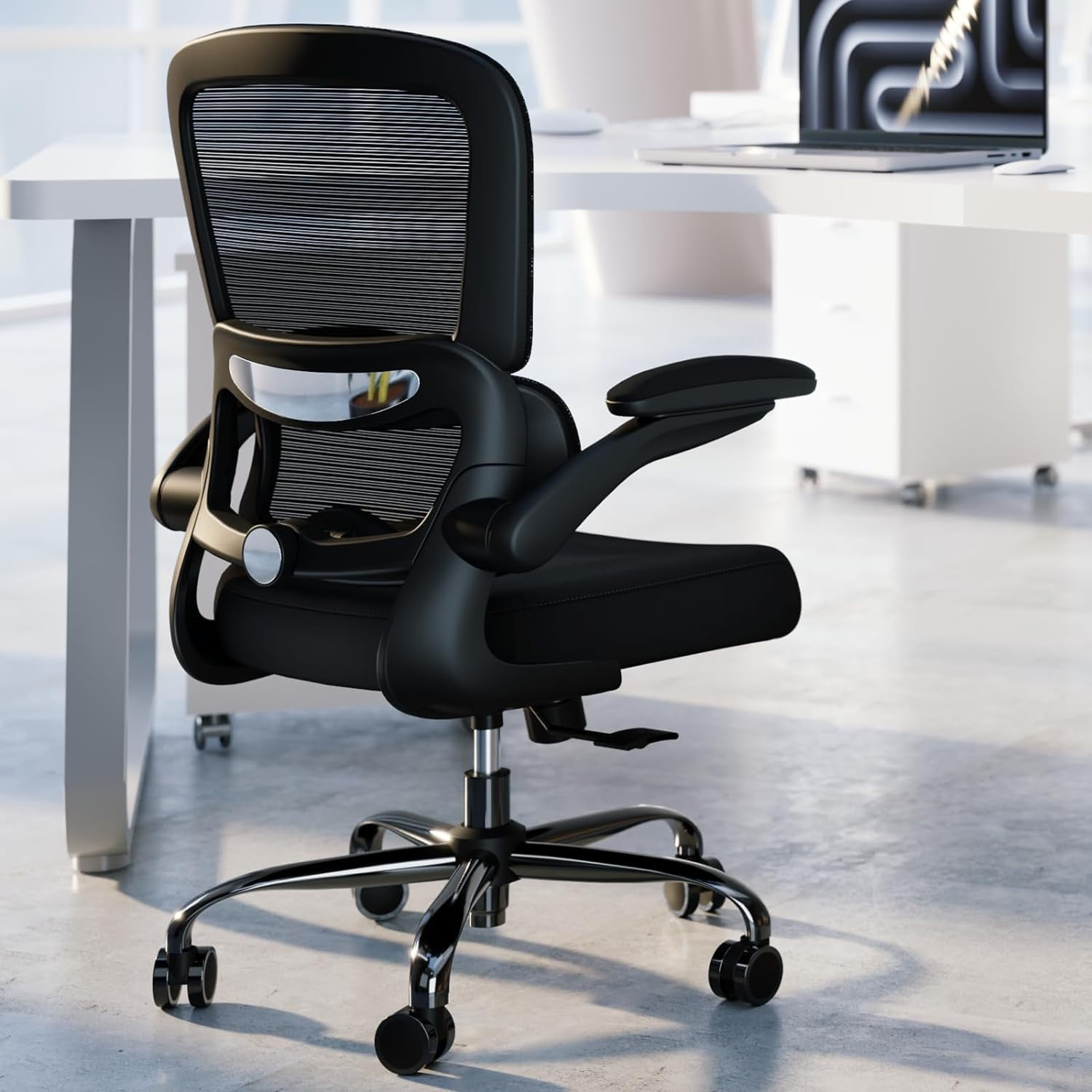
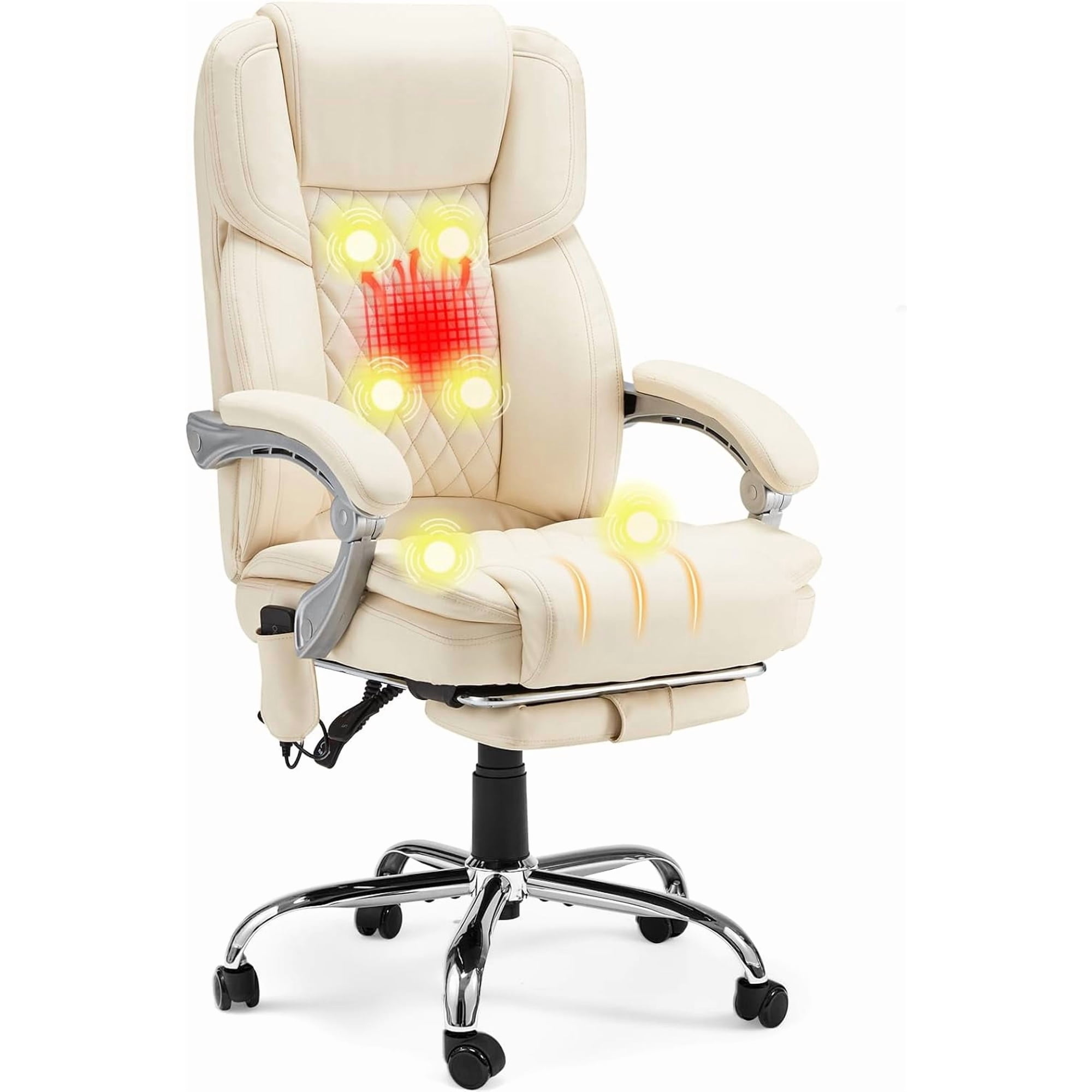
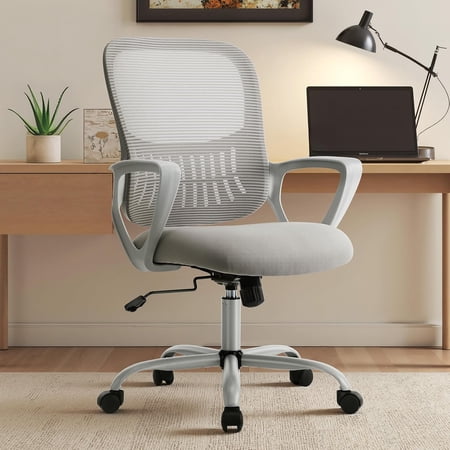
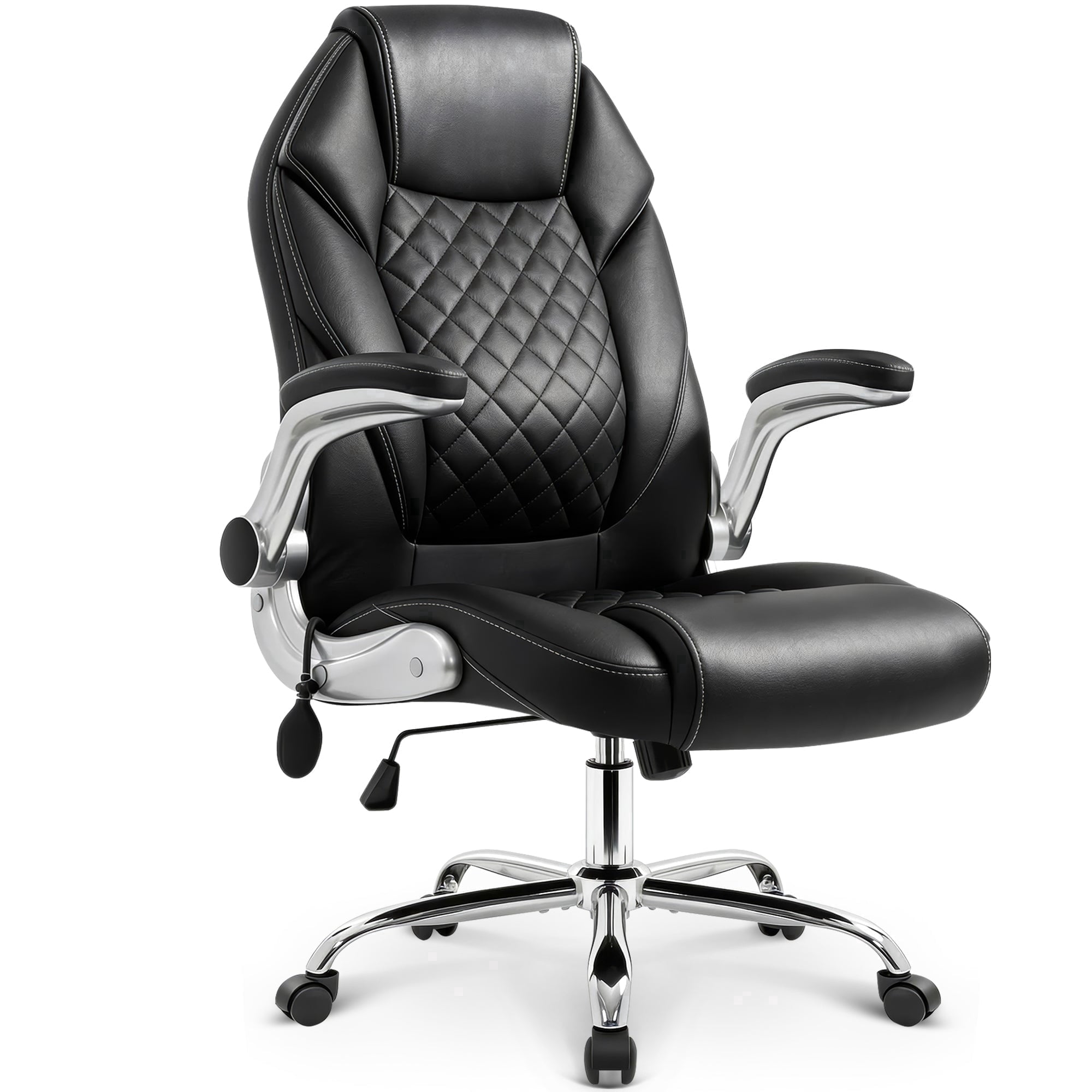
Explore our curated selection of lumbar support chairs above, each chosen for their quality construction, adjustability, and proven ergonomic design. Your back will thank you.