
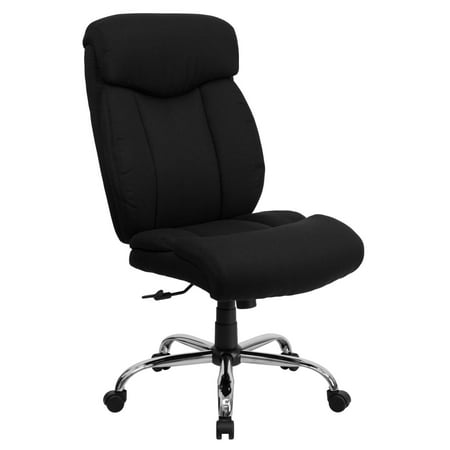
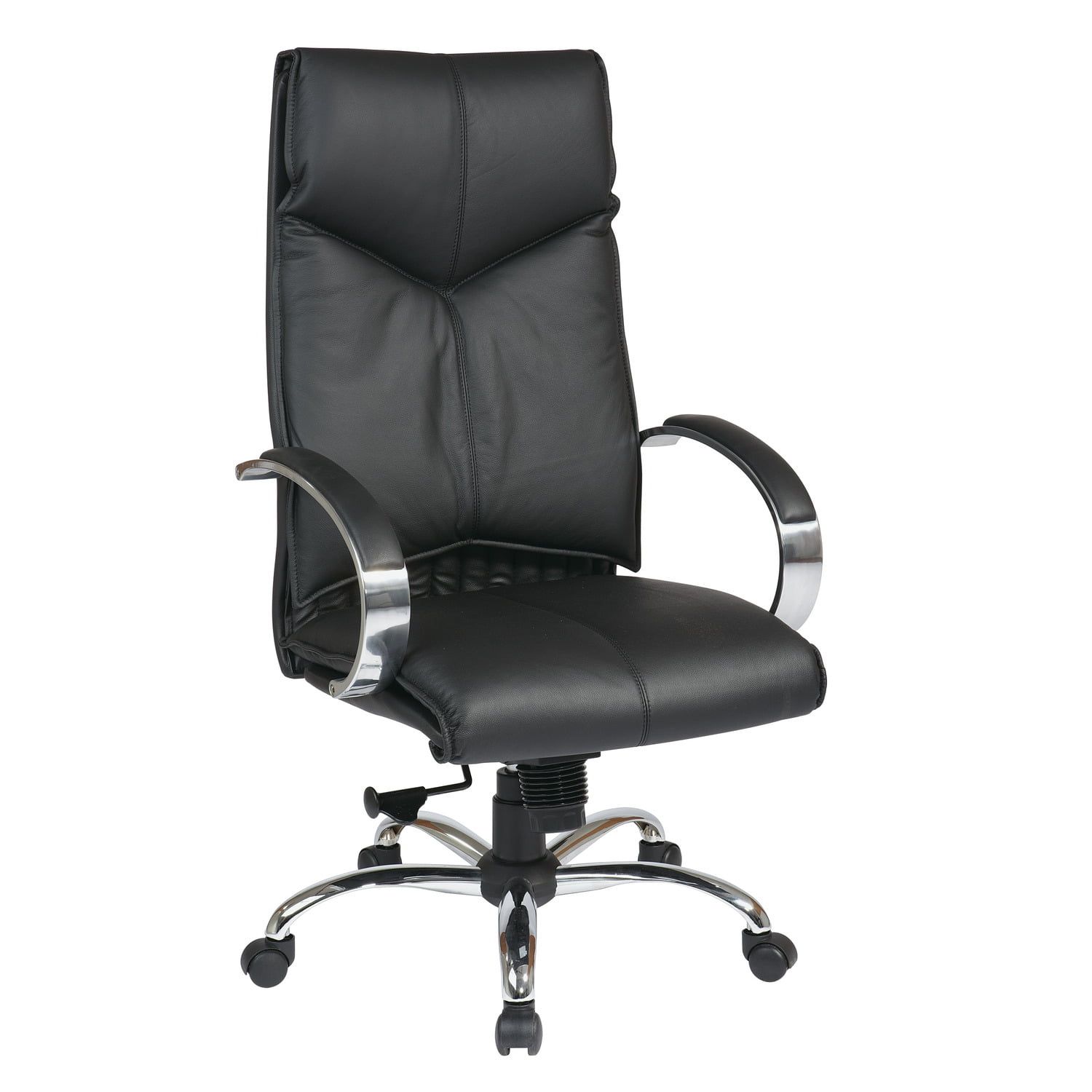
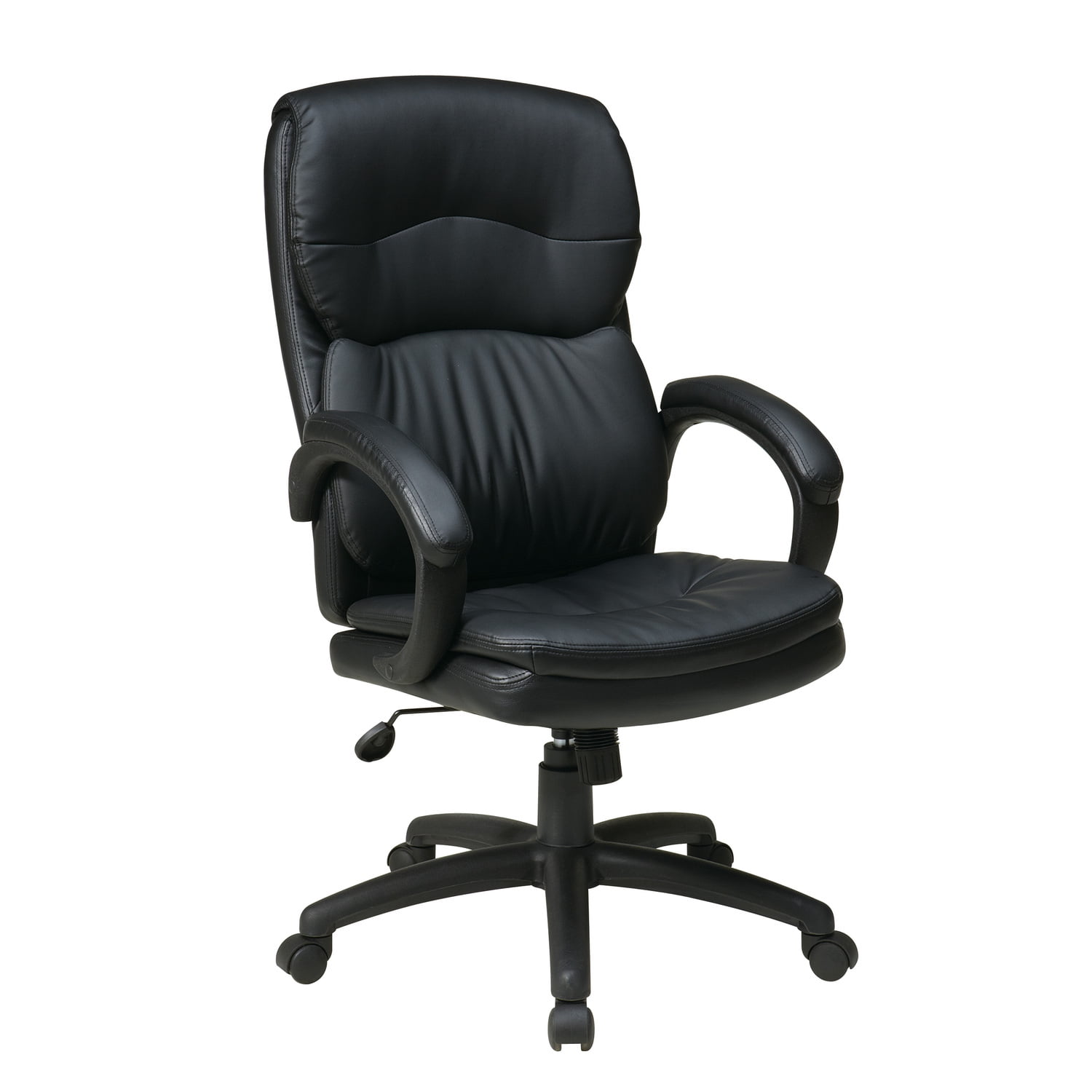
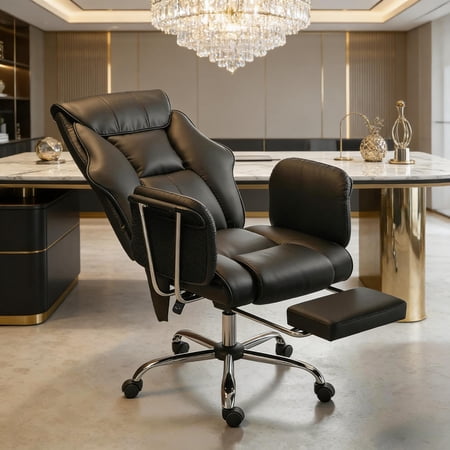
Why Your Next Office Chair Should Be a High Back Executive Model
Imagine driving a luxury car without headrests—sounds uncomfortable and unsafe, right? Yet thousands of executives sit for 8-10 hours daily in office chairs that provide zero support for their neck and head. A high back executive office chair is the automotive equivalent of upgrading from a basic sedan to a premium Mercedes—it's not just about luxury, it's about engineering your workspace for optimal performance.
Ergonomic Reality Check: The human head weighs between 10-12 pounds. For every inch your head moves forward from neutral spine alignment, the effective weight on your cervical spine doubles. At just 3 inches forward, your neck supports 30-40 pounds of pressure. High back executive chairs with proper headrests help maintain neutral neck position, potentially reducing cervical spine load by 40-60% during extended sitting.
The distinction between a standard executive chair and a high back executive office chair goes beyond aesthetics. These chairs are specifically engineered for individuals who experience neck fatigue, those who frequently recline during deep thinking sessions, and professionals who want comprehensive spinal support from the lumbar region all the way up to the cervical spine. Think of it as the difference between wearing a t-shirt and wearing a well-fitted suit—both cover you, but one provides structure, support, and a polished appearance.
The Hidden Cost of Inadequate Neck Support
A 2023 ergonomics study revealed that professionals using chairs without head support reported 47% more neck discomfort by mid-afternoon compared to those using high back chairs with adjustable headrests. Over a 5-year career, that translates to approximately 1,200 hours of diminished focus and discomfort—equivalent to 50 full workdays of reduced productivity.
Anatomy of a Premium High Back Executive Office Chair
Understanding what makes a high back executive chair truly exceptional requires examining its core components. Like a high-performance vehicle, each element must work in harmony to deliver the experience you expect.
1. The Headrest: More Than Just an Extension
The defining feature of any high back executive office chair is its headrest, but not all headrests are created equal. Entry-level chairs often feature fixed headrests that assume one size fits all—an assumption that's rarely accurate. Premium high back chairs offer what ergonomists call "3D headrest adjustment":
- Vertical Adjustment (Height): At least 3-4 inches of travel to accommodate different torso lengths. This ensures the headrest cradle's the natural curve of your neck rather than pushing your head forward.
- Angular Adjustment (Tilt): 30-45 degrees of tilt range allows the headrest to maintain support whether you're sitting upright at 90 degrees or reclined to 135 degrees for thinking sessions.
- Depth Adjustment (Forward/Back): Found in premium models, this allows the headrest to move closer or farther from your head, accommodating different head shapes and preferred sitting positions.
- Material Density: The ideal headrest uses high-resilience foam that's firm enough to provide support but compliant enough for comfort during extended use. Memory foam variants offer personalized contouring but may feel too soft for some users.
2. Lumbar Support Integration in High Back Designs
In high back executive chairs, the lumbar support doesn't work in isolation—it's part of a continuous support curve that extends from your lower back to your upper shoulders. This integrated approach differs significantly from standard office chairs where lumbar support may feel disconnected from the upper back rest.
🔹 Dynamic Lumbar Systems
Premium high back chairs feature lumbar support that adjusts independently of the backrest—both in height (to match your spine's curve) and depth (to fill the natural arch of your lower back). Some advanced models use air bladder systems that allow micro-adjustments throughout the day as your back fatigues.
🔹 Continuous Back Support
The backrest should maintain consistent contact from your sacrum to your shoulders without pressure points. Look for chairs with S-shaped back contours that mirror the spine's natural curvature. Mesh-back high back chairs excel here, as the material conforms to your spine while providing breathability.
🔹 Synchronized Recline Mechanisms
High-end chairs use synchronized tilt mechanisms where the backrest and seat move in harmony. As you recline, the seat angle adjusts slightly to maintain proper thigh support, and the headrest maintains its relative position to your head—critical for maintaining ergonomic alignment in multiple positions.
🔹 Weight-Activated Tension
Quality high back chairs automatically adjust recline tension based on your body weight. This ensures the chair responds predictably whether you're leaning forward to type or reclining back to take a call, without manual adjustment each time.
3. Seat Design Considerations for High Back Chairs
The seat of a high back executive chair must work in concert with the extended backrest. Here's what distinguishes exceptional seat design:
- Waterfall Front Edge: The seat's front edge should curve downward gently, reducing pressure behind the knees and promoting healthy circulation during long sits. This is especially important in high back chairs because users tend to sit longer without taking breaks.
- Seat Depth Adjustment: Look for at least 2-3 inches of seat pan adjustment. This ensures proper thigh support—you should be able to fit 2-3 fingers between the front edge of the seat and the back of your knee.
- High-Density Foam: Executive chairs should use foam with density ratings of 2.5-3.0 lb/ft³ or higher. Lower density foam compresses quickly, leading to the "bottoming out" sensation where you feel the hard seat base beneath you.
- Contoured Seat Pan: A slight concave shape helps distribute weight evenly and keeps you centered in the chair during movement, reducing the need for constant repositioning.
4. Armrest Configurations for Taller Users
High back executive chairs are often chosen by taller individuals, making armrest adjustability particularly crucial. Standard armrests that work for average-height users may force tall users to hunch or reach down, negating the benefits of the high back design.
4D Armrests (Premium Standard)
- Height adjustment: 3-5 inches of range
- Width adjustment: Slide inward/outward for shoulder width
- Depth adjustment: Move forward/backward for forearm support
- Pivot adjustment: Angle inward/outward for natural wrist position
- Typical found in: $1,200+ executive chairs
2D/3D Armrests (Mid-Range)
- Height adjustment: 2-4 inches of range
- Width or depth adjustment: Usually one dimension adjustable
- Fixed pivot: May angle slightly but not adjustable
- Typical found in: $600-$1,200 executive chairs
- Acceptable for: Users who don't need micro-adjustments
Material Selection for High Back Executive Chairs
The materials used in your high back executive chair affect not only its appearance but its durability, breathability, and long-term comfort. Here's how material choices specifically impact high back designs:
Leather High Back Executive Chairs
Full-grain and top-grain leather remain the gold standard for executive settings, and in high back chairs, they offer specific advantages:
- Aesthetic Authority: A leather high back chair makes a statement. The extended backrest showcases the material's quality and creates a commanding presence in any office.
- Durability at Stress Points: The headrest area in leather chairs experiences less wear than the seat, but the backrest's height means it's more visible. Quality leather maintains its appearance for 10-15+ years.
- Temperature Considerations: Leather high back chairs can feel warm against the neck and shoulders. Look for chairs with perforated leather or breathable back panels if you work in warm environments.
- Maintenance Needs: The extended surface area means more leather to condition. Plan for annual conditioning to prevent drying and cracking, especially in climate-controlled offices.
Mesh High Back Executive Chairs
Modern mesh technology has advanced significantly, making mesh high back chairs viable for executive settings:
- Superior Breathability: The extended backrest in mesh chairs allows continuous air circulation from lumbar to shoulders, preventing the heat buildup common in leather chairs during long sessions.
- Dynamic Conforming: Quality mesh (like 3D knitted or Pellicle mesh) stretches and conforms to your spine's exact shape, providing customized support across the entire back.
- Modern Aesthetic: High back mesh chairs convey innovation and transparency—ideal for tech companies, creative agencies, or modern executive suites.
- Weight Considerations: Mesh high back chairs are significantly lighter than leather counterparts, making them easier to move and reposition throughout the day.
Fabric and Hybrid High Back Chairs
Many premium manufacturers now offer fabric or hybrid options that combine materials strategically:
- Strategic Material Placement: Some high back chairs feature leather on the outward-facing surfaces (for executive appearance) with mesh or breathable fabric on the contact surfaces.
- Acoustic Comfort: Fabric-backed high back chairs absorb more sound than leather, potentially reducing echo in glass-walled executive offices.
- Color Customization: Fabric allows for more color options while maintaining a professional appearance—think deep navy, charcoal, or burgundy rather than standard black or brown.
Height-Based Selection Guide for High Back Executive Chairs
One of the most common mistakes in selecting a high back executive chair is assuming that taller backrests automatically suit taller people. In reality, the relationship between your height and the chair's dimensions determines whether you'll experience proper support or discomfort.
| Your Height | Recommended Backrest Height | Headrest Requirements | Key Considerations |
|---|---|---|---|
| Under 5'4" (162 cm) | 21-23 inches (seat to top) | Must adjust down significantly; look for 4+ inches of vertical adjustment | Some high back chairs may overwhelm smaller frames; test extensively. Consider chairs with headrests that move forward/back to accommodate different neck angles. |
| 5'4" - 5'8" (162-173 cm) | 23-25 inches | Standard adjustment range (3 inches) usually sufficient | Most high back chairs accommodate this range well. Focus on lumbar height adjustment to ensure proper lower back support. |
| 5'9" - 6'1" (175-185 cm) | 25-27 inches | Need headrest that adjusts to at least 27 inches from seat | Ideal height range for most high back chairs. Look for chairs designed specifically for "tall" users if you're at the upper end. |
| 6'2" - 6'4" (188-193 cm) | 27-29 inches | Extended headrest range critical; may need extra-tall models | Standard high back chairs often place the headrest too low, forcing neck flexion. Seek "big and tall" or "extra tall" specific models. |
| Over 6'4" (193+ cm) | 29+ inches | Must verify maximum headrest height; consider custom options | Few standard high back chairs accommodate this range. Look for manufacturers offering extended height options or custom specifications. |
Health Benefits Backed by Research
Investing in a quality high back executive office chair isn't just about comfort—it's a health decision with measurable impacts. Recent ergonomic research highlights specific benefits:
📊 Scientific Benefits of Proper High Back Support
Cervical Spine Health
A 2022 study in the Journal of Ergonomics found that participants using high back chairs with adjustable headrests showed 52% less cervical spine fatigue after 6-hour work sessions compared to those using mid-back chairs. The head support allowed neck muscles to relax periodically rather than maintaining constant tension.
Reduced Thoracic Kyphosis
The continuous support of high back chairs helps prevent the "hunching" posture common in computer work. Researchers documented a 37% reduction in thoracic curvature changes over 8-hour periods when using properly fitted high back chairs versus standard office seating.
Shoulder Muscle Activity
EMG studies show that trapezius muscle activity decreases by up to 28% when users have proper head and upper back support. This reduction in constant muscle tension correlates with decreased incidence of tension headaches and shoulder pain.
Recovery During Micro-Breaks
The ability to recline fully while maintaining head support allows for true muscle recovery during brief breaks. Users of high back chairs reported feeling 41% more refreshed after 2-minute micro-breaks compared to those in standard chairs.
Industries and Roles That Benefit Most
While any professional can benefit from a high back executive chair, certain roles and industries see particularly significant advantages:
- Executive Leadership: CEOs, directors, and senior managers who spend 6+ hours daily in their chair benefit from the professional appearance and comprehensive support during long strategic sessions.
- Legal Professionals: Attorneys who alternate between desk work, client meetings, and document review need a chair that supports multiple postures throughout the day.
- Financial Analysts/Traders: High-pressure roles requiring intense focus for extended periods—the headrest provides crucial support during market monitoring sessions.
- Software Developers/Engineers: Deep work sessions of 4+ hours demand full spinal support to maintain focus without physical distraction.
- Telemedicine/Healthcare Administrators: Video consultation roles benefit from the professional appearance of high back chairs and the comfort during back-to-back appointments.
- Academic Leadership: Department chairs, deans, and professors who split time between research, writing, and meetings need versatile seating.
Common Myths About High Back Executive Chairs
Myth #1: "High back chairs are only for tall people"
Reality: While tall individuals particularly benefit, properly designed high back chairs with adjustable headrests accommodate a wide height range—typically 5'2" to 6'2" in standard models, and extended ranges in specialized designs. The key is adjustability, not absolute height.
Myth #2: "They're less professional than traditional executive chairs"
Reality: Modern high back executive chairs come in designs that rival any traditional executive chair. Premium leather models with refined lines convey authority and sophistication. The high back design actually enhances the "command presence" in an executive office.
Myth #3: "Headrests are unnecessary if you sit properly"
Reality: Even with perfect posture, your neck muscles work constantly to support your 10-12 pound head. A headrest allows these muscles to relax periodically—similar to how armrests allow shoulder muscles to rest. It's not about poor posture; it's about reducing cumulative muscle fatigue.
Myth #4: "They're too big for small offices"
Reality: While high back chairs have taller profiles, their footprint (base size) is often identical to standard executive chairs. The vertical space they occupy rarely impacts room layout. Many manufacturers offer "petite" high back models with proportional scaling for smaller-framed users.
Investment Considerations: Cost vs. Value
A quality high back executive chair represents a significant investment, but understanding the cost breakdown helps justify the expense:
| Price Range | Typical Features | Expected Lifespan | Best For | Daily Cost* |
|---|---|---|---|---|
| $600-$900 | Basic headrest adjustment (height only), 2D armrests, standard foam, fabric or bonded leather | 3-5 years | Home offices, budget-conscious professionals, secondary workspaces | $0.33-$0.49/day |
| $900-$1,500 | 2D/3D headrest, 3D armrests, high-density foam, premium fabric or top-grain leather, better mechanisms | 5-8 years | Mid-level executives, dedicated home offices, professional practices | $0.49-$0.62/day |
| $1,500-$2,500 | 3D headrest, 4D armrests, memory foam or advanced suspension, premium leather, synchronized mechanism, extensive adjustments | 8-12 years | Senior executives, leadership roles, high-use professional environments | $0.62-$0.86/day |
| $2,500+ | Fully customizable, exotic materials, advanced ergonomic systems, extended warranties, design awards | 12-15+ years | C-suite, luxury offices, design-conscious professionals | $0.86-$1.37/day |
*Daily cost calculated as price ÷ (lifespan in years × 240 working days per year)
Frequently Asked Questions About High Back Executive Office Chairs
Conclusion: Making the Right High Back Executive Chair Decision
Selecting a high back executive office chair is ultimately an investment in your daily performance and long-term physical well-being. Unlike standard office chairs that treat sitting as a static activity, high back executive chairs acknowledge the dynamic nature of modern knowledge work—the transitions from intense focus to collaborative calls, from upright typing to reclined thinking, from morning energy to afternoon fatigue.
The right high back chair becomes almost invisible during use—you don't think about it because you're not fighting discomfort, adjusting position constantly, or experiencing the distracting ache that comes from unsupported sitting. Instead, your body remains in neutral alignment, your muscles stay relaxed, and your mind stays focused on the work that matters.
Final Recommendations by User Profile
Prioritize full-grain leather high back chairs with subtle headrest integration. Look for models where the headrest appears as a natural extension of the chair's design rather than an add-on. Brands like Steelcock (Think series), Herman Miller (Embody with headrest), and Humanscale offer executive versions with refined aesthetics.
Don't compromise on headrest height range. Measure from your seat surface to the point where you need support and add 2 inches. Seek chairs specifically marketed as "extra tall" or "big and tall" variants of standard models. Test before buying if possible, or ensure generous return policies.
Consider premium mesh high back chairs with leather accents on exterior surfaces. These offer the professional appearance required for client meetings while providing the breathability and dynamic support that long coding or analysis sessions demand.
Balance professional appearance with comfort for extended solo work. Mid-range leather or high-quality fabric chairs ($900-$1,500) often provide the best value, as you won't need the extreme durability of 24/7 commercial use but still want the aesthetic and comfort benefits.
Remember that a high back executive chair is a tool—one you'll use for thousands of hours over its lifetime. Take the time to understand your body's needs, measure your space and dimensions accurately, and don't hesitate to invest in quality. Your back, neck, and productivity will thank you for years to come.