

Why Medical Office Chairs Are Different: A Prescription for Comfort and Hygiene
In a bustling medical practice, the chair you sit on is more than just a place to rest. It's a tool that must withstand constant movement, frequent sanitizing, and long hours of patient consultations. Think of a medical office chair as the "scrubs" of seating—it needs to be tough, easy to clean, and supportive. Unlike standard office chairs, medical-grade seating is engineered for the unique demands of healthcare: infection control, mobility between exam rooms, and ergonomic support for professionals who are on their feet one moment and seated the next.
Healthcare Insight: According to a study in the journal 'Applied Ergonomics', nurses and doctors can spend up to 40% of their shift seated while charting or consulting. Using a chair designed for medical environments can reduce musculoskeletal discomfort by up to 55%, leading to better focus and patient care.
Critical Features of Medical Office Chairs
Selecting the right chair for a clinical setting requires looking beyond aesthetics. Here are the core pillars that define a true medical office chair:
1. Hygiene and Infection Control: The Easy-Clean Imperative
In a post-pandemic world, the ability to disinfect surfaces quickly is non-negotiable. Medical office chairs typically use:
- Medical-grade vinyl or polyurethane (PU): These materials are non-porous, bleach-cleanable, and resist cracks and tears from frequent wiping. They prevent fluids from seeping into the cushion.
- Seamless or minimal seam design: Fewer seams mean fewer places for bacteria and pathogens to hide. Some chairs have welded or heat-sealed seams for maximum protection.
- Antimicrobial treatments: Some upholstery includes additives that inhibit the growth of bacteria, mold, and mildew, adding an extra layer of protection.
Analogy: Just as a stainless steel surgical instrument is designed for sterilization, a medical chair's surface is your first line of defense against cross-contamination. Choosing a fabric chair in a clinic is like wearing a wool suit to surgery—impractical and unhygienic.
2. Mobility and Stability: Gliding Between Tasks
A physician might need to pivot from a computer desk to an exam table, then to a rolling cart. The chair's base and casters are critical:
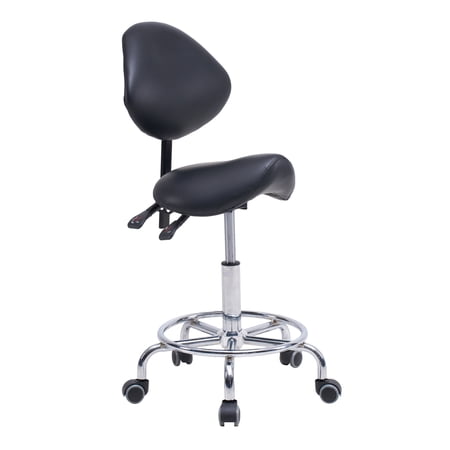
- Dual-wheel casters: Provide smoother movement and distribute weight more evenly, protecting flooring and reducing effort.
- Locking casters or brakes: Essential for procedures where the chair must remain absolutely still. A simple lever can engage brakes on two or more wheels.
- Stable five-point base: Usually made of nylon or polished aluminum, it must support quick weight shifts without tipping. For bariatric clinics, reinforced steel bases are recommended.
3. Ergonomic Support for Dynamic Shifts
Healthcare work is rarely static. A medical chair must adapt quickly:
- Adjustable lumbar support: Crucial for maintaining the spine's natural curve during documentation. Look for chairs with both height and depth adjustment.
- Pneumatic seat height range: A wider range (e.g., 18" to 23") allows the chair to be used comfortably at standard desks and higher exam tables.
- Waterfall seat edge: Reduces pressure on the thighs, promoting better circulation during long charting sessions.
- Adjustable armrests (3D or 4D): Allows arms to rest comfortably while typing or to be lowered completely to slide the chair under a counter or closer to a patient.
4. Durability for Extended Shift Use
Medical offices often operate 12+ hours a day, sometimes 24/7. Chairs need heavy-duty components:
- Class 4 gas lift: Tested for thousands of elevation cycles, ensuring the chair won't sink unexpectedly.
- High-density foam cushion: Resists flattening and maintains comfort over years of use. Memory foam layers can add pressure relief.
- Reinforced frame and mechanism: Look for tilt mechanisms with multiple locking positions and heavy-duty springs.
Medical Chair vs. Standard Office Chair: A Quick Comparison
| Feature | Medical Office Chair | Standard Office Chair |
|---|---|---|
| Upholstery | Bleach-cleanable vinyl/PU, antimicrobial | Fabric, mesh, or leather (not always sanitizer-safe) |
| Casters | Smooth-rolling, often lockable, non-marring | Standard plastic casters (may mark floors) |
| Seat Height Range | Extra range (e.g., 18"–23") for exam tables | Standard range (17"–21") for desks |
| Frame Durability | Reinforced for 24/7 use, higher weight capacities | Standard commercial or home use |
| Ergonomic Adjustments | Quick-adjust for multiple users, robust lumbar | Varies widely, often task-oriented |
How to Choose the Right Medical Office Chair: A Step-by-Step Guide
Selecting the perfect chair for your practice or home healthcare office involves more than picking a color. Follow this guide to make an informed investment.
Step 1: Assess Your Clinical Environment
- Specialty matters: A dentist needs different mobility than a receptionist. For exam rooms, prioritize height range and swivel. For admin areas, focus on lumbar support and armrest adjustability.
- Flooring type: Tile or linoleum? Choose soft, non-marking casters. Carpet? Larger casters roll better.
- Cleaning protocol: If using harsh disinfectants daily, ensure the chair is rated for bleach or hydrogen peroxide wipes.
Step 2: Define User Needs
- For multiple users (shared workstation): Look for chairs with easy-to-use pneumatic adjustments and durable mechanisms that withstand frequent changes.
- For bariatric patients or larger staff: Seek "bariatric medical chairs" with 500-750 lb capacity, wider seats (22"+), and reinforced bases.
- For those with back pain: Prioritize independent lumbar adjustment and a synchronous tilt mechanism that supports natural movement.
Step 3: Match Your Budget to Longevity
Consider the total cost of ownership. A $200 fabric chair might need replacing in 2 years, while a $600 medical-grade vinyl chair could last 8-10 years. Here’s a realistic budget breakdown:
Entry Clinical
Basic vinyl, limited adjustments, suitable for low-traffic admin areas.
Mid-Range Medical
Good ergonomics, bleach-cleanable, dual-wheel casters, ideal for most exam rooms.
Premium / Heavy-Duty
Top-tier materials, advanced lumbar, reinforced frame, 24/7 shift use.
Step 4: Test for 'Real-World' Workflow
If possible, simulate a work session. Sit in the chair, adjust the height as if moving to an exam table, roll a few feet, and recline slightly while reading a chart. Check for pressure points and ease of adjustment levers. Remember, a chair that feels good for 5 minutes might feel different after 5 hours.
Material Deep Dive: What's Best for Hygiene and Comfort?
The material debate in medical seating is critical. Let's compare the two most common options:
Medical-Grade Vinyl / PU
- Advantages: Non-porous, easy to sanitize, fluid-resistant, durable, cost-effective.
- Best for: Exam rooms, triage areas, dental clinics—anywhere spills or pathogens are a concern.
Vinyl / PU Limitations
- Can be less breathable than mesh; may feel warm over time.
- Lower-grade vinyl can crack or peel after repeated cleaning.
- Limited color/texture options compared to fabric.
Performance Fabric (with moisture barrier)
- Advantages: More breathable, softer feel, often with stain-resistant treatment. Some have removable/washable covers.
- Best for: Administrative offices, waiting areas, or lower-risk environments.
Fabric Limitations
- Harder to disinfect thoroughly; fluids can penetrate if not treated.
- May harbor allergens and dust mites.
- Typically shorter lifespan under heavy clinical use.
Frequently Asked Questions About Medical Office Chairs
Conclusion: Invest in the Right Tool for Patient Care and Your Well-Being
In the demanding world of healthcare, every piece of equipment matters—and your chair is no exception. A quality medical office chair is an investment in infection control, staff productivity, and personal health. Whether you're a physician bouncing between exam rooms or an administrator managing patient flow, choosing a chair with the right combination of hygienic materials, ergonomic support, and durable construction will pay dividends in comfort and longevity.
Final Recommendations by Role
Prioritize bleach-cleanable vinyl, lockable casters, and a wide seat height range for exam tables.
Focus on lumbar support, 4D armrests, and comfortable foam for prolonged sitting. Performance fabric can work well here.
Choose chairs with easy, quick adjustments and heavy-duty mechanisms to withstand multiple users.
Browse our selection of top-rated medical office chairs above to find the perfect fit for your practice or home healthcare office. Your back—and your patients—will thank you.