

Why a Standard Chair Fails Tall Users: The Case for a Tall Back
Imagine wearing a coat that is two sizes too small. Your shoulders are cramped, your movement is restricted, and you're constantly tugging at it for relief. This is exactly what it feels like for a tall person sitting in a standard office chair. The backrest ends mid-spine, leaving the shoulder blades and upper back completely unsupported. This forces the body into a slouched position, leading to a cascade of issues: tech neck, rounded shoulders, and chronic lower back pain as the body compensates for the lack of upper support.
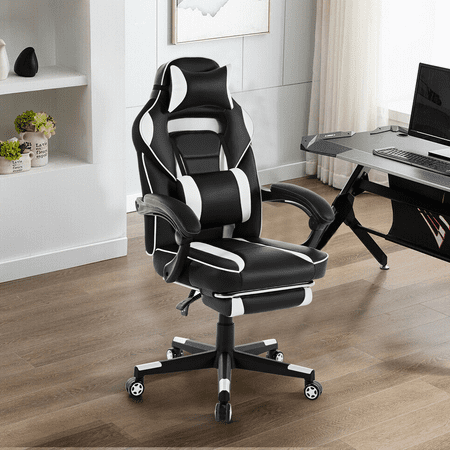
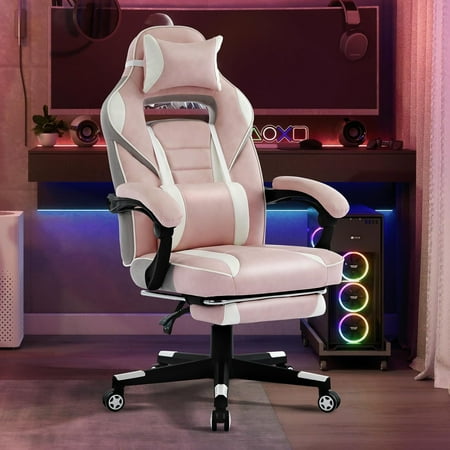
A tall back office chair is the ergonomic solution to this problem. Designed with an extended backrest, these chairs act as a full-length suit of armor for your spine. They provide a continuous surface of support, encouraging your body to maintain its natural 'S' curve. For the modern professional, this isn't just about comfort—it's about preserving long-term health and maintaining peak cognitive performance. When your body isn't fighting gravity, your mind is free to focus on strategic decisions.
The Anatomy of a Superior Tall Back Office Chair
Not all tall back chairs are created equal. A truly effective chair for taller individuals goes beyond just a higher backrest. It's a system of interconnected ergonomic features that work in harmony. Let's dissect the critical components you need to evaluate.
1. Beyond Height: The Importance of Backrest Shape and Lumbar Curve
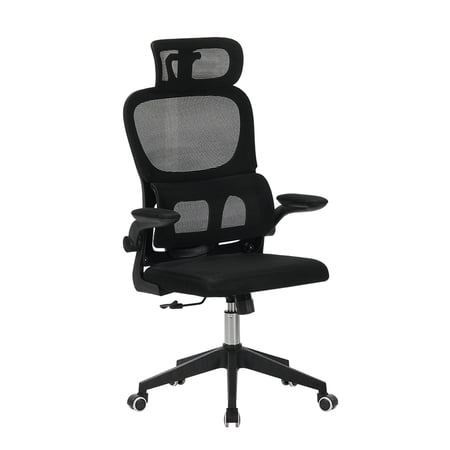
The backrest's height is the headline feature, but its profile is the hidden plot. A flat, tall backrest is useless if it doesn't match the natural curvature of your spine. The best tall back office chairs incorporate a pronounced and adjustable lumbar support. Because tall people have longer torsos, the lumbar support must be positioned correctly—often higher than on standard chairs. Look for chairs with independent lumbar height adjustment. This ensures the curve of the chair fits into the curve of your lower back, preventing the dreaded 'gap' that leads to slouching.
- Adjustable Lumbar: Allows you to raise or lower the support point to match your spine.
- Contoured Backrest: A wraparound design (often called a "wingback") helps keep your torso centered and provides subtle lateral support.
- Shoulder Support: The upper portion of the backrest should be wide enough to accommodate your shoulders without pinching, often flaring out slightly.
2. Seat Depth: The Critical Measurement for Thigh Support
This is where many "tall" chairs fail. A chair might have a towering back, but if the seat is too short, your thighs will be unsupported. This creates pressure behind the knees (cutting off circulation) and forces your hips into a sub-optimal angle. The goal is to have 2-4 finger widths of space between the back of your knee and the edge of the seat.
What to look for: Prioritize chairs with a seat depth adjustment (seat slider). This mechanism allows you to physically move the seat pan forward or backward. For tall users, a standard seat depth is 17-18 inches. You will likely need a depth of 19-21 inches. If a chair lacks a slider, ensure its fixed depth is on the longer end of the spectrum.
3. Headrests: Finding Your Perfect Height
A headrest on a tall back chair is not a luxury; it's a necessity for neck health. When you recline slightly, a headrest supports the weight of your head (about 10-11 lbs), relieving your cervical spine of that burden. However, a fixed headrest is often too low for a tall person, propping the neck forward awkwardly.
- Look for 2D or 3D adjustability: The best headrests offer height adjustment (to align with the curve of your neck) and angle adjustment (to support a neutral, not forward, head position).
- Consider the shape: A contoured headrest that cradles the head is more comfortable than a flat bar.
- Test the recline sync: In high-end chairs, the headrest angle often adjusts automatically as you recline, maintaining consistent support.
4. Armrests: The 4D Advantage
Armrests might seem unrelated to back height, but they are crucial for overall ergonomic posture. When armrests are too low, you slouch to reach them. When they are too wide, you splay your shoulders. For tall individuals with longer arms and broader frames, armrest adjustability is key.
Pro Tip: Invest in a chair with 4D armrests. This means they adjust up/down, forward/back, left/right (width), and can pivot/angle. This level of customization allows you to position the armrests so your elbows are at a 90-degree angle and your shoulders are completely relaxed.
According to a 2023 study in the journal 'Applied Ergonomics', workers using chairs with fully adjustable features (seat depth, lumbar height, and 4D arms) reported a 58% reduction in upper back and shoulder discomfort compared to those using standard, non-adjustable chairs. This underscores the point that for tall users, adjustability isn't a bonus—it's the foundation of a healthy workstation.
Tall Back vs. Big and Tall: Understanding the Difference
These terms are often used interchangeably, but they address different needs. A tall back office chair prioritizes vertical height and spinal support. A big and tall office chair prioritizes weight capacity and seat width. Of course, many chairs fall into both categories. If you are tall and also have a heavier build, you need to look for a chair that explicitly states it is for "big and tall" users, as these will have reinforced frames, wider seats, and higher weight ratings (often 350-500 lbs) in addition to the tall back. If you are tall but slender, you can focus more on the back height and seat depth features without necessarily needing the extra width and heavy-duty frame of a big-and-tall specific model.