
The Allure of the Retro Office Chair: More Than Just a Seat
In an era of sleek, monochromatic workspaces, the retro office chair stands out as a beacon of personality and timeless style. It's more than just a place to sit; it's a statement piece that injects warmth, character, and a dash of nostalgia into your daily grind. Choosing a vintage-inspired chair is like adding a classic vinyl record to your digital playlist—it changes the whole vibe.
But a retro aesthetic doesn't have to mean sacrificing comfort. Today's market beautifully bridges the gap between the iconic designs of the mid-20th century and the ergonomic needs of the 21st-century worker. Whether you're drawn to the clean lines of a mid-century modern desk chair or the plush luxury of a tufted Chesterfield, this guide will help you navigate the world of retro seating and find the perfect companion for your workspace.
Defining Your Retro Style: A Journey Through Design Eras
The term "retro" is a broad umbrella. To find your perfect chair, it helps to understand the specific design languages that fall under it. Think of it as choosing the right outfit—the chair should reflect your personal taste and the overall mood of your office.
1. Mid-Century Modern (1940s - 1960s): The Pinnacle of Clean Lines
This is perhaps the most popular and enduring retro style. Inspired by designers like Charles and Ray Eames and Eero Saarinen, these chairs are characterized by:
- Organic Shapes: Think of the iconic "tulip" chair or the sculpted plywood forms that hug the body.
- Material Mix: A beautiful combination of molded wood (often walnut or teak), chrome or metal legs, and solid-colored upholstery.
- Functionality: Designs that emphasize purpose and simplicity, often featuring a swivel base and simple, effective adjustments.
- Colors: Earthy tones like mustard yellow, avocado green, and warm oranges, alongside classic black and white.
A mid-century modern office chair is like a piece of functional art. It works wonderfully in minimalist, Scandinavian, or contemporary offices, adding a touch of sophisticated warmth.
2. Industrial Retro (1950s - 1970s): Rugged and Authentic
This style draws inspiration from factories, warehouses, and workshops. It's less about polish and more about honest, durable materials. Key features include:
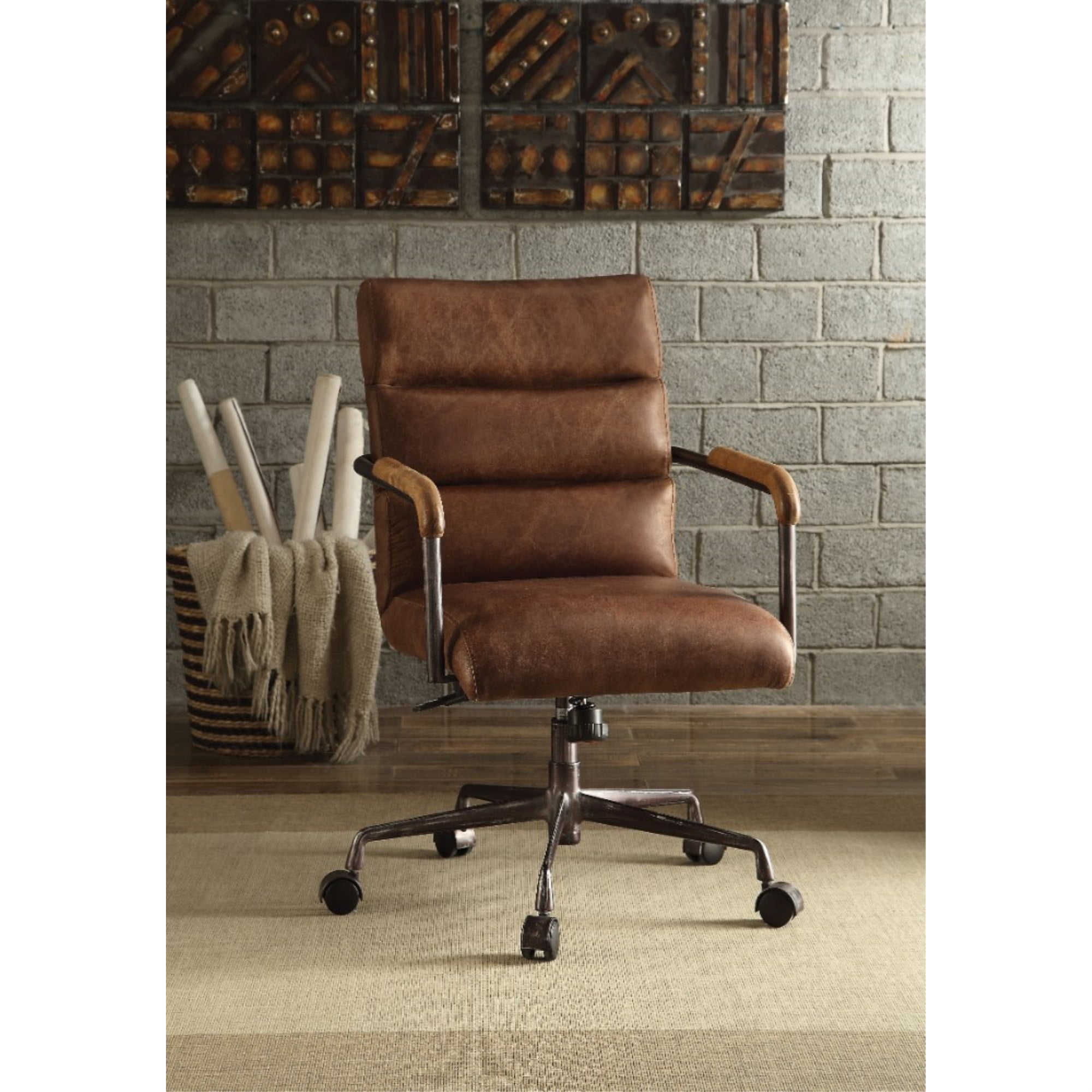
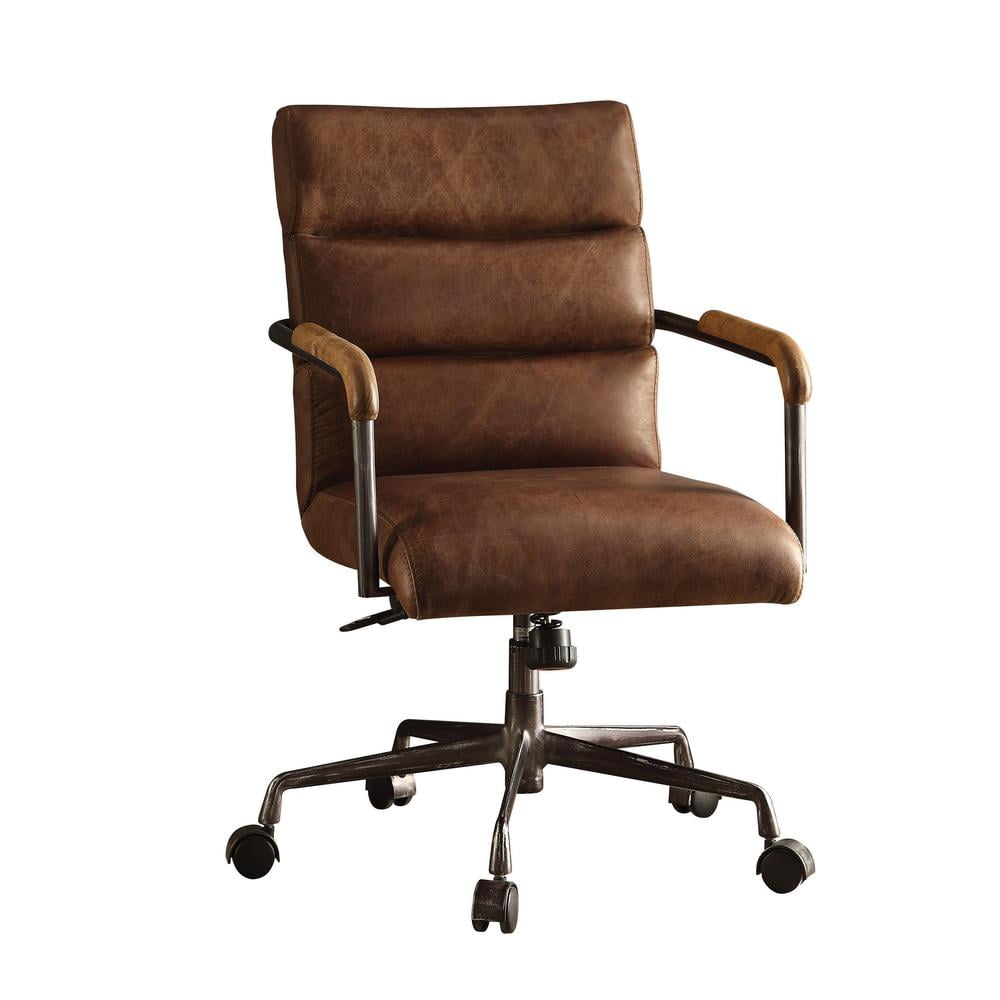
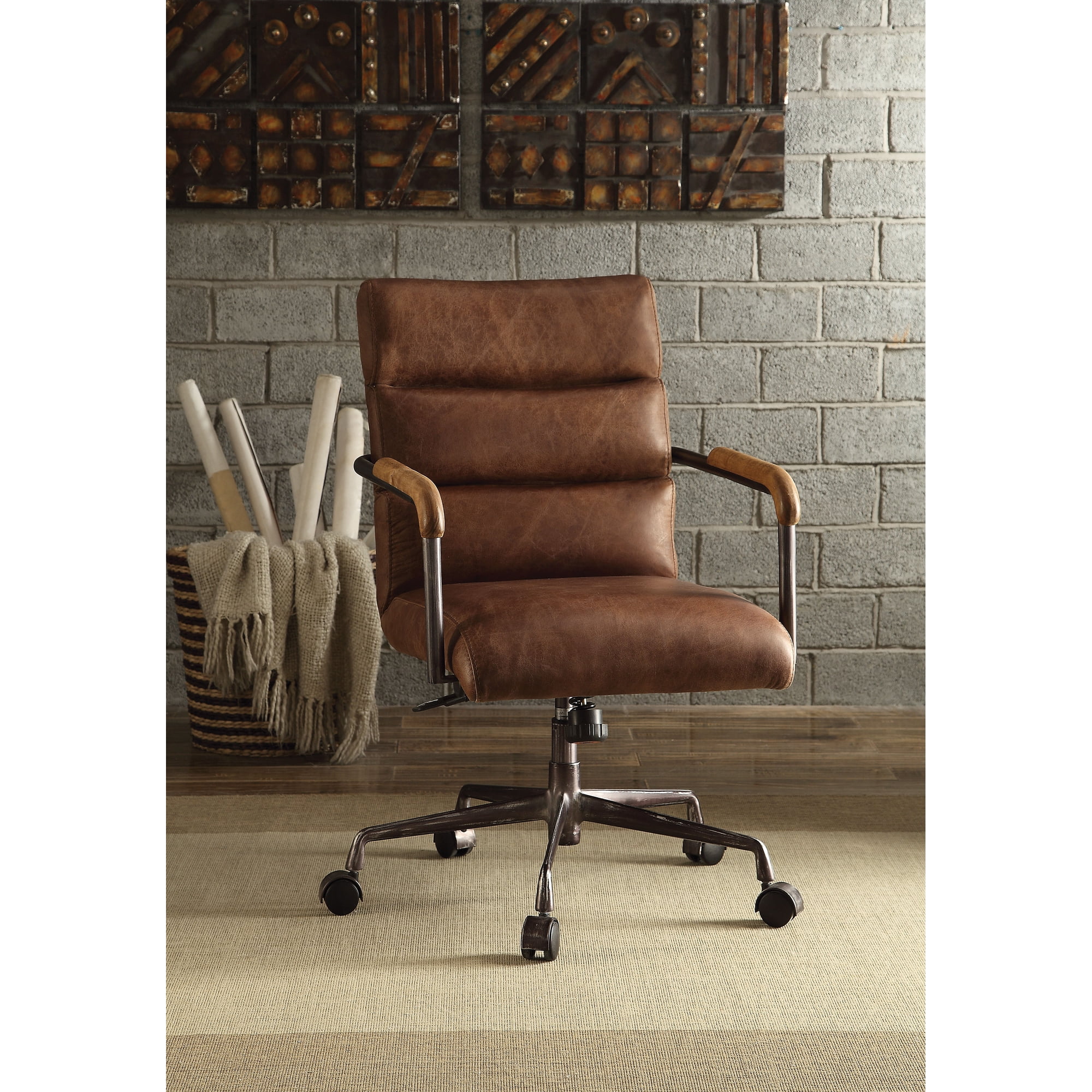
- Raw Materials: Unlacquered metals, distressed leather, solid wood (often oak or pine with a visible grain), and heavy-duty canvas.
- Hardware: Visible bolts, rivets, and casters with a utilitarian feel.
- Forms: Often based on classic task chairs or tractor-style seating, but adapted for the office.
- Color Palette: Browns, blacks, burnished coppers, and the natural silver of steel.
An industrial retro chair is the perfect anchor for a home office in a converted loft, a space with exposed brick, or any room where you want to create a sense of rugged authenticity. It’s the sturdy, reliable workhorse of the retro world.
3. Hollywood Regency / Glam Retro (1940s - 1960s): Bold and Luxurious
If you want your workspace to feel like a film set from the golden age of cinema, this is your style. It's all about drama and opulence. Look for:
- Luxurious Fabrics: Velvet, faux fur, or high-gloss leather in rich, deep colors or shimmering metallics.
- Ornate Details: Tufted backs, nailhead trim, and curved or "klismos" legs.
- High-Shine Finishes: Brass, gold, or lacquered wood bases.
- Bold Silhouettes: Wingback designs, barrel chairs, and other forms that make a grand statement.
A Hollywood Regency chair is not for the shy. It’s a conversation starter that commands attention. It pairs perfectly with a glass desk, a vanity-style table, or any space that could use a touch of glamour.
Finding the Perfect Fit: Comfort Meets Vintage Vibe
Style is crucial, but a beautiful chair that leaves you with an aching back by noon is a poor investment. Here’s how to ensure your retro find is also a comfortable place to work.
Anatomy of a Comfortable Retro Chair
When shopping, look beyond the surface. Consider these structural and ergonomic features:
| Feature | What to Look For | Why It Matters |
|---|---|---|
| Seat Comfort | High-density foam that retains its shape; a seat pan wide and deep enough for your frame. | Prevents the "bottoming out" feeling that leads to discomfort and pressure points on the thighs. |
| Back Support | A backrest with a natural curve that follows your spine. Some modern retro chairs include hidden lumbar adjustments. | Encourages a healthy sitting posture and reduces strain on the lower back during long hours. |
| Adjustability | Pneumatic seat height adjustment is standard. Look for tilt tension control and, ideally, adjustable armrests. | Allows you to customize the chair to your body and your desk, which is essential for ergonomic health. |
| Base & Casters | A sturdy five-point base (metal is best) and smooth-rolling casters suitable for your floor type. | Ensures stability and easy movement, preventing accidents and making it easy to glide around your workspace. |
Material Matters: Upholstery Choices
The material you choose drastically affects the chair's look, feel, and longevity.
- Leather (Genuine or Faux): Develops a beautiful patina over time, offering a classic, upscale look. Faux leather is a durable and vegan-friendly alternative. Good for a sophisticated, executive feel.
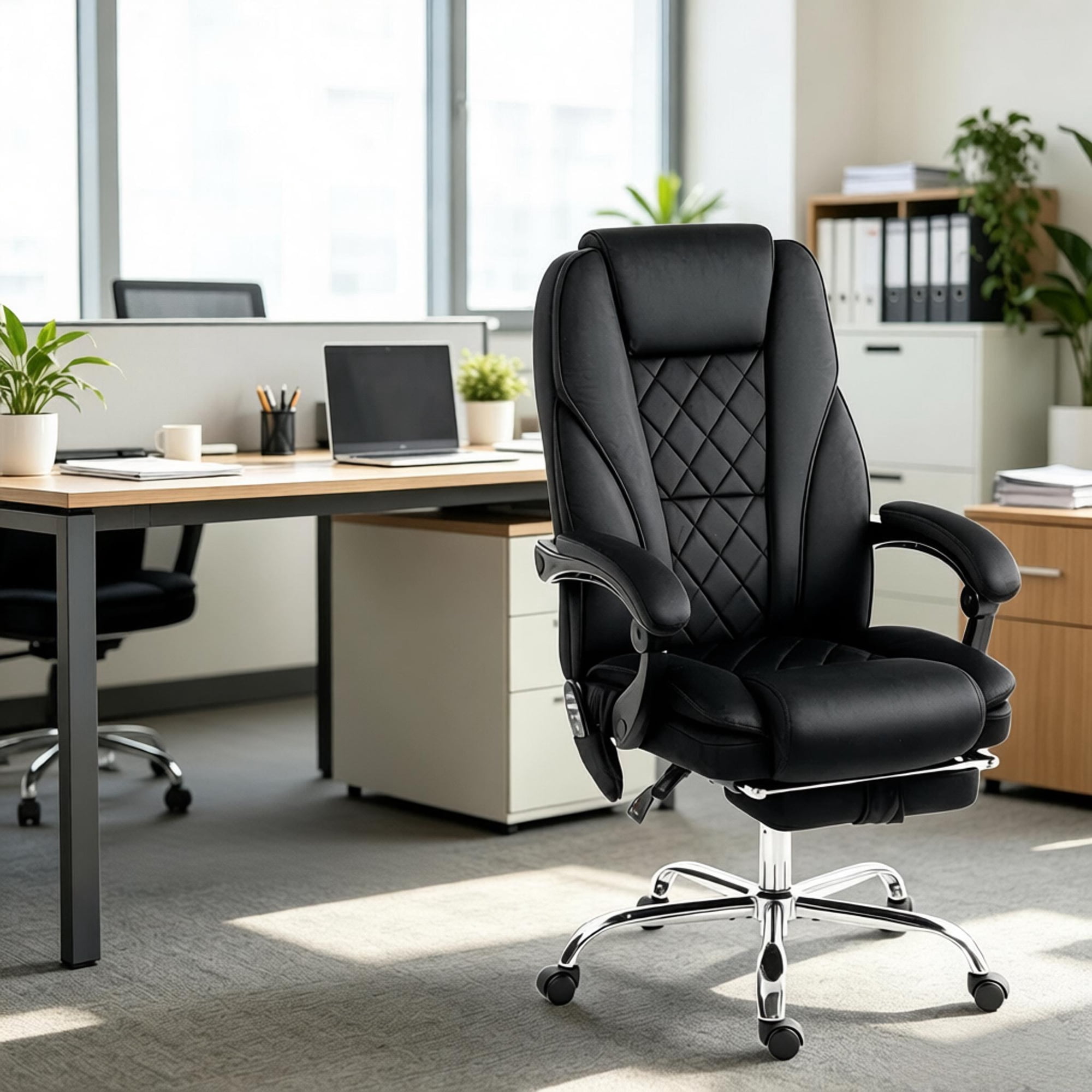
- Velvet: The epitome of glam retro. It's soft, luxurious, and comes in a stunning array of jewel tones. Requires a bit more care but adds incredible texture.
- Heavy-Duty Fabric (Tweed, Canvas, Wool): Offers a more casual, textured, and often more durable and breathable option. Perfect for industrial and mid-century styles.
- Wood: Often used for the frame, arms, or base. It adds warmth and an organic element. Look for solid wood construction for better durability.
Where to Place Your Retro Statement Piece
A retro office chair is incredibly versatile. It can be the anchor of your home office or a stylish addition to other rooms. Here are a few ideas:
- The Dedicated Home Office: Pair it with a simple, modern desk to let the chair be the star, or go all-in with a vintage partner desk for a cohesive period look.
- As a Reading Nook Chair: A comfortable retro chair on casters can easily pull up to a small side table, creating a perfect spot for breaks.
- In a Creative Studio: A fun, colorful retro chair adds energy and inspiration to an artist's or designer's workspace.
- Even in a Bedroom: A sleek retro chair can serve as a chic dressing table or vanity chair, blending function with style.