
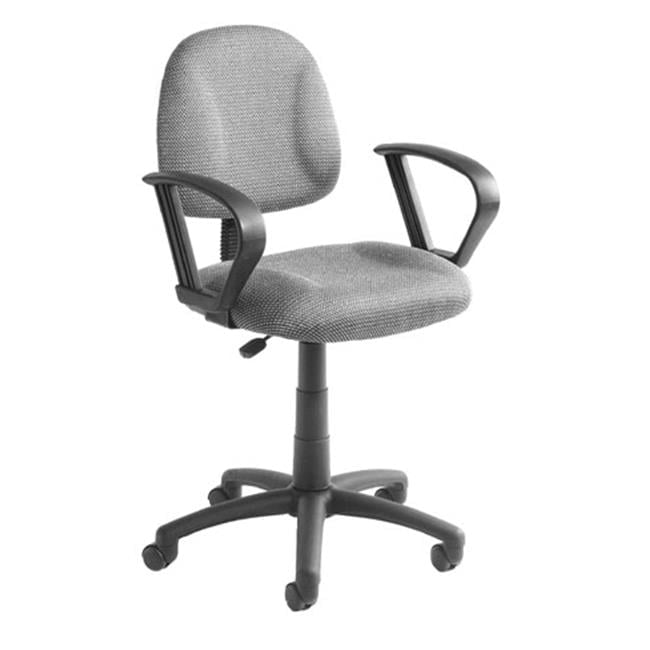
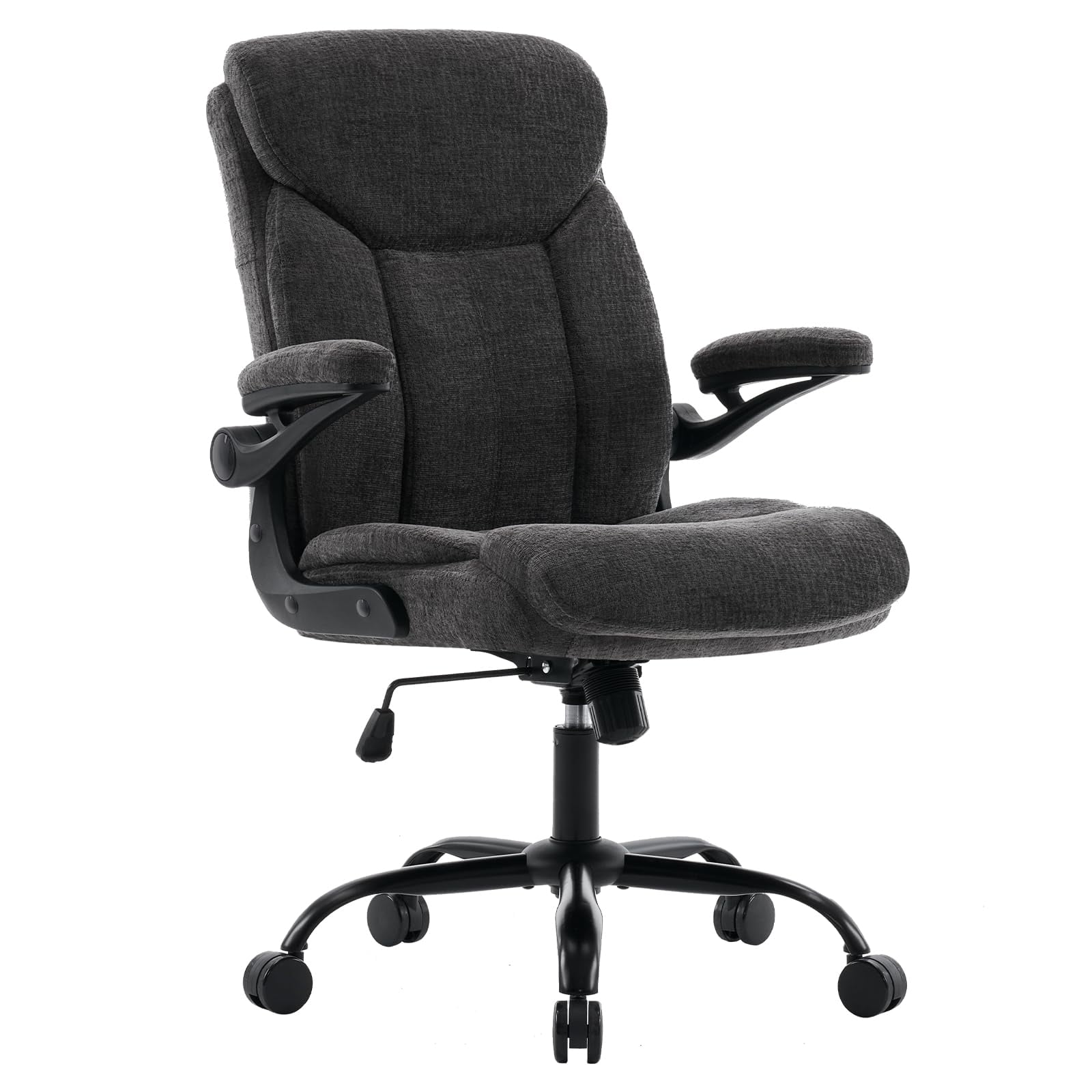
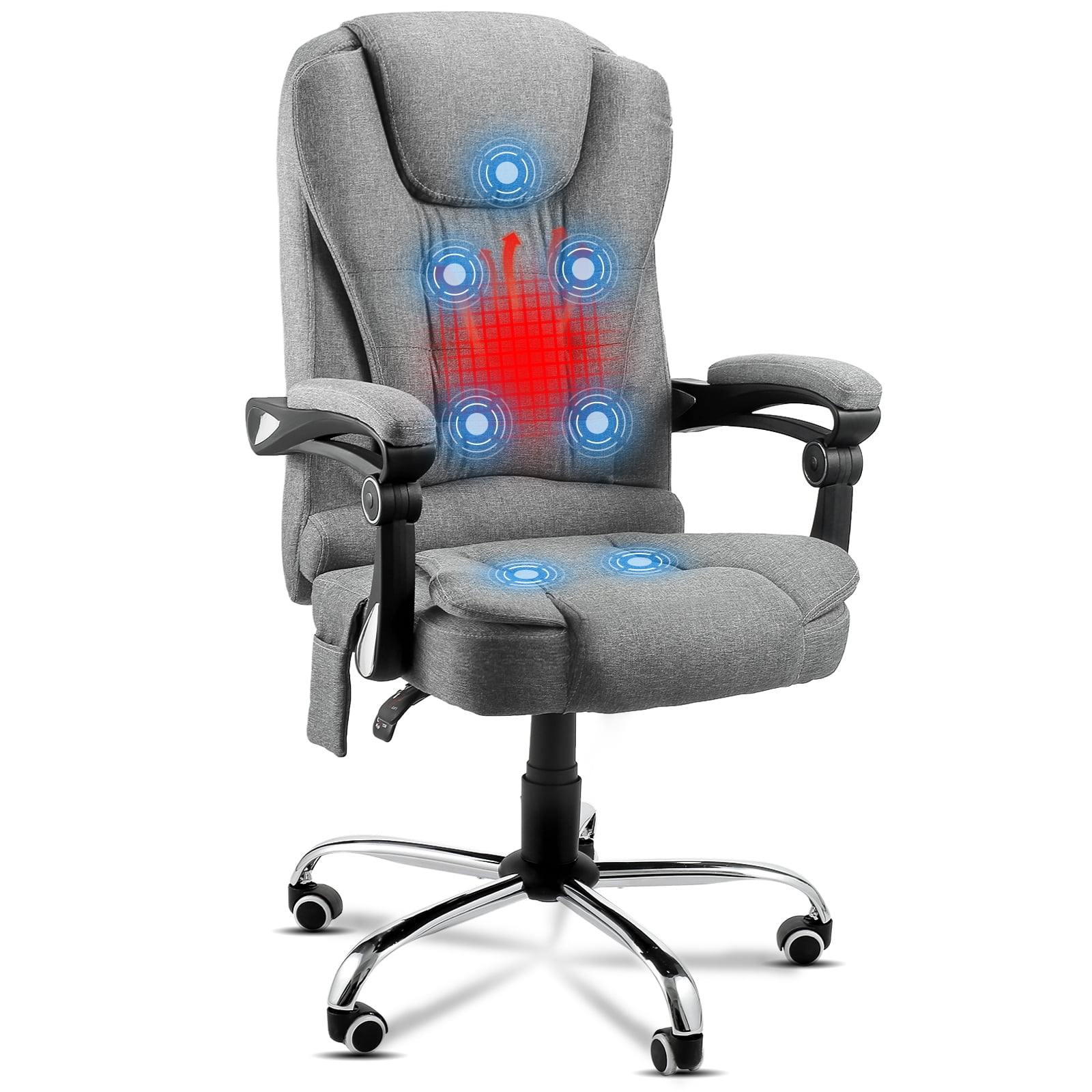
Why Grey Fabric? The Understated Hero of Office Seating
Imagine a chair that doesn't shout for attention, yet quietly lifts the entire room. That's the power of a grey fabric office chair. It's the tailored suit of seating: versatile, professional, and surprisingly practical. Fabric offers a warmth that leather or mesh alone can't match, while grey complements any color scheme—from minimalist white desks to rich walnut finishes.
Did you know? According to interior design surveys, grey is the most popular neutral for office spaces because it reduces visual clutter and promotes calm focus. When combined with breathable fabric, it can subtly lower stress during high-pressure tasks.
Key Benefits of Fabric Upholstery
Unlike leather that can feel sticky in summer or cold in winter, fabric stays “just right.” Here’s why fabric—especially grey—is a smart choice:
- Breathability: Natural fibres allow air movement, preventing that “swampy” feeling after hours of sitting.
- Grip without cling: Fabric provides enough friction to keep you positioned, yet slides smoothly when you need to swivel.
- Acoustic comfort: Fabric dampens sound, making your office quieter compared to hard surfaces.
- Colfast stability: Modern synthetic blends (polyester, olefin) resist fading and are often solution-dyed.
- Pet-friendly: Grey fabric cleverly camouflages pet hair between cleanings—a bonus for home offices.
Anatomy of a Quality Grey Fabric Office Chair
Not all fabric chairs are created equal. When shopping, look beneath the surface. A $200 chair might look similar to a $800 model, but the internal frame, foam density, and mechanism tell the real story. Use this checklist:
| Component | Why It Matters | What to Look For |
|---|---|---|
| Fabric type | Durability and stain resistance | Polyester or wool blends with high double-rub count (50,000+ for heavy use) |
| Foam density | Prevents sagging and maintains shape | High-resilience (HR) foam, 2.5–3.0 lb density |
| Frame construction | Overall stability and weight capacity | Hardwood or reinforced steel, not particle board |
| Mechanism & gas lift | Smooth adjustments and safety | Class 4 gas lift, tilt with tension control |
| Casters | Floor protection and mobility | Soft rubber casters for hard floors; dual-wheel for carpets |
Ergonomics: Why Fabric + Adjustability = Happy Back
A beautiful chair that doesn't fit your body is just decor. For real work, you need support. A grey fabric office chair should offer at least these ergonomic features:
- Adjustable lumbar support: Fabric chairs often have built-in lumbar curves or add-on cushions. Make sure it hits the small of your back.
- Seat depth slider: crucial for thigh support—you should have 2–3 finger widths between the seat edge and the back of your knee.
- 4D armrests: height, width, depth, and pivot adjustments let you rest arms while typing, reducing shoulder strain.
- Synchro-tilt mechanism: allows the seat and back to move in a natural ratio (usually 3:1) as you recline.
Grey Fabric vs. Other Materials: A Reality Check
We often romanticize leather, but fabric has practical superpowers. Let's compare:
| Scenario | Grey Fabric | Leather | Mesh |
|---|---|---|---|
| Hot climate / no A/C | Good (breathable) | Poor (sticky) | Excellent |
| Formal executive look | Good (depends on design) | Excellent | Casual |
| Spill-prone area (coffee) | Fair (with treatment) | Good (wipeable) | Fair (can stain) |
| Long hours of sitting | Very Good (cushioned) | Good (can get sweaty) | Good (support but less padding) |
| Budget-friendly | Excellent (wide range) | Expensive | Mid-range |
Five Myths About Fabric Office Chairs — Busted
Some buyers hesitate, remembering old, saggy fabric chairs from the 90s. Today's fabrics are different:
- Myth: Fabric always stains easily. Fact: Many now have Nano-tech or Scotchgard protection—liquids bead up.
- Myth: Fabric traps odors. Fact: Open-weave fabrics breathe, and antimicrobial treatments prevent bacterial growth.
- Myth: Grey shows dirt. Fact: Medium grey hides soil better than white, black, or beige.
- Myth: Fabric pills like an old sweater. Fact: High-quality upholstery fabric uses tightly twisted yarns that resist pilling.
- Myth: You can't use fabric chairs in a professional executive office. Fact: Many high-end designers now specify textured fabric for a softer, approachable luxury.
How to Choose the Perfect Grey Shade
Grey isn't just one colour. It ranges from almost-white (ash) to deep charcoal. Consider your room:
- Light grey/pewter: Opens up small spaces, pairs well with pastels or white.
- Medium grey (greige): The chameleon—goes with warm wood or cool steel.
- Charcoal: Adds drama, hides heavy use, great for high-traffic areas.
Caring for Your Grey Fabric Office Chair
Fabric chairs reward regular love. Follow this simple routine:
- Weekly: Vacuum with brush attachment to remove dust and crumbs.
- Monthly: Spot clean with a damp microfiber cloth and mild soap. Avoid harsh chemicals.
- Yearly: Deep clean with an upholstery extractor or professional service if needed.
For spills, act fast: blot (don't rub) with a clean cloth. Most quality grey fabrics are solution-dyed, meaning colour runs all the way through, so they resist fading and scrubbing damage.