
Why "Sitting Cross Legged" is More Than Just a Quirk
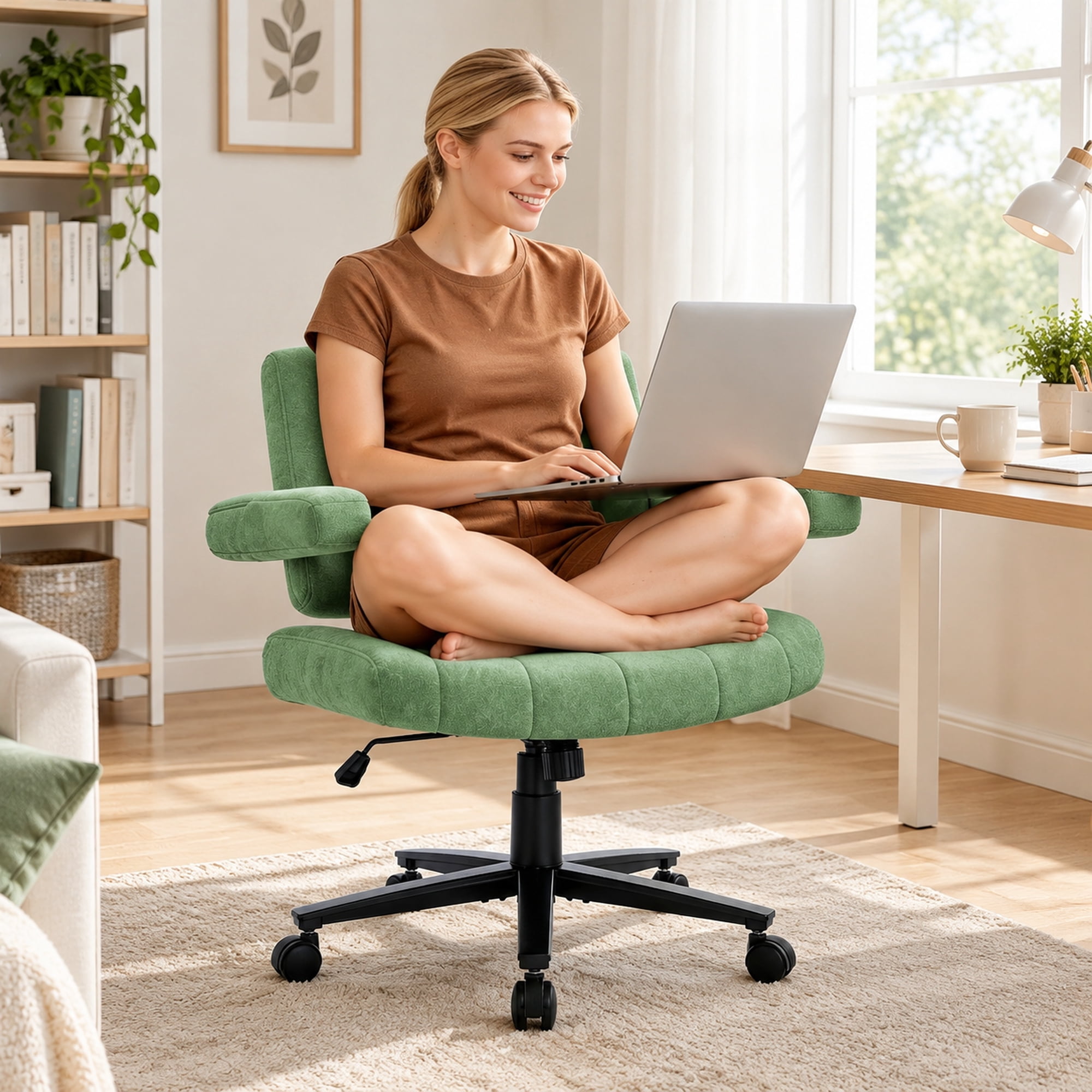
For decades, the "perfect" office posture has been drilled into us: feet flat on the floor, knees at a 90-degree angle. But human bodies are not one-size-fits-all machines. For many, sitting cross-legged—often called "criss-cross applesauce"—is not just a casual habit; it’s a more comfortable and natural way to sit. Whether you have hip stiffness, are used to floor-sitting cultures, or simply find it helps you focus, your office chair should accommodate you, not fight you. This guide explores the specialized world of the office chair for sitting cross legged, helping you find a seat that supports your unique style while keeping you ergonomically sound.
Did You Know? A survey by Office Furniture Today found that nearly 1 in 4 office workers admit to sitting cross-legged in their chair at least once a week. Yet, 80% of standard office chairs are not designed to support this posture comfortably, leading to pressure points and discomfort.
The Anatomy of a Cross-Legged Friendly Office Chair
Finding the perfect chair for this sitting style is about looking beyond standard specifications. It’s about finding a chair that acts like a supportive, flexible nest rather than a rigid throne. Here are the critical components to examine:
1. The Seat: Width, Depth, and Edge Profile
The seat is the most crucial element. When you sit cross-legged, you occupy more horizontal space. A standard 20-inch wide seat simply won't do.
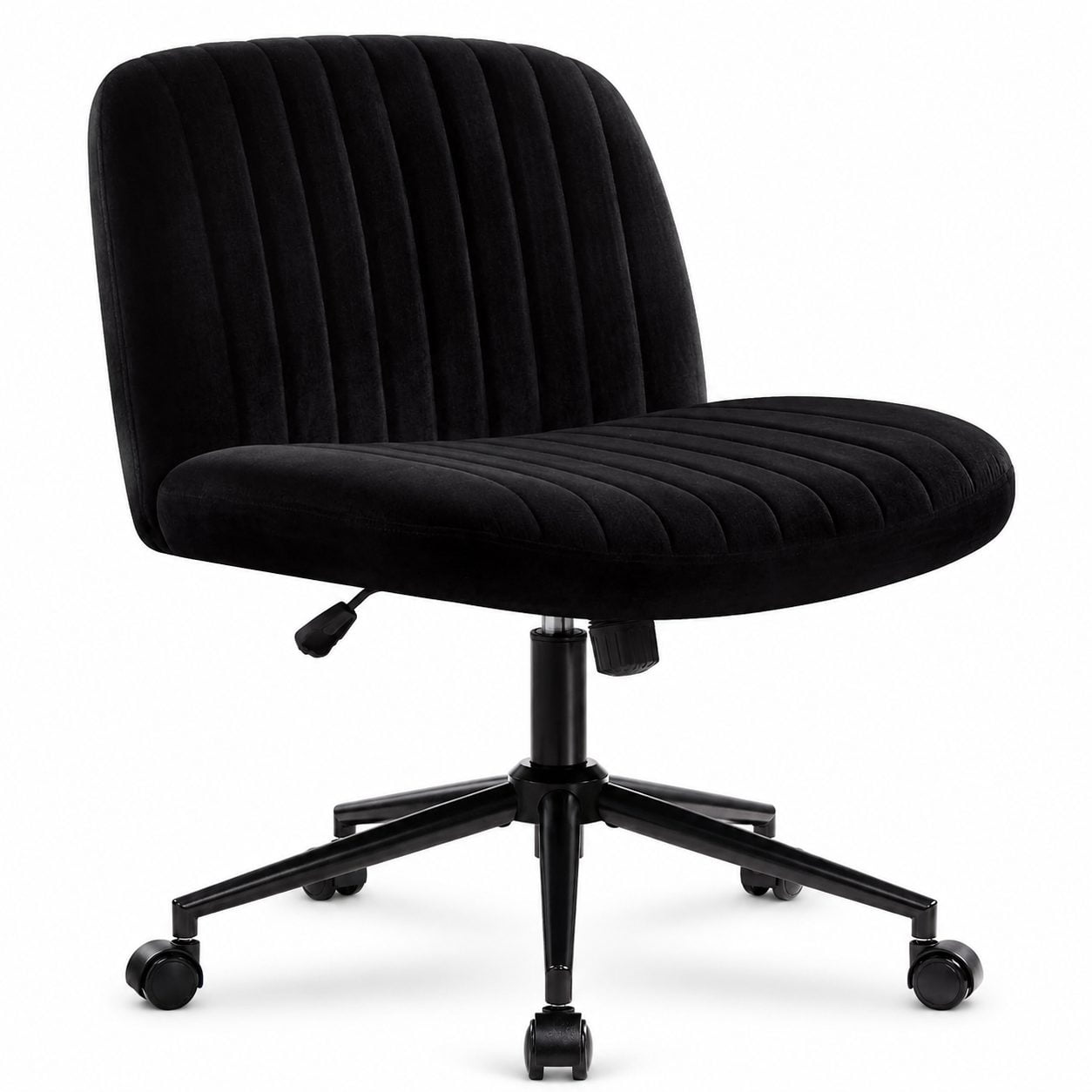
- Generous Seat Width: Look for chairs with a seat width of 24 inches or more. This gives your knees room to rest comfortably without hanging off the hard edges.
- Waterfall or Softened Edge: The front edge of the seat (where the backs of your knees or calves rest) must be well-padded and curved downward. A hard, sharp "waterfall" edge is your enemy here; it will cut off circulation and cause pain. A plush, forgiving foam is essential.
- Seat Depth Adjustability: This feature is gold. It allows you to slide the seat forward or backward. When sitting cross-legged, you might need a shallower effective depth to ensure your lower back is still supported by the backrest.
2. Upholstery: The Touch and Feel Factor
Since you might be sitting on your feet or ankles, the material against your skin matters immensely. It also affects how stable your posture is.
✅ Best Choices: Fabric & Mesh
- Breathable Fabric: Offers a soft, non-slip surface. It provides a bit of "grip" so you don't slide around, and it's comfortable against bare skin or socks.
- High-Quality Mesh: Extremely breathable, preventing the sweatiness that can occur with legs folded. Modern mesh is surprisingly durable and offers a slight give for comfort.
❌ Use with Caution: Leather & Bonded Leather
- Leather: Can be very slippery, making it hard to maintain a cross-legged position. It also gets hot and can stick to skin, and hard leather edges can be unforgiving.
- Vinyl/Faux Leather: Same issues as leather, often with worse breathability and a greater tendency to crack where the material creases from your legs.
3. Armrests: Get Them Out of the Way
Standard fixed armrests are the nemesis of the cross-legged sitter. They prevent you from tucking your legs in comfortably.
- Flip-Up Armrests: The ideal solution. You can simply lift them out of the way when you want to sit cross-legged and lower them when you need arm support for typing.
- Width-Adjustable Armrests: If they can't flip up, they need to slide outward significantly to create a wide "cockpit" for your legs.
- Removable Armrests: Some chairs allow you to take the arms off completely, offering the ultimate open seating experience.
4. Backrest: Follow Your Movement
Sitting cross-legged changes the angle of your pelvis and spine. A rigid backrest won't provide adequate support.
- Flexible Backrests: Look for chairs with a backrest that has some degree of flex or is designed to move with you (often called "synchronous tilt" or "multi-functional mechanisms"). This allows the backrest to maintain contact with your back even as your hips rotate.
- Adjustable Lumbar Support: Your lumbar curve changes in this position. The ability to adjust the lumbar support's height and depth ensures you can still get that critical lower back support.
5. Stability: A Wide Base is Key
When your center of gravity shifts (as it does when you fold a leg), a chair can become tippy.
- Five-Point Base: This is non-negotiable for stability.
- Weight Capacity: A chair rated for a higher weight (e.g., 300 lbs+) often has a broader and more robust base, providing a more stable platform for asymmetric postures.
Beyond the Chair: The "Active Sitting" Philosophy
Choosing an office chair for sitting cross legged is part of a larger movement towards "active sitting." This philosophy rejects the idea of a single static posture. Instead, it encourages movement and variation throughout the day. By having a chair that allows you to perch, sit cross-legged, kneel, or sit traditionally, you are:
- Engaging different muscle groups.
- Promoting blood circulation.
- Reducing the fatigue that comes from staying perfectly still.
- Keeping your spine and joints lubricated and healthy.
Think of your chair not as a cage, but as a dynamic platform for your workday. This type of seating is a powerful tool against the negative effects of a sedentary lifestyle.
Common Mistakes When Buying a Chair for Cross-Legged Sitting
Navigating the market can be tricky. Avoid these common pitfalls:
- Ignoring Seat Width: Assuming a "standard" size will work. Always check the exact seat dimensions. A chair marketed as "big and tall" often has the width you need, even if you aren't big or tall.
- Focusing Only on Aesthetics: That sleek, low-profile chair might look great, but it likely has a shallow seat and hard edges. Prioritize function over form for this specific need.
- Forgetting about Floor Surface: If you plan to take your shoes off, consider your floor. Carpet is fine, but on hard floors, smooth casters can let the chair roll away from you when you shift positions. Look for locking casters or wheels designed for hard floors that have a brake feature.
- Not Testing the Recline: When you sit cross-legged, you might naturally want to lean back slightly. Test the chair's recline tension to ensure it supports you without snapping back upright.
Who Benefits Most from This Chair Style?
🧘 Yoga & Meditation Practitioners
Perfect for those who take quick stretching or meditation breaks at their desk. The wide seat provides a stable base.
💻 Writers & Programmers
Long, deep-focus sessions often lead to posture shifts. A flexible chair supports those natural movements.
🧑🎨 Creative Professionals
Designers, artists, and thinkers who value comfort and freedom of movement over rigid corporate posture.
🏡 Remote Workers
In a home office, you have the freedom to be yourself. A chair that adapts to you makes working from home more comfortable.
Frequently Asked Questions: Sitting Cross Legged at Work
Conclusion: Your Comfort, Your Rules
The modern workplace is evolving, and so should our approach to seating. An office chair for sitting cross legged is not a niche product; it's a testament to the fact that ergonomics is personal. It's about giving you the autonomy to move and sit in ways that feel natural and sustainable for your body. By prioritizing a wide, soft seat, flexible armrests, and breathable materials, you can create a workspace that truly supports you—no matter how you choose to sit. Browse our top picks above and take the first step toward a more comfortable, productive, and flexible work life.