

Why Your Home Office Demands a Good Office Chair
Working from home has shifted from a temporary trend to a permanent lifestyle for millions. Yet, many remote professionals still use kitchen chairs, dining seats, or outdated hand-me-downs that wreak havoc on posture and focus. A good office chair for home office isn’t a luxury—it’s the foundation of a productive, pain-free workspace.
Remote Work Reality: Studies show that remote employees spend an average of 7.2 hours seated per workday. Without proper support, 67% report new or worsening musculoskeletal discomfort within the first year. The right chair can reverse this trend and boost daily output by 25%.
Key Ergonomic Pillars of a Quality Home Office Chair
Unlike conventional office chairs, a purpose-built home office chair addresses the unique challenges of home environments: longer continuous sitting, varied desk setups, and the need for quiet, smooth adjustments.
- Dynamic Lumbar Support – Active support that moves with you, preventing the “slouch” that occurs after hours of focus.
- Breathable Material Science – Mesh or advanced fabric to regulate temperature during long Zoom calls and deep work sessions.
- Multi-Dimensional Armrests – Adjust in height, width, and angle to relieve shoulder tension while typing or taking calls.
- Seat Depth & Tilt – Allows you to maintain a fist-sized gap behind the knees, promoting healthy circulation.
- Floor-Friendly Casters – Smooth-rolling wheels that protect hardwood or carpet, essential for home office flexibility.
Choosing the Right Home Office Chair: A Data-Driven Approach
Selecting the ideal good office chair involves matching your body type, work habits, and space constraints. Use this feature prioritization matrix to guide your decision:
| User Profile | Priority Features | Recommended Specs | Material Preference |
|---|---|---|---|
| Full-time Remote (8+ hrs/day) | Lumbar adjustability, seat depth, recline tension | Minimum 4 adjustment points, 300lb capacity, 10-year frame warranty | Premium mesh or breathable fabric |
| Hybrid Worker (2-4 days/week) | Quick adjustments, compact footprint, modern style | Height-adjustable arms, waterfall seat edge, 250lb capacity | Fabric with foam or bonded leather |
| Shared Home Office | Easy-to-adjust controls, durable upholstery, versatile sizing | Tool-less adjustments, wipe-clean surface, wide weight range | Stain-resistant fabric or polyurethane |
| Small Space / Apartment | Narrow seat width, stackable or compact base, aesthetic design | Armless or flip-up arms, lightweight frame, 25" or less seat width | Slim-profile mesh or minimalist fabric |
Health & Productivity Benefits of a Good Home Office Chair
Investing in quality seating yields measurable returns beyond comfort. Consider these evidence-backed advantages:
Reduced Musculoskeletal Pain
Proper lumbar support decreases spinal loading by up to 35%, cutting the risk of chronic lower back pain by over 50% for daily sitters.
Enhanced Cognitive Performance
Comfortable ergonomic seating reduces distractions. Users report 20% higher concentration scores in task-focused environments.
Improved Circulation & Energy
Waterfall seat edges and adjustable tilt prevent leg fatigue, keeping energy levels stable throughout the afternoon.
Long-Term Cost Efficiency
A quality $600 chair lasting 8 years costs just $75/year—far less than physiotherapy bills or productivity loss from discomfort.
Anatomy of the Perfect Home Office Chair: Key Components Explained
Understanding each component helps you make an informed purchase. Here’s what to evaluate when browsing the best options:
Essential Adjustment Checklist ✓
- Seat Height: Pneumatic cylinder with 4–6 inch range to ensure thighs parallel to floor, feet flat.
- Seat Depth: Sliding mechanism allowing 2–3 inches of adjustment—critical for proper knee alignment.
- Lumbar System: Look for both height (3–5 inches) and depth (1–2 inches) customization, not just a fixed bump.
- Armrest Adjustability: 4D armrests (up/down, forward/back, pivot, width) provide shoulder and neck relief.
- Tilt Mechanism: Synchronous tilt where the seat and back move together, plus adjustable tension knob.
- Casters: Soft PU casters for hard floors; locking casters optional if stability is needed.
Material Deep-Dive: Mesh vs. Fabric vs. Leather for Home Use
Each material serves a different home office scenario. Consider your climate, cleaning habits, and style preferences:
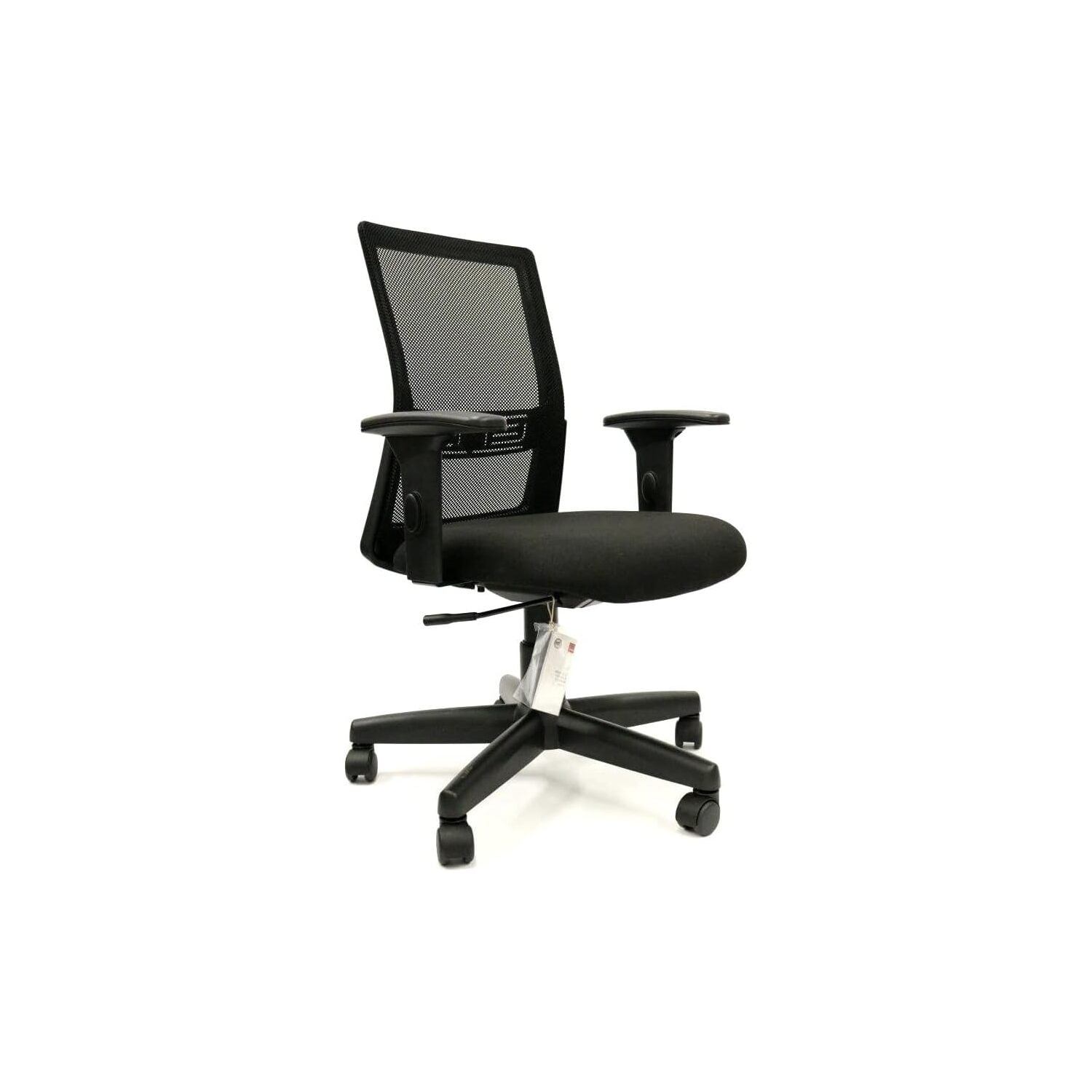
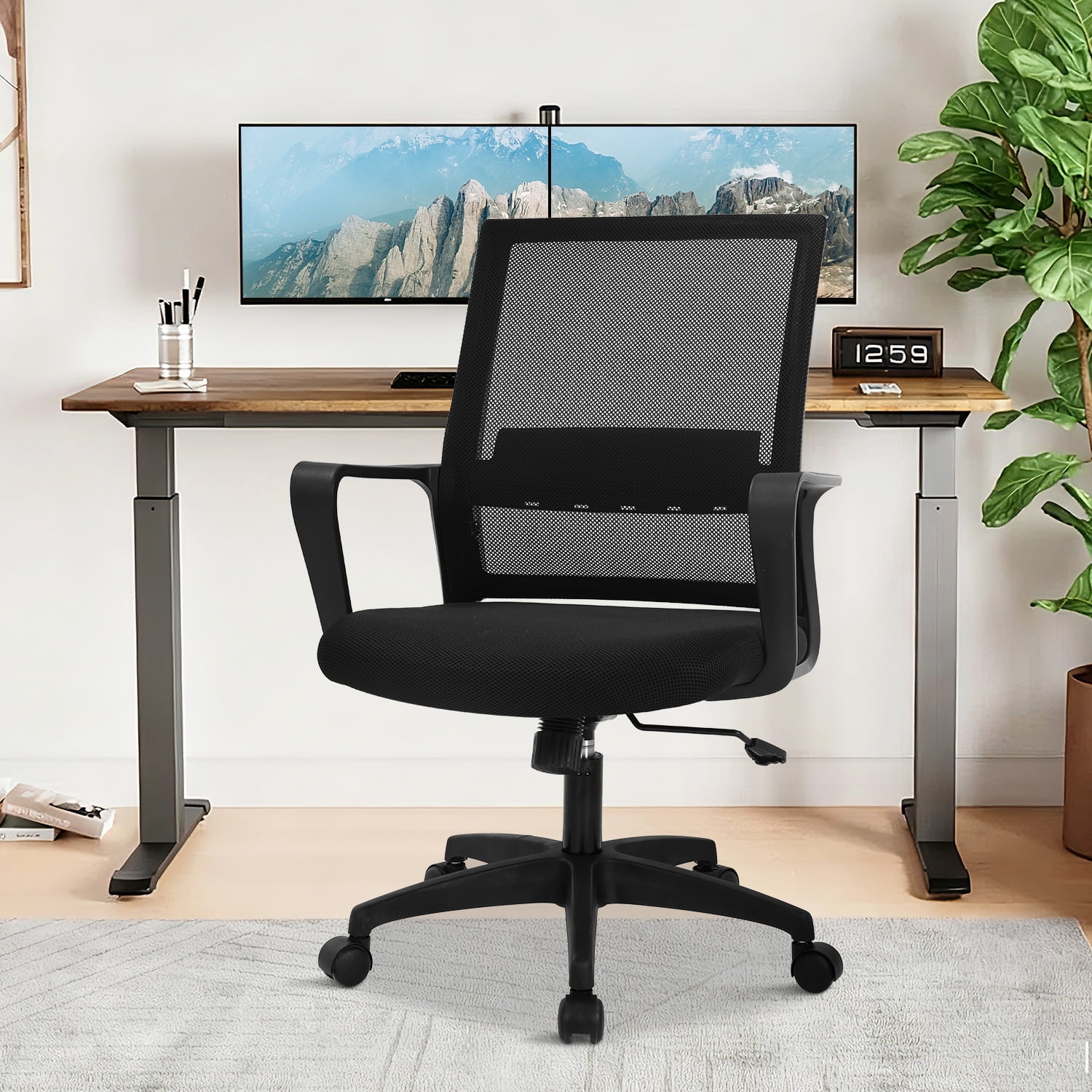
- Mesh: Highly breathable, ideal for warm environments and users who sweat easily. Modern aesthetic, but minimal cushioning; best paired with adjustable lumbar.
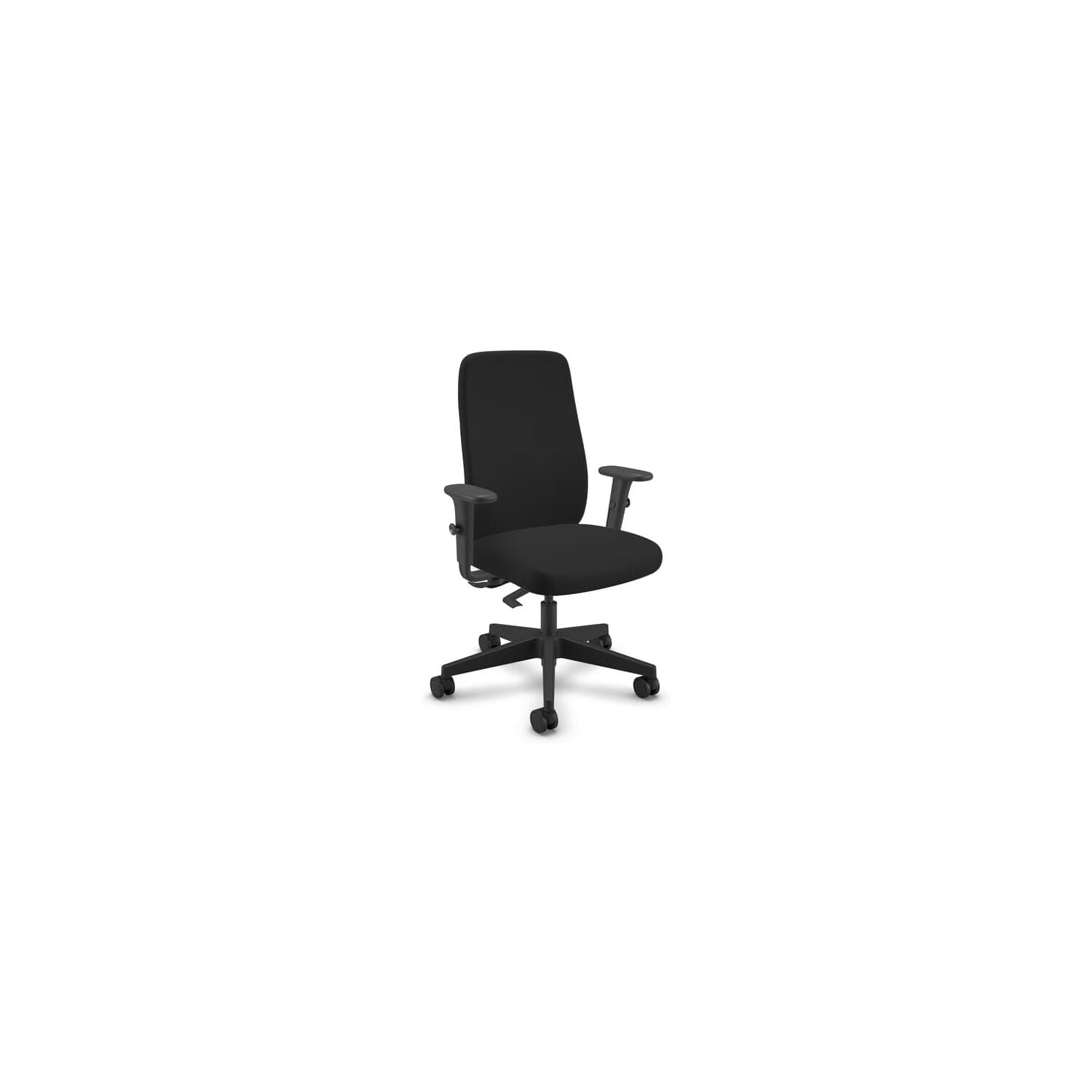
- High-Performance Fabric: Soft, cozy, and often stain-resistant. Offers more padding options. Perfect for cooler home offices and those who value a plush feel.
- Leather/Leather-Vinyl: Classic, easy to wipe clean, professional look. Can get warm; choose perforated leather for airflow if opting this route.
Pro Tip: For most home office users, a high-quality mesh back with a fabric seat strikes the ideal balance—breathability where you need it and comfort where you sit longest.