
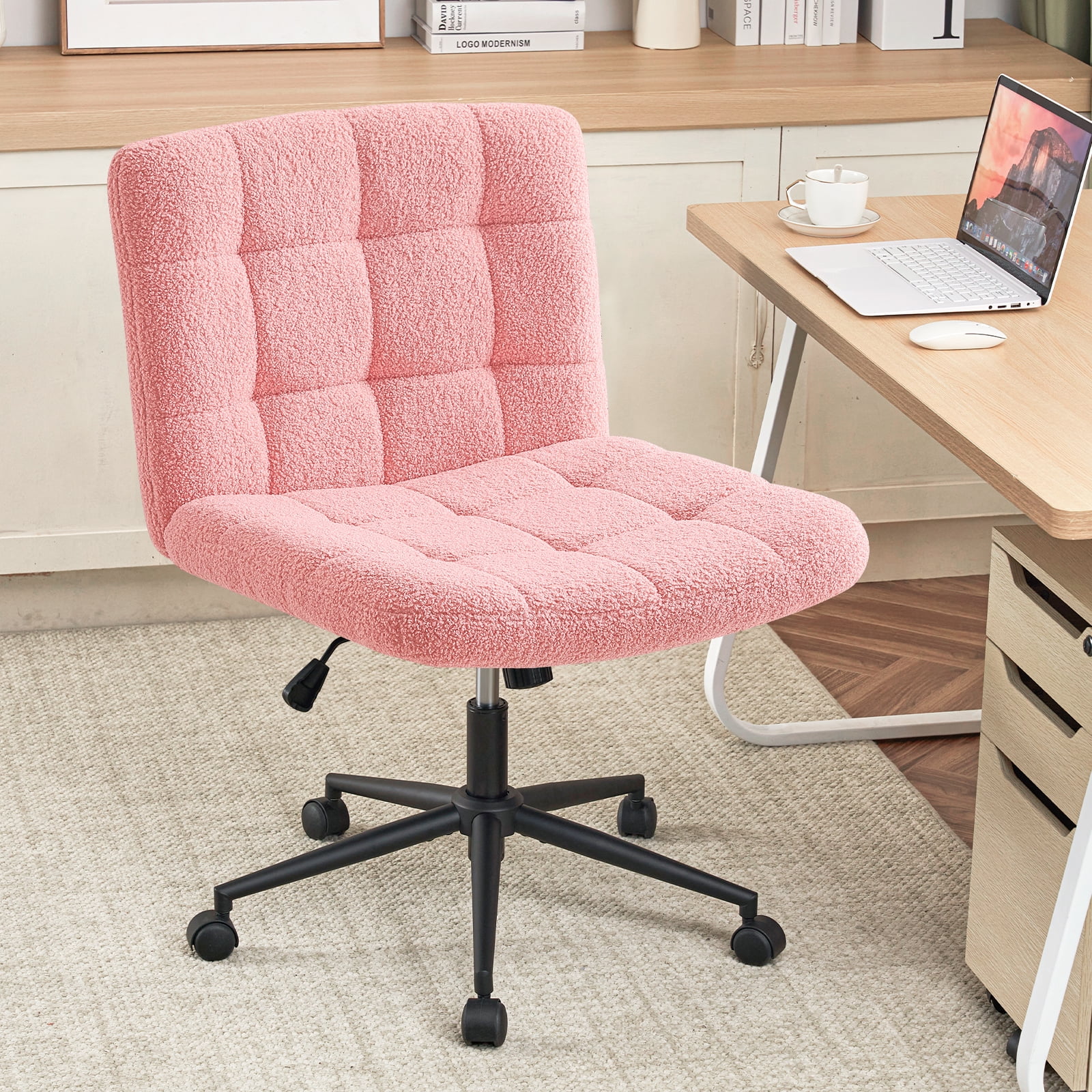
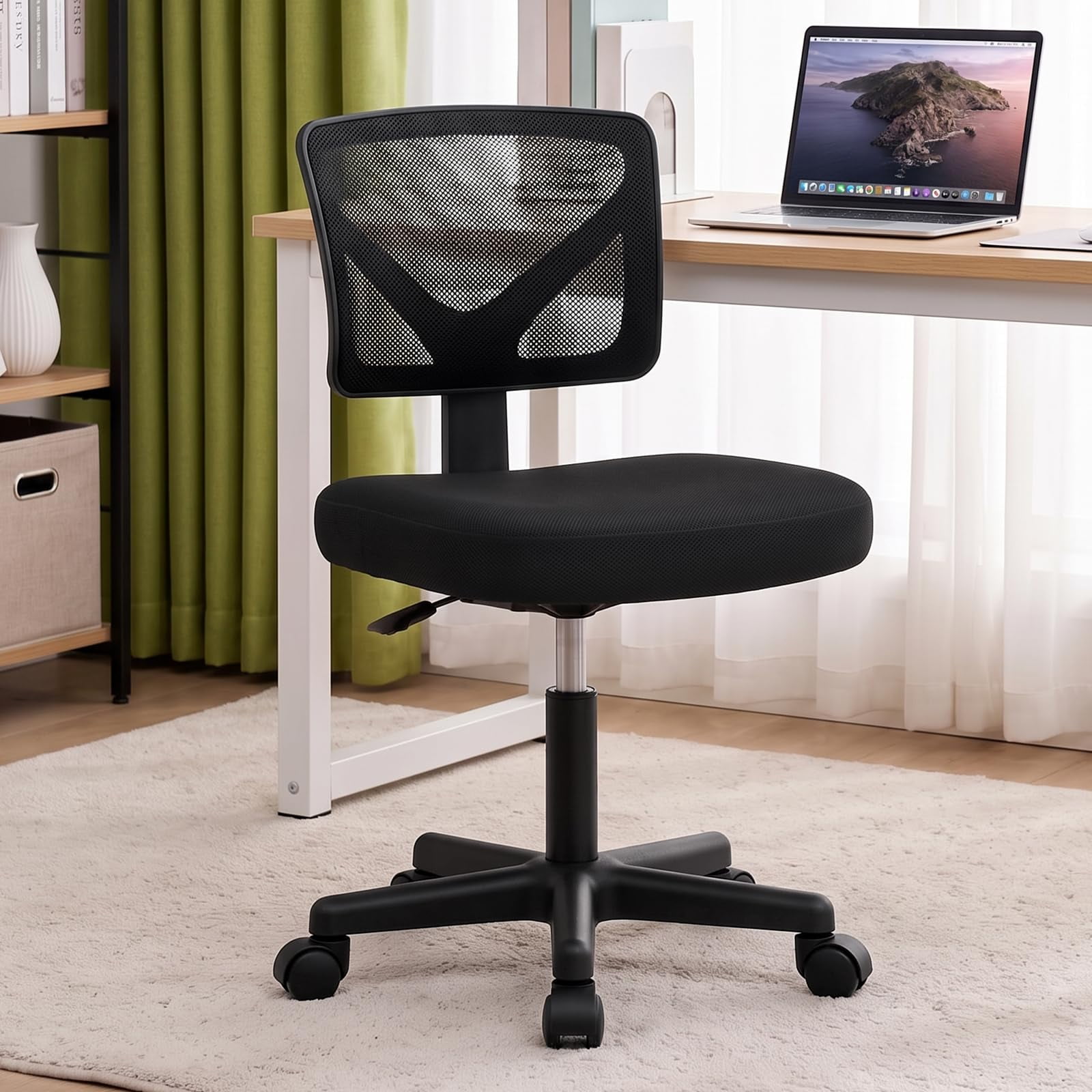
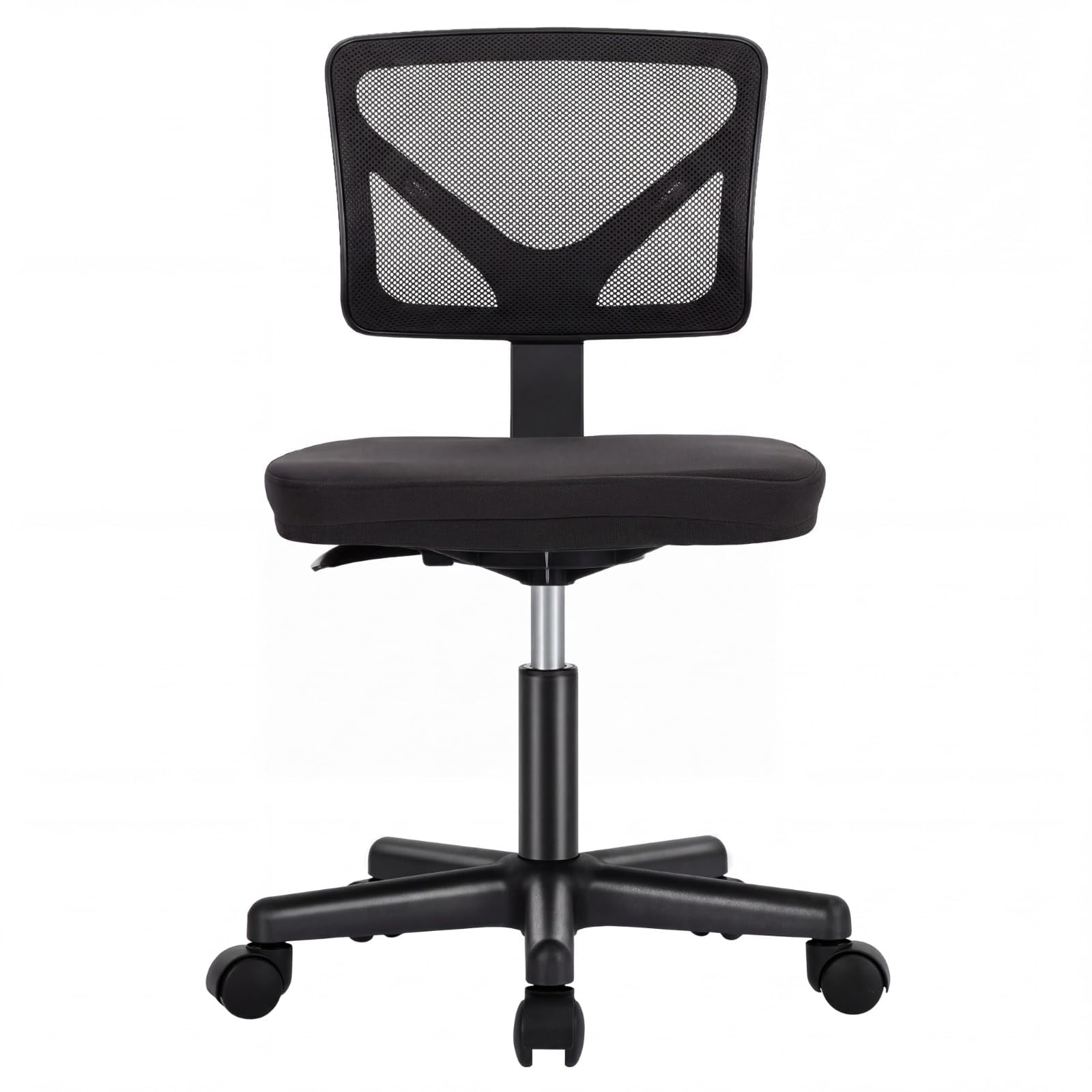
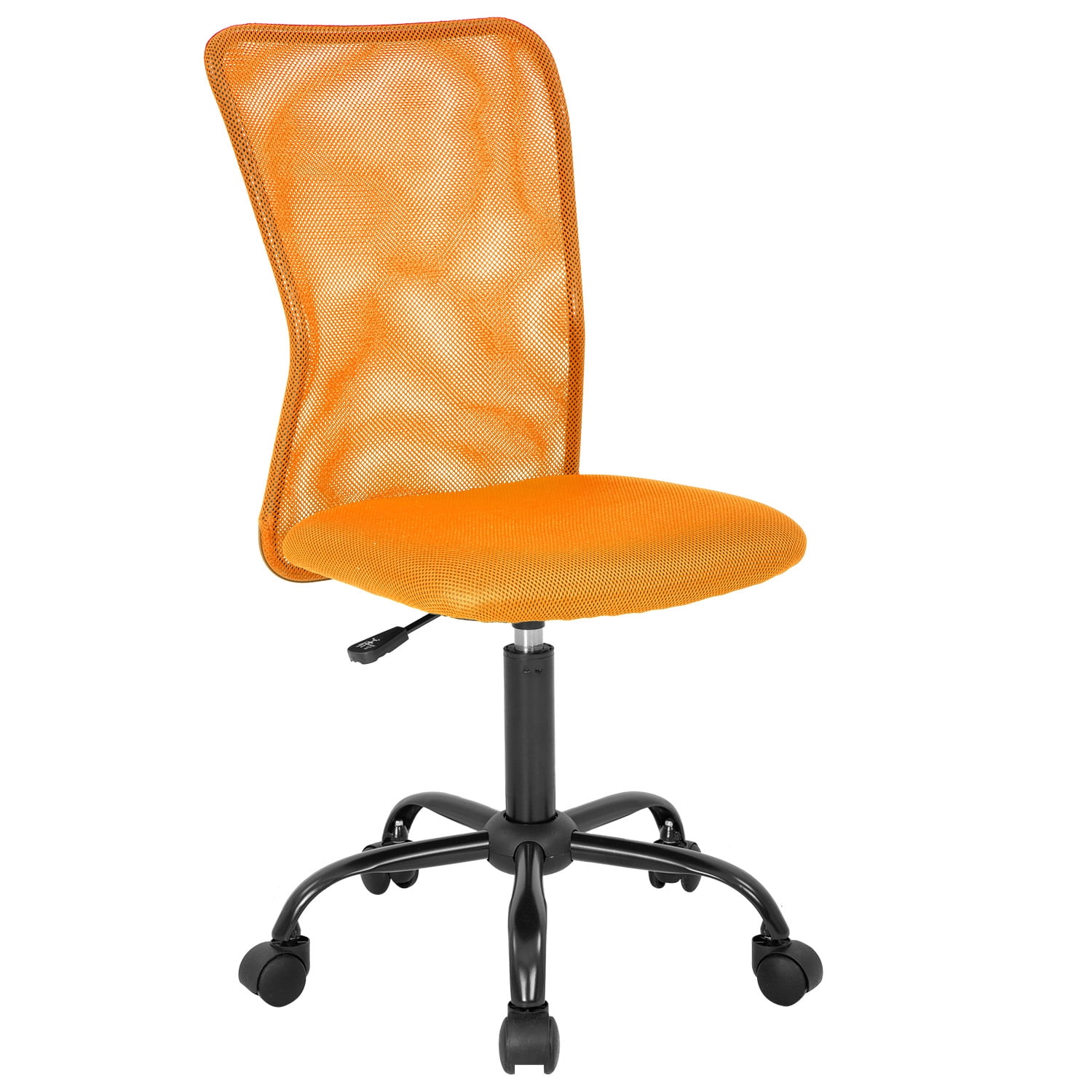
Why a Good Desk Chair for Home Office Matters
Working from home has transformed from a temporary trend to a permanent lifestyle for millions. Yet, many professionals still rely on dining chairs, sofas, or outdated hand-me-downs. A good desk chair for home office isn't just furniture—it's the cornerstone of your workday health and efficiency. Studies indicate that the average remote worker spends over 7 hours seated daily, making proper seating a non-negotiable investment.
Research Insight: According to a 2024 survey by the American Chiropractic Association, 78% of remote workers reported new or worsening back pain after switching to home offices. Those using ergonomically designed chairs were 63% less likely to experience chronic discomfort.
Defining “Good”: Key Attributes of Home Office Chairs
A truly good home office chair strikes a balance between ergonomic support, durability, and personal style. It adapts to your body, not the other way around. Below are the essential characteristics to look for:
- Ergonomic adjustability: Seat height, armrest width/angle, back tilt, and lumbar depth customization.
- Breathable materials: Mesh backs or high-quality fabric that prevents overheating during long video calls.
- Robust construction: Class 4 gas lift, heavy-duty base, and smooth-rolling casters suitable for hardwood or carpet.
- Seat comfort: High-density foam that retains shape without bottoming out after months of use.
- Space-conscious design: Fits your home office layout without overwhelming the room.
Ergonomic Comparison: Must-Have vs. Nice-to-Have
| Feature | Why It Matters | Recommended Spec |
|---|---|---|
| Seat Height Adjustment | Ensures thighs are parallel to floor, feet flat, preventing circulation issues | 16” – 21” range, pneumatic lever |
| Lumbar Support | Maintains natural S-curve of spine, reduces lower back fatigue | Height-adjustable or active lumbar mechanism |
| Seat Depth | Prevents pressure behind knees, supports full thigh | Adjustable 17”–19” or seat slider |
| Armrests | Relieves shoulder tension, allows relaxed typing posture | 3D/4D (height, width, pivot, depth) |
| Tilt Tension & Lock | Encourages dynamic sitting, shifts pressure points | Multi-angle lock with tension knob |
Top Benefits of a Quality Home Office Chair
Enhanced Focus & Productivity
Discomfort is a silent productivity killer. An ergonomic chair reduces fidgeting and lets you concentrate on tasks for longer periods without fatigue.
Long-Term Health Savings
Preventing musculoskeletal issues now can save thousands in chiropractic or medical expenses later. Good posture supports spinal health for years.
Seamless Work-Life Integration
A dedicated, comfortable workspace makes the mental transition to “work mode” easier, even within your home environment.
Professional Aesthetics
A well-designed chair elevates your video call background, projecting professionalism and pride in your workspace.
Choosing the Right Material for Your Home Office
Material choice impacts comfort, maintenance, and longevity. Let’s compare common options:
- Mesh Back + Fabric Seat: Ideal for hot climates or long hours; breathable and supportive. Easy to clean with a damp cloth.
- All-Leather (Genuine or Faux): Offers a luxurious feel and wipes clean effortlessly, but may trap heat. Perfect for executive home offices.
- High-Performance Fabric: Available in many colors, soft to touch, stain-resistant when treated. Great for style-conscious users.
- Full Mesh: Maximum airflow, excellent for those who run warm. Often used in high-end ergonomic chairs.
Step-by-Step Guide to Finding Your Ideal Chair
1. Measure Your Workspace and Body
Start by measuring your desk height (standard 28-30 inches) and the space under it. For your body, note your height, weight, and typical sitting posture. If you're over 6 feet tall, look for chairs with taller backrests and adjustable headrests. For petite users, prioritize seat depth adjustability.
2. Define Your Work Habits
3. Set a Realistic Budget
Essential Comfort
Basic ergonomics, good for part-time use or small budgets.
Performance Standard
Full adjustability, breathable mesh, and 5+ year warranty. Best value.
Premium / Executive
High-end materials, advanced ergonomics, premium build quality.
4. Test and Validate
If possible, sit in the chair for at least 15 minutes. Simulate typing, leaning back, and reaching for items. Ensure the seat cushion doesn't compress too much and that the lumbar support hits your natural curve. Check that all levers are easy to reach and operate smoothly.