
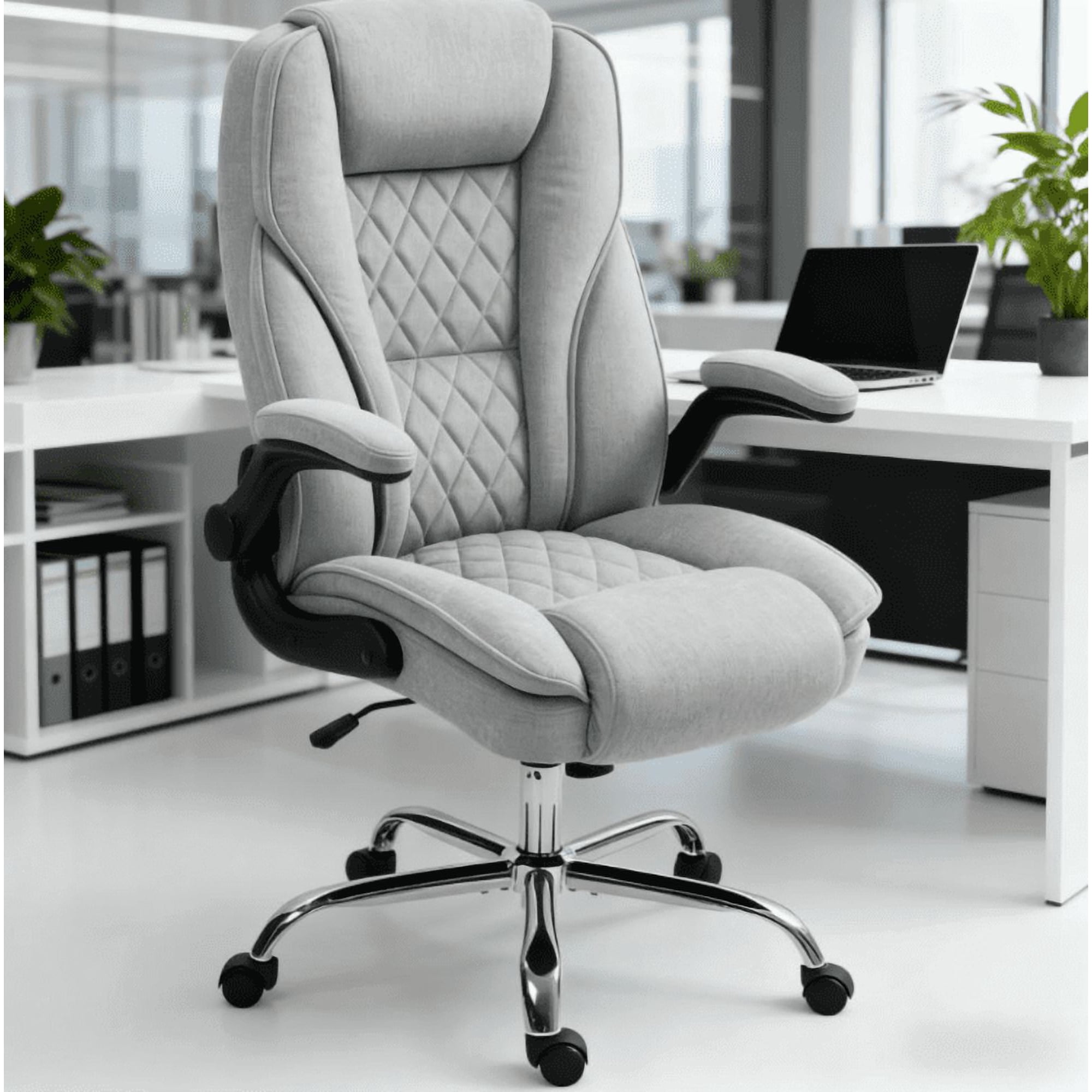
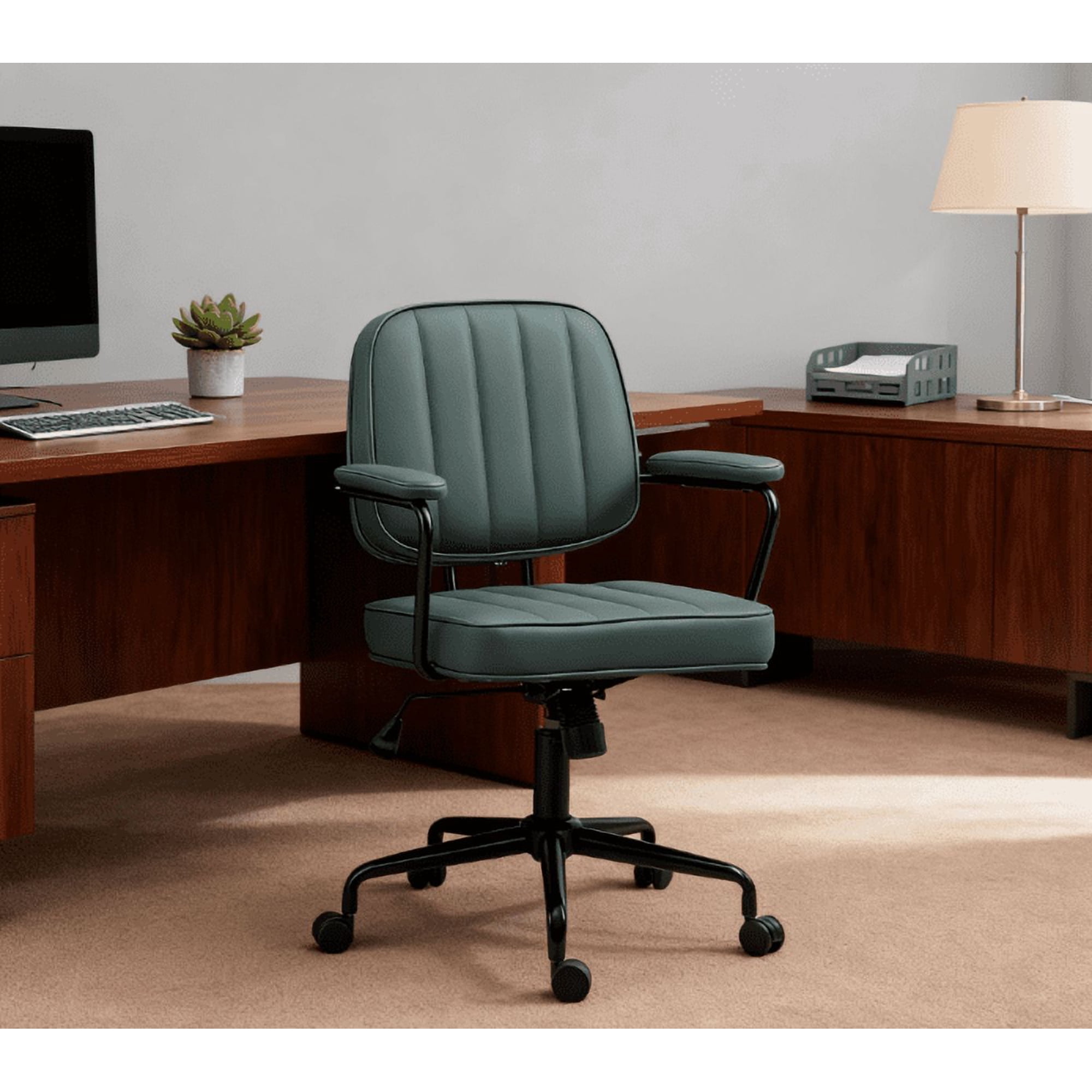
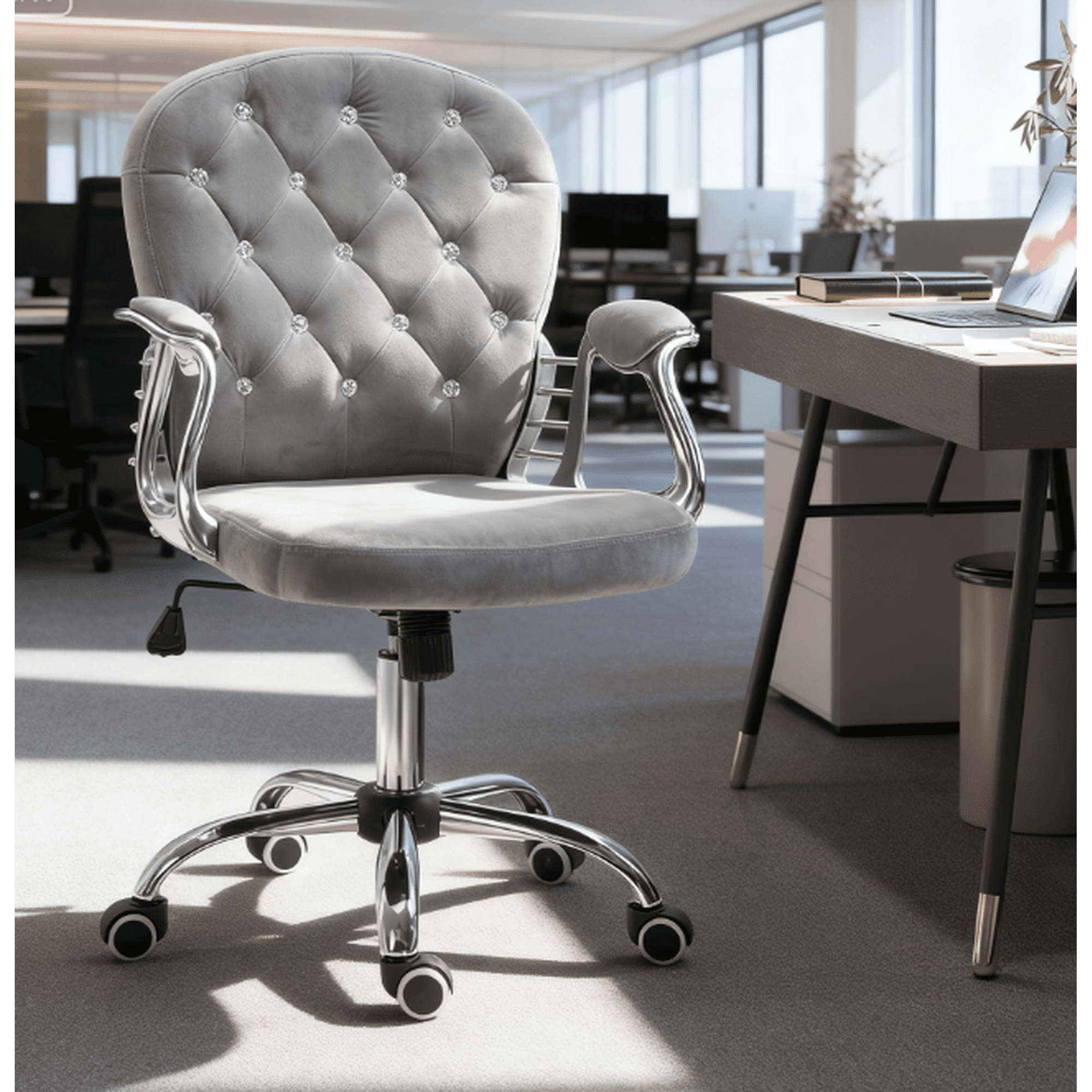
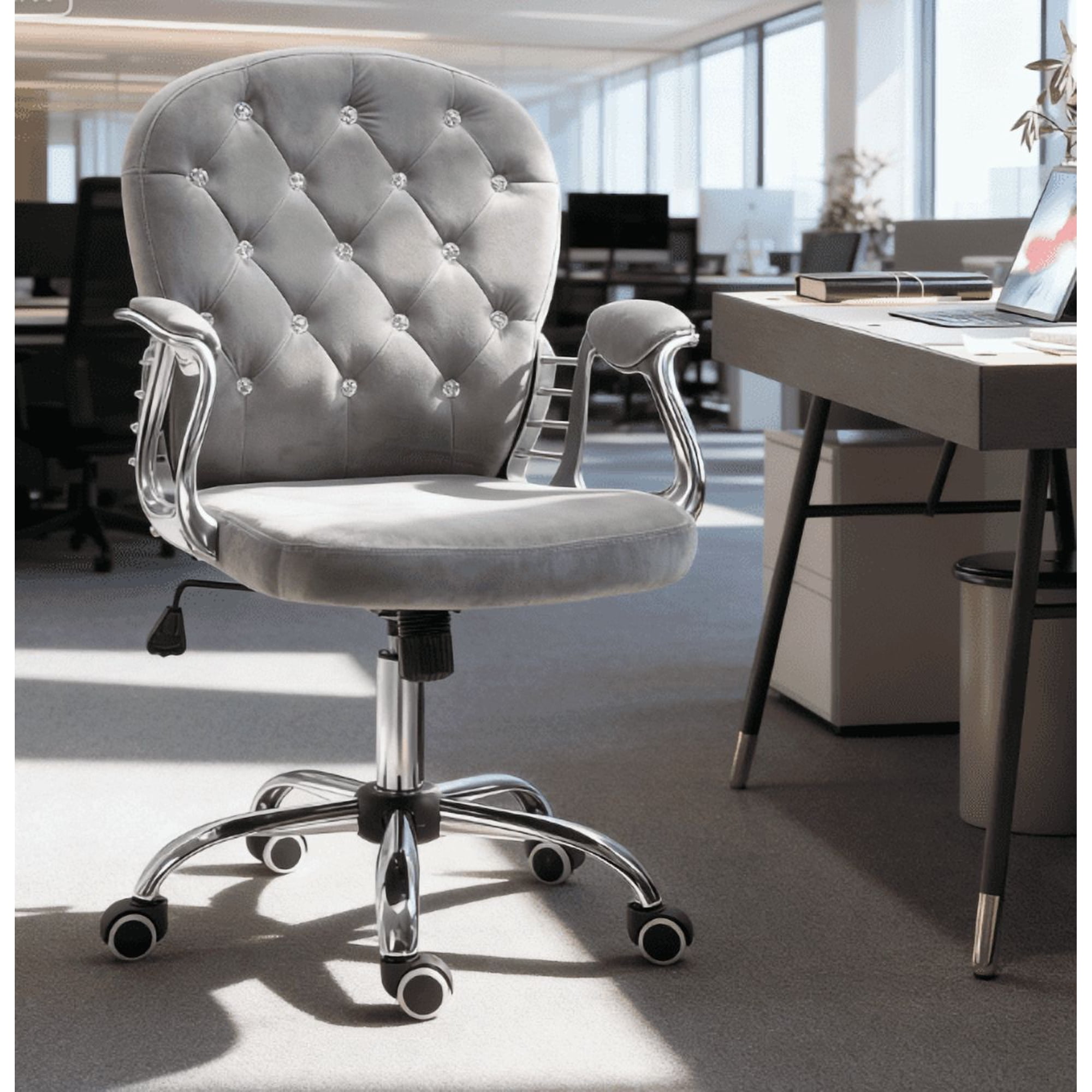
Why Selecting the Right Home Office Chair Matters More Than Ever
With the rise of remote and hybrid work models, your home office has become your command center. Unlike a traditional corporate setting, your home office chair needs to do double duty: provide professional-grade ergonomic support while complementing your personal interior style. The top office chairs for home are designed to bridge this gap, offering features that promote health without sacrificing the cozy, inviting atmosphere of your living space.
💡 Ergonomics Insight: Studies from the American Chiropractic Association indicate that people who use ergonomically optimized chairs at home report 58% fewer instances of neck and shoulder pain compared to those using standard or dining chairs. Investing in a proper home office chair is investing in your long-term wellbeing.
Key Features to Look For in a Top Home Office Chair
Not all chairs are created equal. When shopping for the best home office seating, prioritize these critical elements to ensure you get a chair that supports your body and your daily workflow:
1. Adjustable Lumbar Support
Static backs cause fatigue. Look for chairs with height-adjustable or dynamic lumbar that moves with you, maintaining the natural S-curve of your spine.
2. Seat Depth & Width
A seat that's too shallow or deep strains legs. Top chairs offer seat slider mechanisms so you can have 2-3 finger widths between the edge and your knees.
3. Breathable Material
Mesh backs and fabric seats prevent heat buildup during long work sessions. Leather looks great but may need air conditioning in warmer climates.
4. Multi-Dimensional Armrests
Armrests that adjust in height, width, and pivot allow you to keep shoulders relaxed and reduce tension in the upper back.
5. Smooth Recline Mechanism
A chair that moves with you (synchronous tilt) encourages micro-movements that improve circulation and focus.
6. Quiet & Durable Casters
Hardwood floors? Opt for soft-rolling casters that won't scratch and glide silently, preserving your home's tranquility.
Top Office Chairs for Home: Matching Chair Types to Work Styles
Your profession and daily tasks greatly influence which home office chair is right for you. Let's explore the best matchups:
- • For Creative Professionals (Designers, Writers): Choose a chair with a waterfall seat edge and flexible back that allows dynamic leaning. A high-back model with headrest supports those long creative flow sessions.
- • For Executives & Managers: Opt for a leather or premium fabric chair with polished aluminum base and extensive adjustability. It conveys authority during video calls while offering support during back-to-back meetings.
- • For IT & Tech Workers: Breathable mesh chairs with 4D armrests are ideal. They keep you cool during troubleshooting marathons and allow precise adjustments for typing comfort.
- • For Part-Time Remote Workers: A mid-back ergonomic chair with essential adjustments (seat height, basic lumbar) offers excellent value without overkill for occasional use.
- • For Multi-Purpose Spaces: Consider a sleek, minimalist design with a smaller footprint. Chairs with polished finishes and fabric upholstery that double as guest seating when not at your desk.
Ergonomic vs. Aesthetic: Striking the Perfect Balance
Many believe they must choose between a chair that looks great and one that feels great. However, today's top office chairs for home prove otherwise. Premium manufacturers now offer chairs with curved wooden accents, vibrant colorways, and slim profiles that incorporate advanced ergonomic technology. The goal is to find a chair that disappears under you — you shouldn't notice it, only its absence when you try to work without it.
Pro tip: When browsing, look at the chair's silhouette. A chair with a waterfall front, sculpted backrest, and elegant armrest curves often signals both thoughtful ergonomics and intentional design.
Step-by-Step Guide to Selecting Your Ideal Home Office Chair
Finding the perfect chair doesn't have to be overwhelming. Follow this simple, systematic approach:
Step 1: Measure Your Space & Desk
- Measure the height from floor to underside of your desk (typical clearance: 26–29 inches).
- Measure the width available for the chair base (minimum 27 inches for free movement).
- Consider armrest clearance if your desk has a modesty panel or drawers.
Step 2: Define Your Sitting Duration
- Less than 4 hours/day: A mid-range task chair with basic ergonomics suffices.
- 4–8 hours/day: Prioritize adjustable lumbar, seat depth, and breathable back.
- 8+ hours/day: Invest in a high-end ergonomic chair with premium warranty and full adjustability.
Step 3: Test Material Preference
- Mesh: Best for airflow and modern aesthetics.
- Fabric: Soft, warm, and available in many colors; easy to blend with home decor.
- Leather/Leather-like: Easy to clean, upscale look; may require AC in summer.
Step 4: Check Warranty & Return Policy
- Top brands offer 5–12 year warranties. Ensure you can test the chair at home risk-free. A good return policy is essential when buying online.
Common Myths About Home Office Chairs – Debunked
Let's clear up misconceptions that might steer you away from the perfect chair:
- Myth 1: "A gaming chair is just as good as an ergonomic office chair." — Gaming chairs often have rigid bucket seats that restrict movement. Ergonomic home office chairs are designed for postural variation and long-term health.
- Myth 2: "More padding means more comfort." — Actually, overly soft padding can cause poor posture. Quality high-density foam that maintains shape is better than thick, squishy cushions.
- Myth 3: "Expensive chairs are overkill for home." — Considering you spend a third of your life seated (if working from home), a high-quality chair is a health investment, not just office equipment.
- Myth 4: "All chairs with lumbar support are the same." — Fixed lumbar bumps can be uncomfortable. Adjustable or active lumbar systems are vastly superior for personalized comfort.
📊 Data Point: According to a 2024 home office survey, 72% of remote workers who upgraded to a premium ergonomic chair reported a significant decrease in daily fatigue and an increase in focused work time by an average of 1.8 hours per day.