
Why You Need an Attachable Footrest for Your Office Chair
Imagine sitting in a car where the seat is too high, and your feet barely touch the floor. You'd feel unstable, your thighs would ache, and your lower back would soon complain. This is the reality for millions of office workers whose chairs are not perfectly adjusted to their body. An attachable footrest for office chair is the simple, elegant solution to this widespread problem. It's not just a luxury; it's an ergonomic necessity.
Did you know? According to ergonomic standards, your feet should rest flat on the floor or on a stable footrest, with your knees bent at a 90-degree angle. When this isn't possible, the risk of developing lower back pain increases by up to 60%. A footrest closes this gap, literally and figuratively.
The Hidden Benefits of Elevating Your Feet
While many think a footrest is just for comfort, its benefits run much deeper. It’s a tool for proactive health and sustained productivity.
- Restores Natural Posture: By supporting your feet, it prevents you from slouching or perching on the edge of your seat, keeping your spine in its natural S-curve.
- Reduces Pressure on Thighs: When your feet are supported, the edge of the seat doesn't cut into the back of your thighs. This prevents numbness and improves blood flow.
- Minimizes Lower Back Strain: Proper foot support tilts your pelvis correctly, reducing the load on your lumbar discs and surrounding muscles.
- Encourages Micro-Movements: Many attachable footrests, especially hammock styles, allow for subtle fidgeting and foot rocking, which engages muscles and prevents stiffness.
- Quiet and Discreet: Unlike a bulky under-desk stool, an attachable footrest moves with you, staying out of sight and out of the way.
Types of Attachable Footrests: Finding Your Perfect Match
The market offers a few distinct styles, each catering to different preferences and sitting habits. Understanding these will help you make the right choice.
1. The Foot Hammock (Sling Style)
This is the most popular type of attachable footrest. It consists of a fabric or mesh sling attached to a frame that clamps onto your chair's gas lift cylinder. Your feet rest in the sling, which cradles them gently. Think of it like a cozy hammock for your feet.
- Best for: People who like to move their feet, change positions often, or want a 'floating' sensation. It's also great for those who like to slip their shoes off and work in socks or barefoot.
- Pros: Encourages micro-movements, comfortable for bare feet, usually lightweight and easy to install.
- Cons: May not provide the firm, stable support some users prefer. The fabric can wear out over several years.
2. The Platform Footrest
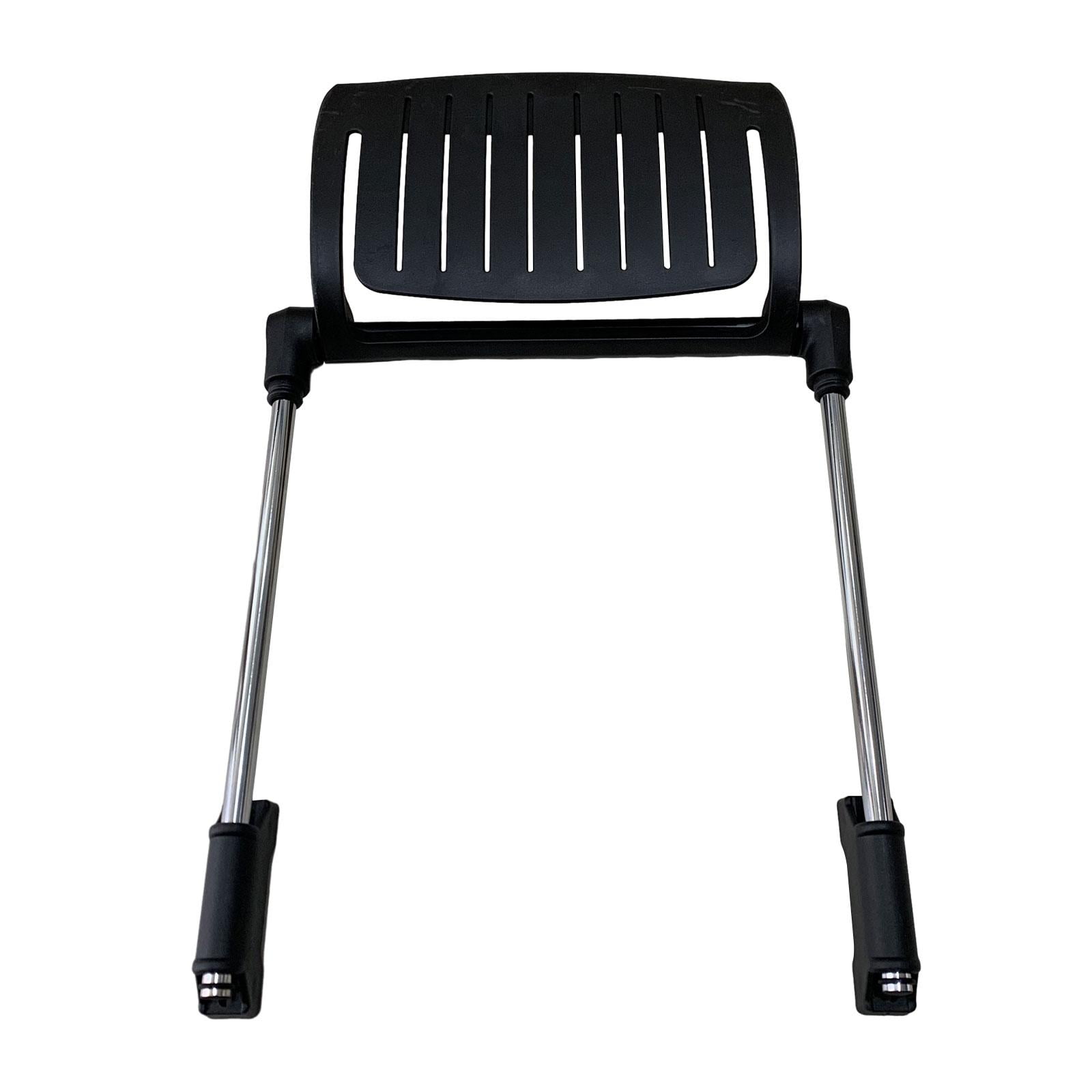
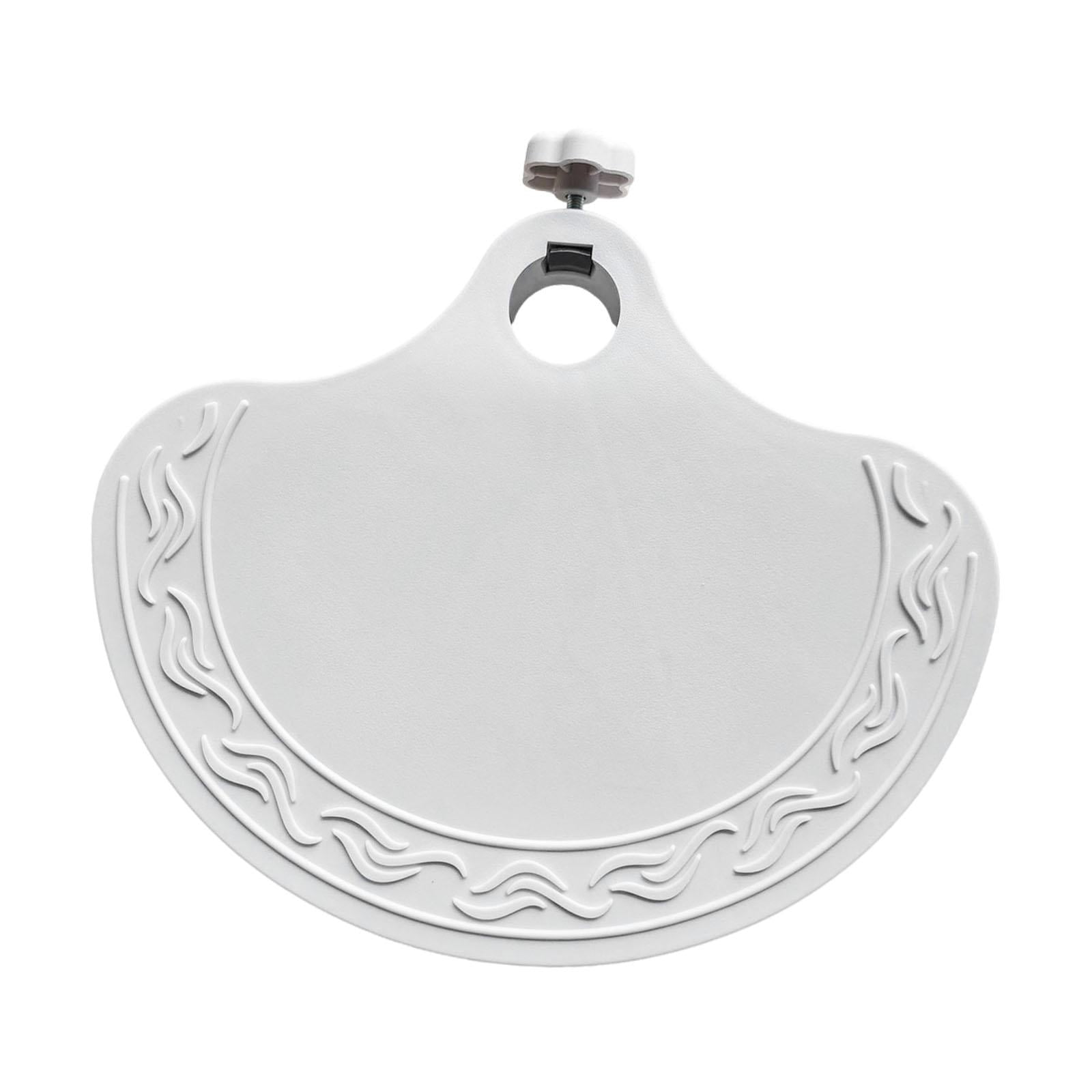
This type offers a rigid platform, usually made of plastic or wood, that attaches to the chair base. Your feet rest on a solid surface. Some are adjustable in angle, allowing you to tilt the platform forward or backward.
- Best for: Individuals who prefer a firm, stable place to plant their feet, similar to the floor. Ideal for those who need to maintain a very static posture for tasks requiring high precision.
- Pros: Extremely stable, durable, and provides a consistent reference point for your feet. Some models offer angle adjustment for customized comfort.
- Cons: Less forgiving for fidgeters; doesn't conform to the shape of your feet.
3. The Adjustable Angle/Articulating Footrest
This is a hybrid or advanced version of the platform footrest. It features a mechanism that allows the footplate to pivot or rock, giving you the stability of a platform with a range of motion.
- Best for: People who want the best of both worlds—stability when they need it, and the ability to flex their ankles and shift their feet to promote circulation.
- Pros: Versatile, promotes ankle mobility, excellent for rehabilitation or preventing stiffness.
- Cons: Often more expensive and slightly heavier than simpler models.
Quick Comparison: Footrest Types at a Glance
| Type | Stability | Movement Allowed | Best User Profile |
|---|---|---|---|
| Foot Hammock | Moderate (cradles feet) | High (rocks, shifts) | The fidgeter, the sock-lover |
| Platform | High (solid) | Low (static) | The posture purist, the stable-sitter |
| Articulating | High (with motion) | Moderate (ankle flex) | The ergo-enthusiast, the rehab user |
Key Features to Look for When Buying
Before you click 'add to cart', consider these crucial aspects to ensure you get a footrest that lasts and truly fits your needs.
Attachment Mechanism
Ensure the clamp fits your chair's gas lift cylinder. Most fit standard sizes, but check the diameter range (usually 1.5 to 2.5 inches). A secure, non-slip grip is vital for safety.
Adjustability
Height adjustability is key. You need to position the footrest so your knees are at a 90° angle. Angle adjustment is a premium feature that adds another layer of customization.
Material & Durability
Look for a sturdy steel or aluminum frame. For hammocks, the fabric should be breathable (like mesh) and double-stitched for strength. For platforms, a non-slip surface is a must.
Weight Capacity
Always check the maximum weight limit. A quality footrest should comfortably hold your leg weight, typically 50-100 lbs. A higher capacity usually indicates better build quality.
Ergonomics 101: The Science of Foot Support
The concept is simple but powerful. Ergonomics isn't just about your back; it's a connected chain from your head to your feet. Your feet are the foundation. When they are unsupported, your body compensates. You might hook your feet around your chair wheels, tuck them under the seat, or constantly shift your weight. These compensatory movements create muscle tension and fatigue over time. An attachable footrest provides a stable base, allowing your hips, knees, and ankles to align correctly. This neutral alignment reduces the overall muscular effort required to sit, freeing up energy for your brain to focus on work.
Installation and Setup: Easier Than You Think
Most attachable footrests are designed for tool-free installation. The process is typically a 2-minute job:
- Locate the cylinder: Identify the metal gas lift cylinder between your chair's seat and the wheel base.
- Open the clamp: Loosen the clamp mechanism on the footrest.
- Attach and tighten: Place the clamp around the cylinder at your desired height and tighten it securely by hand. Most use a large, easy-to-turn knob.
- Adjust the footplate: Swivel the footplate into position under your feet. Some models allow you to adjust the angle of the plate as well.
- Test and fine-tune: Sit in your chair and place your feet on the rest. Adjust the height up or down until your thighs are parallel to the floor and your knees are bent at a 90-degree angle.
That's it. You're now set for a more comfortable and healthier workday.
Maintenance and Care Tips
To ensure your footrest provides years of service, a little care goes a long way.
- Check the clamp: Every few months, ensure the clamp is still tight, as vibrations from rolling can sometimes loosen it.
- Clean the fabric/platform: Wipe down the footrest with a damp cloth. For fabric hammocks, mild soap and water can be used. Avoid harsh chemicals.
- Inspect for wear: Look for any signs of fraying on fabric straps or cracks on plastic components. Replace if you see any structural issues.
Frequently Asked Questions About Attachable Footrests
Conclusion: A Small Addition with a Big Impact
An attachable footrest for an office chair is one of the most cost-effective and impactful ergonomic upgrades you can make. It's a testament to the idea that comfort isn't about grand gestures, but about the small, precise adjustments that make your body feel supported and at ease. By completing your seated posture's foundation, it pays dividends in comfort, focus, and long-term joint health.
Summary: Your Ideal Footrest Match
Choose a foot hammock. Its gentle cradle and allowance for movement will keep your legs subtly engaged and comfortable.
Opt for a platform footrest. Its solid surface provides a dependable base for a fixed, stable posture.
Invest in an articulating footrest. You'll get the stability you need with the added benefit of promoting ankle mobility.
Whichever type you choose, your legs, back, and overall productivity will thank you. Explore the options above to find the perfect attachable footrest for your workspace.