
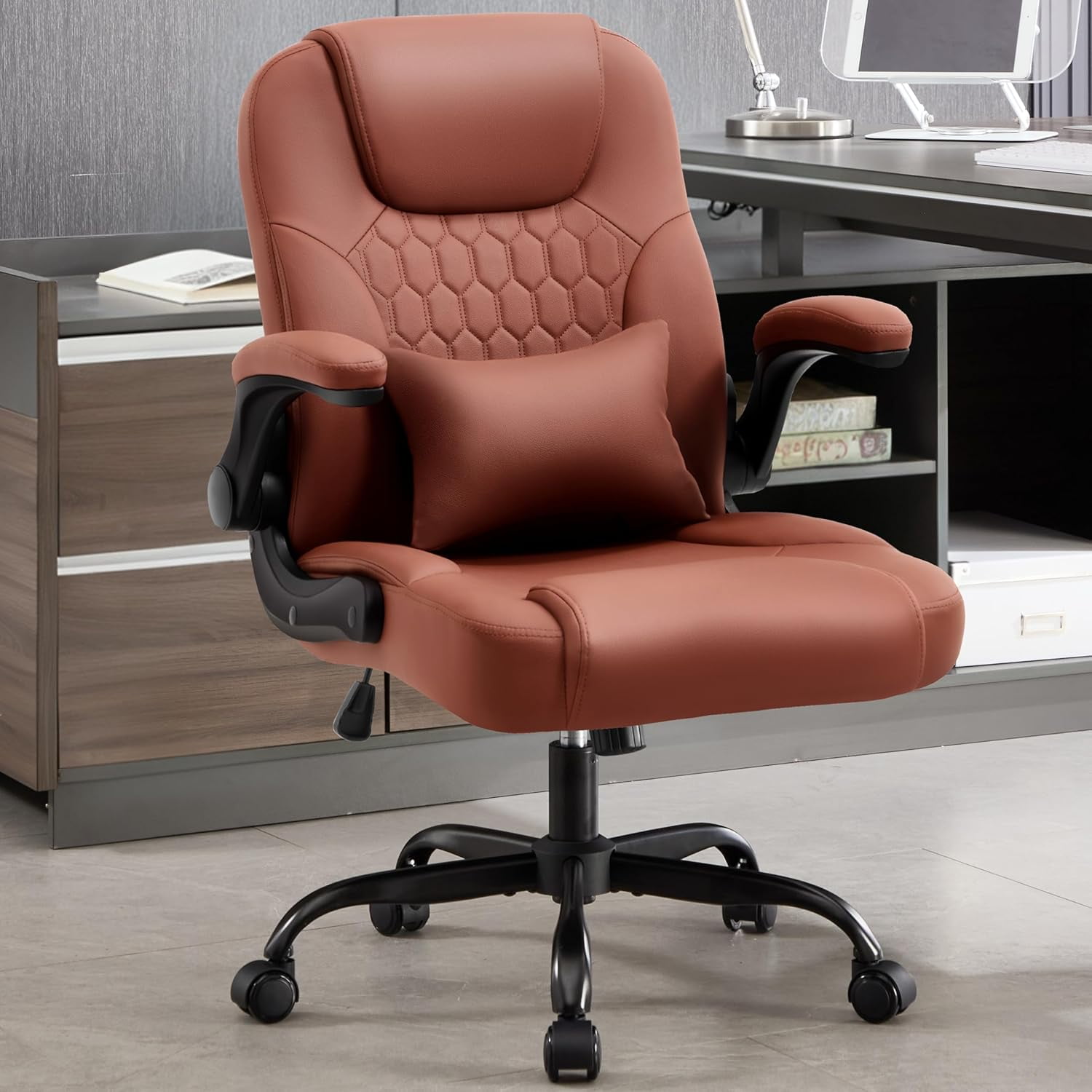
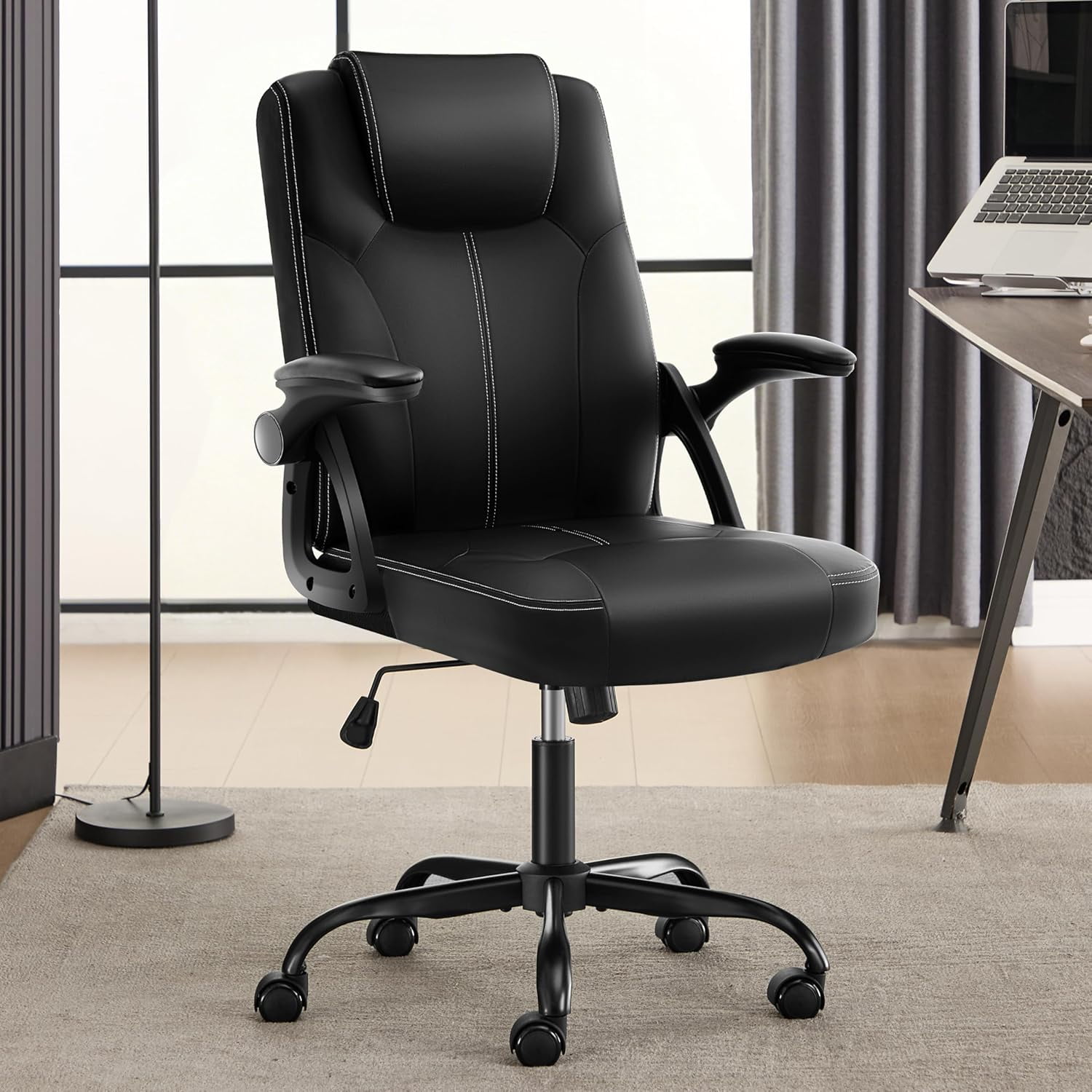
Finding the Perfect Fit: More Than Just a Chair
Finding a quality fat people office chair isn't just about finding a seat that fits—it's about investing in your long-term health, daily comfort, and professional confidence. For plus-size individuals, a standard office chair can feel like a game of chance: will the arms dig into my hips? Will the base wobble after a few months? Will the seat cushion flatten to nothing? The truth is, a chair that isn't designed for your body type can lead to poor posture, back pain, and a constant feeling of instability.
Just like a tailored suit fits better than off-the-rack, a heavy-duty chair is engineered specifically for broader frames and higher weight loads. According to ergonomic studies, a properly fitted chair can reduce spinal pressure by up to 35% and improve circulation, which is crucial for anyone spending long hours at a desk. This guide will walk you through everything you need to know, from the nuts and bolts of construction to the specific features that make a chair truly supportive. We'll cut through the marketing jargon and help you find a chair that feels like it was built just for you.
The Anatomy of a Heavy-Duty Chair: What Makes It Different?
A chair built for heavier individuals isn't just a standard chair with a few extra screws. It's a completely different piece of engineering. Let's break down the critical components that separate a truly durable chair from one that will fail prematurely. Think of it like comparing a compact car to a heavy-duty truck; the frame, suspension, and tires are all built to handle a different class of load.
1. The Skeleton: Frame and Base
The foundation of any good heavy-duty chair is its frame. You should look for chairs explicitly stating they use a heavy-gauge steel frame or reinforced metal construction. This is non-negotiable. A plastic or thin metal frame is the first thing to crack under sustained pressure.
- Base Diameter Matters: A standard chair base might be 25 inches wide. For a 400+ lb capacity chair, look for a base that is at least 28 to 30 inches in diameter. This wider stance provides a much lower center of gravity and prevents tipping.
- Material of the Base: Nylon bases are common, but for the highest weight capacities, you'll want a polished aluminum or steel base. These materials won't bend or stress over time.
- The Gas Lift Cylinder: This is a common failure point. Don't just look at the chair's total weight capacity; some manufacturers list the cylinder's rating separately. A Class 4 or 5 gas lift is the industry standard for heavy-duty applications. It's the hydraulic heart of the chair, and a weak one will sink or fail dangerously.
2. The Seat: Width, Depth, and Cushioning
Comfort starts with the seat pan. For a fat people office chair, the seat needs to be both wider and often deeper to properly support the thighs.
- Measure Your Seat Width: Sit on a flat surface and measure from the widest point of one hip to the other. Add 2-3 inches for comfort. This is your minimum seat width. Look for chairs with a seat width of 22 inches or more.
- Check Seat Depth: You should be able to sit back against the backrest with 2-4 fingers of space between the back of your knee and the edge of the seat. Look for chairs with adjustable seat depth, a crucial feature for proper circulation.
- Cushion Density (IFD): Forget "plush." You need high-density foam. Look for terms like "high-resiliency foam" or "cold-cured foam." These cushions have a higher Indentation Force Deflection (IFD), meaning they resist bottoming out and maintain their shape for years.
3. The Backrest: Tall, Wide, and Supportive
The backrest on a heavy-duty chair must accommodate a broader back and often a taller frame. A standard backrest might end mid-back, offering little to no shoulder support.
- High-Back Design: Opt for a high-back chair that supports the entire spine, including the upper back and shoulders. This promotes better posture.
- Reinforced Lumbar Support: Many plus-size chairs feature adjustable lumbar support that is also wider. This ensures the curve of the support aligns with your spine, not just the center of the chair.
- Material Choices: You'll find either mesh or leather/upholstery. Mesh is excellent for breathability and conforms to your shape. Premium bonded leather or fabric offers a more executive look but ensure it's high-grade and not thin material that will crack or tear.
4. Armrests: The Often-Forgotten Support
Armrests on standard chairs are often too narrow, forcing your arms into an awkward position. For larger users, this is a major comfort issue.
- Width Adjustability: Look for chairs with armrests that can slide left or right (sometimes called "width-adjustable" or "4D" arms). This lets you set them to the perfect width for your shoulders.
- Reinforced Construction: Armrests take a lot of leverage force. Ensure they are attached to the frame with metal brackets, not just plastic clips that can snap.
Engineering Insight: Think of the stress on a chair like the stress on a bridge. A bridge designed for cars (standard chair) will fail under the weight of trucks. Heavy-duty chairs use principles of force distribution—wider bases, thicker steel, and larger contact points—to safely distribute the load. This is why a well-built 500 lb capacity chair feels solid as a rock.
Your Step-by-Step Selection Strategy
Armed with the knowledge of what makes these chairs tick, here's a practical roadmap to choosing your perfect match. Don't just buy the first "big and tall" chair you see; follow this process.
Step 1: Decode the Specifications
Manufacturers list "weight capacity," but dig deeper. Look for the phrase "tested to BIFMA standards." BIFMA (Business and Institutional Furniture Manufacturers Association) sets industry standards for safety and durability. A BIFMA-certified chair for 400 lbs has been rigorously tested.
Step 2: Match the Chair to Your Work Style
- The 9-to-5 Desk Worker: Prioritize seat comfort, adjustable lumbar, and breathable material. You'll be in it all day, so features like seat depth adjustment and tilt tension are vital.
- The Executive/Manager: You need a commanding presence. Look for high-back leather or bonded leather chairs with polished aluminum bases. They convey authority while providing the necessary support.
- The Gamer or Multi-tasker: Look for chairs with a high back, included headrest, and a more aggressive recline feature. Many gaming-style heavy-duty chairs offer robust adjustability.
- The Home Office User: Balance comfort with aesthetics. A chair with a mesh back and a fabric or faux leather seat can look great and feel cool.
Step 3: The "20-Minute Test"
If possible, try before you buy. Sit in the chair for at least 20 minutes. Move around. Lean back. Type at a mock desk. Pay attention to pressure points on your thighs, hips, and back. Does the lumbar support hit the right spot? Can you easily reach the adjustment levers?
Debunking Common Myths About Plus-Size Office Chairs
Myth 1: "They all look like oversized tractor seats."
False. Modern design has caught up. Brands now offer sleek, modern, and executive styles that are indistinguishable from high-end standard chairs—until you sit down and feel the rock-solid stability. You don't have to sacrifice your office aesthetic for comfort.
Myth 2: "Heavier means harder and uncomfortable."
Not true. While the foam is denser, it's engineered for comfort. High-density foam provides a supportive "lift" rather than a mushy sink. It contours to your body without collapsing, which is actually more comfortable in the long run as it prevents the "hammock effect" that cuts off circulation.
Myth 3: "I can just buy a standard chair and it will be fine."
This is like buying shoes two sizes too small and hoping they stretch. A standard chair's mechanisms aren't designed for the torque and pressure, leading to premature failure—and potential injury. The gas cylinder could blow, or the base could crack. Investing in a chair designed for your weight is a safety issue, not just a comfort one.
Once you've chosen your sturdy chair, protecting your floor is also key. A high-quality office chair roller mat will not only protect your carpet or hardwood but also allow for easy movement on those reinforced casters.
Frequently Asked Questions: Fat People Office Chairs
Final Verdict: Your Chair, Your Foundation
Choosing the right fat people office chair is one of the most important investments you can make for your work life. It's the foundation upon which your daily productivity and physical well-being are built. By focusing on the core components—a steel frame, a wide base, a high-density seat, and robust adjustability—you move beyond simply "fitting" in a chair to truly being supported by it.
Remember, a good chair isn't a luxury; it's a tool. It's the difference between ending your workday feeling drained and achy versus feeling ready for the evening ahead. Use the information in this guide to cut through the noise, find a chair that respects your body's needs, and build a workspace where you can thrive. The right chair is out there, and it's built to last.