
The Anatomy of True Lumbar Support: What Sets Executive Chairs Apart
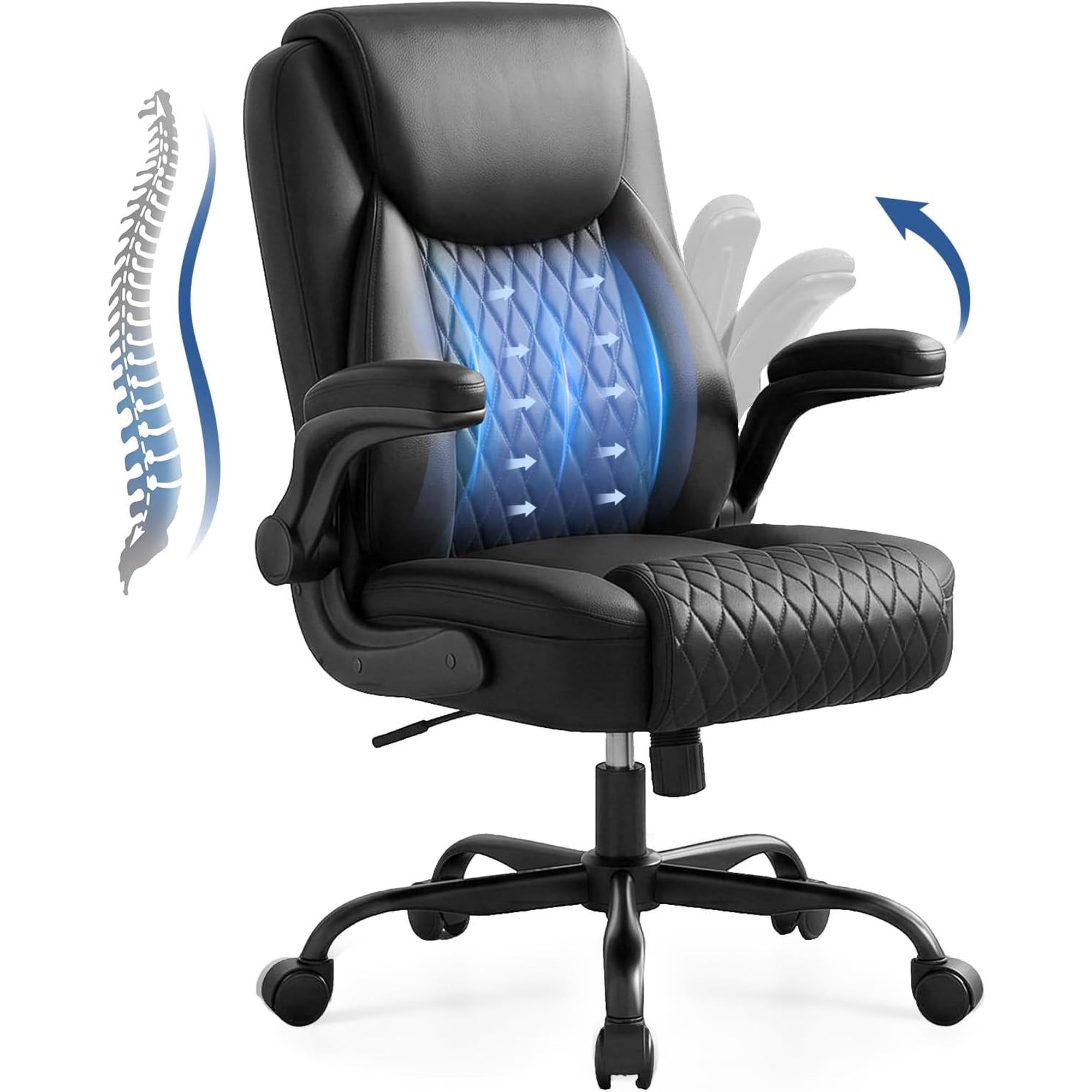
Imagine wearing a perfectly tailored suit – it supports you, moves with you, and makes you feel confident. An executive office chair with dedicated lumbar support should feel exactly like that. Unlike generic chairs that offer a flat or one-size-fits-all backrest, premium lumbar-focused chairs are designed around the spine's natural S-curve. They don't just fill space behind you; they actively cradle the lumbar region, reducing pressure on intervertebral discs by as much as 30% according to research published in the journal Spine. For executives who spend 40+ hours a week at their desks, this isn't just comfort – it's a long‑term health investment.
The "Goldilocks" Zone: Why Adjustable Lumbar Depth Matters
Most people know they need lumbar support, but few realize that depth adjustment is the secret sauce. A support that's too shallow does nothing; too deep pushes you forward unnaturally. In a true executive-grade chair, you should be able to crank the lumbar pad in or out, often via a paddle or wheel, to match exactly how much curve your back needs. This is the difference between a $300 chair and a $1,500 chair. Look for terms like "3D lumbar" or "articulating lumbar" – these allow you to customize not just height but also the intensity of the push against your back.
Five Signs Your Current Executive Chair Is Failing Your Lumbar Region
- You slouch forward within an hour – the backrest is too straight or the lumbar pad is missing.
- You feel a gap between your lower back and the chair – the lumbar curve doesn't match yours.
- You constantly shift or place a pillow behind you – your body is desperately seeking support.
- You experience numbness or tingling in legs – poor lumbar support can tilt the pelvis and compress nerves.
- The chair back is too short – proper lumbar needs a back height that reaches at least your shoulder blades to maintain leverage.
Beyond the Curve: Integrated Lumbar Technologies in Modern Executive Chairs
Today's leading manufacturers treat lumbar support as a science, not an afterthought. Let's explore three cutting-edge approaches you'll encounter while shopping for your next chair.
1. Dynamic Air Lumbar Systems
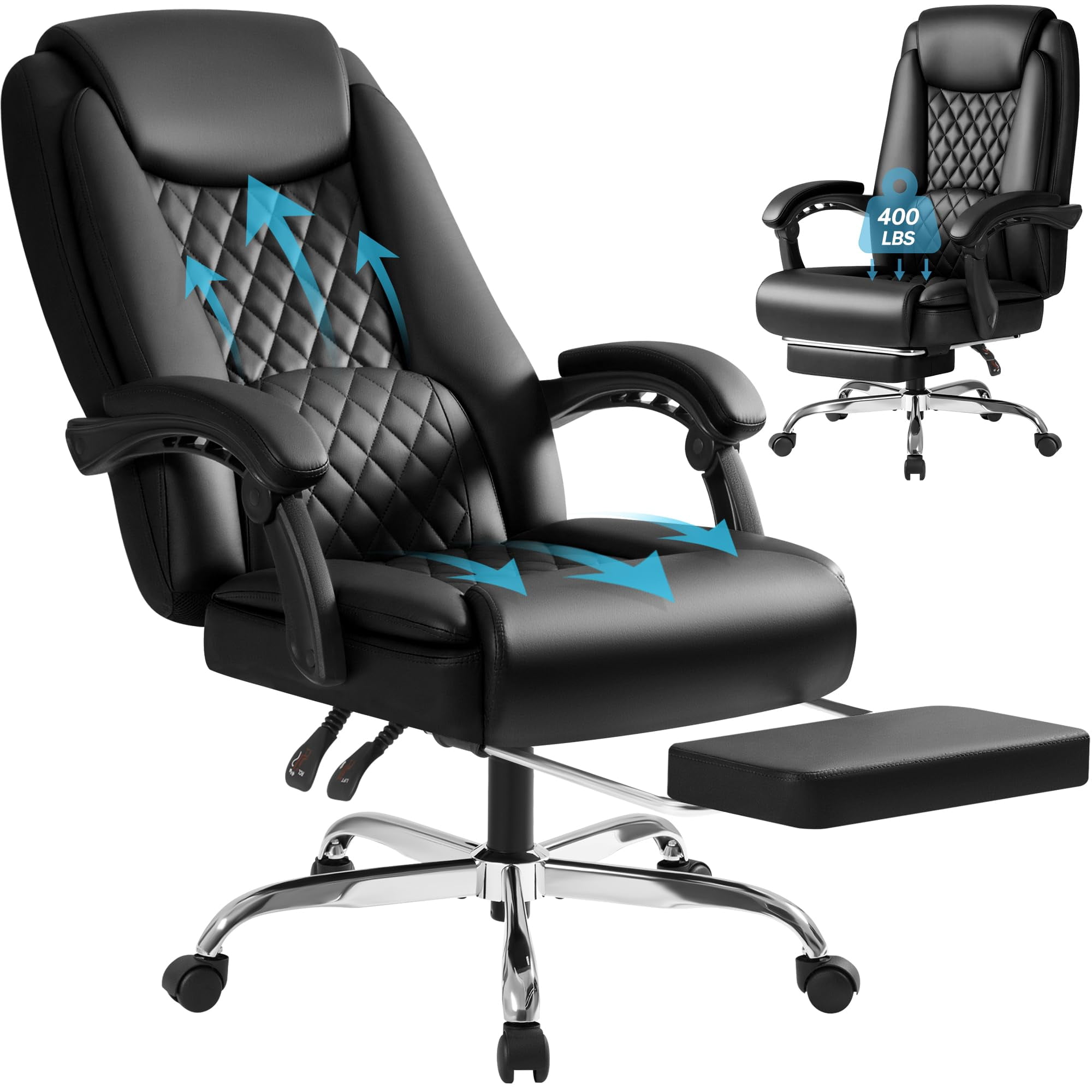
Inspired by high‑end automotive seats, some executive chairs now feature air bladders integrated into the backrest. Using a hand pump or electric control, you inflate or deflate specific zones. This allows micro‑adjustments during the day – a little more support during intense work, a little less when reclining. The Herman Miller Aeron (though mesh) popularized this, but several leather executive chairs have adopted similar tech.
2. Dual‑Zone Lumbar (Thoracic + Lumbar)
Your spine has two natural curves: the lumbar curve (lower) and the thoracic curve (mid‑back). Premium chairs now separate these supports. A lower lumbar pad handles the heavy lifting, while a separate upper back rest promotes shoulder alignment. This is a game‑changer for executives who also experience upper back tension from computer work.
3. Memory Foam Contoured Lumbar
Not all high‑tech needs moving parts. Many luxury chairs use layers of high‑density memory foam sculpted into a "lumbar hump" that warms to your body shape over 15 minutes. Brands like Steelcase and La‑Z‑Boy executive series use this approach – it's low‑maintenance and silently effective.
Executive Insight: A 2022 survey by the American Chiropractic Association found that 68% of C‑suite executives who switched to a chair with advanced lumbar support reported a noticeable decrease in daily fatigue. Think of lumbar support as your silent co‑pilot.
Material & Lumbar: How Upholstery Affects Support Perception
Leather, mesh, and fabric interact differently with lumbar mechanisms. A common misconception is that a soft, cushiony chair provides great lumbar support. In reality, support firmness is key. Here's a quick breakdown:
| Material | Lumbar Support Characteristic | Best Executive Use Case |
|---|---|---|
| Top‑grain leather | Firm, contours slowly; often paired with dense foam lumbar pads. | Traditional corner office, client meetings – conveys authority. |
| Premium mesh | Tension‑based; lumbar often a separate adjustable plastic/fabric pod. | Modern, tech‑forward executives; hot climates; all‑day breathability. |
| Fabric / wool blend | Medium firm; allows for complex zoned foam lumbar inserts. | Creative agencies, relaxed dress code – offers warmth and custom colors. |
Step‑by‑Step: How to Test Lumbar Support Before You Buy (Even Online)
- Measure your own lumbar curve. Stand against a wall, have someone mark the point where your lower back curves inward – that's your lumbar apex height (usually 6‑9 inches above the seat).
- Check chair specifications. Look for "lumbar height adjustable range" – it should cover your measurement.
- Simulate a sitting trial. If buying online, sit in a similar chair at a store to feel the pressure. Many brands have generous returns – use them.
- The "wallet test". Sit for 10 minutes – if you feel pressure on your backside or a need to arch away, the lumbar is too aggressive.
- Recline while engaged. Lumbar should stay with you, not gap away, when you lean back. This tests the chair's synchro mechanism.
Quick Stats: Lumbar Support & Executive Performance
- • 43% increase in concentration when discomfort is eliminated (source: Ergo‑Human metrics).
- • $1,500 average investment in a high‑end lumbar chair – amortized over 10 years, that's $0.41 per workday.
- • 90% of ergonomic specialists recommend chairs with independent lumbar adjustment over fixed backs.
Frequently Asked Questions – Executive Lumbar Support
Conclusion: Your Spine Deserves Executive Treatment
Choosing an executive office chair with dedicated, adjustable lumbar support is one of the most impactful decisions you can make for your career longevity. It's not about aesthetics alone – it's about sustaining the energy, focus, and physical well‑being required to lead effectively. Whether you prefer the rich embrace of leather or the breathable agility of mesh, prioritize chairs that let you fine‑tune the lumbar region. Your back will thank you today, and a decade from now.