
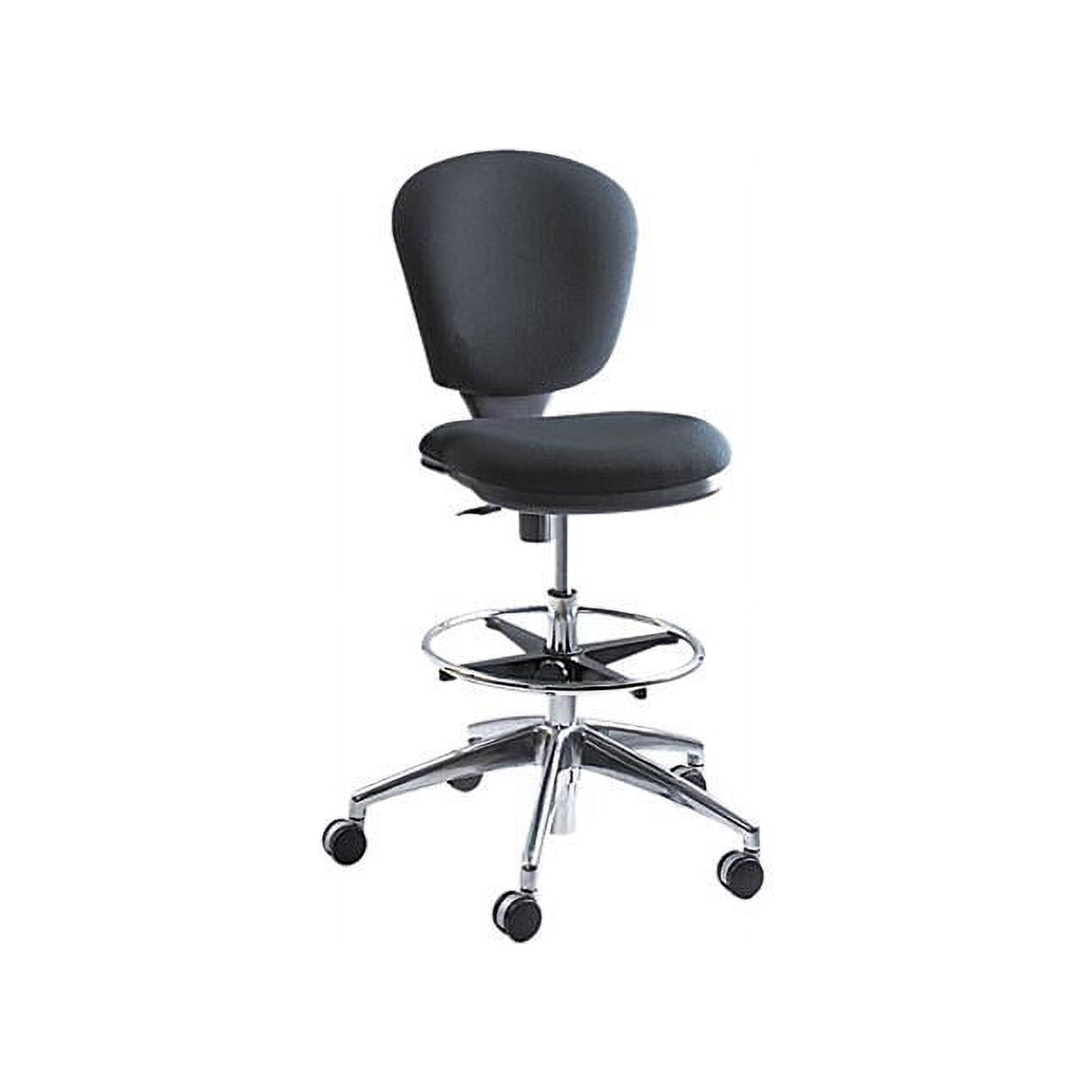
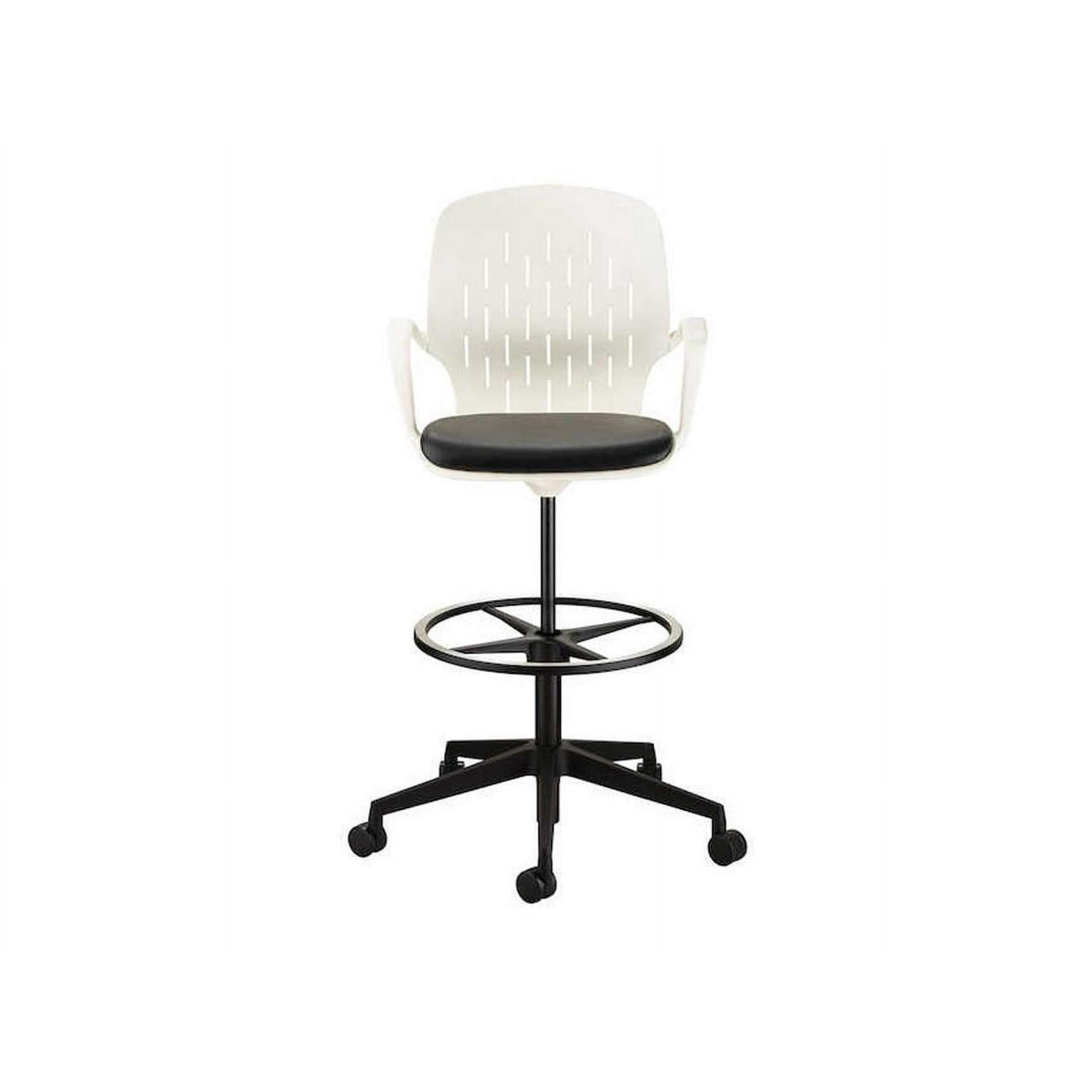
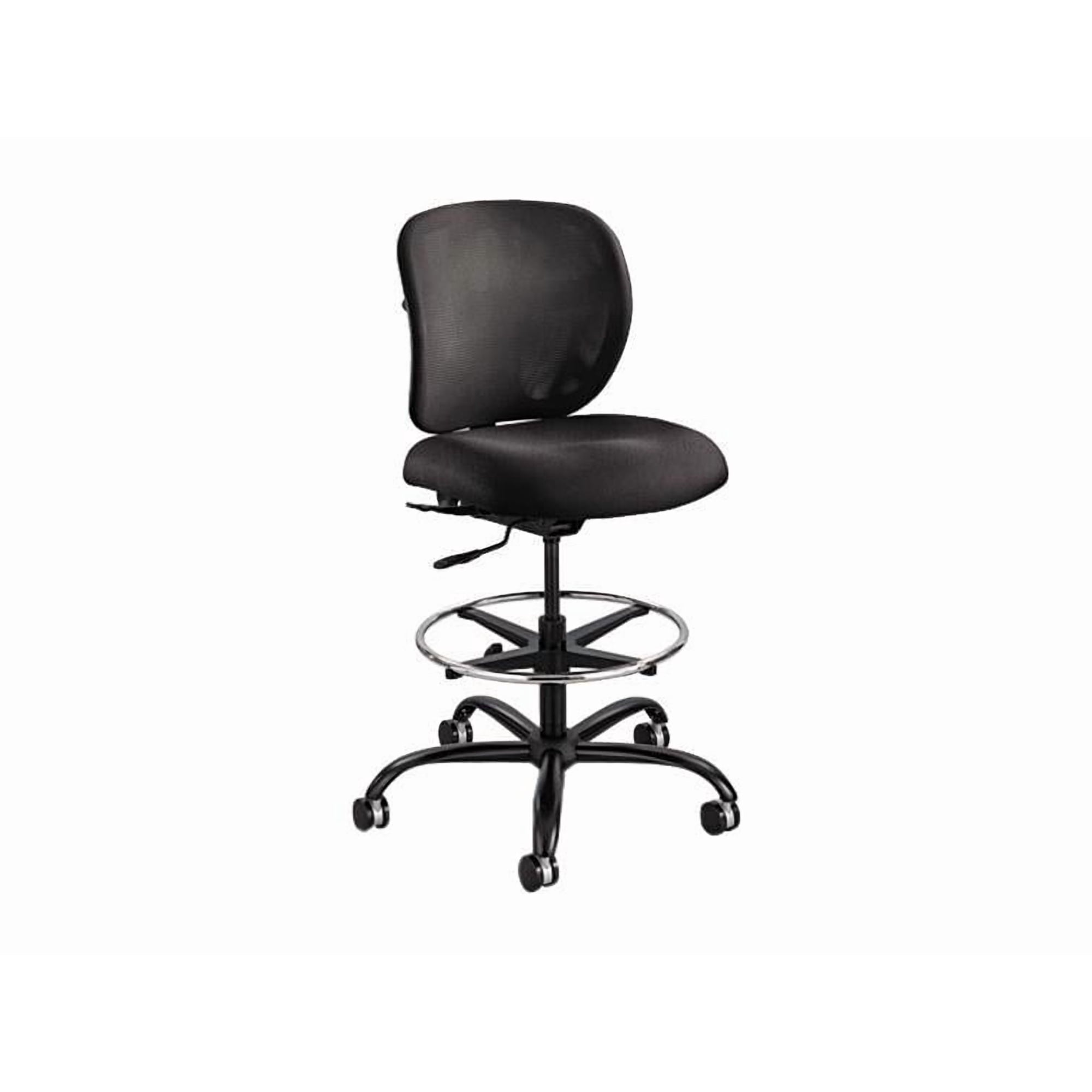
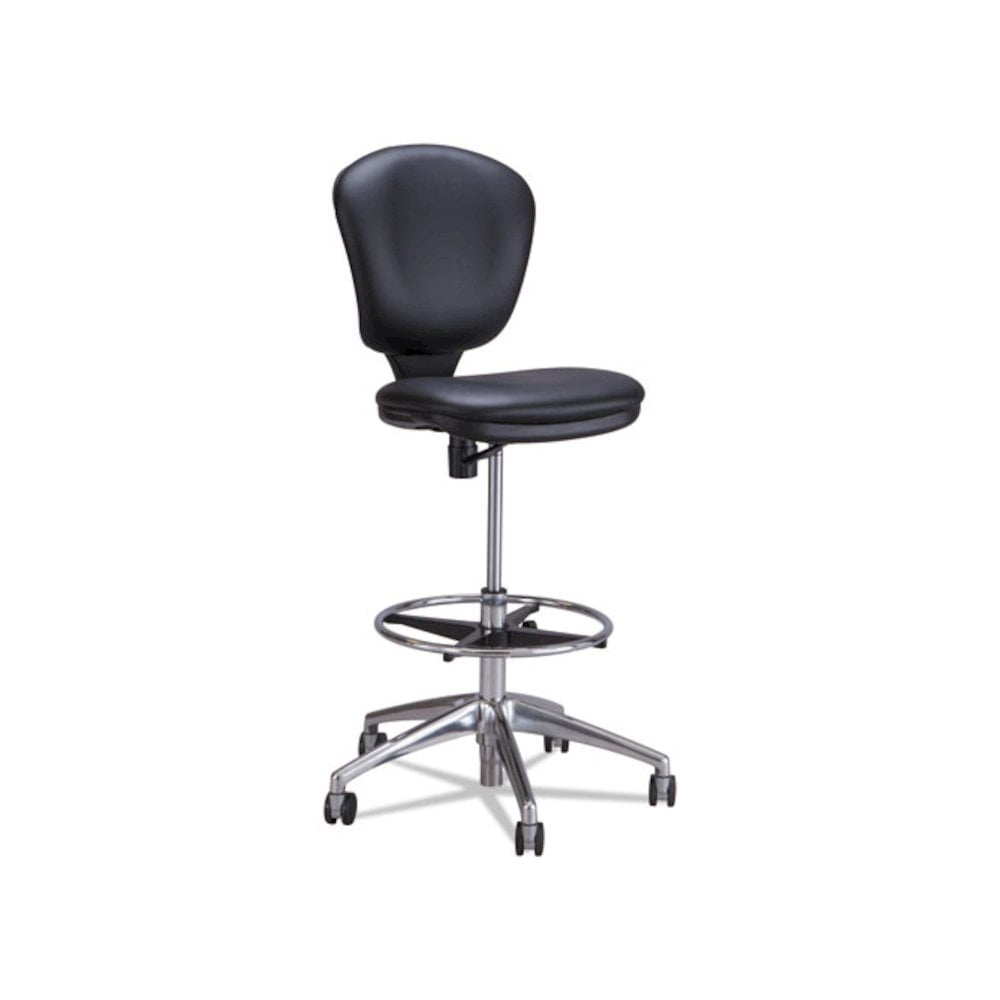
Why an Extended Height Office Chair Changes Everything
If you are tall, or if you've recently switched to a standing desk, you know the struggle: standard office chairs simply don't go high enough. Sitting on a chair that's too low forces your knees above your hips, compresses your spine, and leads to nagging back and neck pain. An extended height office chair solves this with a longer gas cylinder, allowing the seat pan to rise to levels that accommodate taller statures and counter-height desks.
Ergonomic Fact: According to research from the Human Factors and Ergonomics Society, a seat that is too low can increase disc pressure by up to 30%. Extended height chairs restore the critical 90-90-90 posture (ankles, knees, and hips at right angles) for users over 6 feet tall.
Who Needs an Extended Height Chair?
- The Tall Executive: Individuals 6'2" and above who need a seat height of 22"–28" to keep their thighs parallel to the floor.
- The Standing Desk User: Those who use adjustable desks and want a drafting/stool-style chair for active sitting and perching.
- Long-Limbed Professionals: People with longer torsos who require higher backrests and adjustable lumbar that moves up with them.
- Industrial or Lab Settings: Workstations with higher counters often demand chairs with extended cylinders and foot rings.
Anatomy of a Quality Extended Height Chair
Not all "tall" chairs are created equal. A truly functional extended height office chair integrates several engineering upgrades:
| Component | Standard Chair | Extended Height Chair |
|---|---|---|
| Gas Lift (Pneumatic Cylinder) | Class 2 or 3, 4"-6" lift | Class 4 or 5, 7"-11" lift, heavy-duty |
| Base Diameter | 25"-26" | 28"-30" (for stability at height) |
| Backrest Height | 20"-22" | 26"-32" (supports shoulders and neck) |
| Seat Depth | 17"-19" | 19"-21" (supports longer femurs) |
Health Benefits of Proper Fit
Spinal Alignment
Maintains natural S-curve, reducing lower back stress.
Improved Circulation
Correct seat height prevents pressure behind the knees.
Reduced Shoulder Tension
Higher backrests support the entire back, relaxing shoulders.
Better Ergonomics for Standing Desks
Easily switch between sitting and perching, promoting movement.
Standing Desk Compatibility: The "Active Sitting" Advantage
Extended height chairs are the perfect companion for a sit-stand workstation. Instead of lowering your desk to sitting height, you simply raise the chair to meet the desk at standing height. This is often called "perching." It keeps you at eye level with your monitor while taking the load off your feet. Many extended chairs also feature a foot ring, allowing you to rest your feet comfortably when perched.
Material & Construction: Built to Last at Any Height
Because extended height chairs undergo different stress forces—especially leverage when raised high—material choice is crucial for durability and safety.
Frame & Base Materials
Aluminum Base
- Pros: Lightweight, rust-proof, modern look, excellent strength-to-weight ratio. Ideal for high-end extended chairs.
- Cons: Higher cost, can dent under extreme impact.
Nylon/Composite Base
- Pros: Cost-effective, won't scratch floors, good for moderate weight capacities (up to 300 lbs).
- Cons: Can fatigue over time; for heavy-duty extended height, reinforced nylon is a must.
Steel Base
- Pros: Maximum strength and stability, often found in 400+ lb capacity chairs.
- Cons: Heavy, can rust if coating is damaged.
Upholstery: Breathability & Support
- High-Density Foam: Look for foam with a density of 2.5 lbs or higher. It resists sagging, which is critical when the seat is subjected to higher leverage forces.
- Mesh: Ideal for tall backs as it promotes airflow and conforms to the spine. Great for users who tend to run warm.
- Leather/Faux Leather: Provides a premium look. Ensure it's top-grain or high-grade PU with reinforced stitching at stress points.
Extended Height Chair Use-Case Matrix
| Primary Use | Recommended Min/Max Height | Key Feature | Material Focus |
|---|---|---|---|
| Tall User (>6'4") | 20" – 28" | Extra deep seat, high back, adjustable lumbar | Breathable mesh or plush foam |
| Standing Desk (Perching) | 24" – 32" | Foot ring, waterfall edge, stable base | Durable fabric or leather |
| Industrial/Lab | 22" – 30" | Easy-clean upholstery, foot ring, casters | Vinyl or polyurethane |
| Executive / Manager | 19" – 26" | High-back, headrest, polished aluminum | Premium leather |
Your 4-Step Guide to the Perfect Extended Height Chair
Step 1: Measure Your "Ideal Seat Height"
Sit on a firm surface with your feet flat. Measure from the floor to the crease behind your knee. This is your ideal seat height. Add 1-2 inches for shoe thickness. Look for a chair whose maximum seat height is at least this number.
Step 2: Check the Chair's Full Range
Don't just look at the max height. Ensure the chair's minimum height works for you too. If you share the chair, a wide adjustment range is critical. Example: 18" - 28" is a versatile range.
Step 3: Assess Backrest & Seat Depth
For tall users, a backrest should reach your shoulders. Measure from your seat to your shoulder top. You need a backrest at least that high. Seat depth: you should have 2-4 finger widths between the back of your knee and the seat edge.
Step 4: Verify Weight Capacity & Stability
A higher center of gravity requires a sturdier base. Look for a chair rated at least 300 lbs, even if you weigh less. A 28" base diameter is the gold standard for stability at full extension.
Frequently Asked Questions About Extended Height Office Chairs
Conclusion: Elevate Your Comfort, Literally
An extended height office chair is not just a niche product; it's an ergonomic necessity for a significant portion of the workforce. Whether you're tall, use a standing desk, or simply want the flexibility to adjust your chair to the perfect height, investing in a well-built model pays dividends in comfort and spinal health.
Final Recommendations
Prioritize seat depth and back height. Look for a chair with at least a 20" deep seat and a 28" high back. Adjustable lumbar is non-negotiable.
Focus on the gas lift range (at least 8" of travel) and a stable base. A foot ring adds significant comfort for perching positions.
Choose a model with a fully adjustable headrest and 4D armrests. This allows you to fine-tune the chair for both standard desk work and standing desk sessions.
Summary Recommendations by User Profile
| User Profile | Key Specifications | Typical Investment |
|---|---|---|
| Tall & Heavy Duty | Class 5 lift, 28" base, 450lb capacity, steel frame | $500 – $900 |
| Standing Desk Enthusiast | Foot ring, mesh back, pneumatic adjust, 24"-32" range | $300 – $600 |
| Executive Tall | Leather upholstery, high back, polished aluminum, headrest | $600 – $1200 |
Note: Prices are estimates. Always check current retailer listings.