
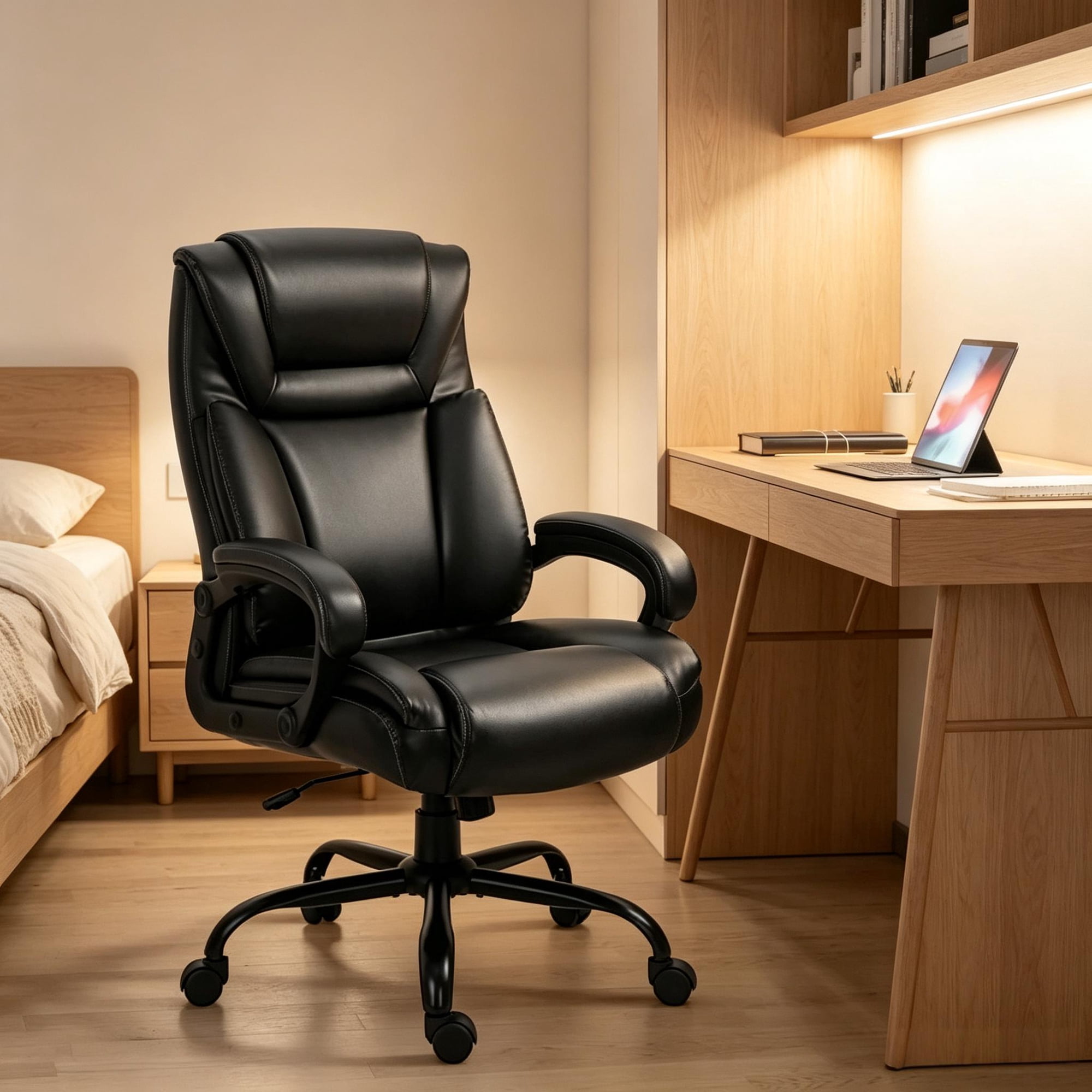
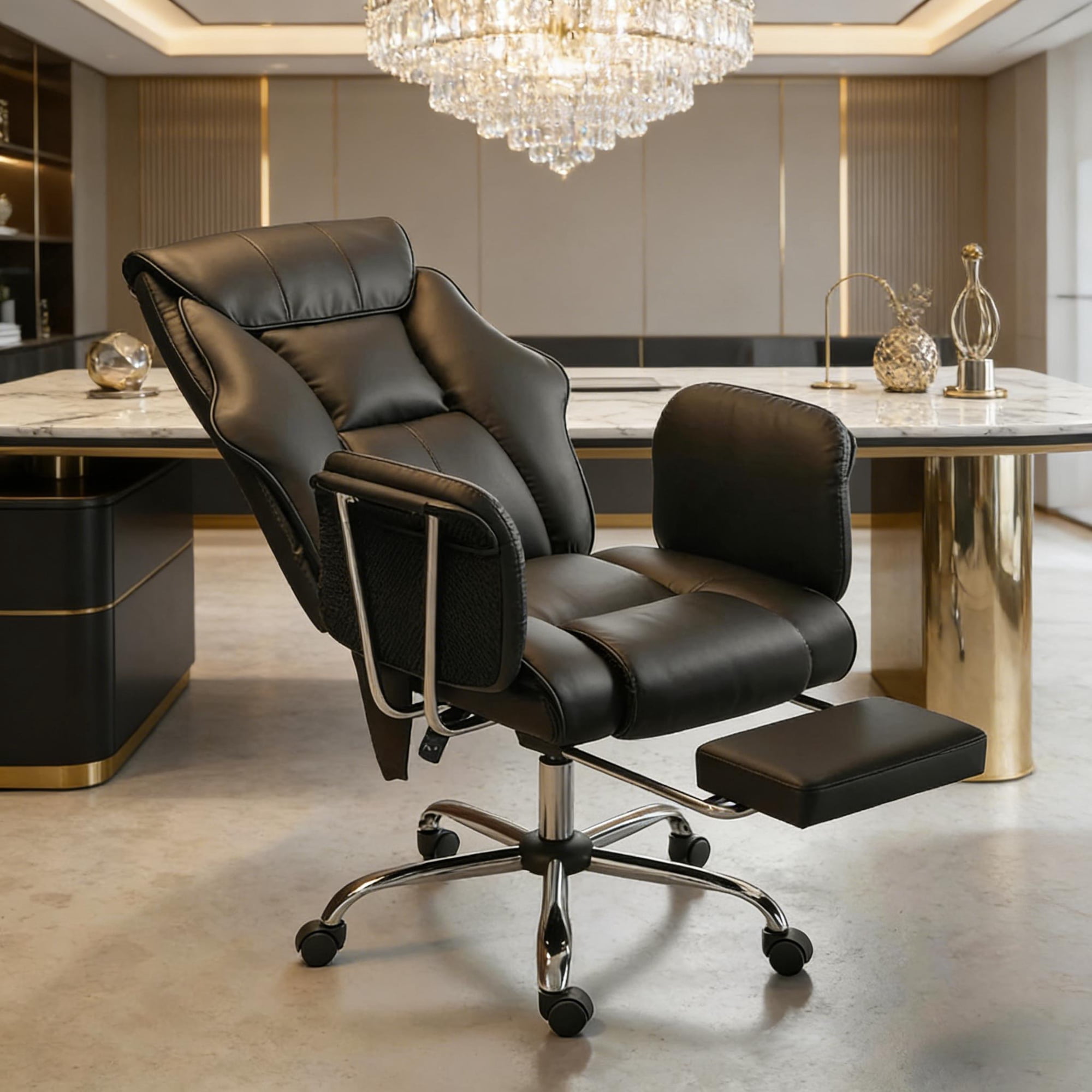
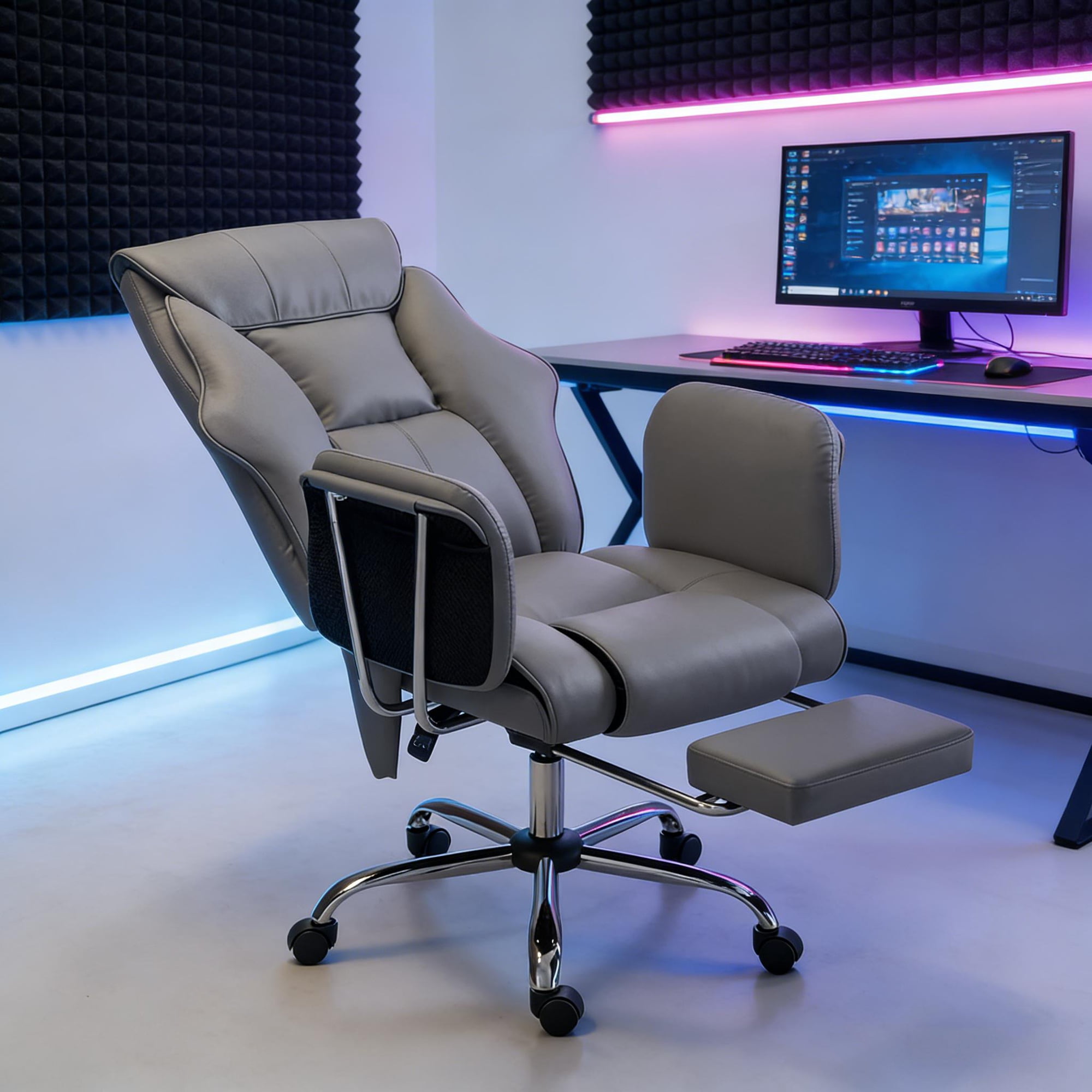
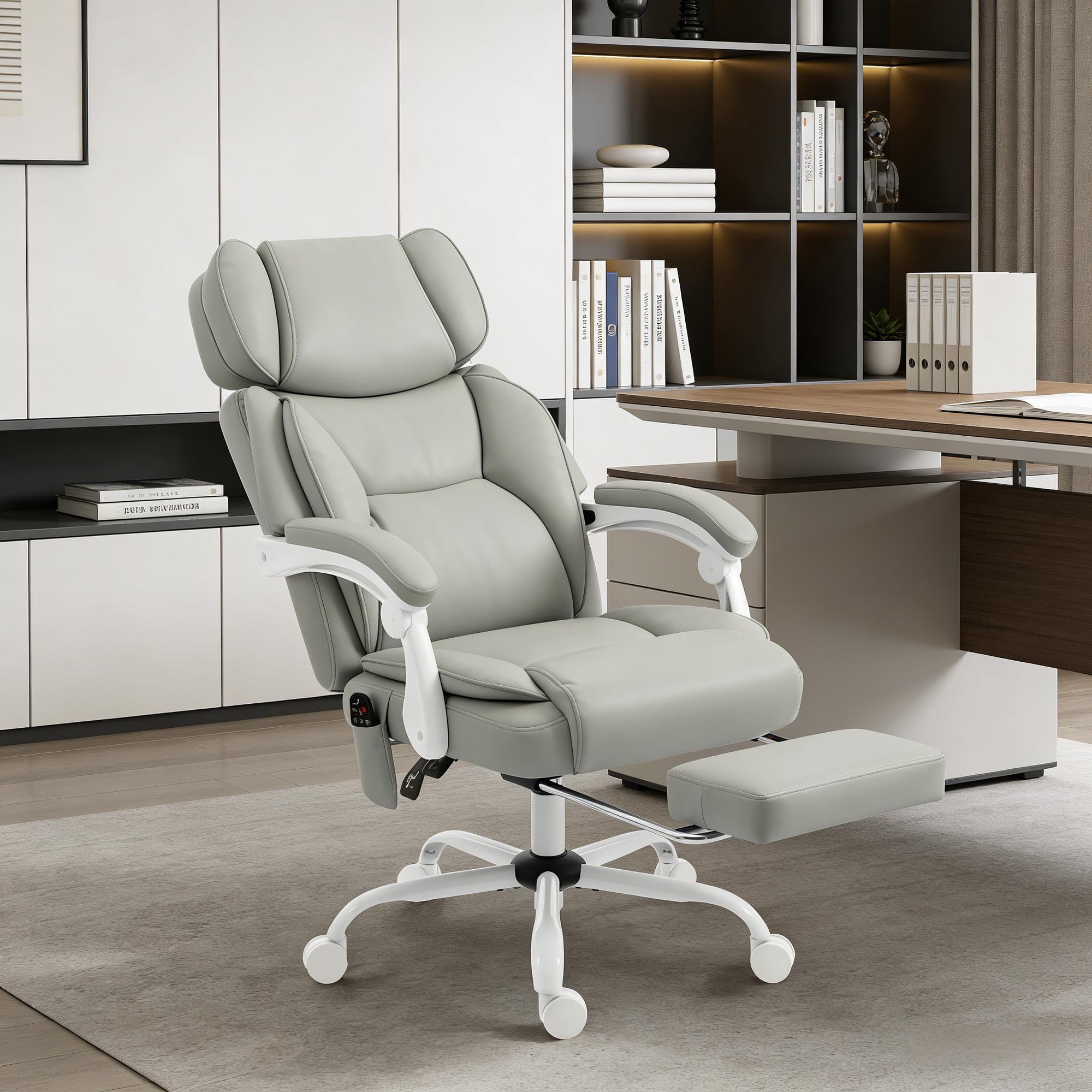
Why a High Rise Office Chair Changes Your Workday
Imagine a chair that grows with you—literally. The high rise office chair is not just a taller version of a standard task chair; it's a dynamic tool designed for the way we work today. With the rise of standing desks, professionals need seating that adapts instantly. A high rise chair lets you transition from sitting to perching to standing, all while maintaining ergonomic support. According to recent workplace studies, employees who use height-adjustable seating report 34% less lower back fatigue and 27% higher energy levels during afternoon slumps.
Industry data: The global standing desk market has grown by 42% since 2020. However, 68% of standing desk users still miss having a supportive chair nearby for quick breaks. A high rise office chair solves that exact problem.
Anatomy of a High Rise Chair: What Sets It Apart
Unlike conventional office chairs, a high rise model is built around an extended pneumatic cylinder. But the differences go deeper. Here are the critical components that define a quality high rise chair:
1. The Extended Gas Lift: The Backbone
The cylinder is the heart. Standard chairs offer a seat height range of roughly 16–21 inches. A true high rise chair starts at 20–22 inches and extends to 28–33 inches. Look for a Class 4 gas lift (certified by BIFMA or TÜV) for durability and smooth operation. A weaker lift can fail under pressure, especially at full extension.
2. Base Dimensions & Stability
Physics dictates that a higher center of gravity requires a wider stance. Premium high rise chairs feature a base diameter of 27 inches or more (standard is 25–26 inches). This prevents tipping. Materials matter too:
- Polished aluminum: Lightweight, corrosion-resistant, professional look.
- Nylon composite: Durable, cost-effective, often reinforced with glass fiber.
- Steel base: Maximum stability for heavy-duty applications, though heavier.
3. Footring: The Unsung Hero
When you're perched at standing height, your feet dangle. A footring (adjustable) provides a resting place, reducing pressure on thighs and improving circulation. Some chairs offer a fixed ring, but adjustable height and tilt are superior. Think of it as the footrest equivalent for tall seating.
4. Seat and Backrest Ergonomics
Height isn't everything. A high rise chair must still support your posture. Key features:
- Seat depth adjustment: Accommodates different leg lengths, especially important for taller users.
- Lumbar support: Should be height-adjustable to match the curve of your spine, regardless of seat height.
- Backrest height: High-back designs (22 inches or more) support the entire back and often include a headrest.
Who Needs a High Rise Office Chair? (And Who Doesn’t)
While versatile, these chairs aren't for everyone. Let's break it down with a quick persona guide:
How to Select the Perfect High Rise Chair: A 5-Step Framework
Use this methodical approach to avoid buyer's remorse. Your investment in a high-quality chair should last 7–10 years.
Step 1: Measure Your Desk and Your Body
Grab a tape measure. Note your desk height (standing and sitting positions). Measure your popliteal height (the distance from the floor to the back of your knee when standing straight). Your ideal seat height should be roughly 2 inches less than that measurement. For standing desks, you need a chair that reaches at least your elbow height when standing relaxed.
Step 2: Determine Required Seat Height Range
Look for explicit specs: "Seat height: 22" – 32"." Ensure the minimum is low enough for your seated desk work. If you're very tall, the maximum should allow a slight perch—your thighs sloping slightly downward is acceptable for short periods, but for extended use, aim for thighs parallel.
Step 3: Evaluate the Footring Design
Not all footrings are equal. Consider:
- Adjustability: Can you move it up/down independently?
- Shape: Full 360° ring vs. horseshoe shape. Full rings allow more foot positions.
- Padding: Some have a padded ring, others are bare metal. If you work barefoot or with socks, padding matters.
Step 4: Check Weight Capacity and Build Quality
Because of the extended lift, the mechanism endures more torque. Look for a chair rated at least 300 lbs for standard use; 400+ lbs for heavy-duty. The casters should be rated for your floor type (hardwood/carpet). Dual-wheel casters distribute weight better.
Step 5: Prioritize Lumbar and Tilt Features
A high rise chair often encourages perching—a slight forward tilt can help maintain an open hip angle. Look for tilt tension adjustment and a lockable recline. Lumbar should be aggressive enough to support you when sitting upright at height.
Material & Upholstery Choices for High Rise Chairs
The material affects comfort, maintenance, and longevity, especially since you might be sliding on and off the chair frequently. Here's a concise comparison tailored for elevated seating:
Mesh
- Breathable: Ideal for long active sits.
- Flexible support: Conforms without sagging (if quality).
- Lightweight: Easier to adjust height.
- Modern aesthetic: Fits contemporary offices.
Leather / Faux Leather
- Premium feel: Conveys executive presence.
- Easy wipe-clean: Good for shared workspaces.
- Durability: High-end leather lasts decades.
- Temperature: Can get sticky without breathable fabric.
For high rise chairs, breathability is often prioritized because you may be more active transitioning between heights. A combination of mesh back with a cushioned seat (fabric or leather) is a popular compromise.
Health Benefits Beyond Height
A well-chosen high rise chair contributes to overall wellness:
- Reduced hip flexion: When standing, perching at bar height keeps hips open, reducing psoas tightness.
- Improved circulation: The ability to change positions frequently prevents blood pooling in legs.
- Spinal disc pressure relief: Alternating between sitting, perching, and standing varies disc loading, which may reduce degeneration risk.
A study from the University of Waterloo found that participants using perching stools (similar to high rise chairs) reported 22% less discomfort in the lower back compared to those using standard chairs exclusively, even when standing periodically.
Frequently Asked Questions: High Rise Office Chairs
Conclusion & Final Takeaway
Investing in a high rise office chair is a strategic move for anyone using a standing desk or requiring extra height. It's not just about reaching the floor; it's about maintaining ergonomic integrity across all work positions. By focusing on the gas lift class, base stability, footring adjustability, and lumbar support, you'll find a chair that elevates both your posture and productivity. Remember to measure your space, test weight capacities, and choose materials that suit your work style. The right high rise chair will serve you for years, seamlessly blending with the rhythm of your dynamic workday.