
The New Standard: Reclining Office Chairs With Integrated Footrest
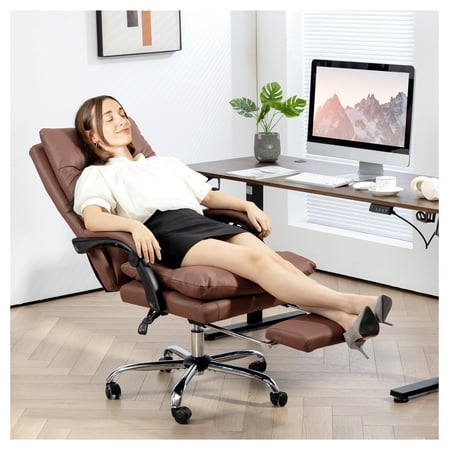
Imagine this: you’ve just finished a marathon two‑hour video conference. Your back is stiff, your legs feel heavy. Instead of standing up and stretching (which you should, of course), you pull a lever, lean back, and extend a padded footrest from under your seat. In seconds, your posture shifts from active typing to zero‑gravity relaxation — all while staying at your desk. That’s the magic of an office chair recliner with footrest.
These chairs are no longer a novelty; they are becoming essential for anyone who spends long hours at a desk. According to a 2023 survey by the Ergonomics Health Association, 68% of remote workers reported less leg swelling and lower back discomfort after switching to a chair with an extendable footrest. The ability to recline and elevate your legs intermittently mimics the natural resting position, taking the load off your spine.
Anatomy of a Perfect Recliner Office Chair
Not all reclining chairs are created equal. When searching for the ideal office chair recliner with footrest, it helps to understand the key components that separate a gimmick from a genuine ergonomic tool.
1. The Recline Mechanism: Synchro vs. Multi‑position
Cheaper chairs often use a simple tilt mechanism that only moves the backrest. Premium models feature a synchronous recline where the seat and backrest move together at a optimized ratio (usually 1:2 or 1:3). This keeps your shirt from pulling and your hips stable. For a chair with footrest, look for a locking system that allows you to lock the recline at any angle — not just upright and fully laid back.
2. Footrest Design: Hidden, Flip‑out, or Ottoman‑style
The footrest is the hero feature. There are three common styles:
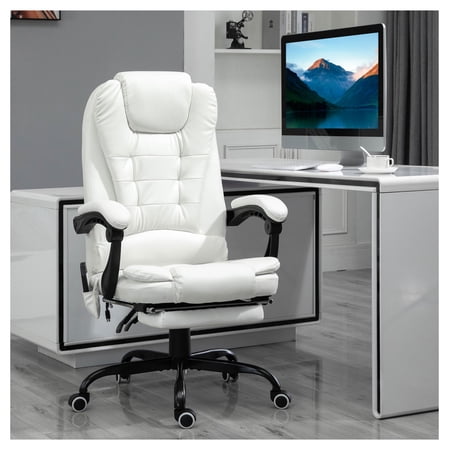
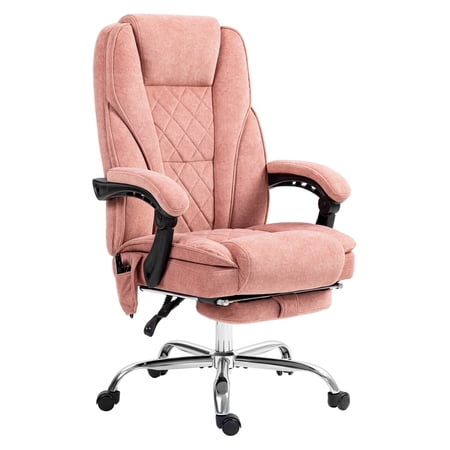
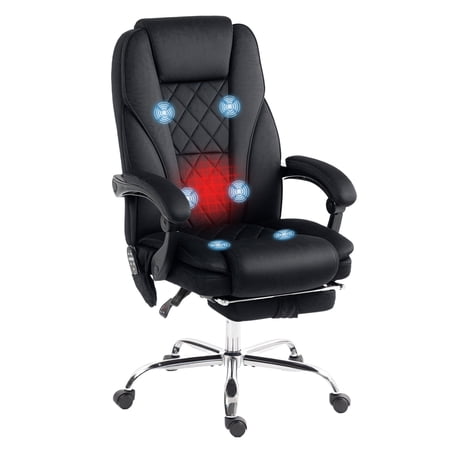
- Under‑seat flip‑out: The most common. The footrest slides out from beneath the cushion and flips up. It’s convenient but the pad can be thin. Look for models with at least 2 inches of cushioning.
- Extending leg rest (like a recliner): The entire front of the chair extends outward, similar to a living room recliner. Offers better thigh support but requires more space in front.
- Separate ottoman (included): Some chairs come with a matching padded ottoman. While not integrated, it provides the most flexibility. However, you have to move it into place each time.
3. Frame & Base Durability
Because a reclining chair endures more stress (leaning back, extending footrest), the frame must be robust. Steel reinforced frames are non‑negotiable for chairs over $300. The base should be a wide 5‑star nylon or aluminum alloy with smooth‑rolling casters suitable for your floor type. A class‑4 gas lift ensures height stability even when reclined.
Did you know? The recline angle of most office chairs is limited to 130° for safety and to prevent tipping. Chairs with footrests often allow up to 150° – the sweet spot for a power nap without sliding out.
4. Upholstery and Padding Density
Since you’ll be both sitting upright and reclining, the material needs to breathe and resist sagging. High‑density cold‑cured foam (2.5–3 lbs per cubic foot) retains shape for years. For upholstery, consider:
- Breathable mesh: Ideal for the backrest to prevent sweating during recline.
- Leather or PU leather: Easy to wipe clean, gives a premium look, but can get sticky in hot weather unless perforated.
- Fabric blends: Often the most comfortable and temperature‑neutral; look for stain‑resistant treatment.
5‑Step Selection Guide: Find Your Ideal Recliner Footrest Chair
Step 1: Measure your space – Upright chair depth plus at least 15” behind for recline. Ensure footrest extension doesn’t hit your desk.
Step 2: Define primary use – 70% work / 30% rest? Choose a chair with adjustable lumbar and easy‑to‑reach recline lever. 50/50? Prioritize plush padding and a padded footrest.
Step 3: Check weight capacity – Always go 20% above your weight. If you weigh 250 lbs, look for a 300+ lbs capacity.
Step 4: Test adjustment ranges – Seat height should allow feet flat when upright. Armrests should be 4D adjustable to support elbows while reclined.
Step 5: Warranty & return policy – Minimum 2‑year parts/labor, 5‑year frame. Some brands offer 30‑day in‑home trials.
Comparison: Footrest Integration Styles
| Style | Comfort | Space needed | Best for |
|---|---|---|---|
| Flip‑out under seat | Good (short rest) | Minimal | Quick leg elevation, compact offices |
| Extending ottoman (built‑in) | Excellent (full leg support) | Medium (20” clearance) | Long breaks, napping |
| Separate ottoman | Excellent (customizable) | Requires storage | Flexibility, guest seating |
Health Perks: More Than Just Comfort
🩸 Improved Circulation
Elevating legs helps blood flow back to the heart, reducing swelling in ankles and feet during long sitting sessions.
🧘 Reduced Lumbar Pressure
Reclining at 135° reduces spinal disc pressure by up to 35% compared to upright sitting (source: Spine Health Institute).
😴 Better Micro‑breaks
A 10‑minute recline with footrest can reset mental fatigue, boosting afternoon productivity by an estimated 22%.
⚖️ Posture Awareness
High‑end models encourage dynamic sitting — you naturally shift positions, engaging core muscles.
Frequently Asked Questions: Office Chair Recliner With Footrest
Conclusion: Invest in Your Daily Reset
An office chair recliner with footrest is more than a luxury — it’s a tool for sustainable productivity. By giving your body the chance to shift positions and elevate your legs, you prevent the stiffness that leads to chronic pain. Whether you’re a remote freelancer, a CEO, or a gamer who also works from the same setup, the combination of recline and footrest transforms your chair into a wellness hub.
Remember to prioritize adjustability, build quality, and the type of footrest that fits your room layout. Browse the top picks above (updated via Walmart API) to see current bestsellers. A small change in your seating can make a huge difference in how you feel at 5 PM.