
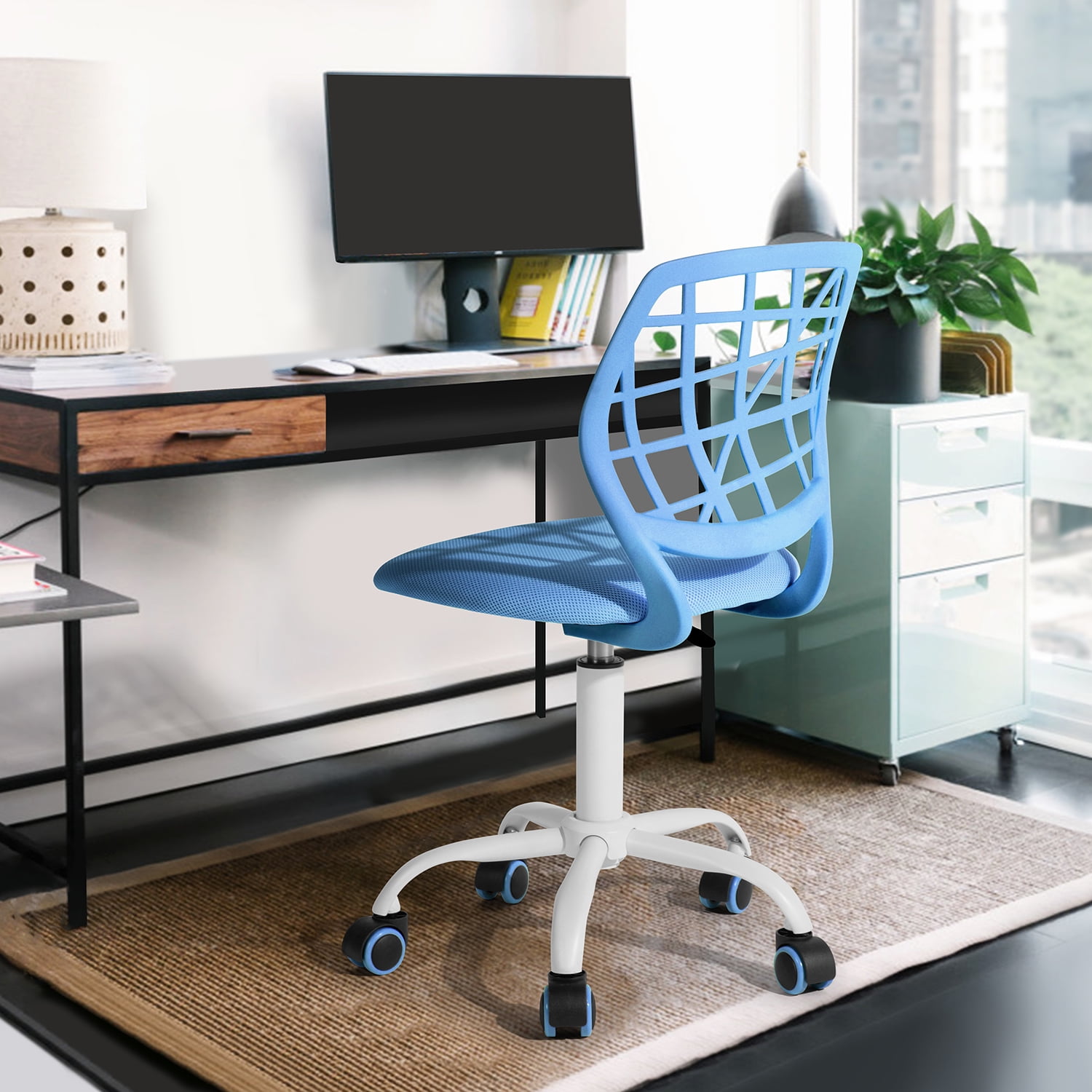
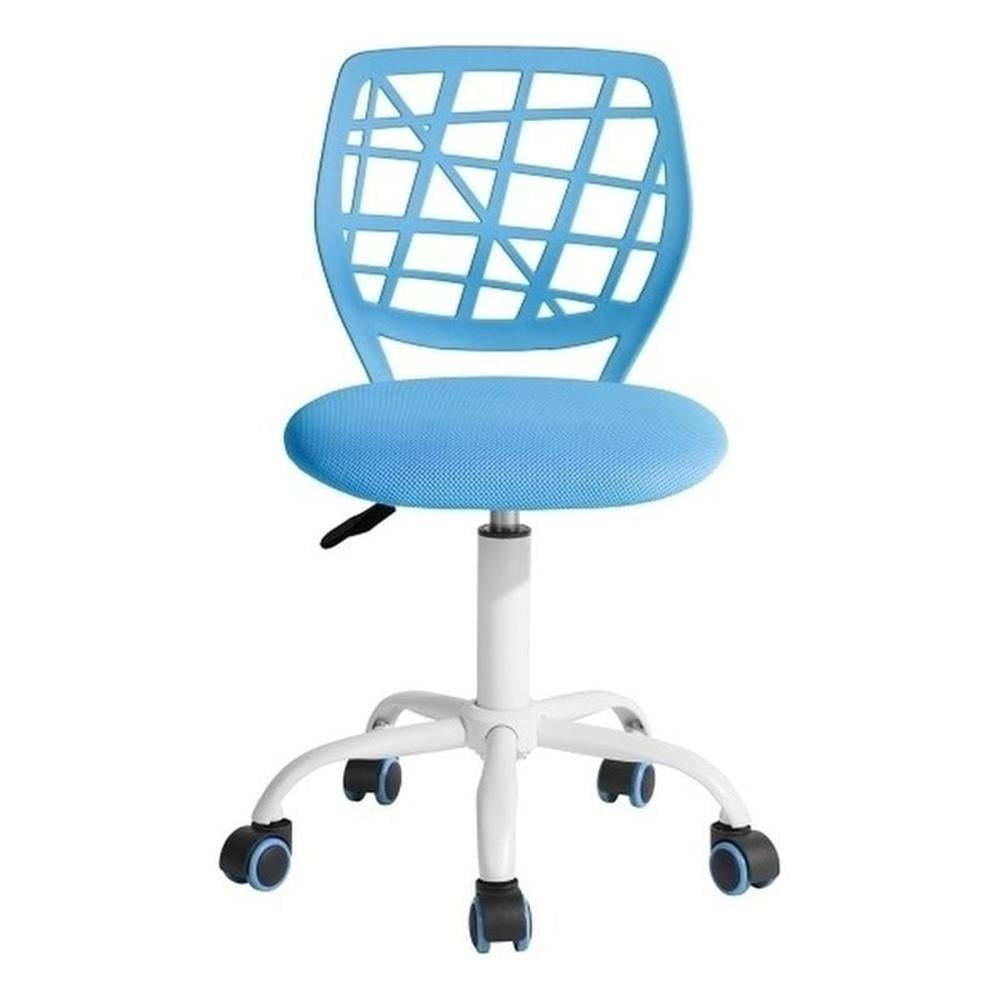
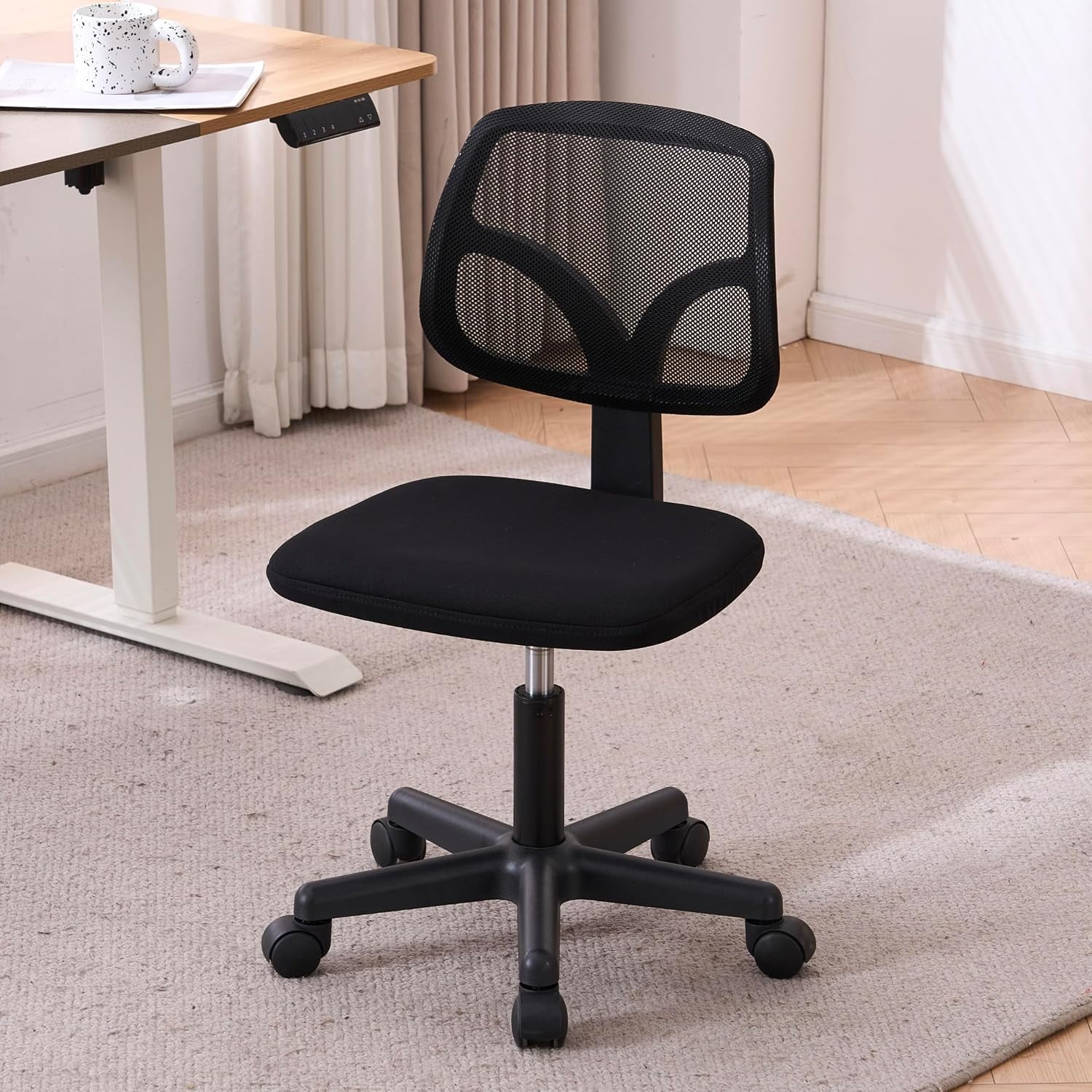
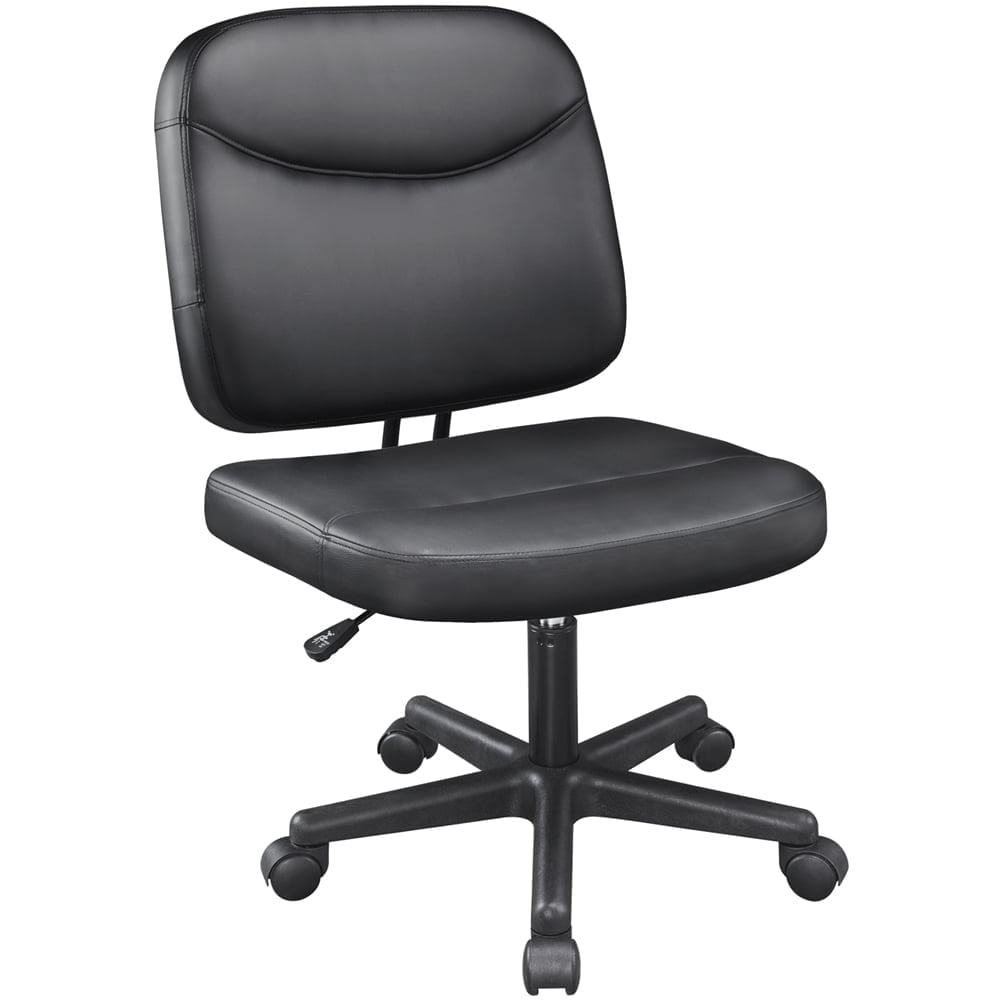
Unlocking Freedom: The Complete Guide to Ergonomic Armless Office Chairs
When you picture an executive’s office, you likely imagine a high-backed, throne-like leather chair with imposing armrests. But the modern workspace is diverse. For many, the traditional armrest isn't a feature—it's a barrier. Enter the ergonomic armless office chair: a sleek, intelligent solution designed for mobility, space efficiency, and a specific kind of postural freedom. Think of it less as a chair missing something, and more as a chair built for a different purpose—like a roadster compared to a luxury sedan. Both get you there, but the experience is entirely different.
This guide dives deep into the world of armless ergonomic seating. We'll explore who benefits most, the key features that separate a supportive chair from a backache waiting to happen, and how to choose the perfect model for your unique workspace and body.
The Rise of the Armless Design: More Than Just a Minimalist Trend
The shift towards armless chairs isn't merely aesthetic. It's a response to changing work habits. With the rise of home offices, we're working in smaller, more dynamic spaces. We're also more aware of "active sitting"—the idea that static, fixed postures are the enemy of a healthy back. A 2023 study in the Journal of Ergonomics suggested that workers who used chairs with fewer restrictions on arm movement reported a 15% decrease in upper back and shoulder stiffness by the end of the day. An armless chair encourages you to move, lean, and type from different angles, engaging your core and improving circulation.
Who is the Ideal Candidate for an Armless Ergonomic Chair?
While not for everyone, an armless chair is a game-changer for specific user profiles. Let's see if you fit into one of these categories:
- The Broad-Shouldered or Tall Professional: Standard armrests often pinch or force you to hunch forward. Removing them entirely allows your shoulders and elbows to rest in a natural, neutral position.
- The Cross-Legged Sitter: A surprisingly common habit! If you frequently tuck one leg under you while working, armrests become a painful obstacle. An armless design provides the open space needed for this comfortable, informal posture.
- The Small Space Dweller: In a compact home office or studio apartment, every inch counts. An ergonomic armless office chair can be pushed completely under your desk when not in use, instantly opening up the room.
- The Artist or Musician: For those who need to swivel freely to reach a guitar, a drawing tablet, or a second workstation, unrestricted arm movement is non-negotiable.
- Physical Therapy & Recovery: For individuals recovering from certain injuries, armrests can hinder the specific range of motion prescribed by a therapist.
Key Ergonomic Features to Look For (When There Are No Arms)
Just because a chair lacks arms doesn't mean it lacks support. In fact, the best ergonomic armless office chairs compensate with superior engineering in other areas. When shopping, prioritize these non-negotiable features:
- Pronounced Lumbar Support: This is your anchor. Without armrests to stabilize you, your lower back support needs to be aggressive and adjustable. Look for chairs with a distinct, built-in lumbar curve that can be adjusted for both height and depth.
- Contoured Seat Pan: A flat seat will cause you to slide forward. A waterfall-edge, contoured seat with a slight "bucket" shape cradles your hips and keeps you properly positioned over the chair's center of gravity.
- Adjustable Seat Depth: Crucial for leg support. You should be able to slide the seat forward or backward so there's a 2-3 finger gap between the back of your knee and the seat edge. This prevents circulation issues.
- High-Density Foam or Breathable Mesh: Since the arms won't be taking any weight, your seat and backrest will. Invest in high-quality materials that won't sag after a few months. Mesh is excellent for breathability and dynamic support.
- Sturdy Base & Smooth Casters: A wide, five-point base is essential for stability. Pair this with high-quality casters suitable for your floor type (carpet or hardwood) to ensure smooth, effortless movement.
Understanding the "Active Sitting" Connection
Imagine sitting on a stability ball—you're constantly making tiny adjustments to stay upright. An armless chair mimics this effect in a more controlled way. Without armrests to lock your upper body in place, your core muscles are subtly engaged throughout the day. This isn't just a theory; it's biomechanics. This constant micro-movement helps to:
- Strengthen core stabilizer muscles.
- Improve blood flow to the lower back.
- Reduce the stiffness that comes from holding a static position for hours.
Pro Tip: If you're new to an armless chair, your back and core muscles might feel slightly fatigued for the first week. This is normal—it's your body adapting to a more active sitting style.
Ergonomic Armless vs. Traditional Armchairs: A Data-Driven Comparison
| Feature | Ergonomic Armless Chair | Traditional Office Chair (with Arms) |
|---|---|---|
| Shoulder Freedom | Excellent – Allows full range of motion. | Limited – Arms can restrict natural movement. |
| Space Efficiency | High – Slides completely under most desks. | Lower – Arms often hit the desk underside. |
| Postural Support | Core-dependent, encourages active sitting. | Provides fixed points, promotes static sitting. |
| Best For | Typists, artists, small offices, cross-legged sitters. | Managers, readers, those wanting armrest leverage. |
Step-by-Step: How to Choose Your Perfect Armless Chair
Step 1: Measure Your Space and Your Body
Grab a tape measure. First, measure the height of your desk's underside. This is critical—an armless chair's advantage is its ability to tuck away, so ensure the seat height allows for this. Next, measure your seat depth preference by sitting on a firm chair and measuring from your back to the back of your knee.
Step 2: Prioritize Adjustability Over Aesthetics
A beautiful chair that doesn't fit is just expensive decor. For armless chairs, the adjustability of the lumbar support and seat depth is paramount. If your budget is tight, invest in a chair with phenomenal back support and plan to add a high-quality seat cushion later.
Step 3: Test the "Waterfall Edge"
When you sit, run your hand under your thigh at the front of the seat. The chair's edge should slope down gently (a waterfall edge), not dig into the back of your legs. This ensures proper blood flow to your lower legs and feet.
Step 4: Consider Your Floor Type
This is often overlooked. If you have hardwood floors, you'll need soft, rubber casters to prevent scratches. For thick carpet, larger, harder casters will roll more easily. Many chairs offer replacement caster sets.
Material Matters: Mesh, Fabric, or Faux Leather?
The material of your armless chair dictates comfort and longevity.
- Mesh: The top choice for ergonomic chairs. It's breathable, preventing the dreaded "hot back" syndrome, and it conforms to your spine's shape without sagging. Ideal for long hours.
- Fabric: Offers a warmer, softer feel and comes in more colors and patterns. Look for high-quality, tightly woven fabric that is stain-resistant and durable.
- Faux Leather: A budget-friendly option that's easy to wipe clean. However, it's less breathable than mesh or fabric and can crack over time. Not recommended for all-day sitting in warm climates.
Frequently Asked Questions About Ergonomic Armless Chairs
Conclusion: Is the Armless Path Right for You?
Choosing an ergonomic armless office chair is a decision to prioritize movement, space, and upper-body freedom. It's a departure from the traditional office throne, but for the right person, it's a significant upgrade in daily comfort and long-term spinal health. By focusing on superior lumbar support, seat adjustability, and high-quality materials, you can find an armless chair that doesn't just replace a traditional one, but outperforms it for your specific needs. Evaluate your workspace, listen to your body, and take the leap into a more flexible and active way of sitting.