
Why Choose a Chair for Cross-Legged Sitting?
For many professionals, sitting cross-legged is a natural and comfortable position. However, standard office chairs often lack the width and design to support this posture. Office chairs where you can sit cross-legged are specifically designed with wider seats, adjustable features, and ergonomic support to accommodate this sitting style.
Did you know? A study found that 34% of office workers prefer to sit cross-legged at some point during the day. Yet, 70% of traditional office chairs do not provide adequate width or support for this posture, leading to discomfort and potential musculoskeletal issues.
Key Features of a Cross-Legged Office Chair
When searching for a chair to sit criss-cross, look for these essential features:
- Extra Wide Seat: Typically 20-24 inches wide to accommodate legs comfortably.
- Shallow Seat Depth: Allows knees to bend without pressure behind the knees.
- Flip-Up or Adjustable Armrests: Provides space for legs to rest naturally.
- Waterfall Seat Edge: Reduces pressure on the underside of the thighs.
- Sturdy Base & High Weight Capacity: Ensures stability and durability.
Choosing the Right Cross-Legged Chair
Selecting the ideal chair for your needs involves considering several factors. Here's a guide to help you decide:
| Feature | Why It Matters | Recommended Specs |
|---|---|---|
| Seat Width | Allows comfortable leg positioning without spillover. | Minimum 20 inches (22-24" ideal) |
| Seat Depth | Prevents pressure on knees and improves circulation. | Adjustable, 16-18 inches recommended |
| Armrest Design | Flip-up or 4D arms provide space for legs. | Flip-up arms or removable armrests |
| Weight Capacity | Ensures safety and long-term durability. | 300 lbs minimum, 400+ lbs preferred |
| Lumbar Support | Maintains spinal alignment when sitting cross-legged. | Adjustable height and depth |
Health Benefits of Proper Cross-Legged Sitting
When using a chair designed for cross-legged sitting, you can experience several health and productivity benefits:
Improved Hip Flexibility
Cross-legged sitting can help maintain hip mobility and reduce stiffness.
Better Posture
Wider seats and lumbar support encourage a straighter spine.
Reduced Pressure
Waterfall edges and proper depth prevent leg numbness and discomfort.
Enhanced Focus
Comfortable seating reduces distractions and boosts productivity.
Understanding Cross-Legged Ergonomics
Sitting cross-legged, also known as criss-cross applesauce, is a common sitting position that many find natural and comfortable. However, doing so in a standard office chair can lead to discomfort, numbness, and even long-term postural issues. This is where specialized office chairs for leg-crossers come into play. They are engineered to support this posture while maintaining ergonomic principles.
The Anatomy of a Cross-Legged Chair
What exactly makes a chair suitable for sitting cross-legged? Let's break it down:
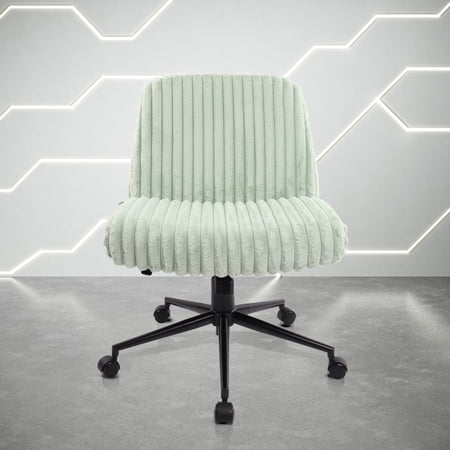
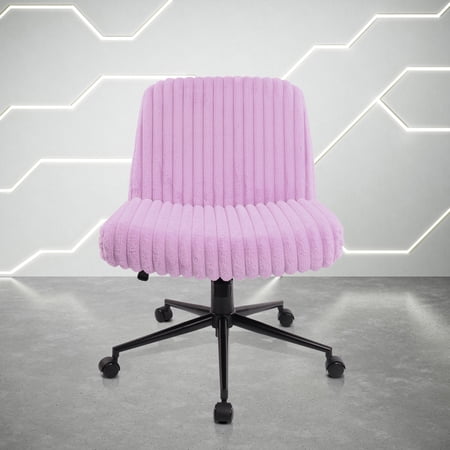
- Wide Seat Platform: This is the most critical feature. A wide seat (usually 22-24 inches) provides ample space for your legs without the edges digging into your thighs. This is often referred to as a wide office chair for sitting cross-legged.
- Adjustable Seat Depth: Being able to slide the seat forward or backward ensures your knees can bend at a 90-degree angle without pressure behind your knees. This is vital for maintaining proper circulation.
- Flip-Up Armrests: Traditional armrests can obstruct your legs when sitting cross-legged. Chairs with flip-up or 4D adjustable arms allow you to tuck your legs in comfortably. Look for models with flip-up armrests for maximum flexibility.
- Sturdy Base: Sitting cross-legged shifts your center of gravity. A robust five-point base with smooth-rolling casters ensures stability and safety.
Materials and Build Quality
The material of your chair also affects the cross-legged experience. Here's a quick comparison:
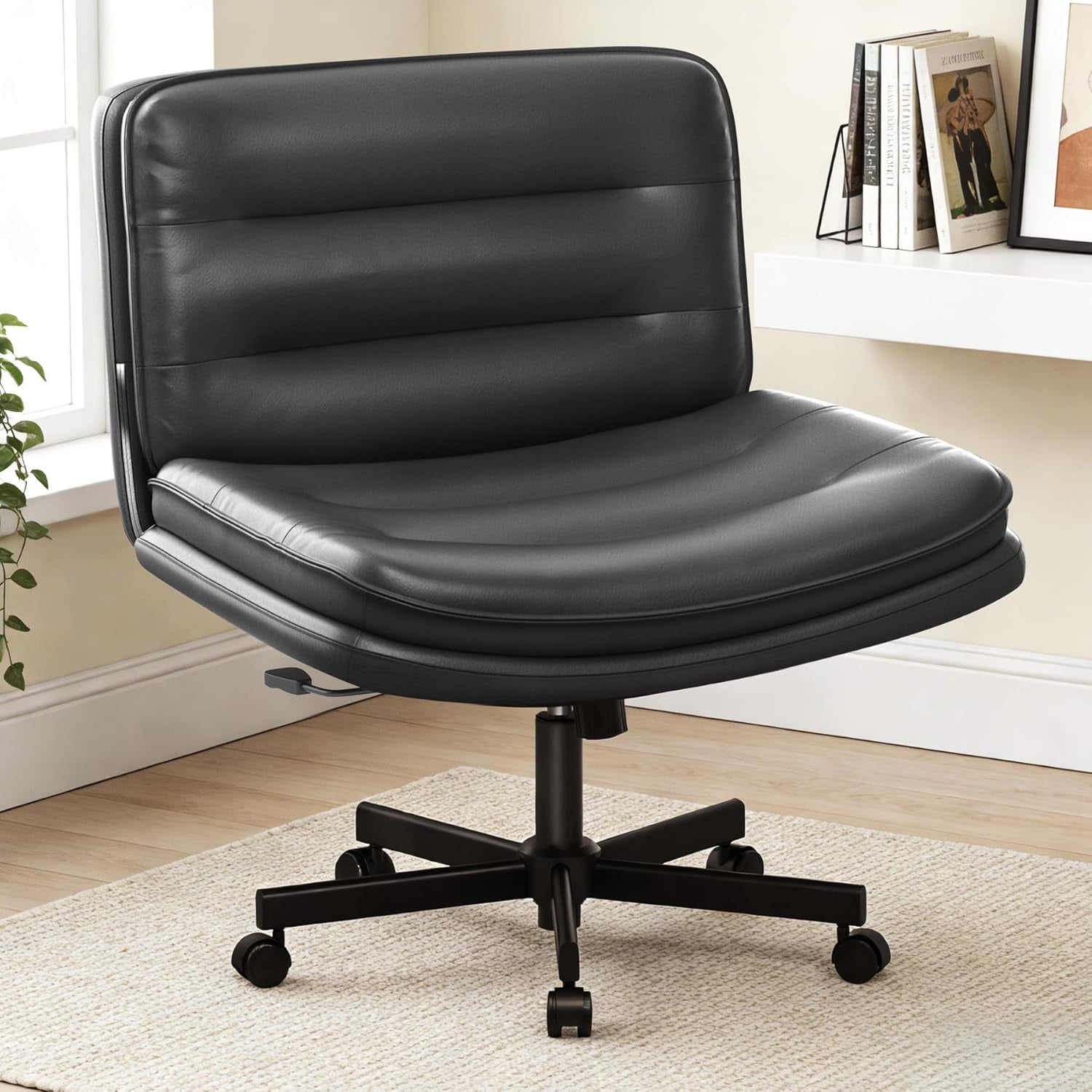
Leather & Faux Leather
- ✓ Easy to clean and maintain
- ✓ Professional appearance
- ✓ Durable and long-lasting
- ✗ Can be slippery when sitting cross-legged
- ✗ May retain heat
Mesh & Fabric
- ✓ Breathable and cool
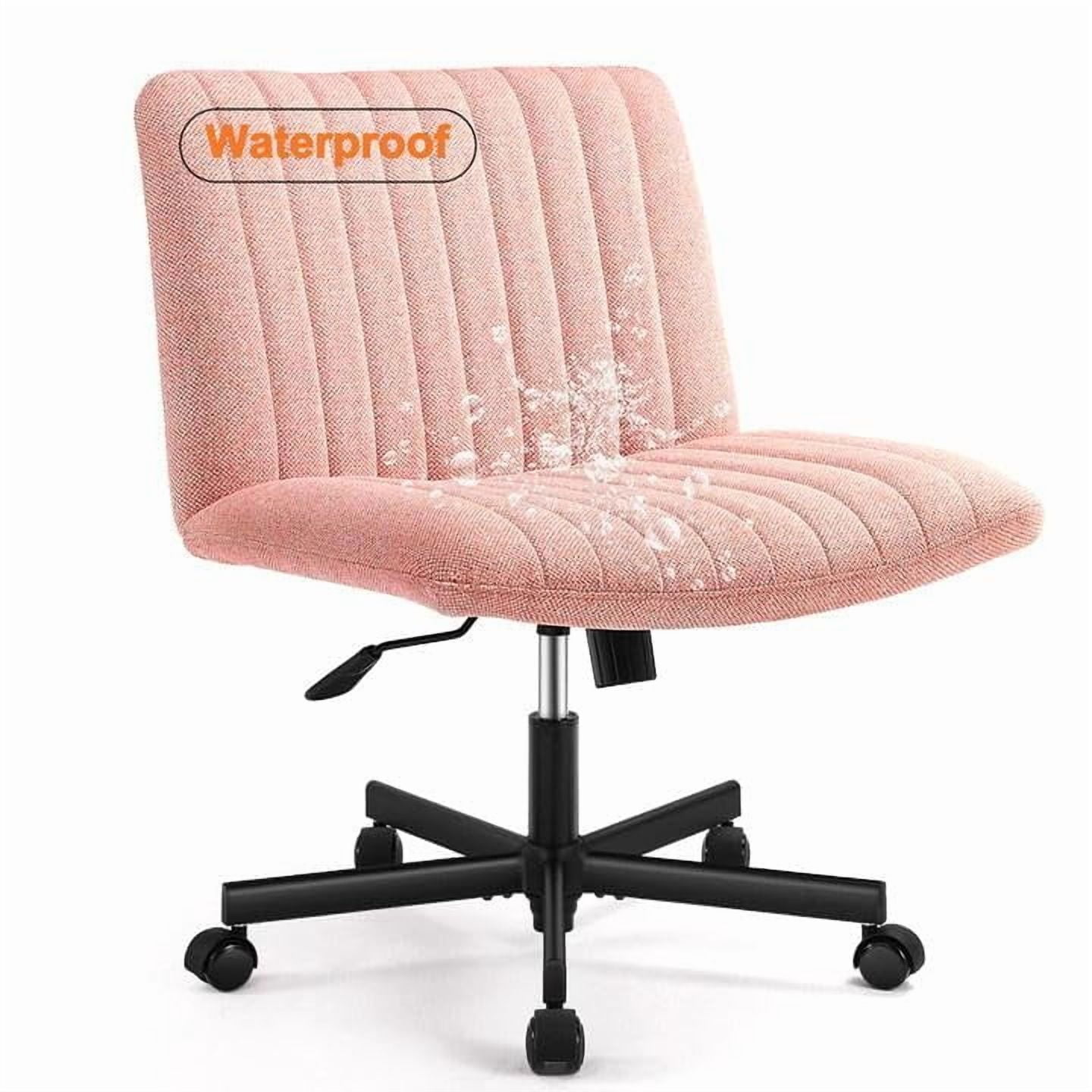
- ✓ Provides grip for cross-legged sitting
- ✓ Lightweight and flexible
- ✗ May require more frequent cleaning
- ✗ Can sag over time if not high-quality
Who Benefits from a Cross-Legged Office Chair?
This type of chair is ideal for:
- Creative Professionals: Designers, writers, and artists who often shift positions during deep work.
- Remote Workers: Those who spend long hours at home desks and prefer flexible postures.
- Individuals with Hip or Back Issues: Cross-legged sitting can relieve lower back pressure when supported correctly.
- Anyone Seeking Comfort: If you find yourself naturally sitting cross-legged, this chair is for you.
Ultimate Selection Guide: Cross-Legged Office Chairs
Follow this step-by-step guide to find your perfect chair:
- Measure Your Space: Ensure the chair's base and width fit under your desk and in your room.
- Check Seat Dimensions: Look for a seat width of at least 20 inches and an adjustable depth feature.
- Evaluate Armrest Flexibility: Opt for flip-up or 4D arms that can be moved out of the way.
- Test the Lumbar Support: Adjustable lumbar support is key for maintaining good posture.
- Consider the Base and Casters: A sturdy base with smooth-rolling casters (suitable for your floor type) is essential.
- Read Reviews: Look for reviews from other cross-legged sitters to gauge real-world comfort.
Pro Tip: When testing a chair, sit cross-legged for at least 10-15 minutes. Pay attention to pressure points, leg circulation, and back support. A chair that feels good after 5 minutes might feel different after 30.
Frequently Asked Questions About Cross-Legged Office Chairs
Conclusion: Find Your Perfect Cross-Legged Chair
Choosing the right office chair where you can sit cross-legged is a game-changer for comfort and productivity. By prioritizing features like seat width, depth adjustment, and flexible armrests, you can enjoy your preferred sitting style without sacrificing ergonomic health. Whether you're a creative professional, a remote worker, or simply someone who values comfort, the right chair makes all the difference.
Explore the products above to find a chair that matches your needs. Remember, the best chair is the one that supports your body and your work style for years to come.