
Why Choose an Office Chair Designed for Crossing Legs?
For many people, sitting in a traditional office chair with both feet flat on the floor feels restrictive. Whether it's a habit from childhood, a way to feel more comfortable, or a need to change postures frequently, sitting cross-legged (sometimes called "criss-cross" or "Indian style") is a common preference. However, most standard office chairs punish this habit with hard armrests, narrow seats, and stiff edges that cut off circulation.
Did you know? A survey by the American Posture Institute suggests that nearly 35% of office workers occasionally sit with one leg tucked under them or crossed. For those with hip mobility issues or ADHD, varying posture like this can actually improve focus and reduce restlessness. The key is having a chair that accommodates the movement safely.
Anatomy of a Cross-Legged Friendly Chair
Not every "comfy" chair works for crossing legs. Here are the non-negotiable features to look for:
- Wide & Deep Seat Pan: Look for a seat width of at least 22 inches and depth of 20 inches. This gives your thighs and knees room to rest comfortably on the cushion without dangling off the edge.
- Waterfall Front Edge: A curved, soft front edge prevents pressure on the back of your knees when your legs are bent and resting on the seat. It’s crucial for circulation.
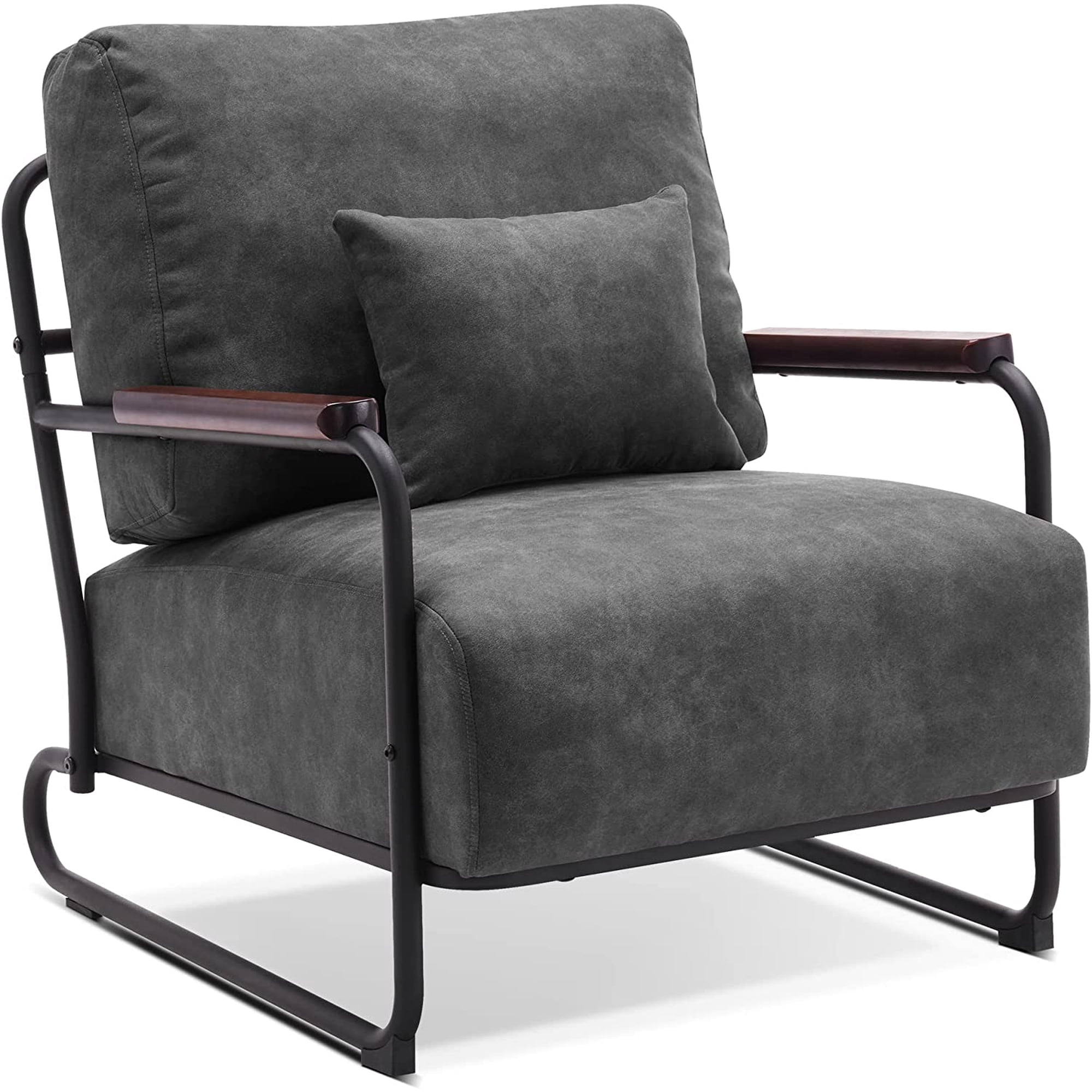
- Flip-Up or Adjustable Armrests: Fixed armrests are the enemy. You need armrests that can swing up and out of the way, or at least adjust wide enough so they don't pinch your legs.
- Medium-Firm, Resilient Foam: The foam should be soft enough for comfort when folding legs, but firm enough to provide support and not bottom out. High-density foam (2.5 lbs or higher) is ideal.
- Breathable Upholstery: Fabric or high-end mesh allows air to circulate, preventing the sweaty discomfort that can occur with leather when legs are folded.
Health Benefits & Ergonomic Considerations
Crossing your legs in a chair isn't inherently bad—if the chair supports it. Here’s how a proper chair turns a habit into a healthy posture variation:
✅ Core Engagement
Shifting into a cross-legged position slightly engages your core muscles compared to passive sitting, promoting micro-movements.
✅ Hip Mobility
Allowing legs to cross reduces stiffness in the hips, which often get tight from standard 90-degree sitting.
✅ Pressure Relief
Changing position redistributes pressure on the buttocks and thighs, reducing the risk of pressure sores and discomfort.
✅ Focus & Comfort
For neurodivergent individuals, the ability to sit comfortably in a preferred posture can significantly increase concentration.
Seat Material Comparison for Cross-Legged Sitting
Choosing the right material is paramount when your legs will be in direct, prolonged contact with the seat.
Fabric (Recommended)
- Breathability: Excellent – prevents heat buildup.
- Grip: Provides slight friction so you don't slide.
- Comfort: Soft and warm, ideal for long hours.
- Maintenance: May require occasional vacuuming.
Mesh
- Breathability: Superior – maximum airflow.
- Support: Taut mesh can be less comfortable for bony knees; look for mesh with some give.
- Cleaning: Easy, dust can be wiped.
Leather / Faux Leather
- Breathability: Poor – can get sticky and sweaty.
- Comfort: Can feel cold initially, then hot. Not ideal for skin-on-leather contact.
- Durability: May crack with the extra movement of legs folding.
Key Features to Look For: A Detailed Checklist
When shopping, use this checklist to evaluate if a chair truly works for crossing legs:
- Measure the seat width: Place a tape measure across the seat pan. Aim for 22" to 24".
- Check the armrest design: Do they flip up? If not, what is the inner width between them? It should be at least 21".
- Assess the foam density: Sit on it and press down. Does it feel like it will pack out quickly? High-density foam springs back.
- Test the recline tension: When you lean back, does the chair support you even if your legs are off-center? A synchronized mechanism is a plus.
- Look at the base: A sturdy 5-star base is essential, especially when you shift your weight to one side to cross legs.
Common Mistakes When Buying a Chair for Crossing Legs
Many people buy a "comfy" looking chair only to find it doesn't work. Here’s what often goes wrong:
- Ignoring the armrests: They buy a wide-seat chair but forget the armrests are fixed and narrow. Your knees will hit them constantly.
- Choosing style over substance: A sleek, low-back chair might look good, but when you sit cross-legged, you need a high or mid-back to support your spine in the new posture.
- Forgetting the pedestal: When you cross your legs, you sit slightly higher. Ensure the chair has a pneumatic lift that allows you to lower it so your knees aren't hitting the underside of your desk.
Ideal Workspace Setup for Cross-Legged Sitting
Once you have the right chair, adjust your desk to match:
- Desk Height: Because you'll be sitting higher when legs are crossed, you may need to raise your desk (or use a keyboard tray) to maintain a 90-degree elbow angle.
- Monitor Position: Your eye line should be at the top bezel of the monitor. Use a monitor arm for easy adjustment.
- Footwear (or lack thereof): Many people take their shoes off when crossing legs. Keep a small footrest or mat nearby if you want to rest your feet occasionally.
Frequently Asked Questions About Office Chairs for Crossing Legs
Conclusion: Comfort Meets Flexibility
Finding the right office chair for crossing legs is about rejecting the "one-size-fits-all" ergonomic dogma. Your body is unique, and your sitting habits are valid. The perfect chair exists: one with a wide, forgiving seat, armrests that vanish when you need space, and breathable materials that keep you comfortable all day. By focusing on the specific features outlined above—seat dimensions, armrest flexibility, and foam quality—you can create a workspace that respects your need for movement and comfort. Don't settle for a chair that forces you into a single position. Choose one that adapts to the way you naturally sit.